
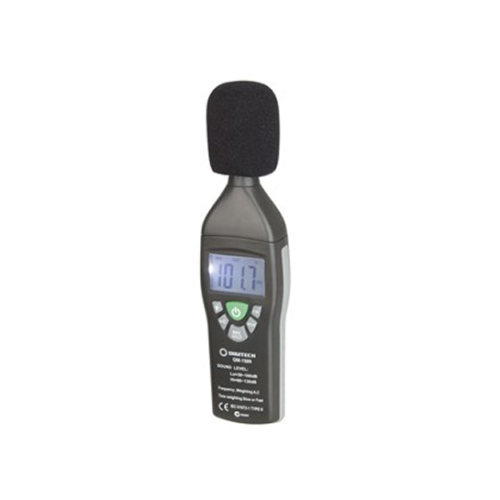
Sound Level Meter, 30 to 130 dB Classroom Acoustics Measurement Type
- Sound level meter 30–130 dB range, measures SPL for classroom noise and acoustics comparisons.
- A-weighted and C-weighted options, supports different weighting methods in sound experiments.
- Frequency range 31.5 Hz to 8000 Hz, suitable for basic audio band measurement activities.
- Fast/slow response selectable, track changing levels or stabilise readings for steady sources.
- Pocket-sized plastic case, LED backlit display, 210 × 55 × 32 mm, runs on 9 V battery.
AUD 171.90 (Ex GST)
Sound Measurement includes handheld sound level meters used for measuring noise levels in classrooms, science laboratories, workshops, and general acoustic demonstration work. The listed Sound Level Meter covers a 30 to 130 dB measurement range, making it suitable for classroom acoustics activities where students need to observe how sound level changes between quiet, moderate, and louder environments.
This category is useful for teaching sound intensity, noise level comparison, environmental sound checks, and basic acoustics investigations. Students can use the meter to compare different sound sources, monitor changes in room noise, and understand why sound level is measured in decibels rather than as a simple linear value. OpenStax explains that sound intensity level in decibels is commonly used because it relates more closely to how people perceive sound level changes.
A sound level meter is especially helpful in practical physics because it turns sound measurement into a clear, visible reading. Teachers can use it for lessons on sound intensity, loudness, frequency, classroom noise, hearing awareness, and basic measurement practice. The 30 to 130 dB range supports a broad classroom measurement context, provided the activity stays within the instrument’s stated range and the meter is used under suitable supervision.
For technical reference, IEC 61672-1 is the key international standard for sound level meter specifications and describes requirements for instruments intended to measure sound in the range of human hearing. ISO 1996-1 provides recognised guidance for describing, measuring, and assessing environmental noise. These references support the wider sound measurement context and should not be used as product-specific compliance or calibration claims unless supported by manufacturer documentation.
For LabChoice Australia customers, Sound Measurement provides a practical category for schools, physics departments, science teachers, and laboratory users who need a simple sound level meter for classroom acoustics measurement, noise comparison activities, and hands-on sound investigations.