
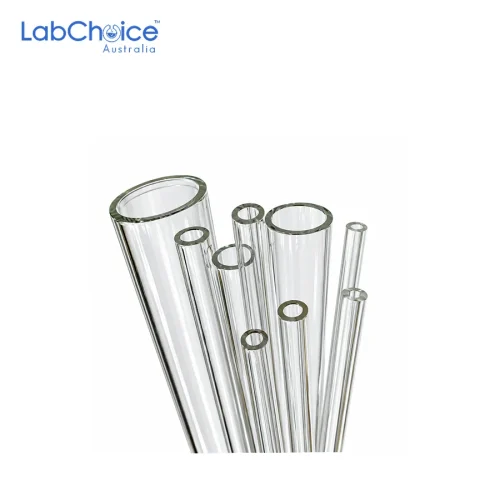
Glass Blowing Tube, BORO 3.3, 12 mm OD with 1.5 mm Wall Thickness
From AUD 21.00 (Ex GST)
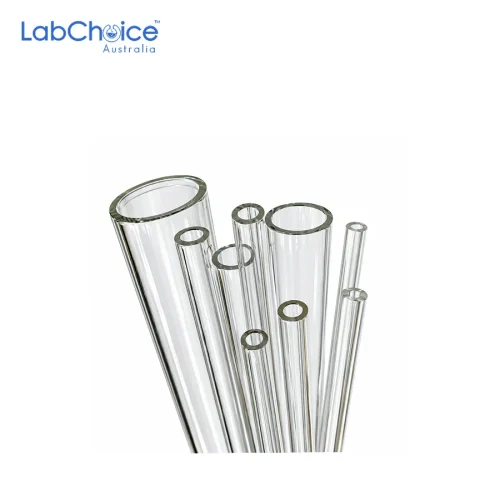
Glass Blowing Tube, BORO 3.3, High-Quality 500 mm Length
From AUD 18.00 (Ex GST)
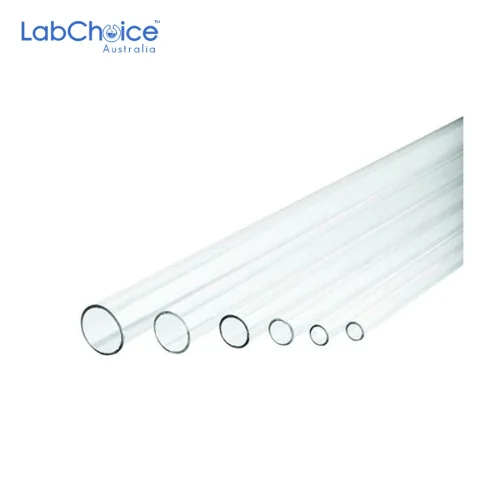
Soda Glass Tubing, 50 cm Length, 6 mm to 10 mm OD
From AUD 19.90 (Ex GST)
Soda Glass Tubing, Flint Glass Tube Lengths for Laboratory Use provides straight, hollow glass sections for constructing simple laboratory connections, demonstration apparatus and customised glass components. The tubing can be selected in a suitable diameter and length for making delivery tubes, connectors, sample tubes and other basic assemblies where the confirmed glass type is appropriate for the procedure.
The clear tubular form allows liquid movement, gas flow and internal cleanliness to be observed during use. Tubing dimensions should be matched to the intended stopper, rubber connector, flexible hose or apparatus opening. Where several sections are joined, every connection should be properly supported so that bending force is not transferred to the glass.
Soda-lime glass tubing is widely used for manufacturing laboratory items such as test tubes. SCHOTT identifies soda-lime glass tubing as a material used in laboratory equipment, including test tube production. However, soda-lime glass has different thermal and chemical characteristics from BORO 3.3 borosilicate glass, so the two materials should not be treated as interchangeable.
The product title also uses the term flint glass. Because flint glass can refer to different glass compositions in commercial and technical usage, the exact material composition should be confirmed from the manufacturer before publishing claims about lead content, thermal resistance, chemical durability or optical properties. Product dimensions, wall thickness, glass composition and intended use should also be checked before selection.
Glass tubing may be cut, bent or shaped for compatible laboratory work, but glassworking should only be carried out by trained users with suitable equipment. Cut ends can be sharp and should be safely finished before handling or connecting to tubing. Eye protection should be worn, and excessive force should never be used when inserting glass tubing through a rubber stopper. The glass and stopper should be lubricated using an appropriate laboratory method, and hands should be protected from accidental breakage.
Soda glass tubing should not be exposed to sudden temperature changes or strong direct heating unless its thermal limits and intended glassworking conditions have been confirmed. It should also not be used for pressure or vacuum assemblies without documented suitability for the complete setup. Before use, every tube should be inspected for cracks, chips, scratches and damaged ends.
ASTM E438 covers glasses commonly used in laboratory apparatus and identifies Type II as soda-lime glass. ISO 719 provides a method for assessing the hydrolytic resistance of less resistant glass types, including soda-lime glass. ISO 4142 also recognises soda/lime glass as one of the materials used to manufacture general laboratory test tubes. These standards provide useful material and application references, but they should not be stated as confirmed product compliance claims without supporting manufacturer documentation.
For LabChoice Australia customers, Soda Glass Tubing and Flint Glass Tube Lengths provide a practical option for schools, universities, chemistry teaching laboratories, physics demonstrations and general laboratory workshops requiring transparent tubing for compatible apparatus construction and experimental setups.