
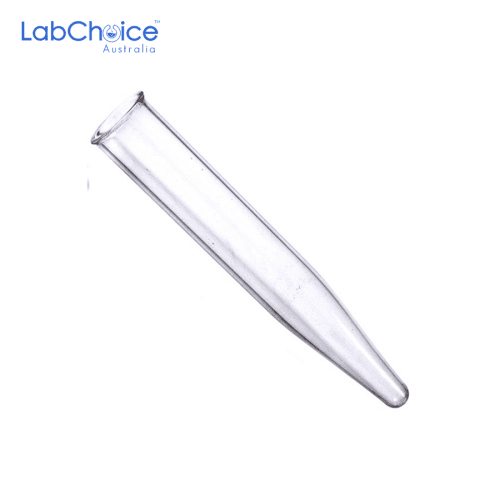
Glass Centrifuge Tube, 10 mL for Hand-Operated Centrifuge
AUD 2.50 (Ex GST)
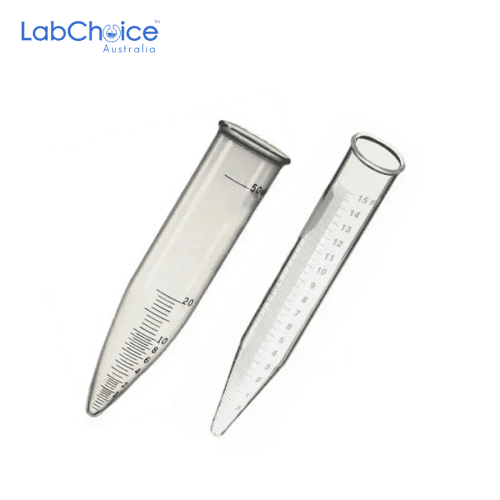
Glass Conical Centrifuge Tubes Non Calliberated, BORO 3.3
From AUD 3.90 (Ex GST)
Glass Centrifuge Tubes are laboratory vessels used to hold samples while centrifugal force separates suspended material from the surrounding liquid. This category includes a 10 mL glass tube intended for a compatible hand-operated centrifuge, along with non-calibrated conical centrifuge tubes made from BORO 3.3 glass. Glass centrifuge tubes are available in plain, graduated and specialised designs for different laboratory centrifugation requirements.
The conical tube shape directs separated material towards the narrow lower section of the tube, making the sediment easier to observe or recover after centrifugation. These tubes may be used for compatible sample separation, clarification, sedimentation and preparation procedures, subject to the centrifuge, rotor, adapter and tube specifications.
The conical centrifuge tube range is described as non-calibrated. Any visible markings should therefore be treated as approximate reference marks rather than certified volumetric measurements. Where accurate liquid measurement is required, laboratories should use calibrated volumetric glassware covered by an appropriate testing and calibration method. ISO 4787 provides methods for testing, calibrating and using volumetric instruments made from glass.
The non-calibrated conical tubes are made from BORO 3.3 borosilicate glass, which is recognised for low thermal expansion and defined chemical durability properties. ISO 3585 specifies the characteristics of borosilicate glass 3.3, while ASTM E438 covers glass types commonly used to manufacture laboratory apparatus. These standards provide relevant material references but should not be presented as confirmed product compliance claims unless supported by manufacturer documentation.
The material grade of the separate 10 mL tube for hand-operated centrifuges should not be assumed to be BORO 3.3 unless this is confirmed by the manufacturer. It should be used only with a compatible hand centrifuge, tube holder or adapter. Use in a powered laboratory centrifuge should be avoided unless the permitted relative centrifugal force, rotor fit and tube construction have been confirmed.
Before centrifugation, each glass tube should be inspected for cracks, chips, scratches or other damage. Tubes should be loaded symmetrically, supported by suitable adapters and matched by tube type, sample volume and weight. Centrifuge manufacturers advise using only approved tube and rotor combinations and maintaining a balanced load during operation.
For LabChoice Australia customers, Glass Centrifuge Tubes provide practical options for schools, universities, research laboratories, quality control facilities and routine science laboratories carrying out compatible sample separation, sedimentation and preparation procedures.