
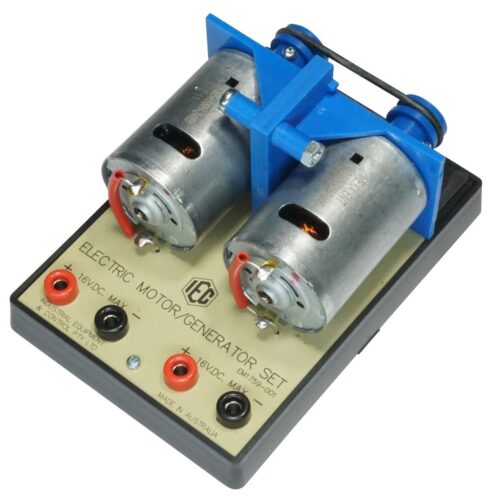
16 V Belt-Driven Motor/Generator Set
AUD 90.90 (Ex GST)
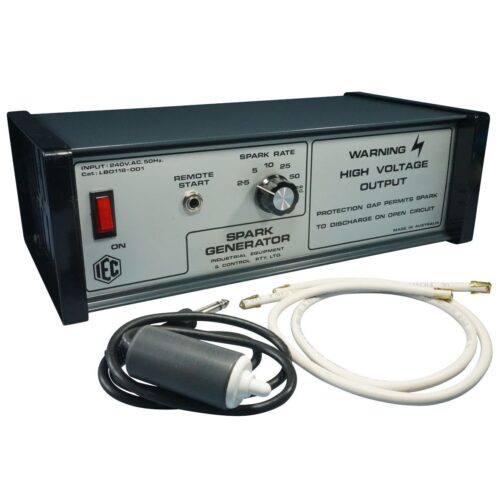
Air Track and Air Table Spark Generator, 240 V AC Mains
AUD 911.50 (Ex GST)
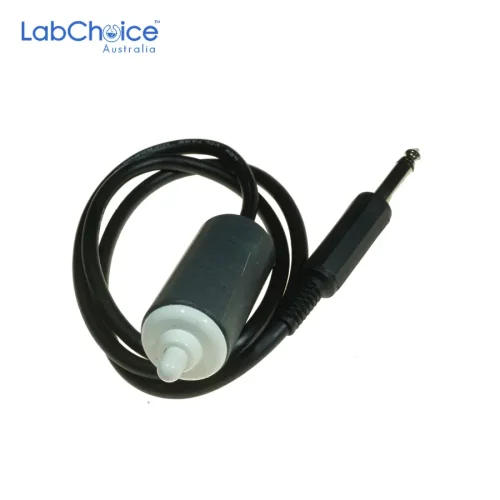
Air Track Spark Generator Cables, Precision Connection Set
From AUD 12.50 (Ex GST)
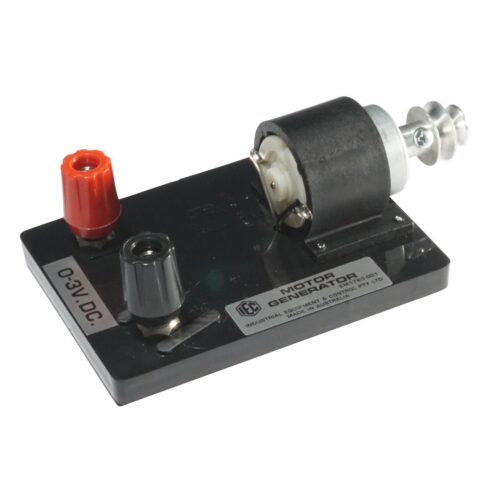
ASEP Small Motor and Generator Kit with Pulley Included
AUD 72.50 (Ex GST)
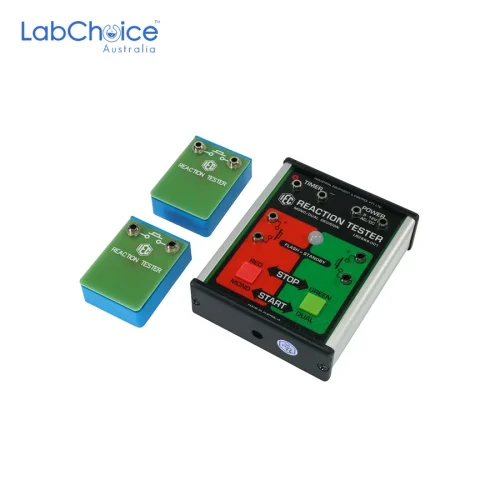
Decision Reaction Timer Device for Response Time Testing
AUD 253.90 (Ex GST)
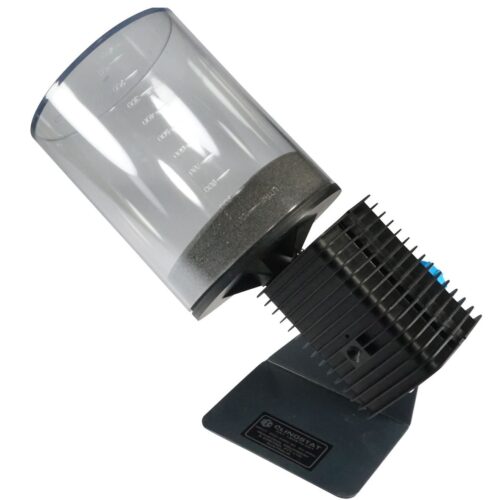
Electric Clinostat on Stand, 4 rev/hour, 240 V AC
AUD 219.50 (Ex GST)
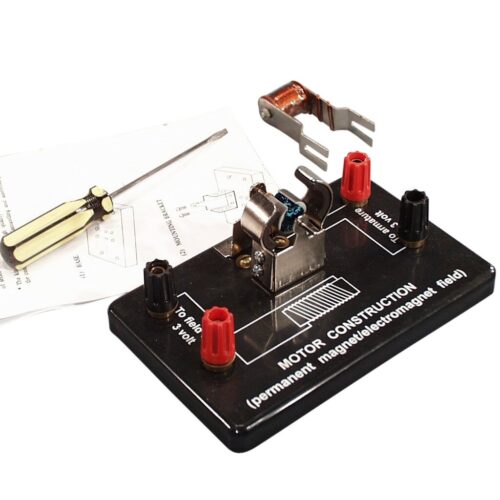
Motor and Generator Teaching Kits, Classroom Energy Transfer Demonstration Range
From AUD 38.90 (Ex GST)
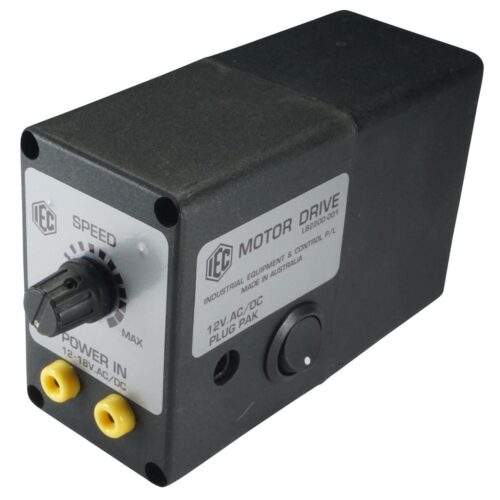
Motor Drive Unit with Pulley, Variable Speed Laboratory Unit
From AUD 219.50 (Ex GST)
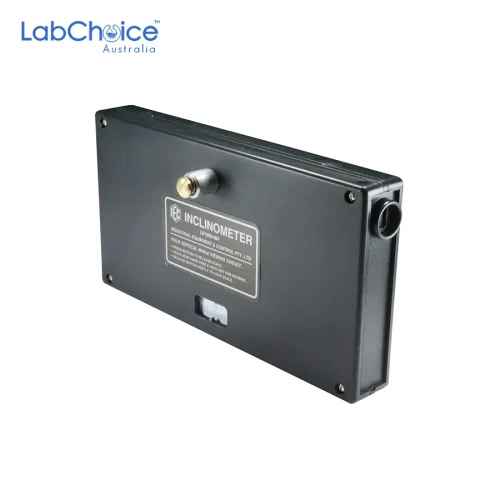
Simple Clinometer (Inclinometer) for Angle Measurement
AUD 68.50 (Ex GST)
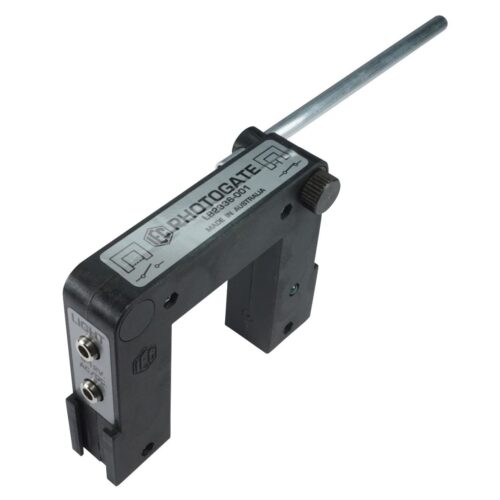
U-Shaped Photogate Sensor with Support Rod, General Purpose
AUD 156.90 (Ex GST)
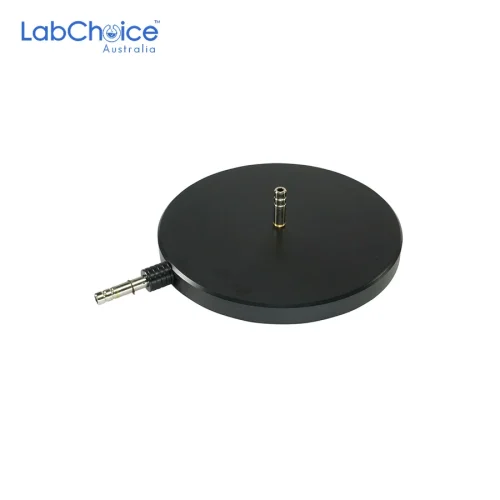
Vacuum Surface Plate for Bell Jar and Vacuum Experiments
AUD 272.50 (Ex GST)
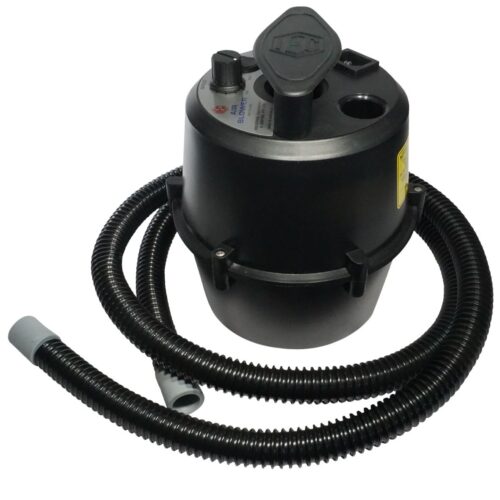
Variable-Speed Air Pump for Air Track or Air Table, 240 V AC Powe
AUD 409.90 (Ex GST)

Water Turbine Hydro-Electric Power Demo Spare Belt
AUD 11.50 (Ex GST)
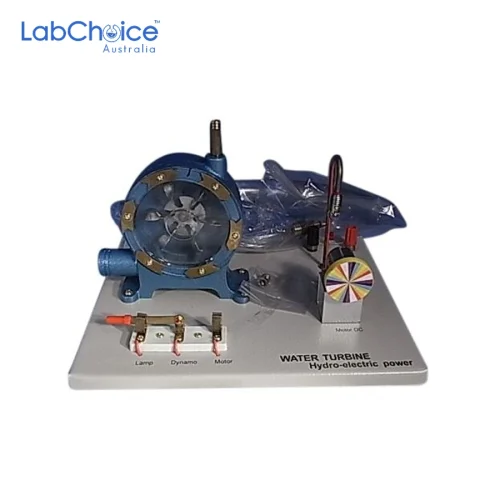
Water Turbine Hydro-Electric Power Educational Model
AUD 216.90 (Ex GST)
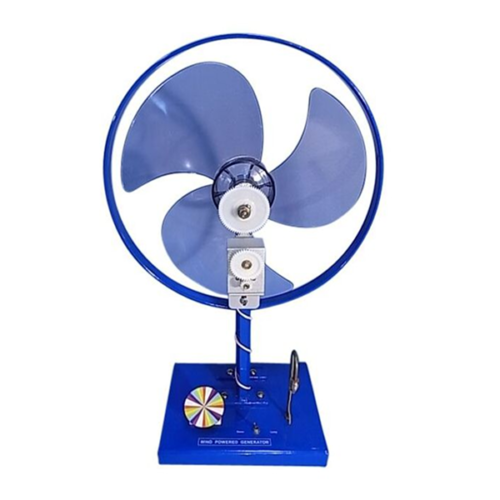
Wind Energy Generator Kit, Classroom Electricity Generation Demonstration Type
AUD 216.90 (Ex GST)
Motors, Motion and Mechanics equipment is designed to support teaching and demonstration of mechanical systems, energy transfer, rotational motion, and applied physics principles in classroom and laboratory environments. This category includes motor and generator kits, belt-driven systems, air track accessories, clinostats, photogates, motion sensors, energy demonstration kits, and experimental apparatus used to study force, motion, work, and energy conversion.
These products enable hands-on experiments covering key topics such as rotational motion, torque, speed control, energy conversion between electrical and mechanical systems, friction reduction, and motion analysis. Motor and generator sets allow students to observe energy transformation principles, while devices such as photogates and timers support measurement of velocity, acceleration, and response time. Equipment like air tracks and air pumps reduce friction for more accurate motion experiments, and demonstration kits such as hydroelectric and wind energy systems help illustrate real-world energy applications in a controlled educational setting.
For quality and compliance reference, IEC 61010-1 is a recognised international standard covering safety requirements for electrical equipment used in laboratory and teaching environments, supporting safe operation of powered devices such as motors, generators, and power modules. ISO 12100 is a current standard related to general principles for machine safety and risk assessment, relevant to equipment involving moving parts and mechanical systems. ISO 13849-1 is also widely referenced for safety-related control systems in machinery, supporting safe design and operation where mechanical motion and control systems are involved. These standards should be referenced only where supported by the manufacturer’s specifications and compliance documentation.
For LabChoice Australia customers, Motors, Motion and Mechanics products provide practical, education-focused solutions for teaching physics through real-world mechanical and energy-based experiments. They support clear understanding of motion, force, and energy principles across schools, universities, and technical training environments.