




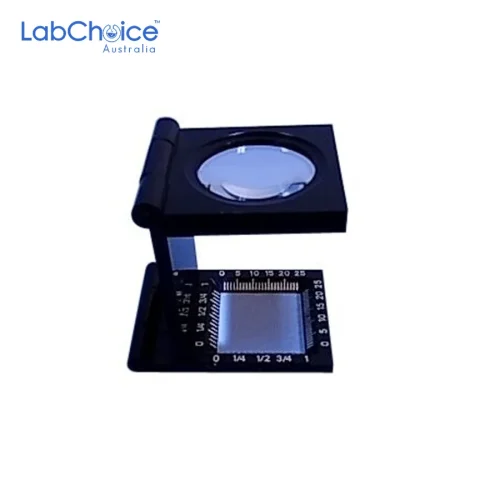
Folding Linen Tester Magnifier, 5.5×, 30 mm
AUD 12.50(Ex GST)
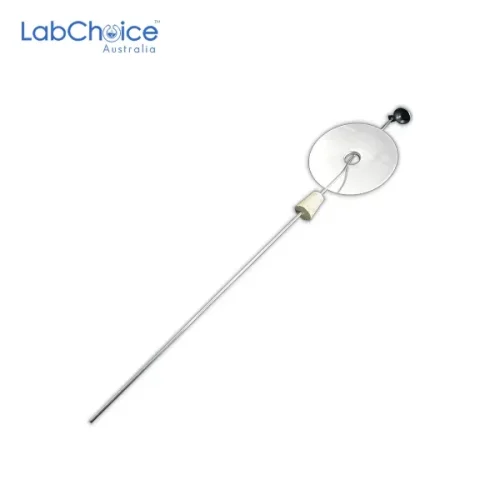
Deflagrating Spoons with Aluminium Cap
From AUD 16.50 (Ex GST)

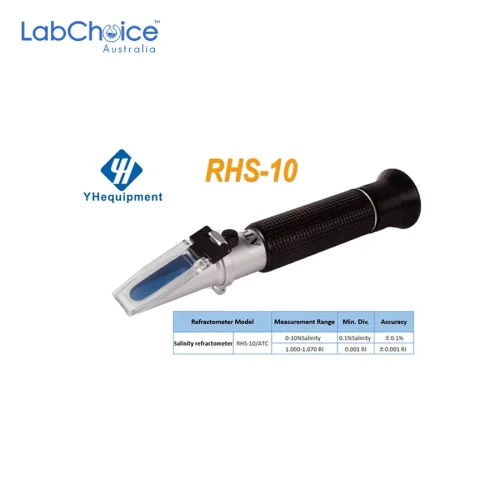
Handheld Salinity Refractometer, 0 to 10%, ATC
AUD 99.90(Ex GST)
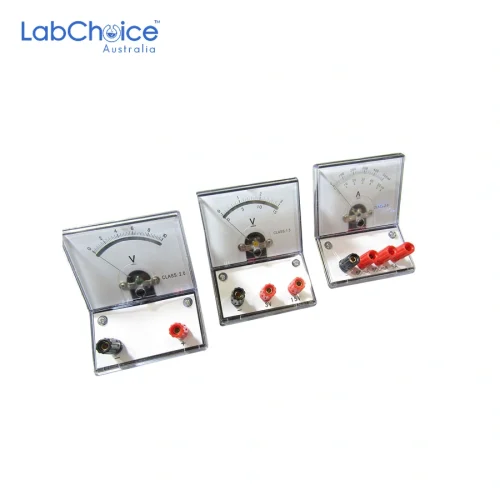
Centre Zero Student Volt Meter, Dual Range Galvanometer Type
AUD 43.90(Ex GST)
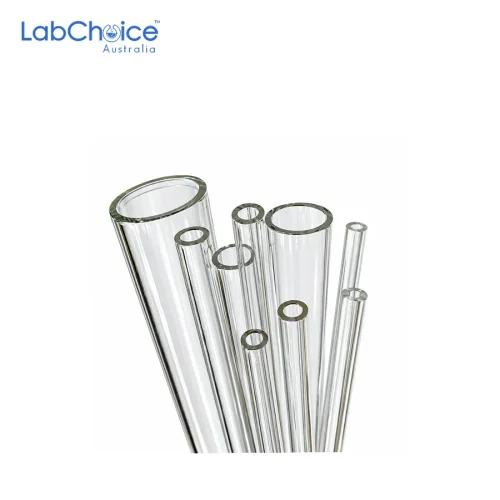
Glass Blowing Tube, BORO 3.3, 18 mm OD with 1.8 mm Wall Thickness
From AUD 28.90 (Ex GST)
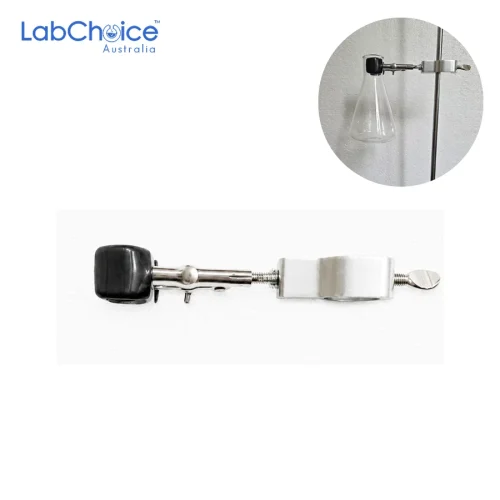
Flask Holder Clamp with Boss head
AUD 22.90(Ex GST)
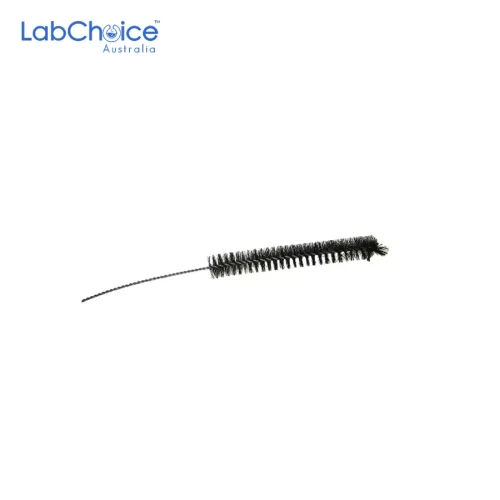
Burette Cleaning Brush for Laboratory Glassware
From AUD 12.90 (Ex GST)
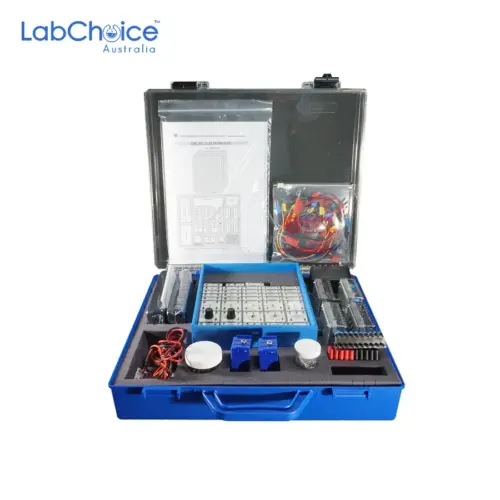
Basic Electronics Kit with Links and Signal Generator
AUD 1,153.50(Ex GST)

Micro Tray Block
From AUD 308.00 (Ex GST)
You May Also Need
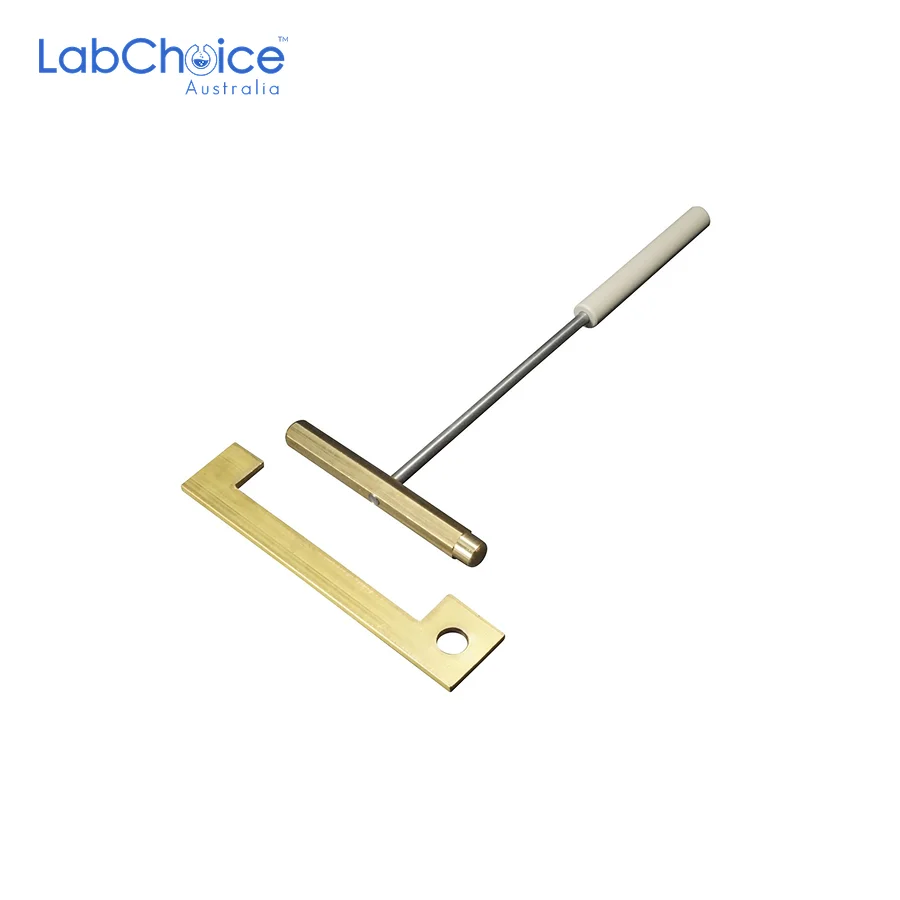
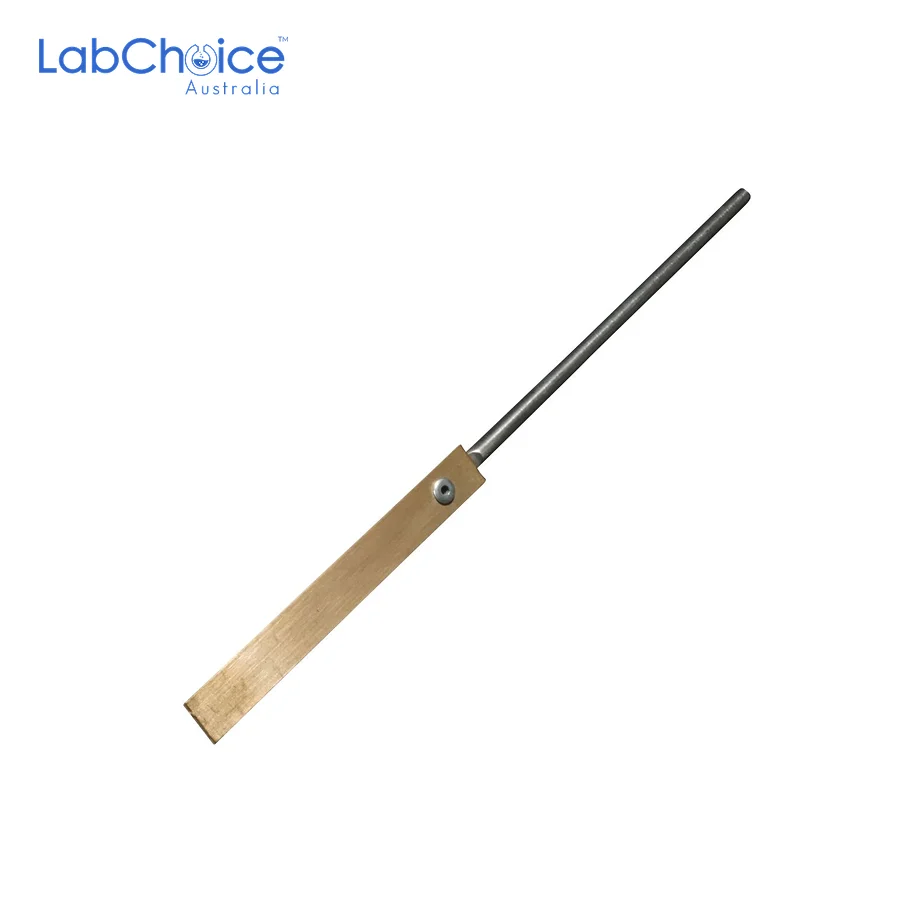
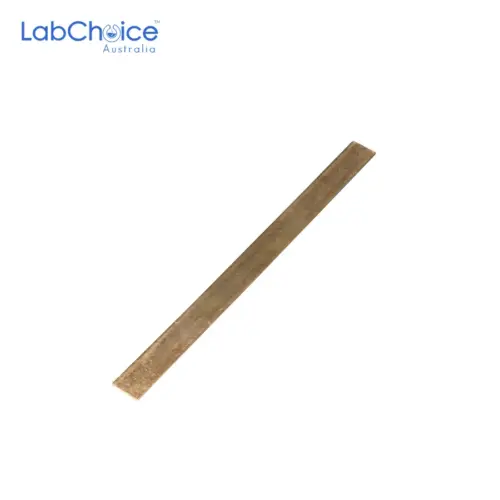
Brass Bar and Gauge Apparatus with Insulating Handle
AUD 47.50(Ex GST)
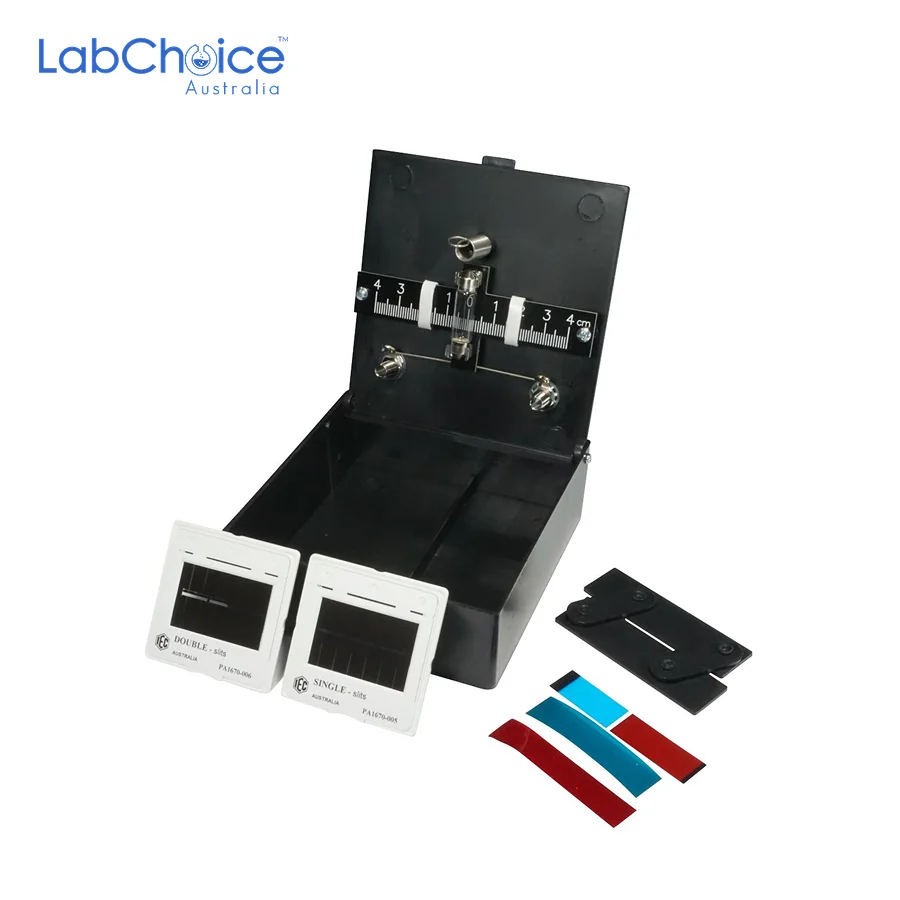
Complete Diffraction Kit with Slits and Colour Filters
AUD 78.50(Ex GST)
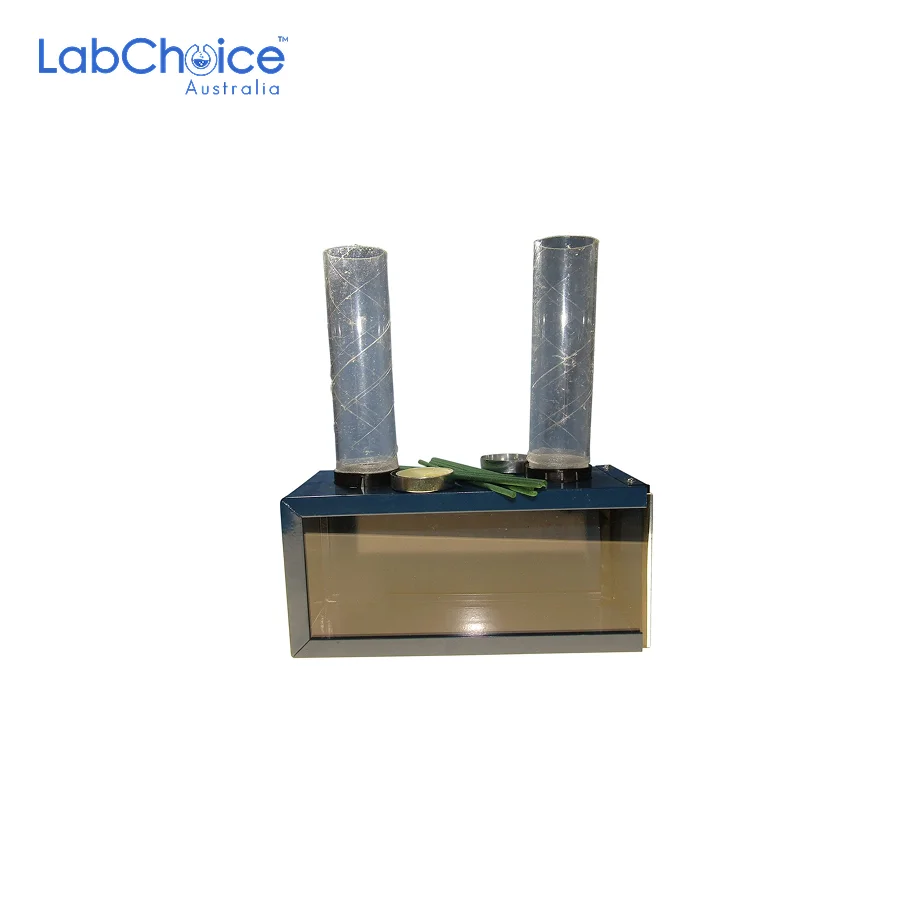
Convection in Air Apparatus with Chimneys
AUD 72.50(Ex GST)
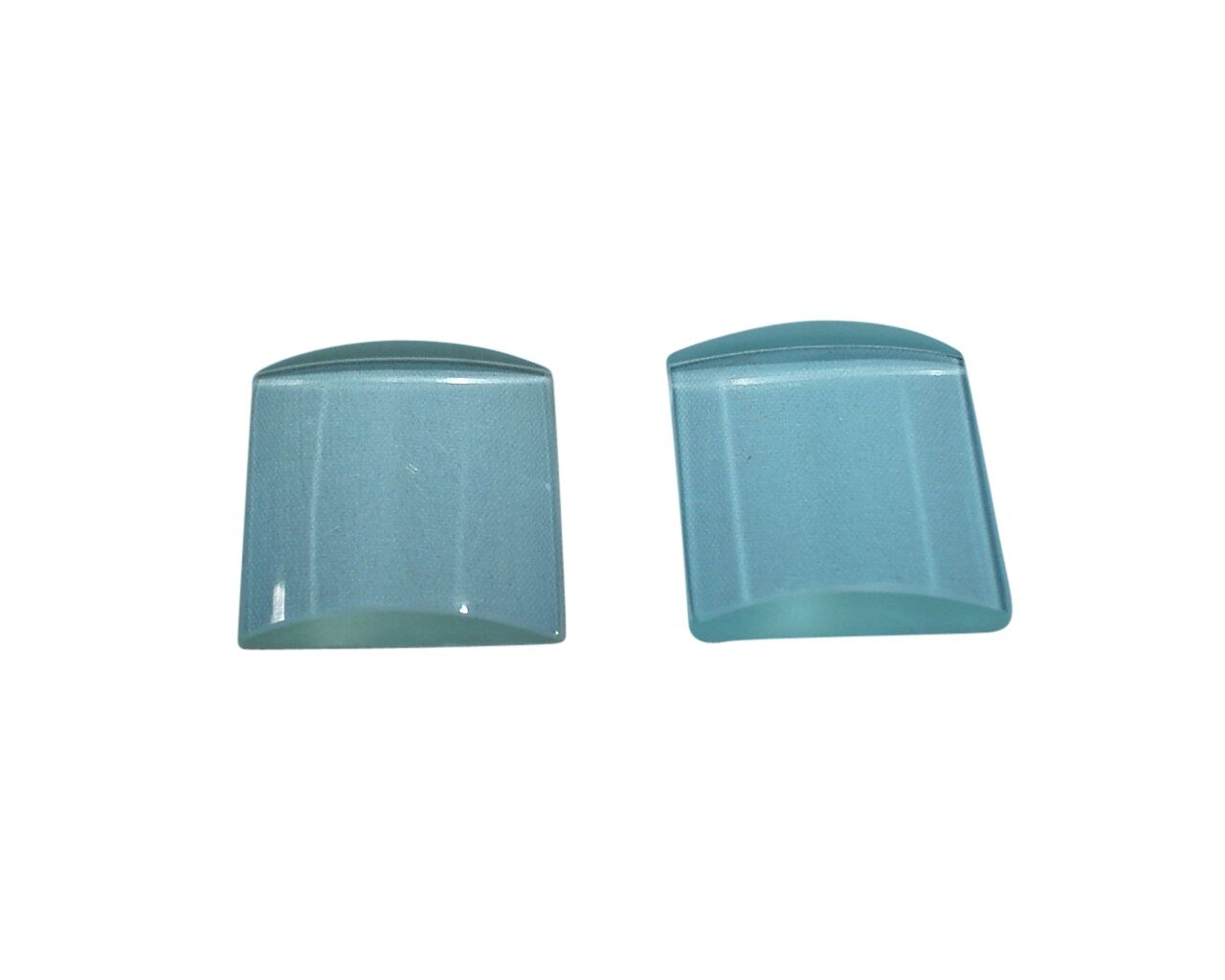
Cylindrical Lenses, Plano Concave and Plano Convex Optics
From AUD 29.90 (Ex GST)
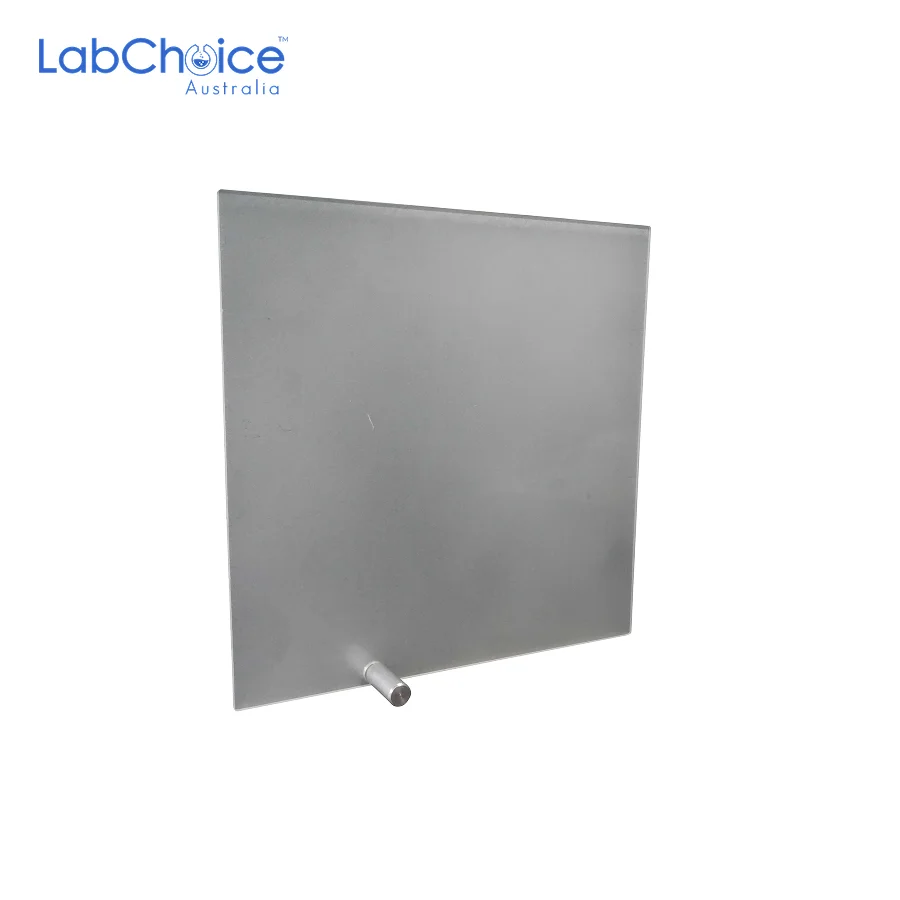
Frosted Acrylic Projection Screen with Feet
AUD 33.90(Ex GST)
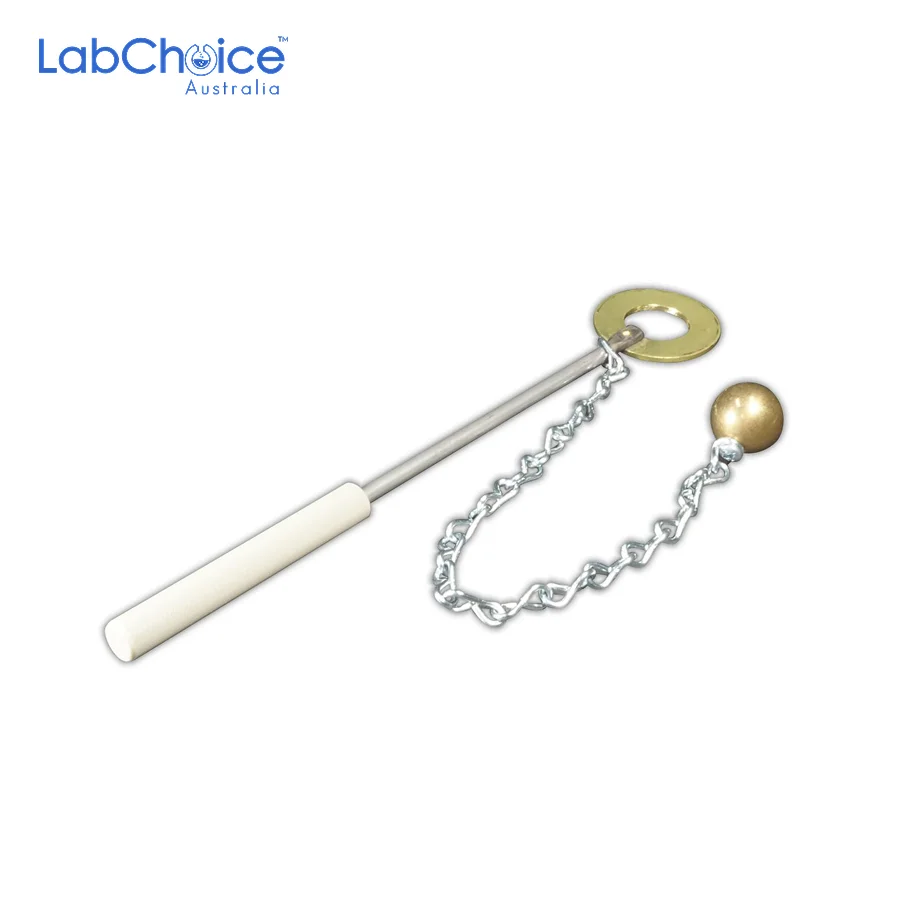
Gravesande’s Brass Ball and Ring Apparatus
AUD 39.90(Ex GST)
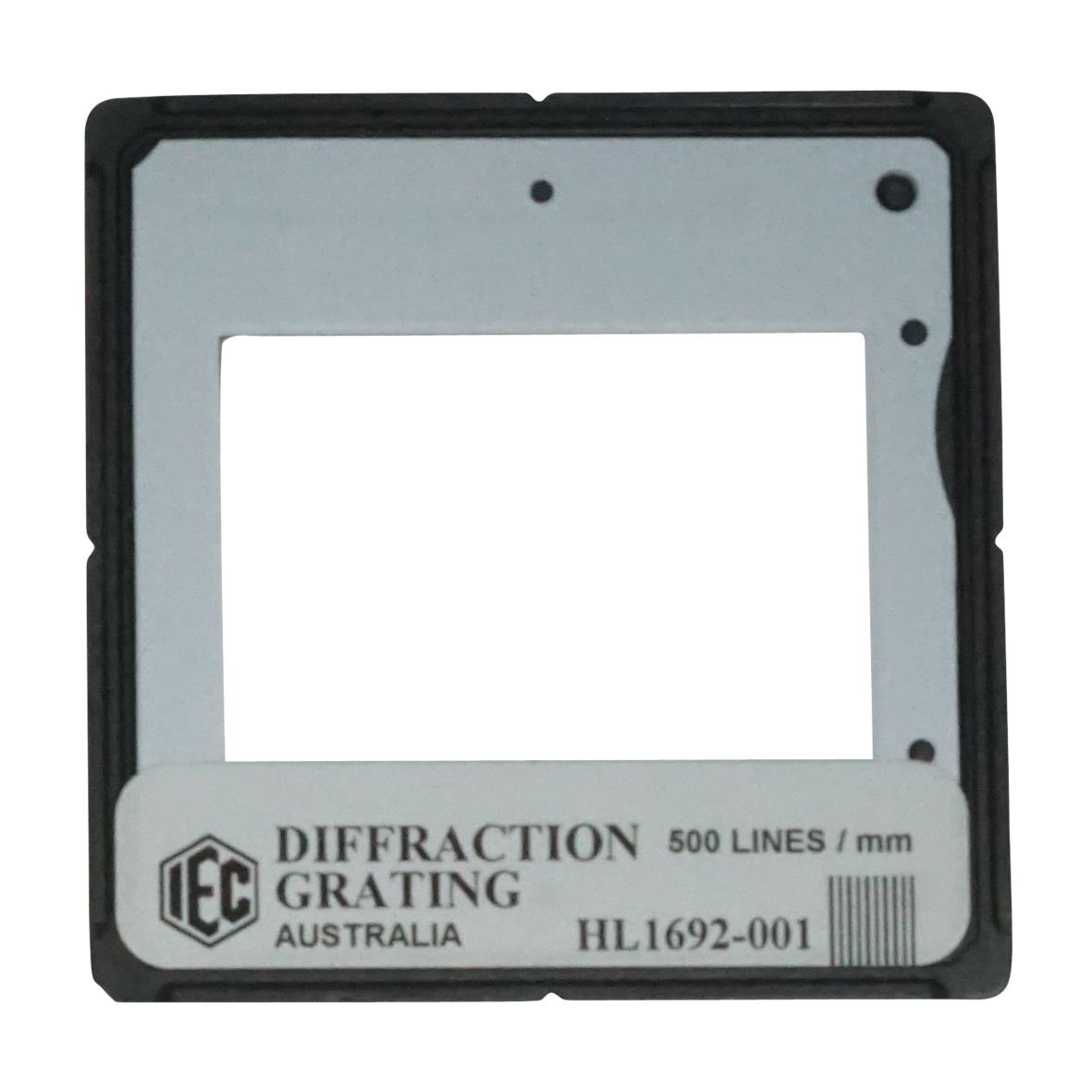
Holographic Diffraction Gratings
From AUD 12.50 (Ex GST)
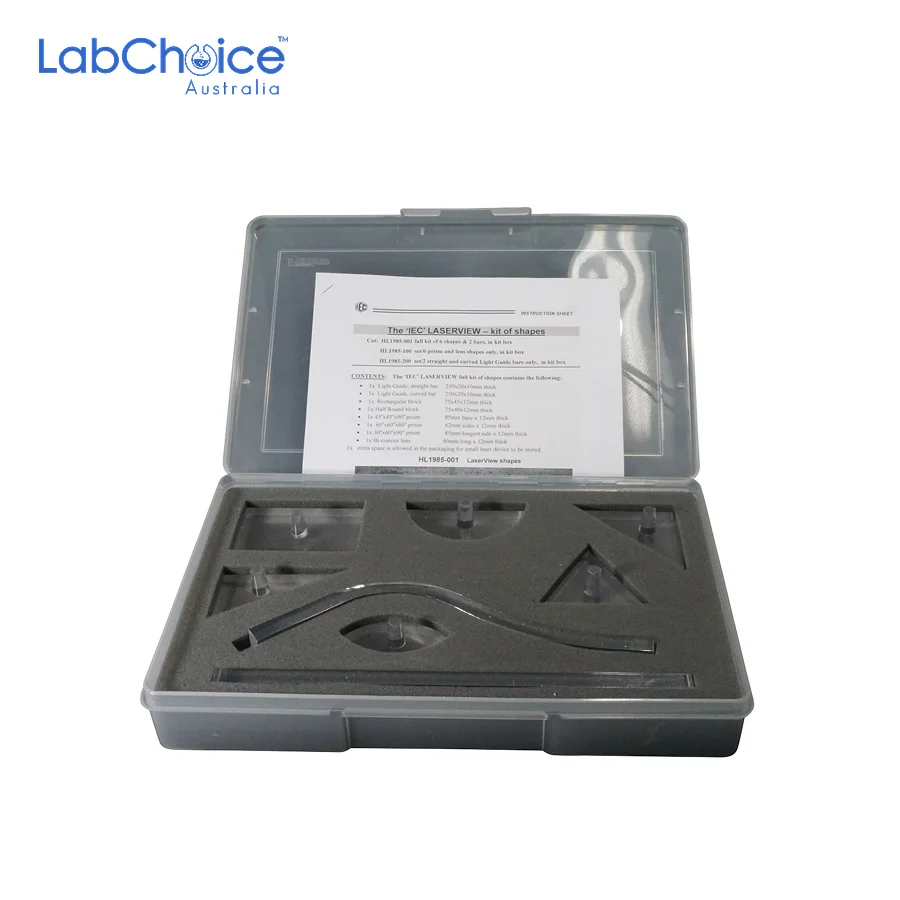
Laser View Kit and Part Sets for Optical Fibre
From AUD 103.50 (Ex GST)
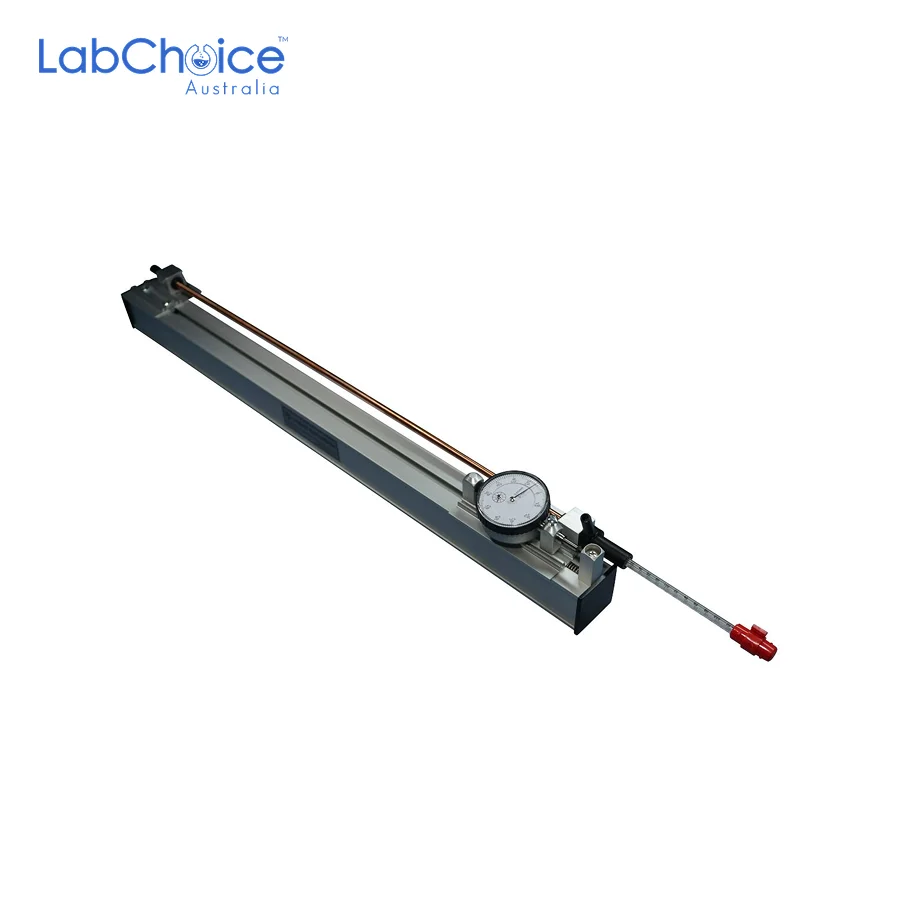
Linear Expansion Apparatus with Steam and Dial Indicator
AUD 322.50(Ex GST)
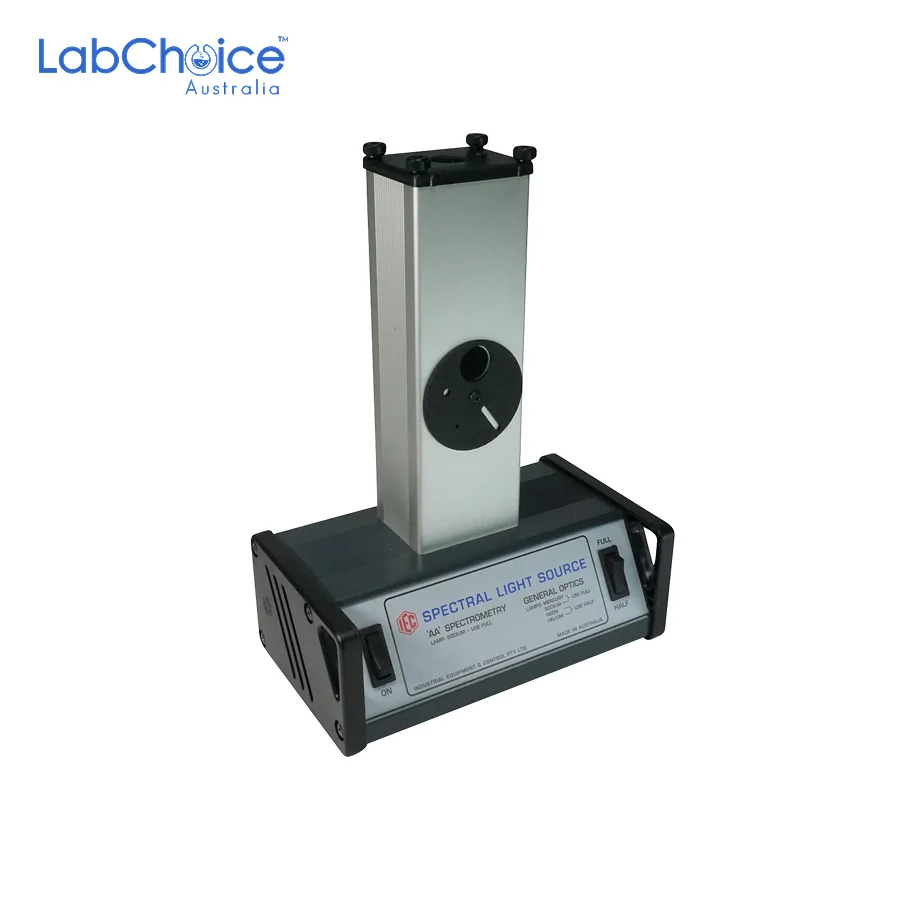
Mini Spectral Lamp Power Supply and Holder, Without Lamp
AUD 435.90(Ex GST)
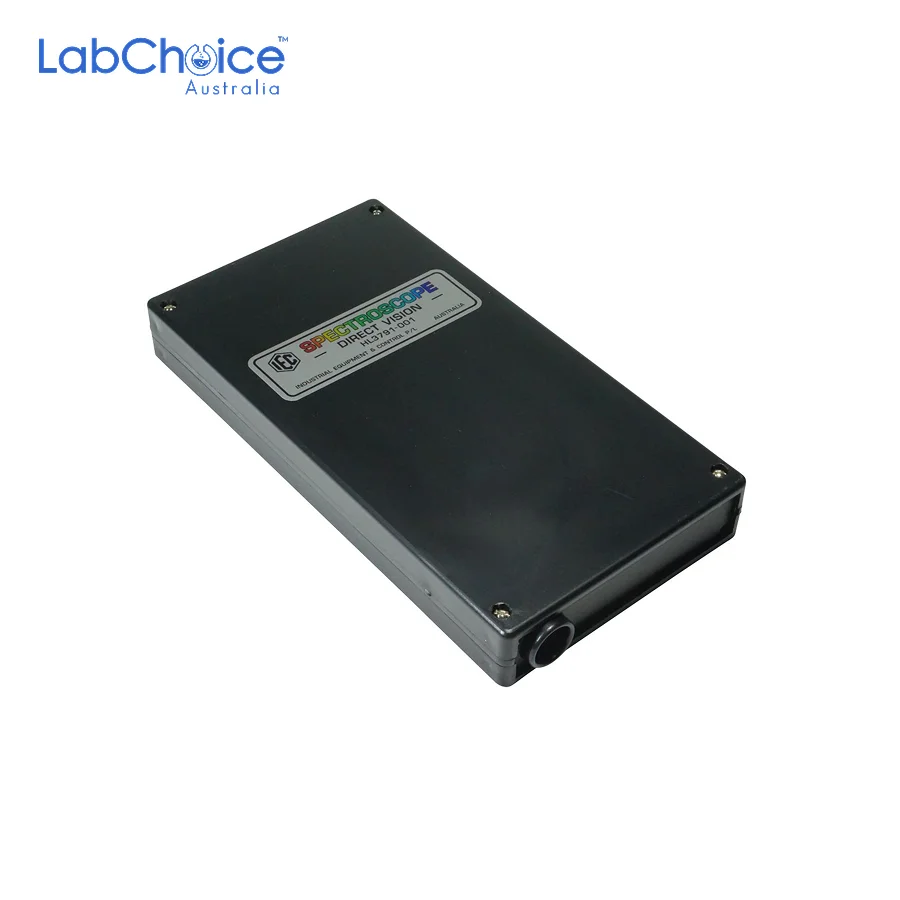
Plastic Spectroscope with Calibration Scale and Adjustable Slit
AUD 68.50(Ex GST)
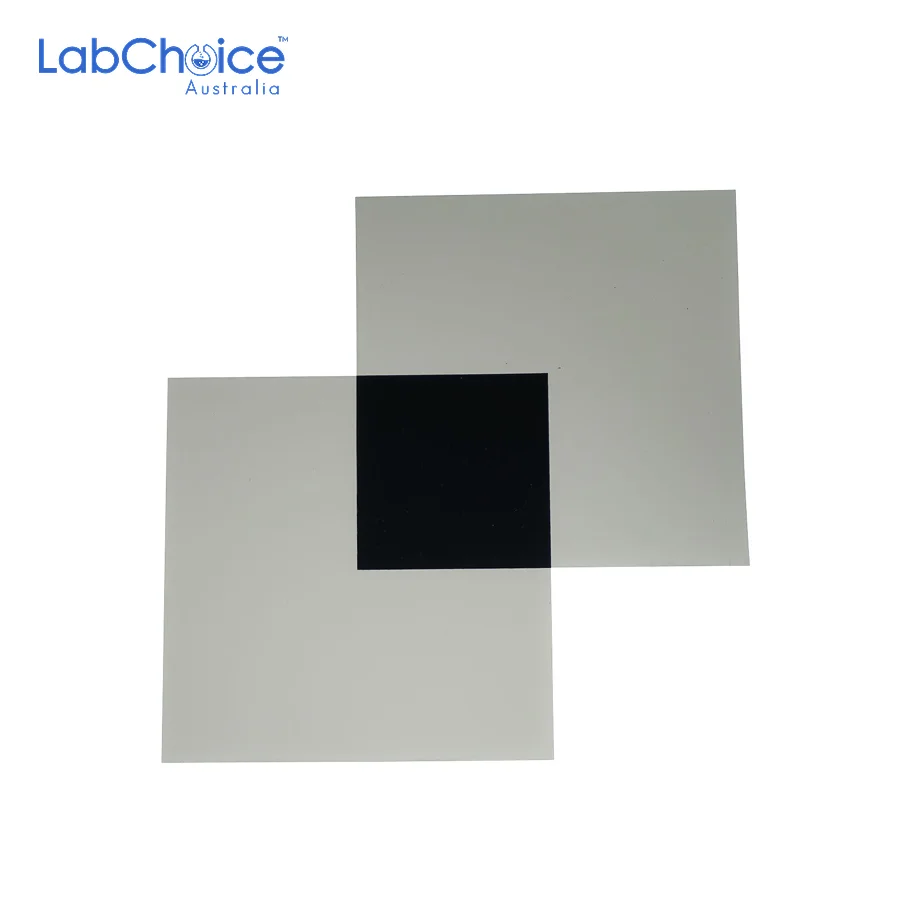
Polaroid Filter Pairs, 50 × 50 mm to 100 × 100 mm
From AUD 22.50 (Ex GST)
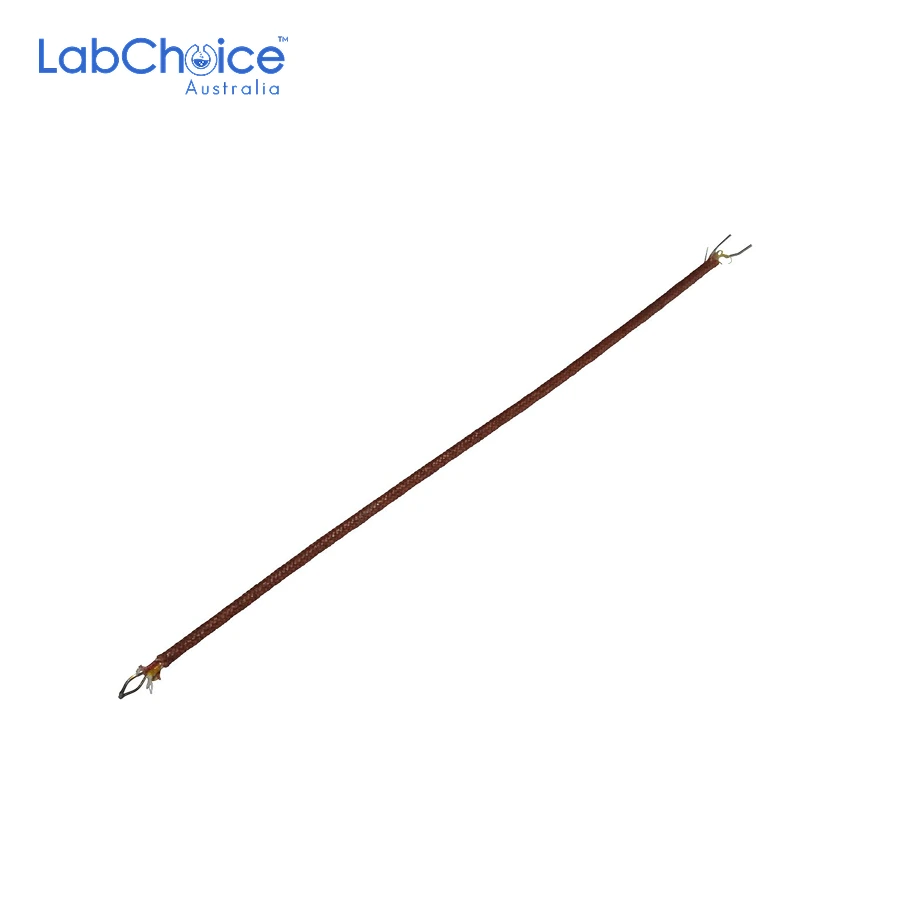
Simple Copper–Constantan Thermocouple for Temperature Measurement
AUD 9.90(Ex GST)
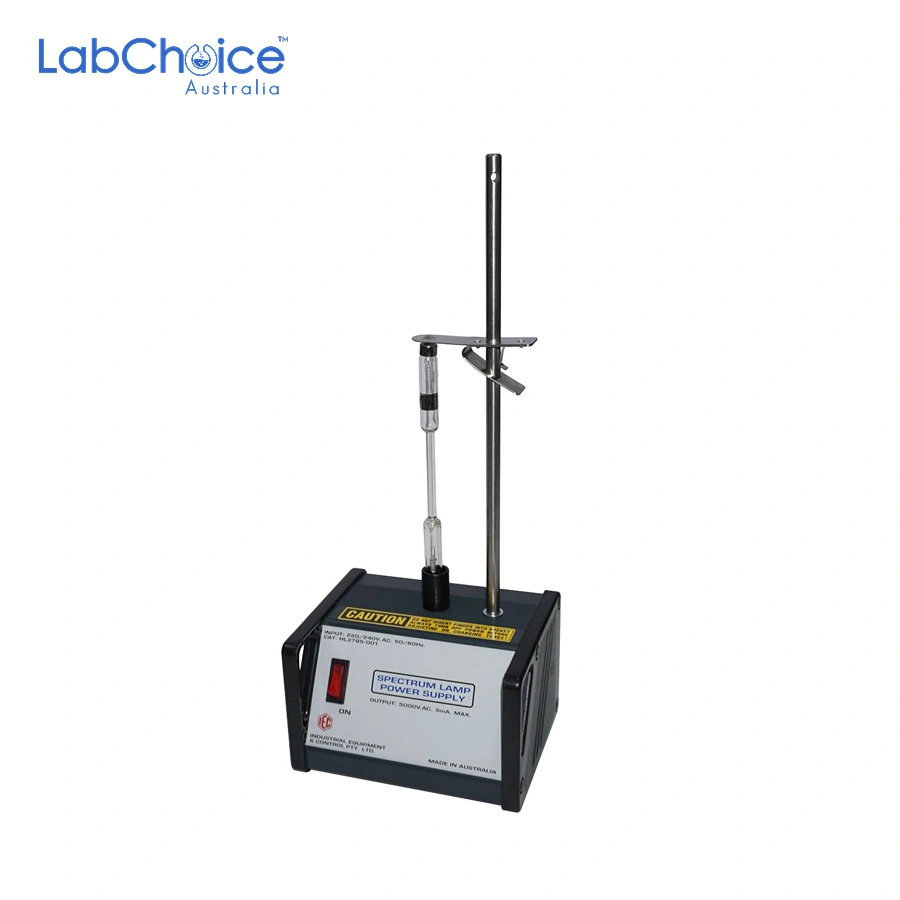
Spectrum Tube EHV Unit and Tube Support, Without Tubes
AUD 422.50(Ex GST)
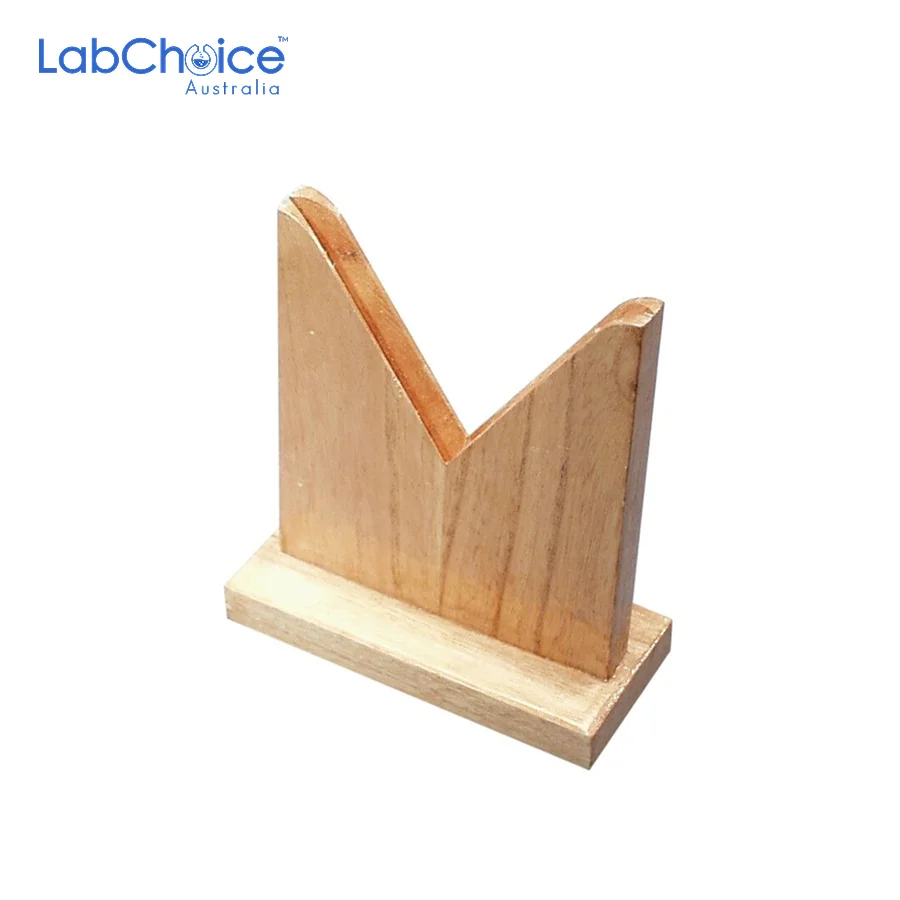
Wooden V-Groove Lens and Mirror Holders, 50 mm and 75 mm
From AUD 6.90 (Ex GST)
Recently Viewed Products
SELECT OPTIONS
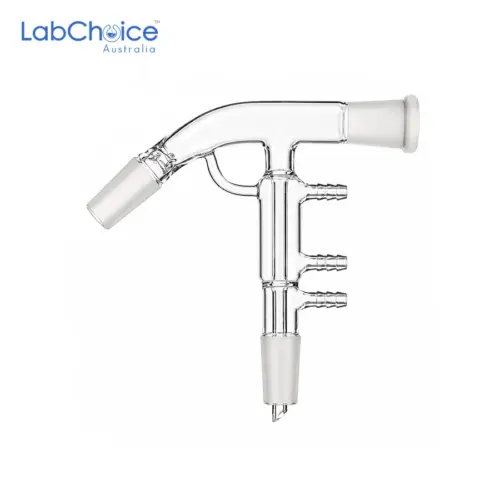
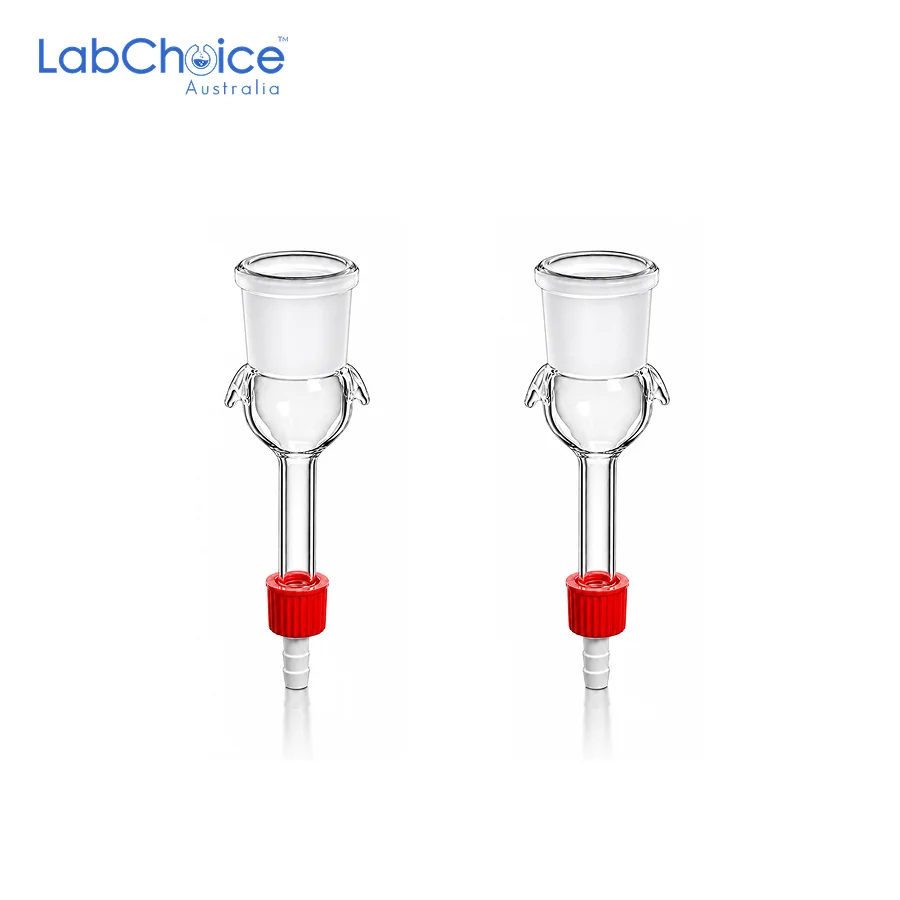
Short Path Distillation Heads BORO 3.3
AUD 78.90(Ex GST)
SELECT OPTIONS
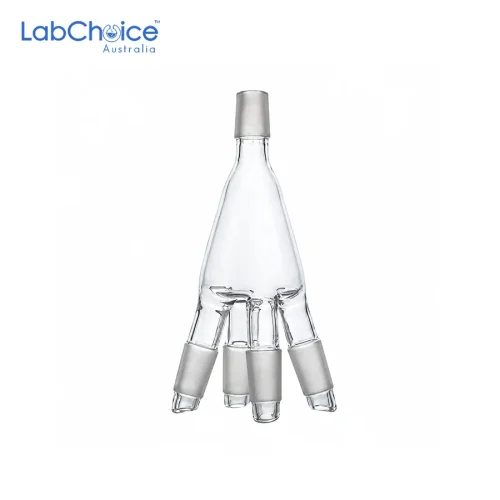
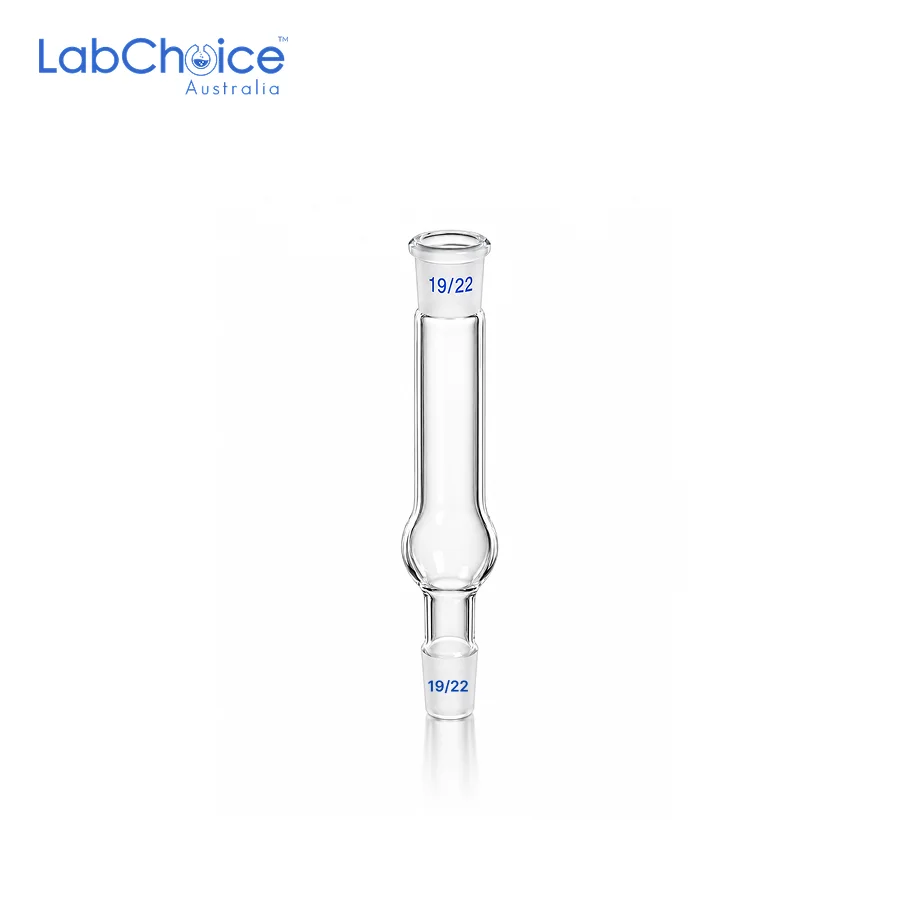
Cow Distillation Adapter Borosilicate Glass
From AUD 29.90 (Ex GST)
SELECT OPTIONS
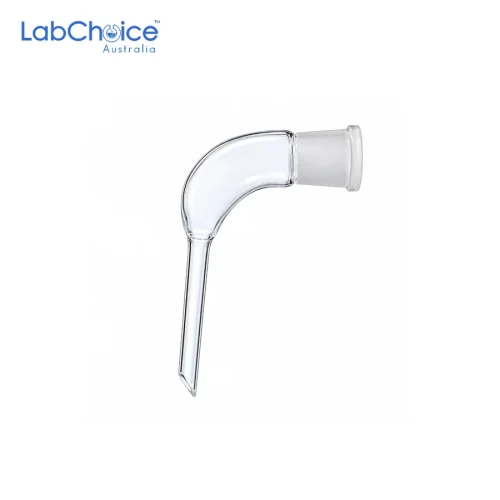
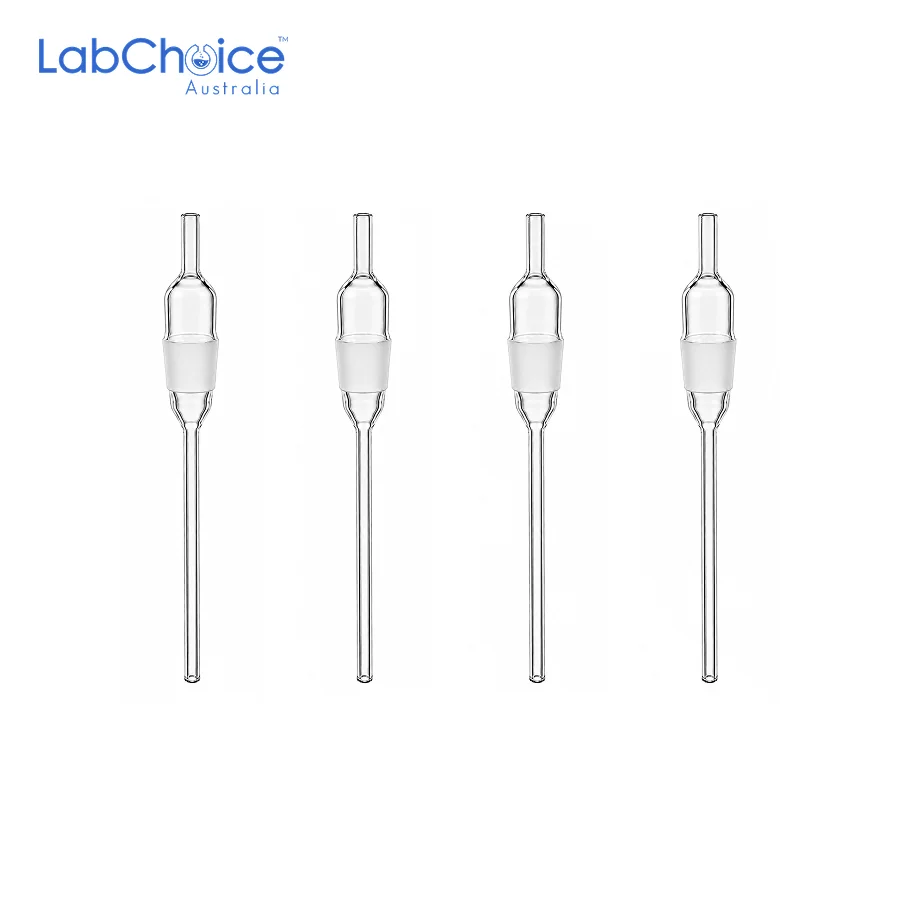
Receiver Delivery Adapter Short Stem BORO 3.3 Glass Laboratory Grade
From AUD 10.50 (Ex GST)
SELECT OPTIONS
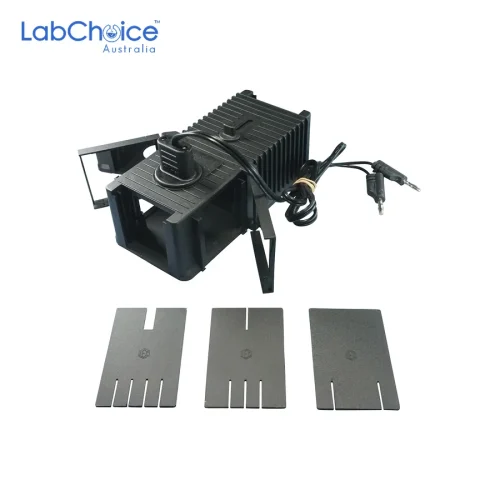
Light Box with Collimating Lens and Slit Formers
AUD 89.90(Ex GST)
SELECT OPTIONS
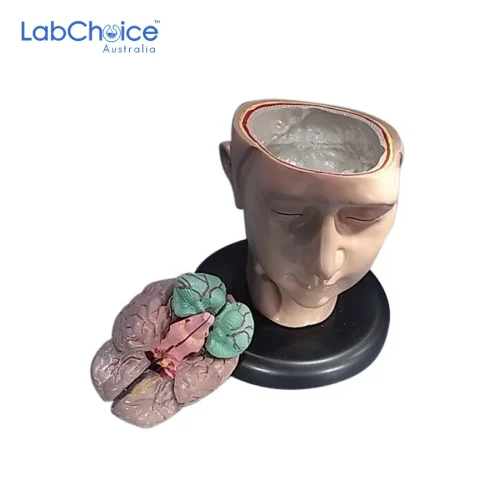
Biological Head Model on Base with Neck and Brain
AUD 186.90(Ex GST)
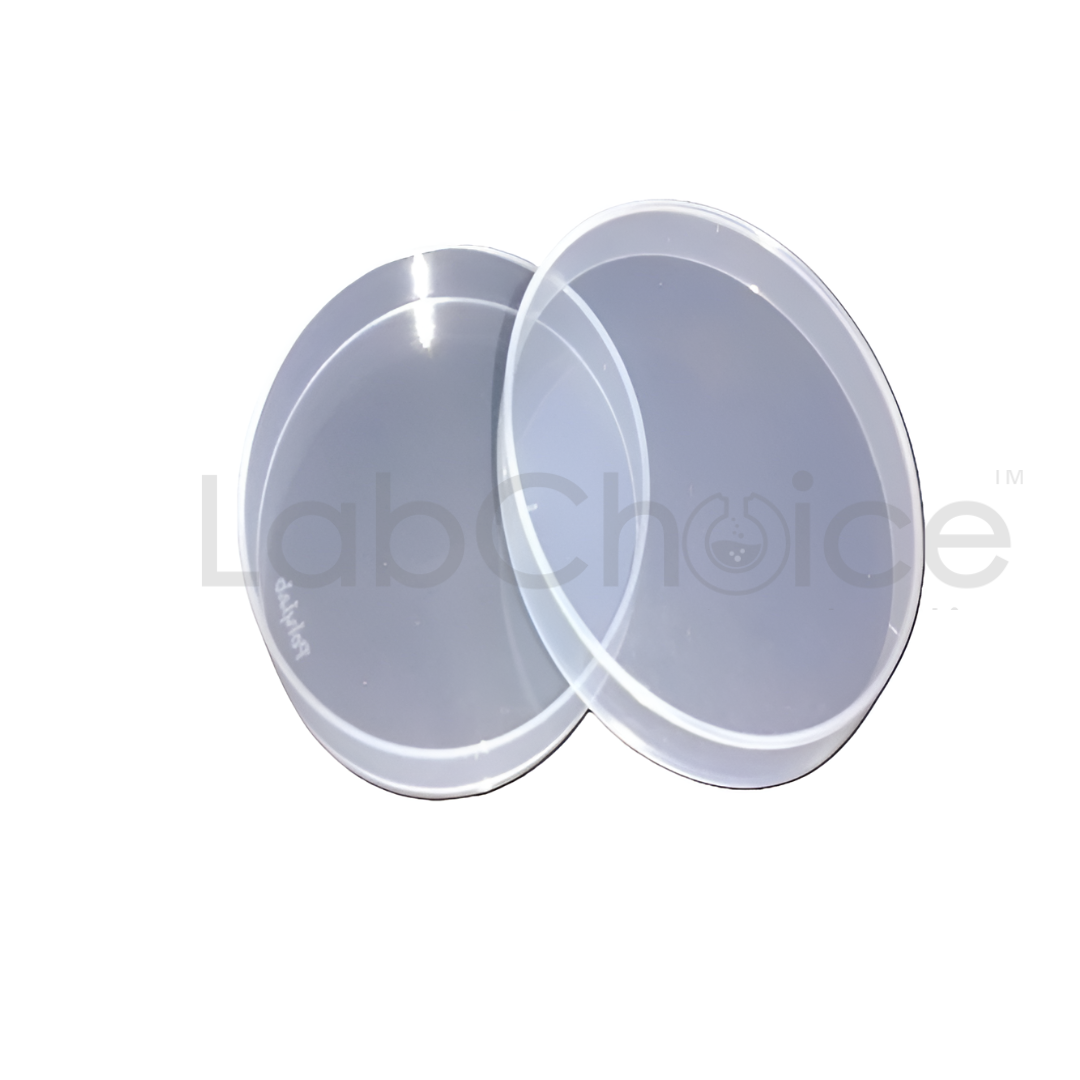
Petri Dishes, Polypropylene, Autoclavable & Reusable, High Quality
From AUD 1.20 (Ex GST)

Stirring Rods, Rounded Ends, Laboratory Grade, Borosilicate Glass (BORO 3.3)
From AUD 0.95 (Ex GST)
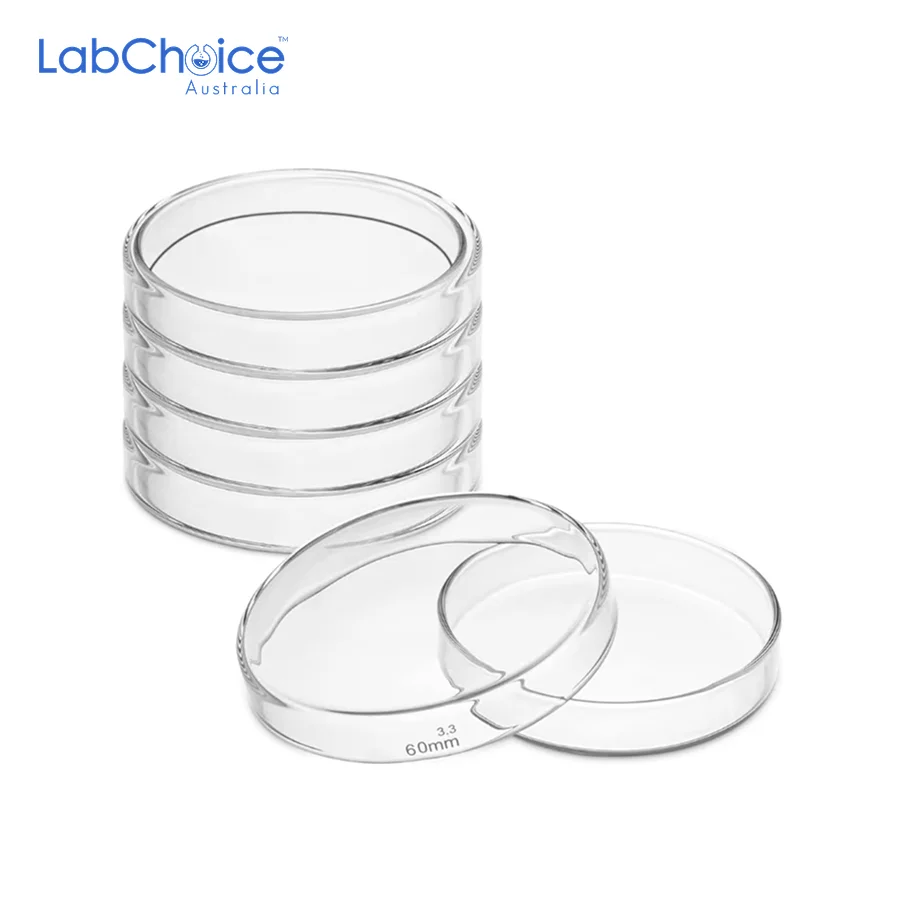

Glass Petri Dishes with Lid, Autoclavable, Borosilicate Glass (BORO 3.3)
From AUD 3.90 (Ex GST)

⭐⭐⭐⭐⭐
We ordered a set of customised BORO 3.3 borosilicate glassware for our teaching labs, and LabChoice Australia exceeded every expectation. From the first consultation to final delivery, their team listened carefully, offered expert advice, and ensured every piece matched our specifications perfectly.
The clarity and precision of the glassware are exceptional, and the quick turnaround made setup effortless. It’s refreshing to work with an Australian supplier who genuinely understands laboratory needs and takes pride in quality craftsmanship. We’ll definitely be returning to LabChoice for future glassware requirements
⭐⭐⭐⭐⭐
Our lab required high-precision BORO 3.3 glassware for analytical testing, and LabChoice Australia delivered outstanding results. The ordering process was simple, communication was clear, and every beaker and flask arrived perfectly calibrated and ready for use.
The quality of the glass is exceptional — resistant to heat, easy to clean, and consistently accurate in measurement. It’s reassuring to know there’s an Australian supplier that combines scientific precision with genuine customer care. I’d recommend LabChoice to any research team looking for dependable labware
⭐⭐⭐⭐⭐
We needed a set of customised borosilicate glassware for a specialised project, and LabChoice Australia delivered exactly what we envisioned. The team worked closely with us from design to production, ensuring every detail met our specifications. The craftsmanship is exceptional, and the turnaround time was impressive. It’s reassuring to know we can rely on them for unique, made-to-order pieces
⭐⭐⭐⭐⭐
LabChoice Australia has completely changed the way we source our lab glassware. The quality is consistently top-notch, and every piece meets the precision we need for reliable results. Their team knows their stuff, answers our questions quickly, and always goes the extra mile to help — they’re more like partners than just a supplier.
⭐⭐⭐⭐⭐
We trust LabChoice Australia because they deliver every time. Their borosilicate glassware is durable, accurate, and perfect for the high-heat work we do. Everything arrives well-packed with clear specs, so there are never surprises. It’s reassuring to deal with a supplier who understands both compliance and the demands of a busy lab