






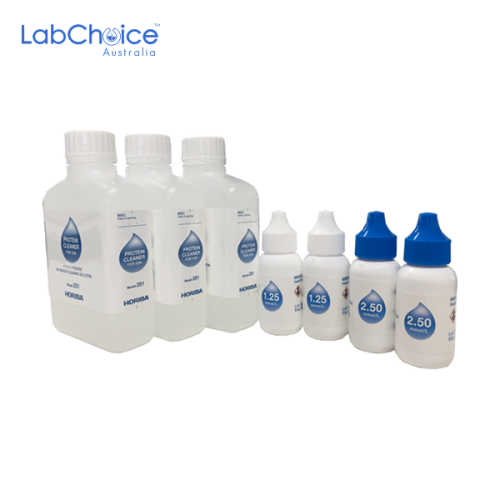
Solution Kit, Calcium Ion Calibration and Cleaning Set
AUD 918.50(Ex GST)
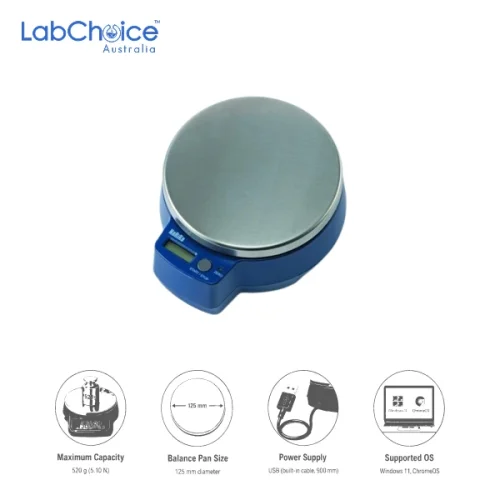
USB Mass Sensor SUGU-M, 520 g Capacity
AUD 415.00(Ex GST)
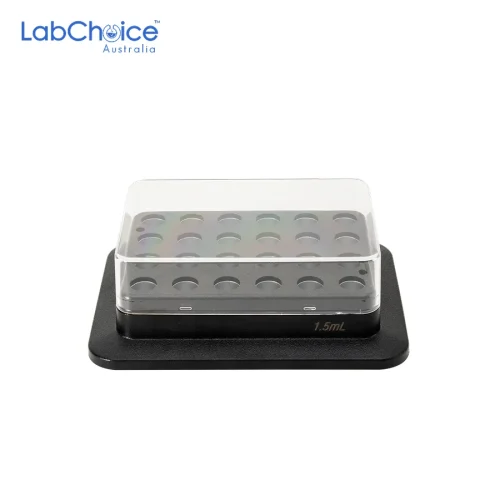
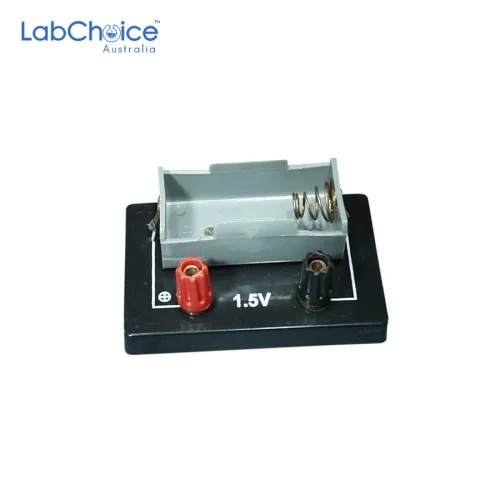
Battery Holders for D Cells with 4 mm Terminals
From AUD 11.50 (Ex GST)
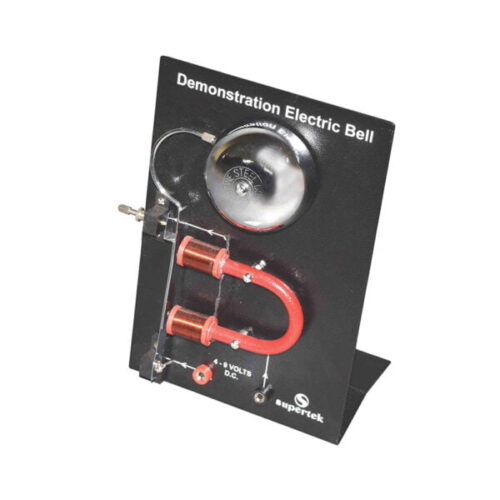
Electric Bells for Demonstration, Visible Wiring Panel or 75 mm Double Coil Gong Bell
From AUD 36.50 (Ex GST)
Brass Thermometer Cases, Slot Front, Case Only
From AUD 28.90 (Ex GST)
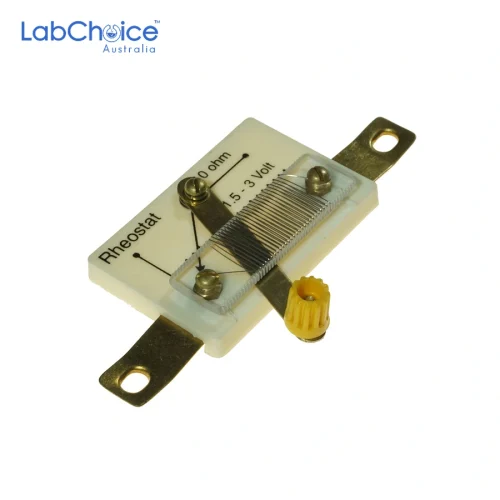
Circuit Board Rheostat, 10 Ohm, Spring Connect
AUD 19.90(Ex GST)
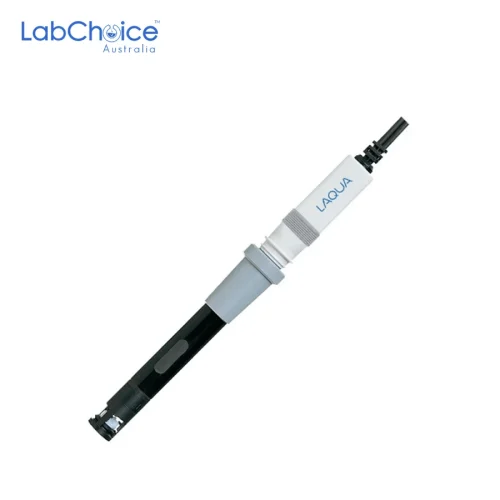
Dissolved Oxygen Electrode for BOD Measurement, Waterproof, 7544 DO Tip
AUD 1,385.00(Ex GST)
Trolley Accessories, Bin and Tub Laboratory Support Type
From AUD 24.90 (Ex GST)
You May Also Need
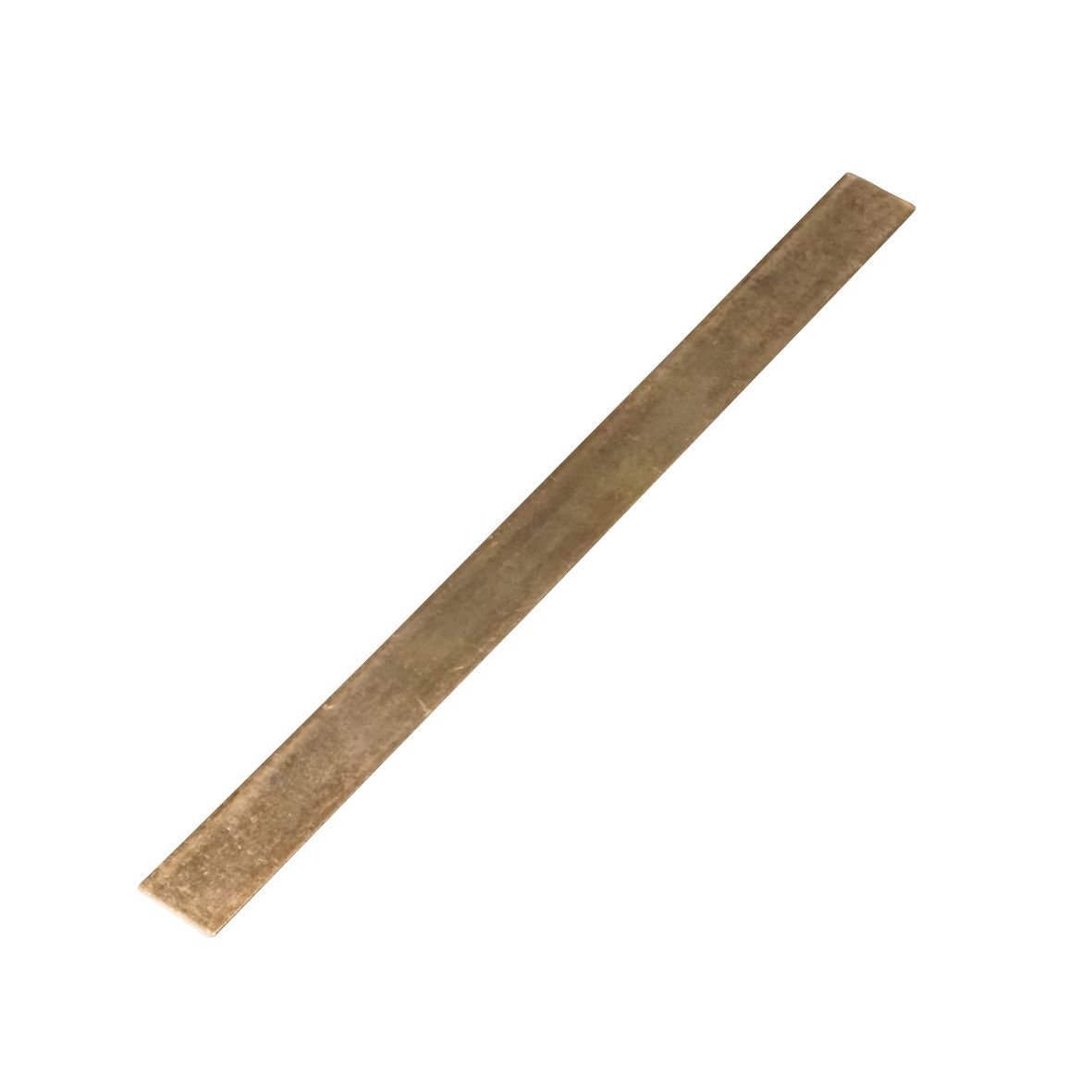
Bonded Compound Bar for Thermal Expansion
From AUD 9.90 (Ex GST)
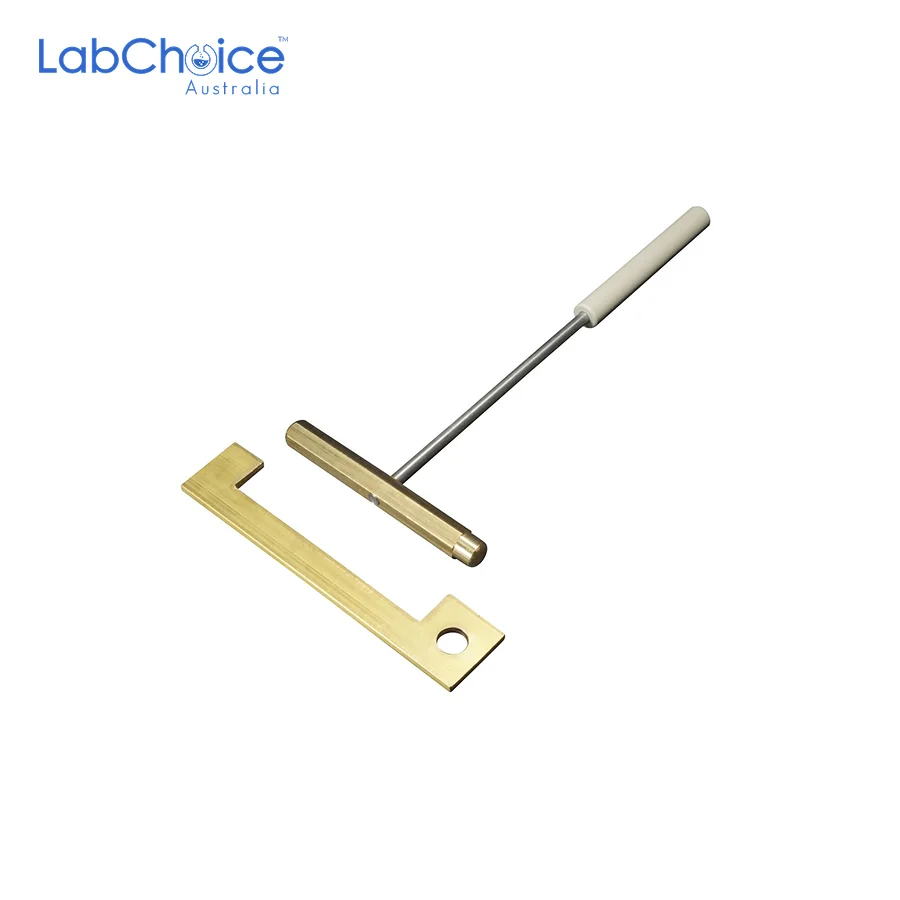
Brass Bar and Gauge Apparatus with Insulating Handle
AUD 47.50(Ex GST)
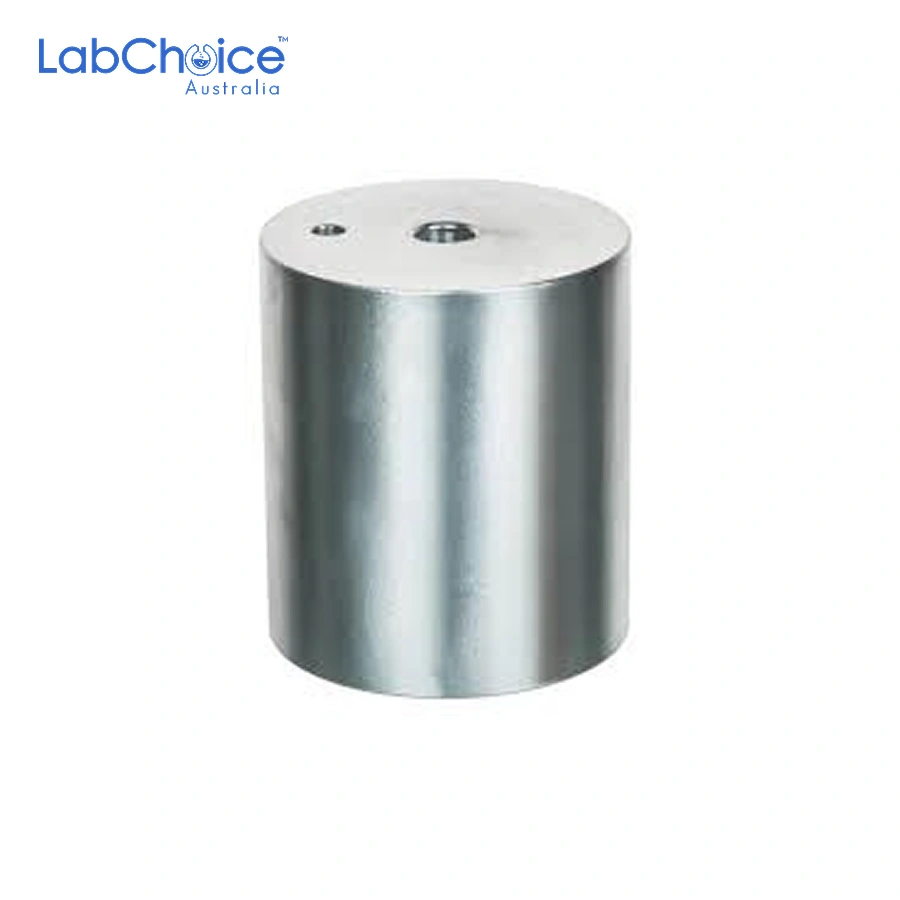
Calorimeter Heating Blocks, Educational Metal Block Set for Heat Studies
From AUD 62.50 (Ex GST)
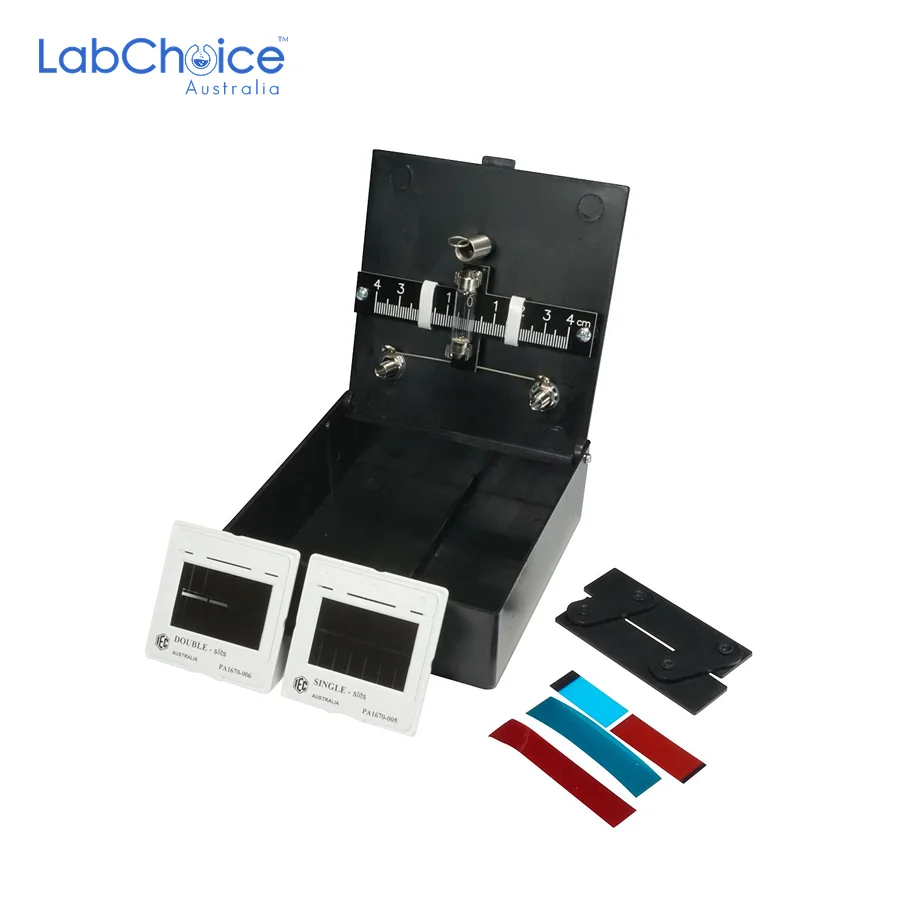
Complete Diffraction Kit with Slits and Colour Filters
AUD 78.50(Ex GST)
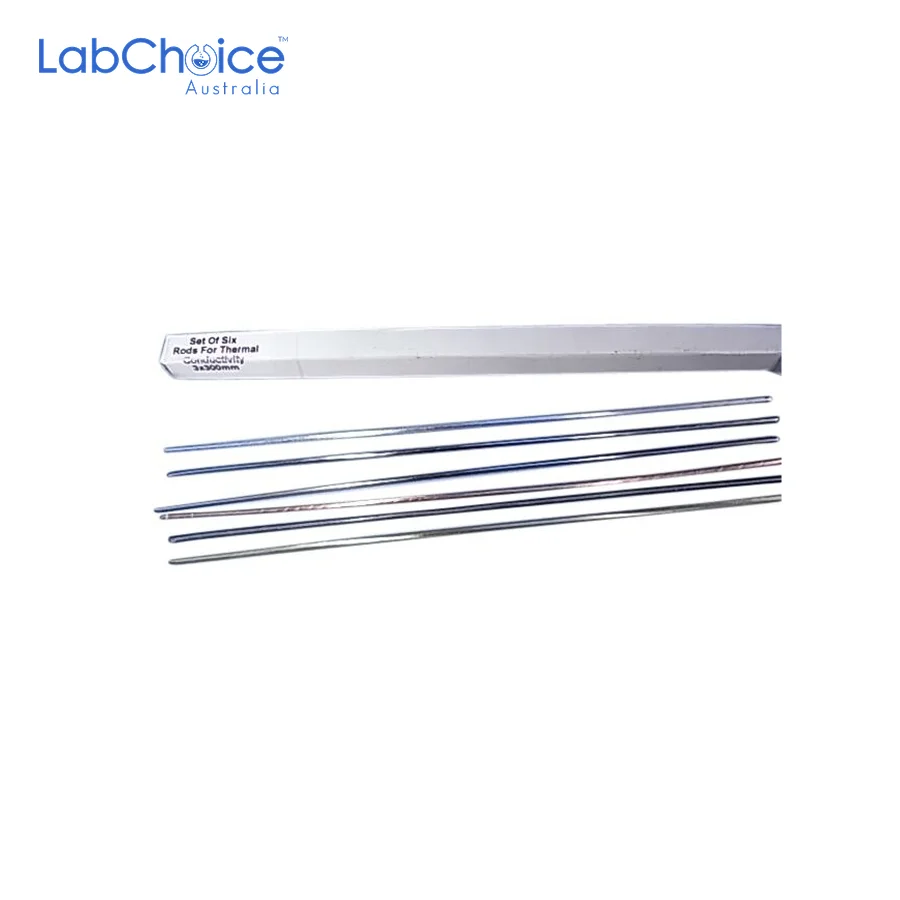
Conductivity Rods for Comparing Thermal Conductivity of Metals Set of 6
AUD 27.50(Ex GST)
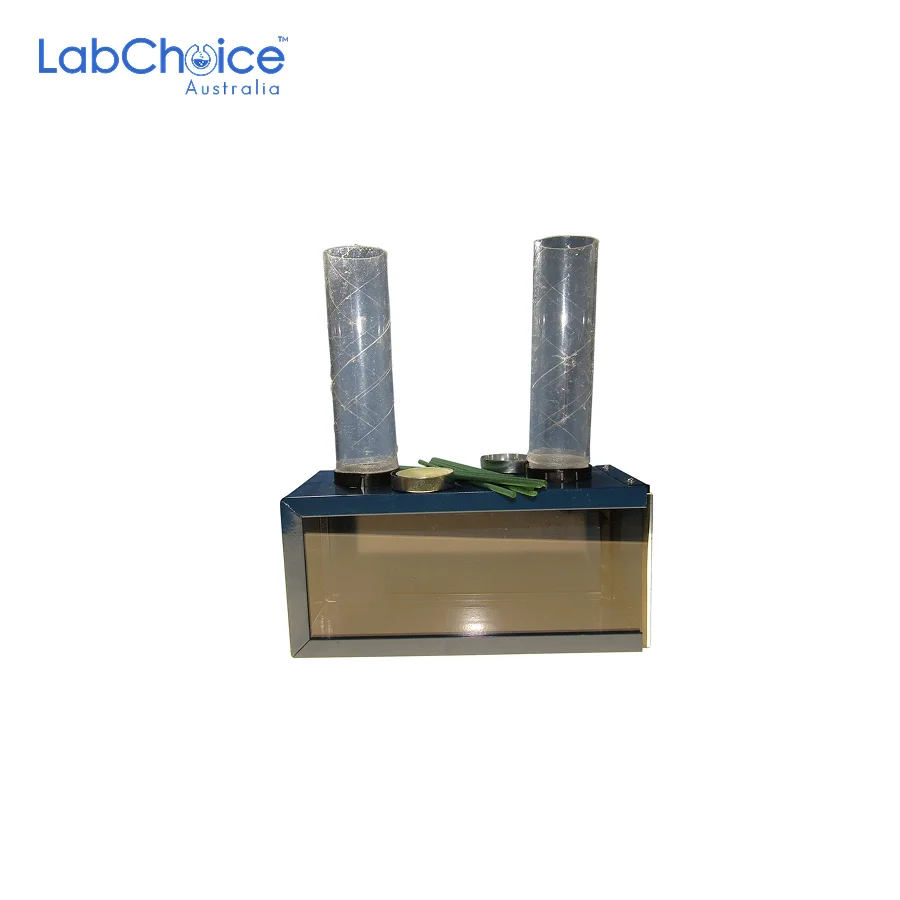
Convection in Air Apparatus with Chimneys
AUD 72.50(Ex GST)
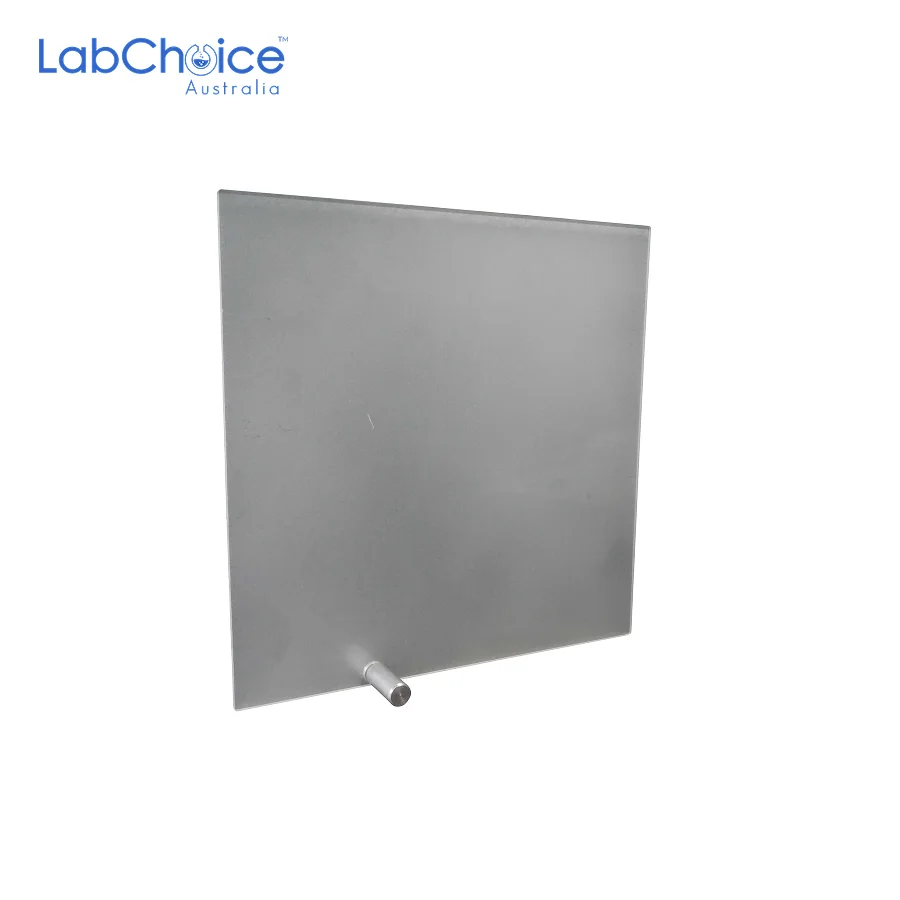
Frosted Acrylic Projection Screen with Feet
AUD 33.90(Ex GST)
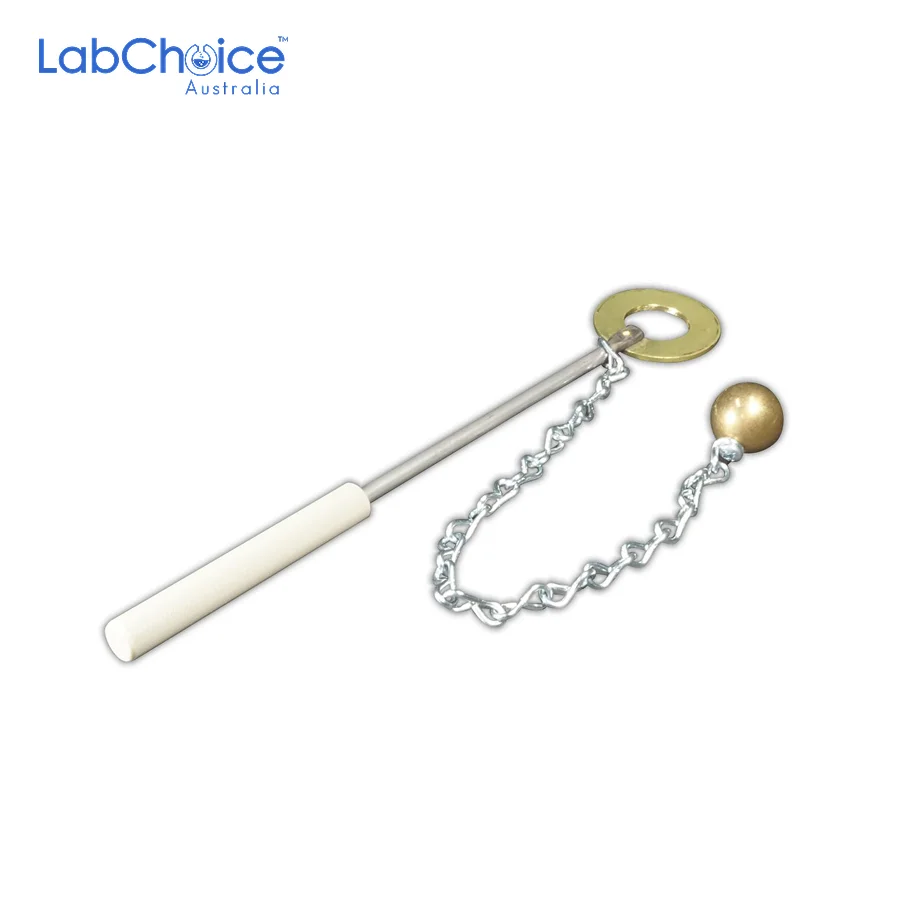
Gravesande’s Brass Ball and Ring Apparatus
AUD 39.90(Ex GST)
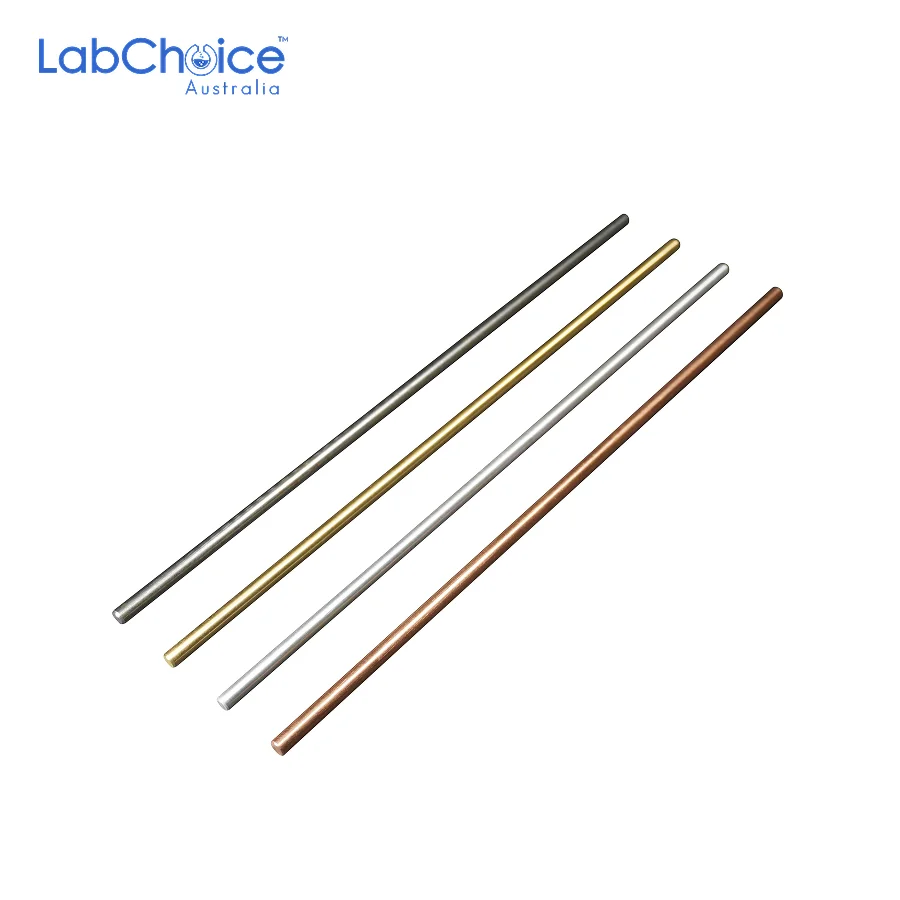
Heat Conductivity Rods, 300 × 6 mm, Individual Metals and Set of 4
From AUD 12.50 (Ex GST)
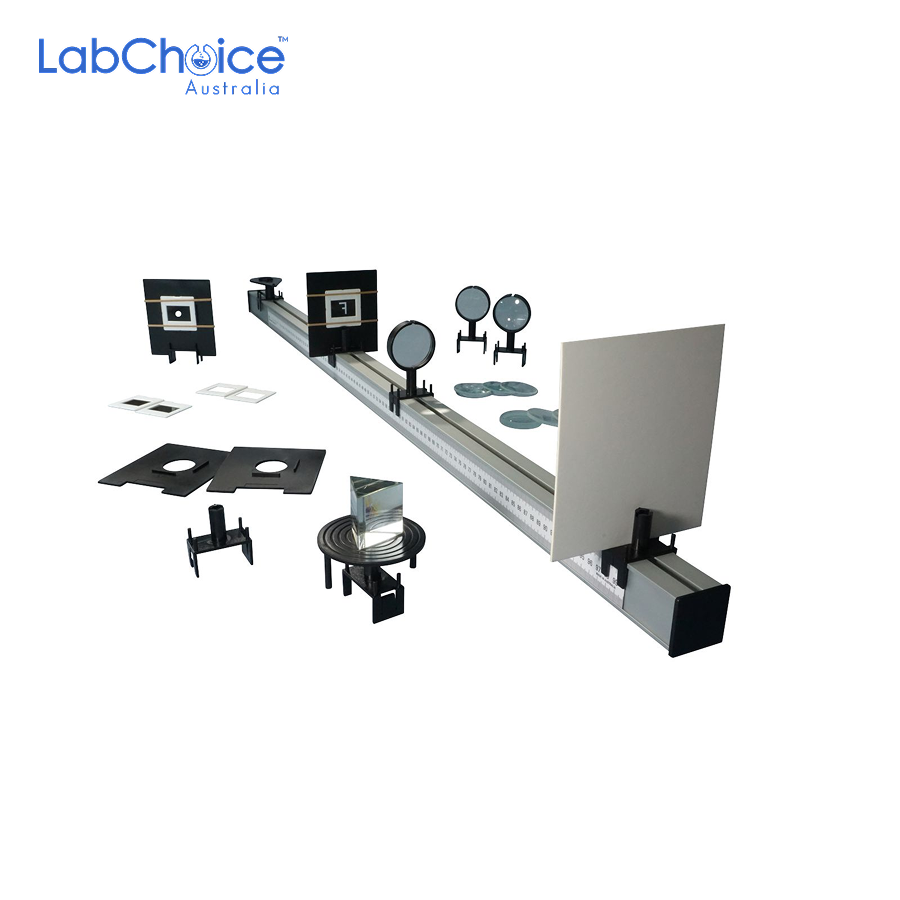
Hodson Optical Bench and Lens Kit
From AUD 247.90 (Ex GST)
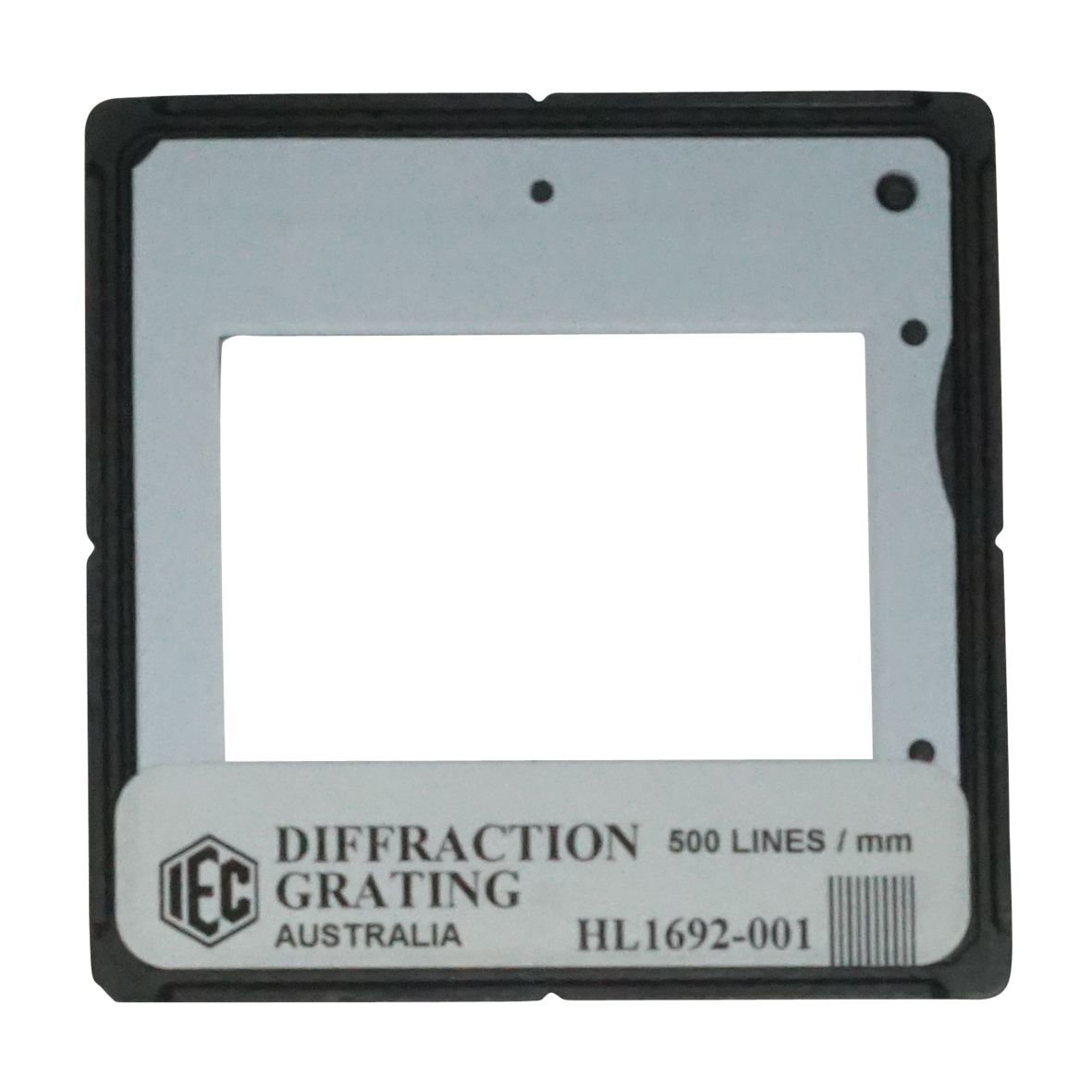
Holographic Diffraction Gratings
From AUD 12.50 (Ex GST)
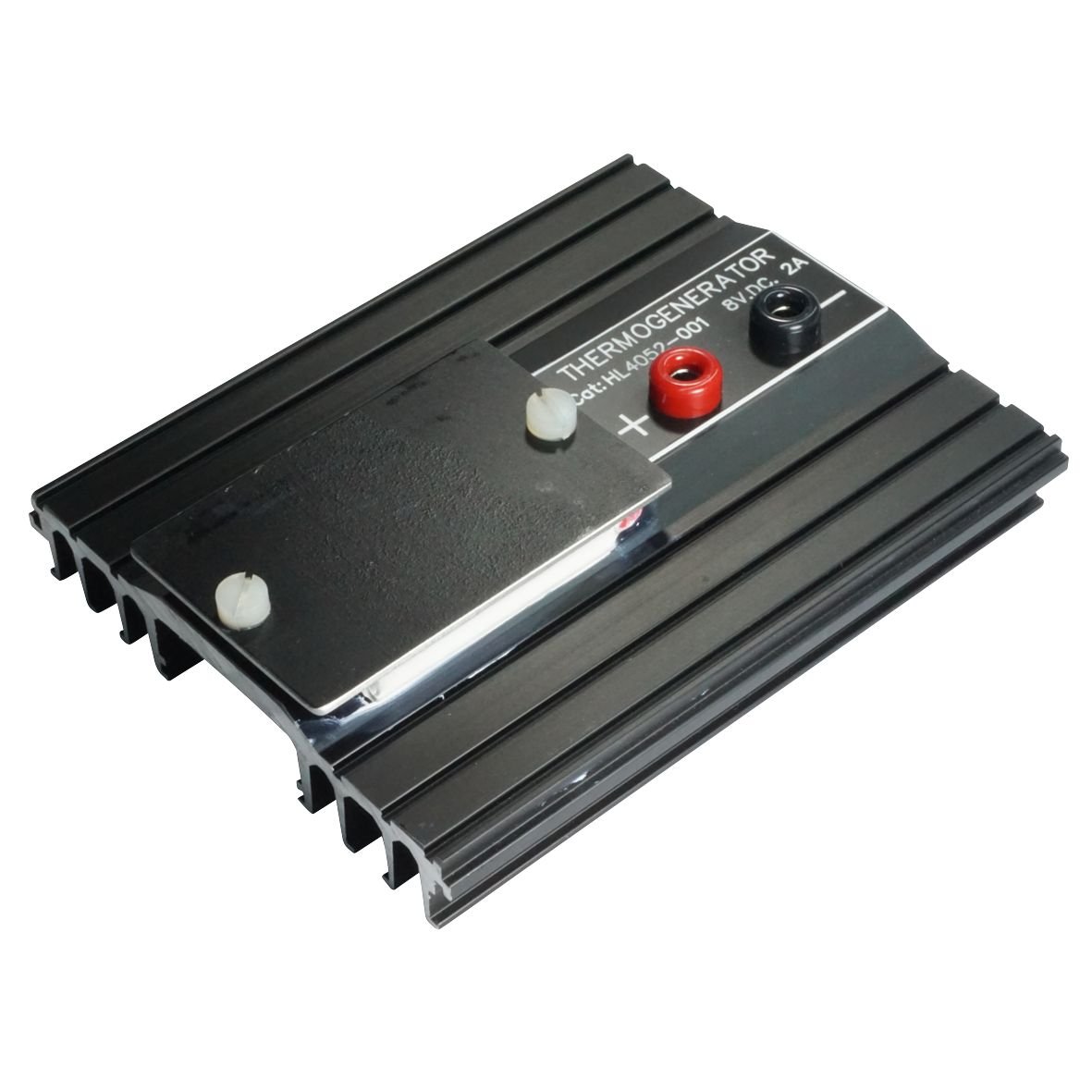
Hot/Cold Thermopile on Heat Sink with Socket Terminals
AUD 123.50(Ex GST)
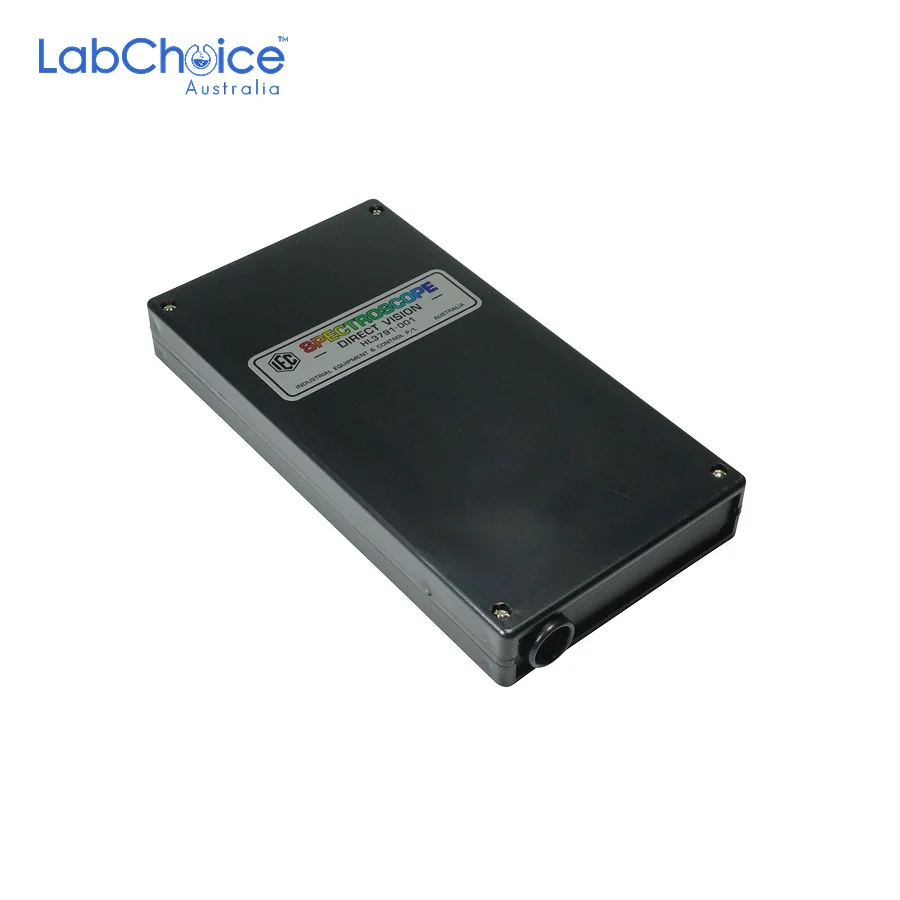
Plastic Spectroscope with Calibration Scale and Adjustable Slit
AUD 68.50(Ex GST)
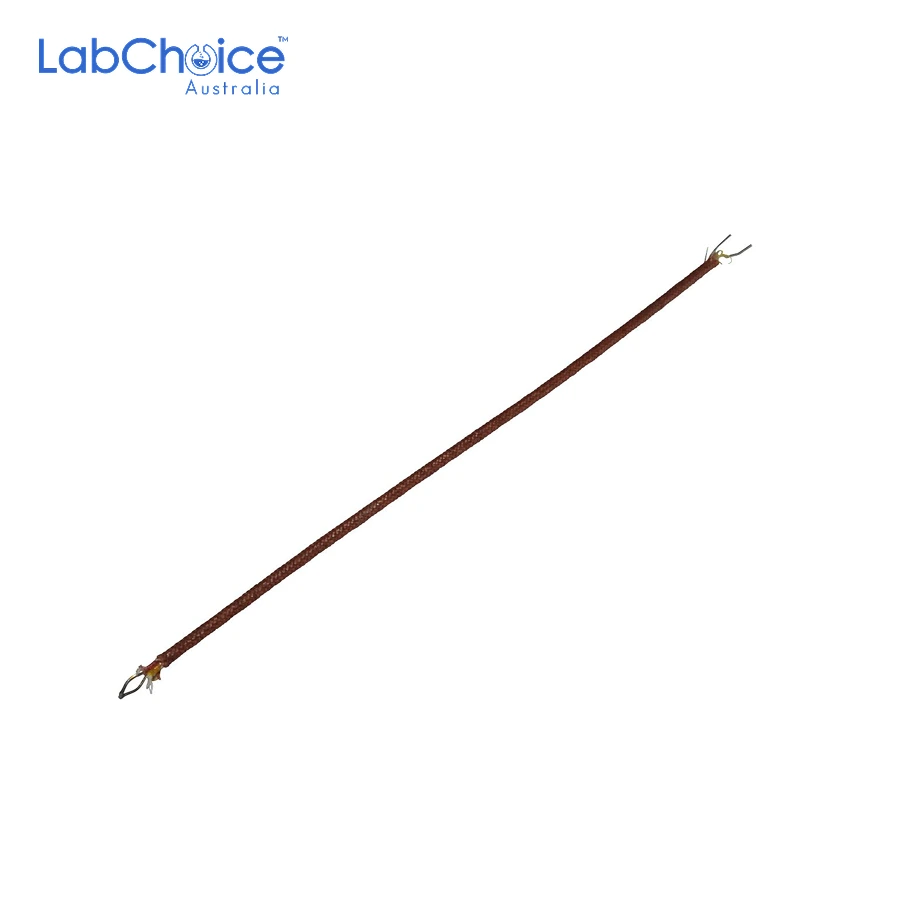
Simple Copper–Constantan Thermocouple, 200 mm Length
AUD 9.90(Ex GST)
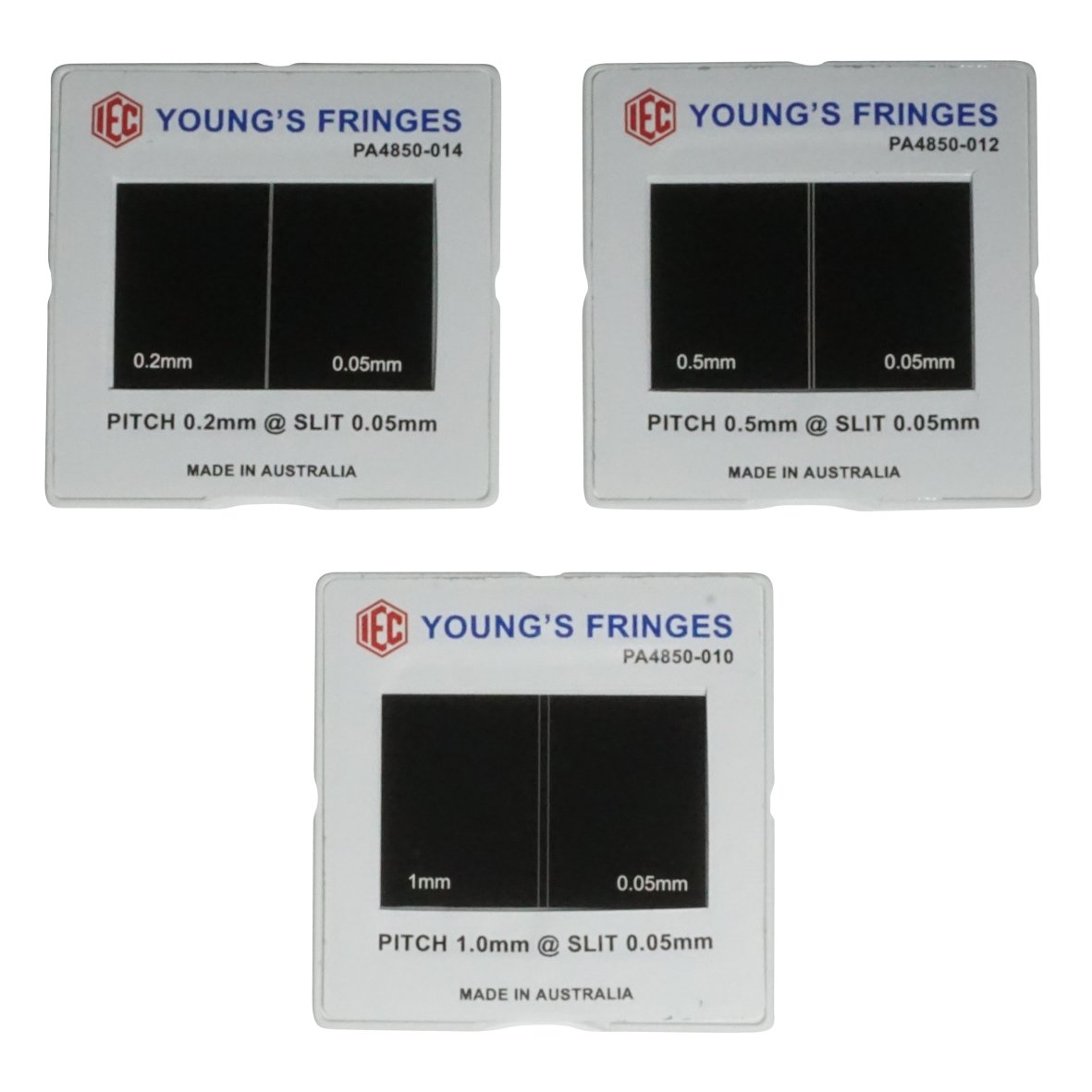
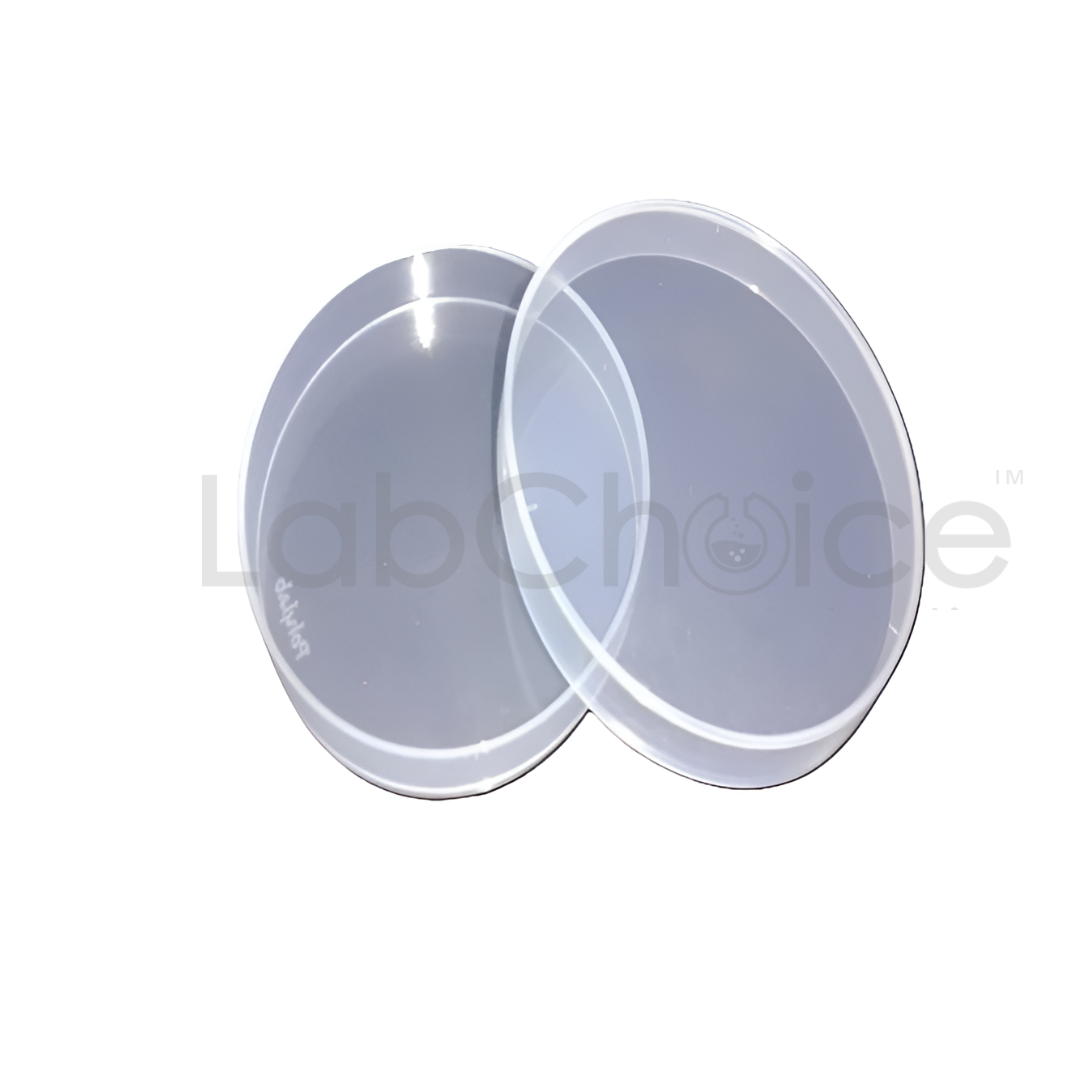
Petri Dishes, Polypropylene, Autoclavable & Reusable, High Quality
From AUD 1.20 (Ex GST)

Glass Petri Dishes with Lid, Autoclavable, Borosilicate Glass (BORO 3.3)
From AUD 3.90 (Ex GST)
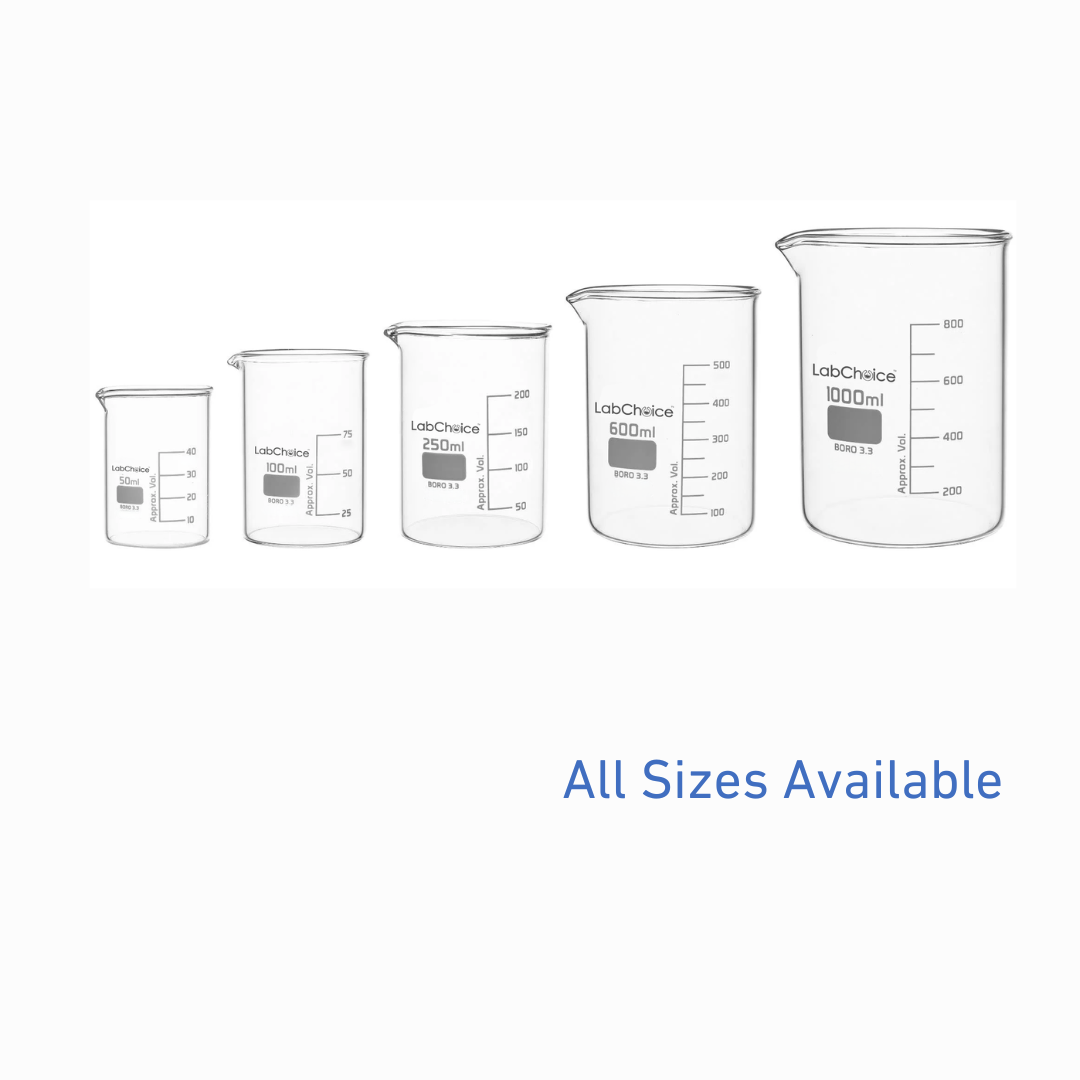
Laboratory Beaker, Low Form, Graduated with Spout, Borosilicate Glass (BORO 3.3)
From AUD 2.00 (Ex GST)

⭐⭐⭐⭐⭐
We ordered a set of customised BORO 3.3 borosilicate glassware for our teaching labs, and LabChoice Australia exceeded every expectation. From the first consultation to final delivery, their team listened carefully, offered expert advice, and ensured every piece matched our specifications perfectly.
The clarity and precision of the glassware are exceptional, and the quick turnaround made setup effortless. It’s refreshing to work with an Australian supplier who genuinely understands laboratory needs and takes pride in quality craftsmanship. We’ll definitely be returning to LabChoice for future glassware requirements
⭐⭐⭐⭐⭐
Our lab required high-precision BORO 3.3 glassware for analytical testing, and LabChoice Australia delivered outstanding results. The ordering process was simple, communication was clear, and every beaker and flask arrived perfectly calibrated and ready for use.
The quality of the glass is exceptional — resistant to heat, easy to clean, and consistently accurate in measurement. It’s reassuring to know there’s an Australian supplier that combines scientific precision with genuine customer care. I’d recommend LabChoice to any research team looking for dependable labware
⭐⭐⭐⭐⭐
We needed a set of customised borosilicate glassware for a specialised project, and LabChoice Australia delivered exactly what we envisioned. The team worked closely with us from design to production, ensuring every detail met our specifications. The craftsmanship is exceptional, and the turnaround time was impressive. It’s reassuring to know we can rely on them for unique, made-to-order pieces
⭐⭐⭐⭐⭐
LabChoice Australia has completely changed the way we source our lab glassware. The quality is consistently top-notch, and every piece meets the precision we need for reliable results. Their team knows their stuff, answers our questions quickly, and always goes the extra mile to help — they’re more like partners than just a supplier.
⭐⭐⭐⭐⭐
We trust LabChoice Australia because they deliver every time. Their borosilicate glassware is durable, accurate, and perfect for the high-heat work we do. Everything arrives well-packed with clear specs, so there are never surprises. It’s reassuring to deal with a supplier who understands both compliance and the demands of a busy lab