
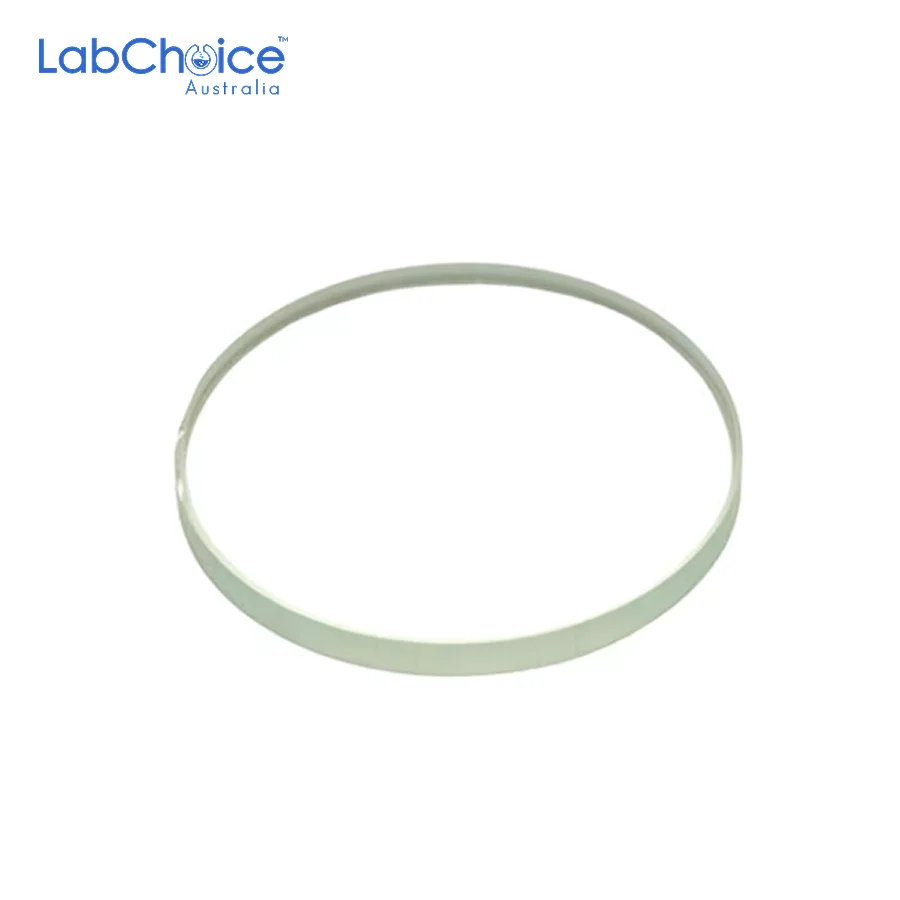




Sampling Sheet Holder, Support for Particulate-Containing Samples
AUD 110.00(Ex GST)


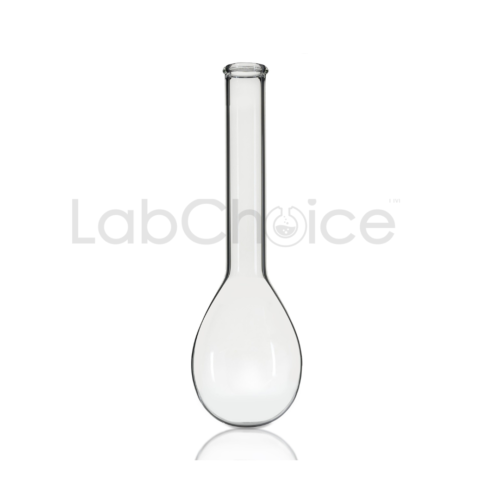
Kjeldahl Digestion Flask Borosilicate Glass
From AUD 15.20 (Ex GST)

Boyle’s Law High Pressure Coloured Fluid Bottle
AUD 21.90(Ex GST)

Stainless Unheated Water Bath for Sample Holding
From AUD 653.00 (Ex GST)
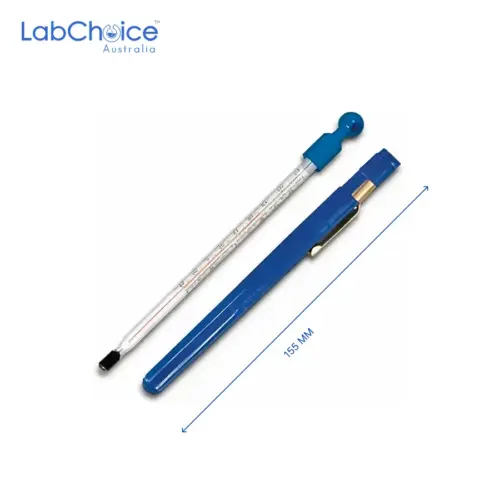
Pocket Glass Thermometer, 155 mm, Red Spirit, -30°C to +50°C, Blue Case
AUD 22.50(Ex GST)
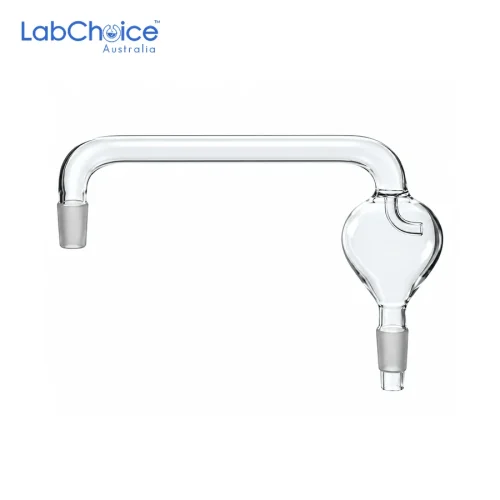
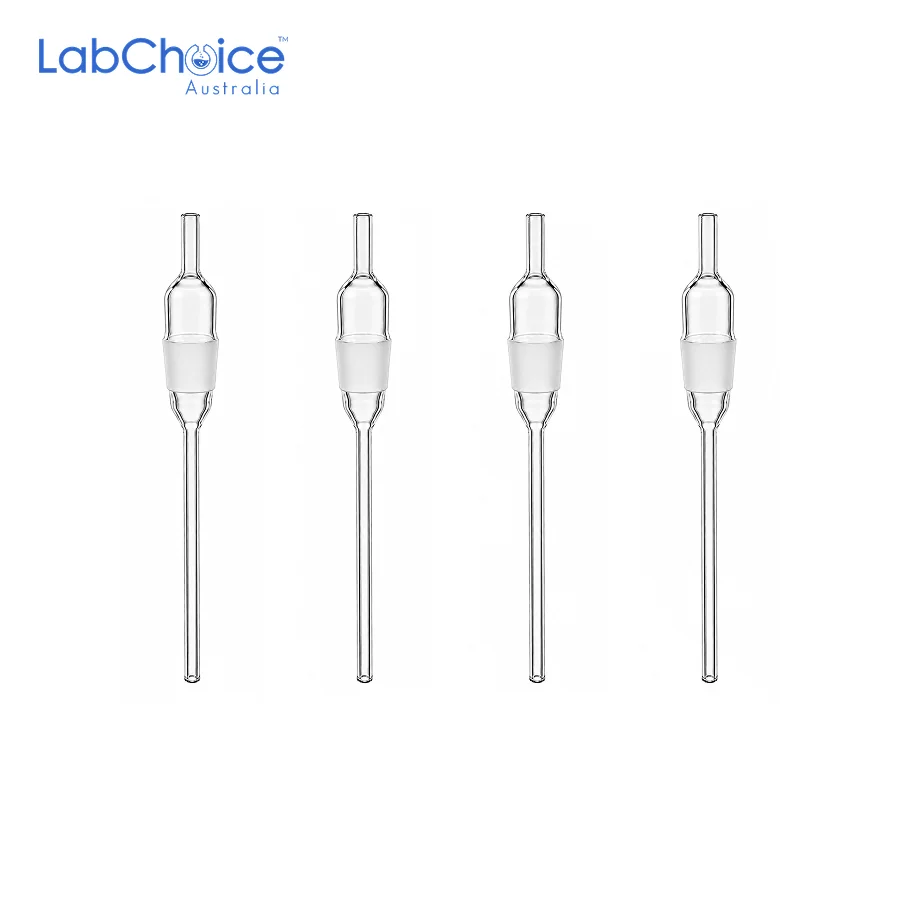
Vertical Splash Heads Adapter for Distillation Assemblies, BORO 3.3 Glass
From AUD 21.90 (Ex GST)

BeeSpi V Photogate Holder, Adjustable Height and Angle
AUD 93.50(Ex GST)
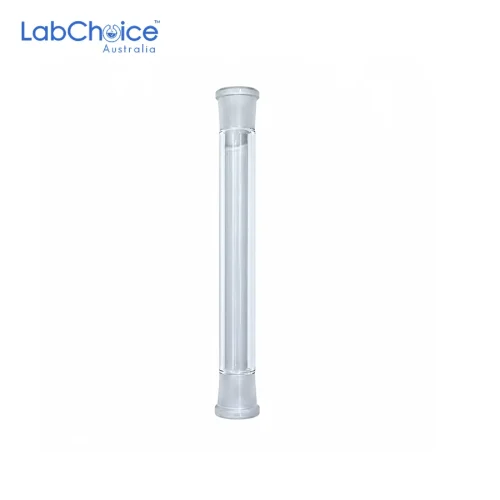
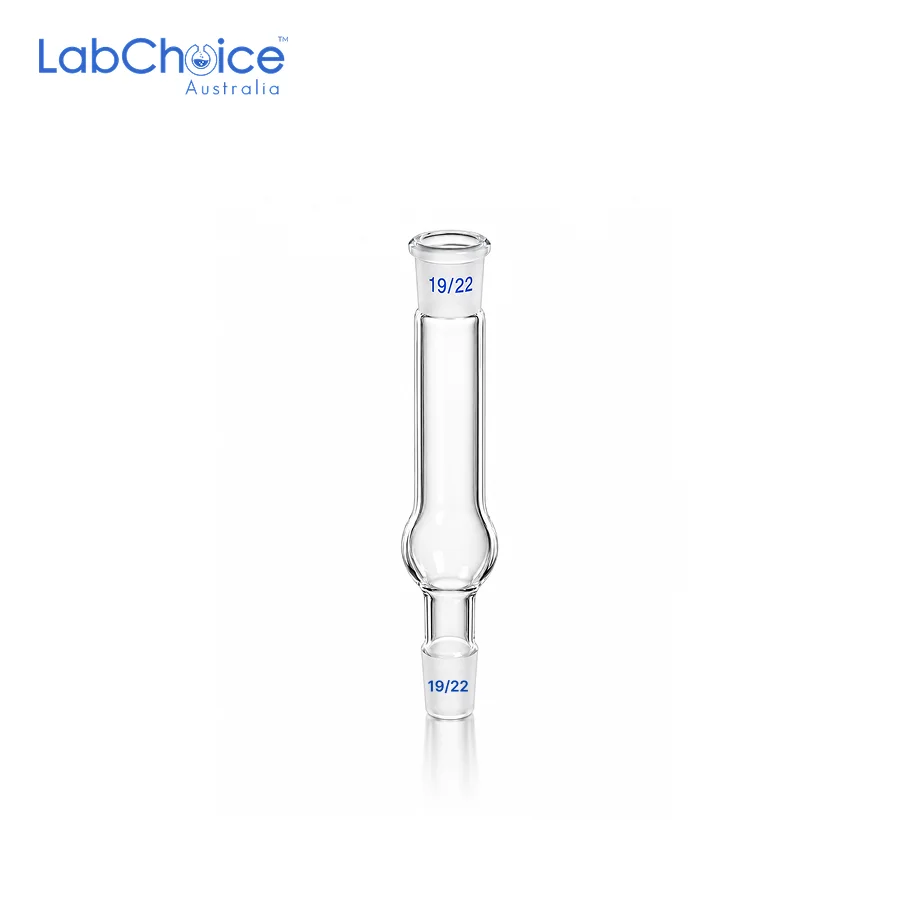
Extension Adapter Borosilicate Glass Laboratory Grade
From AUD 14.50 (Ex GST)
You May Also Need
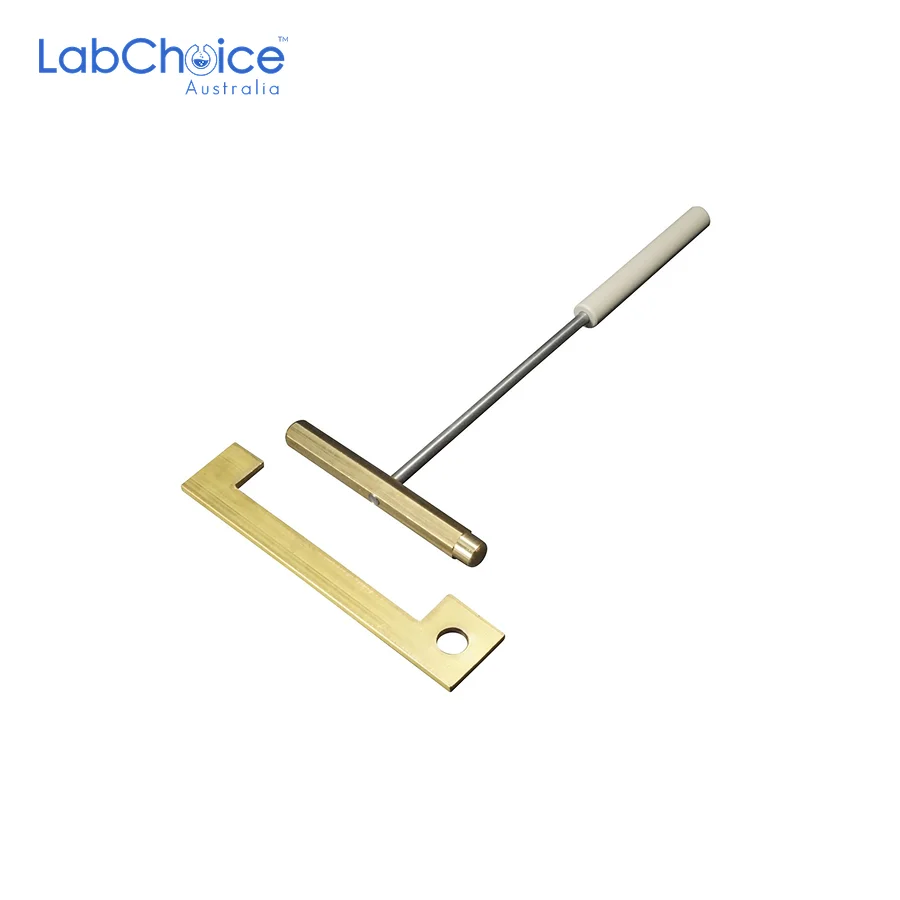
Brass Bar and Gauge Apparatus with Insulating Handle
AUD 47.50(Ex GST)
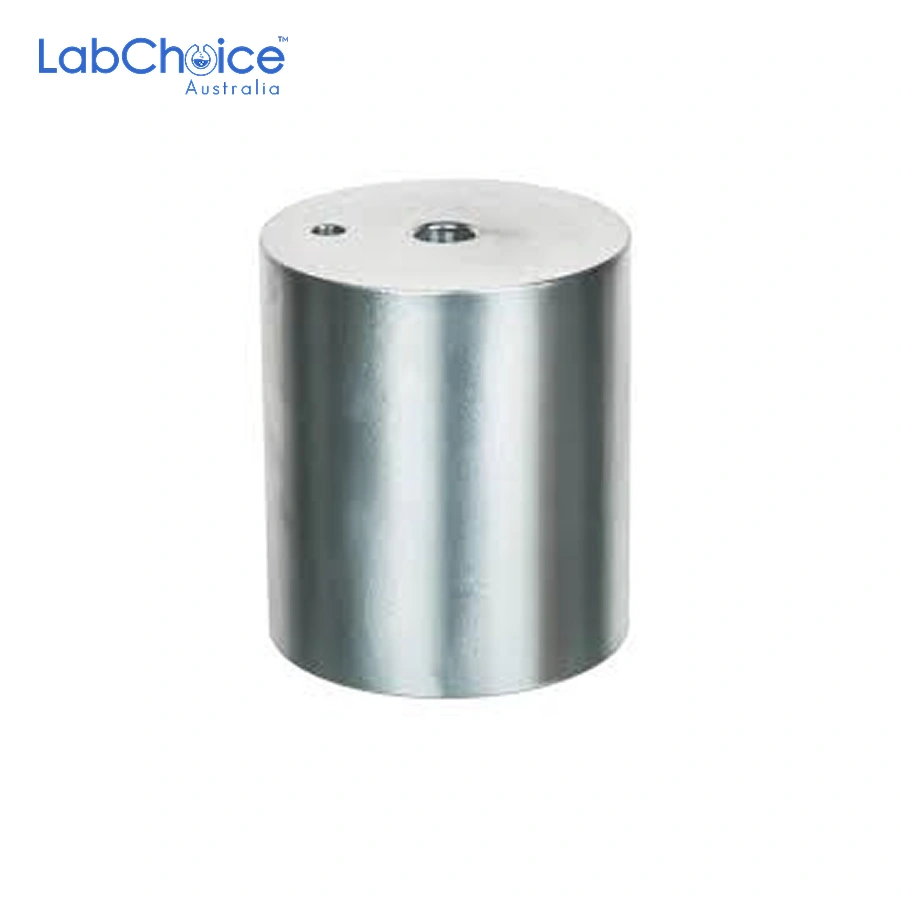
Calorimeter Heating Blocks, Educational Metal Block Set for Heat Studies
From AUD 62.50 (Ex GST)
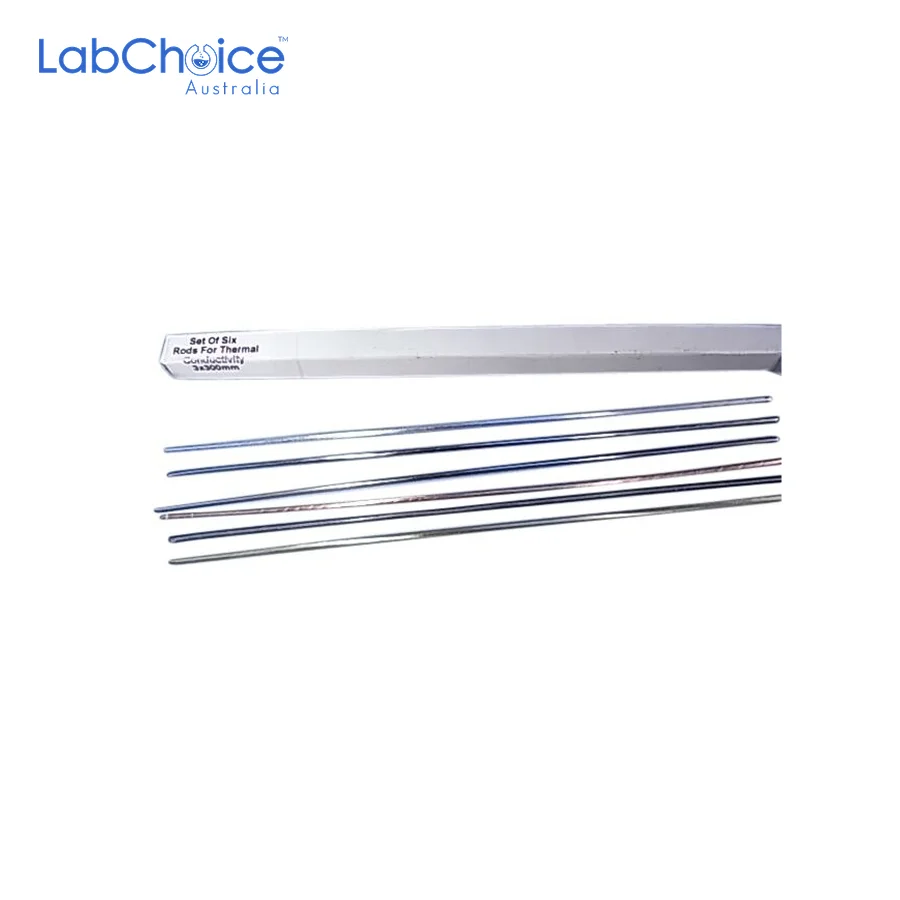
Conductivity Rods for Comparing Thermal Conductivity of Metals Set of 6
AUD 27.50(Ex GST)
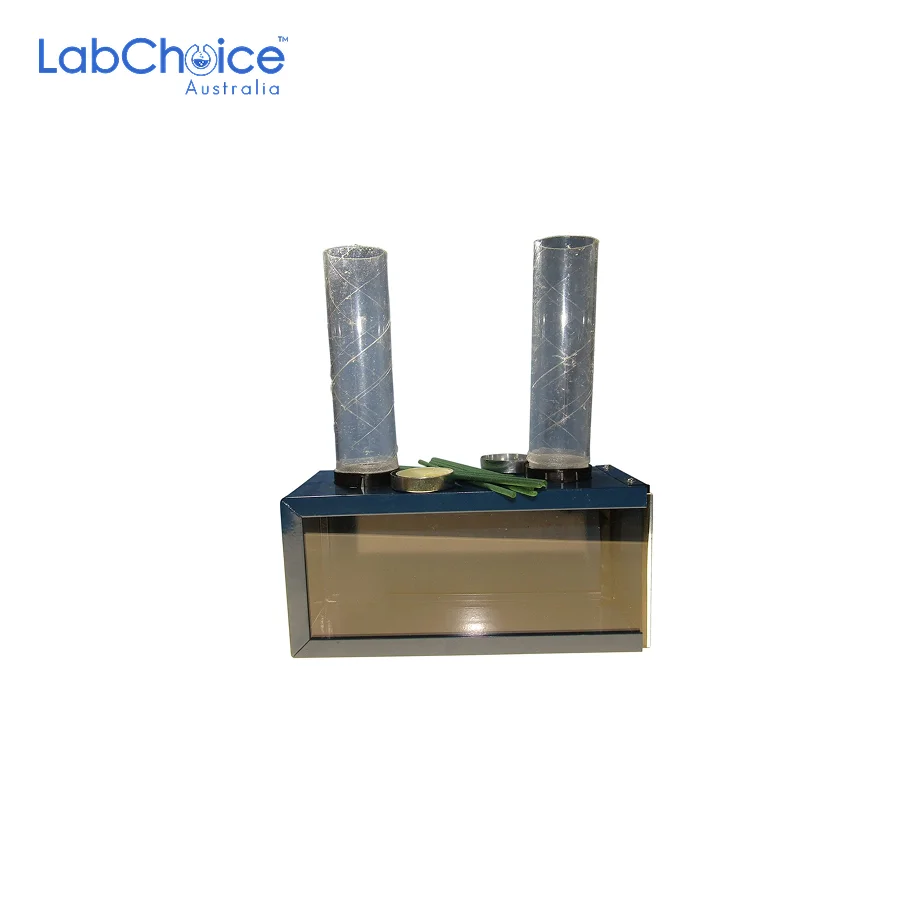
Convection in Air Apparatus with Chimneys
AUD 72.50(Ex GST)
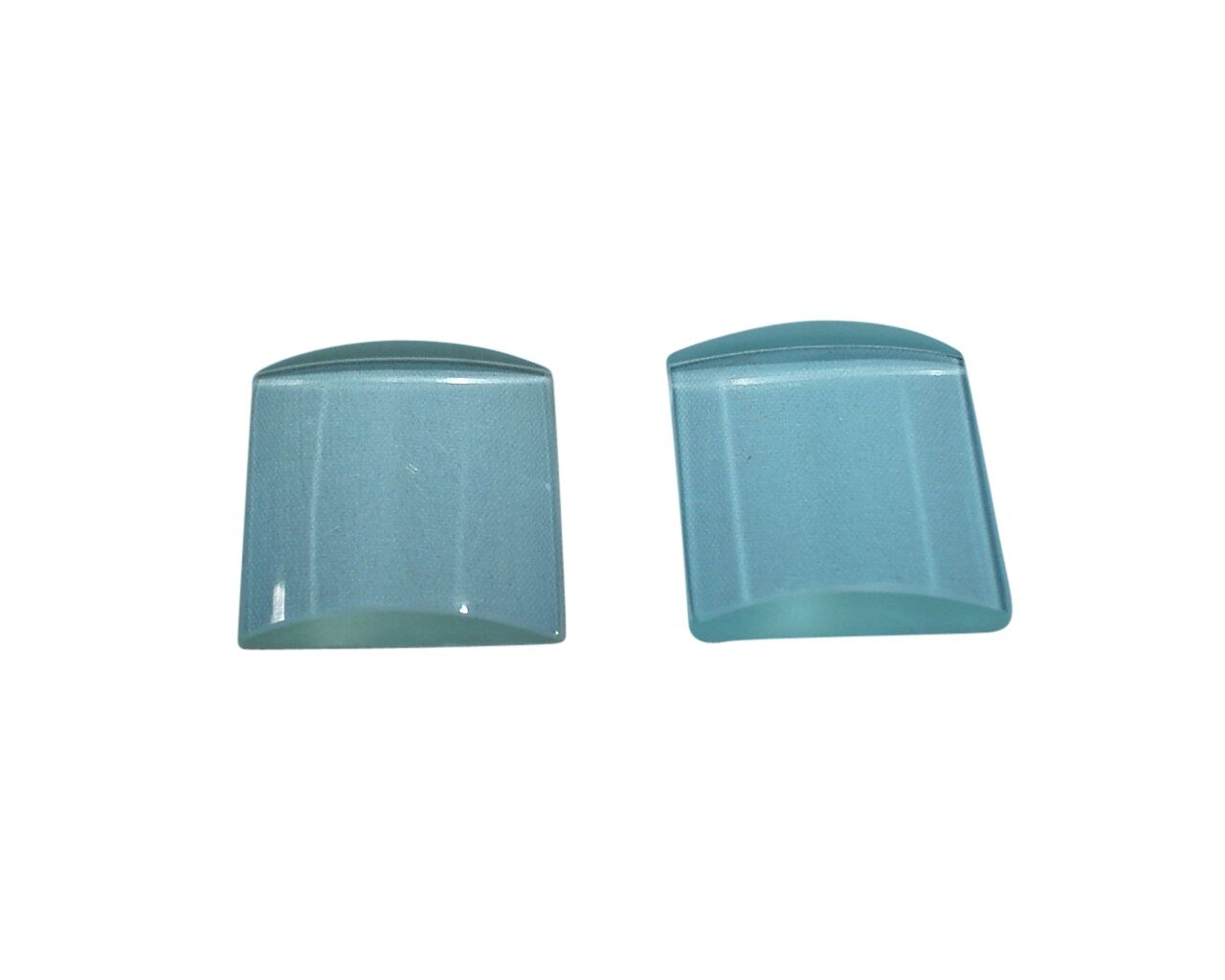
Cylindrical Lenses, Plano Concave and Plano Convex Optics
From AUD 29.90 (Ex GST)
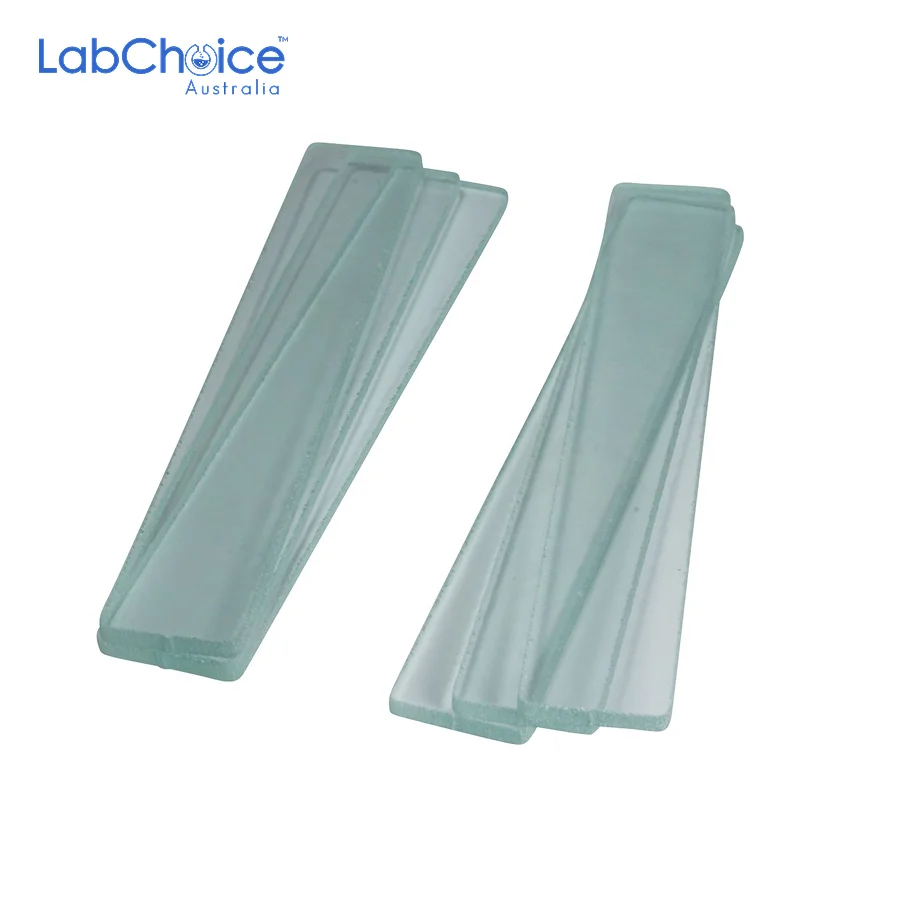
Flat Glass Plates for Interference Experiments, Set of 6
AUD 59.90(Ex GST)
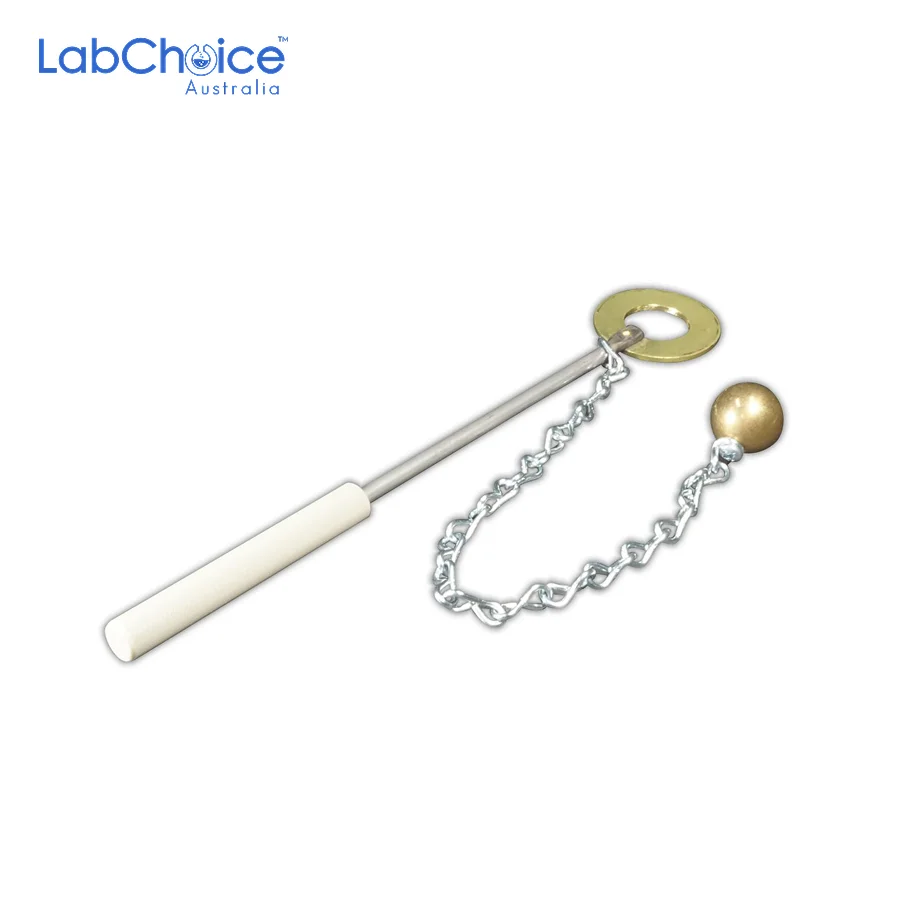
Gravesande’s Brass Ball and Ring Apparatus
AUD 39.90(Ex GST)
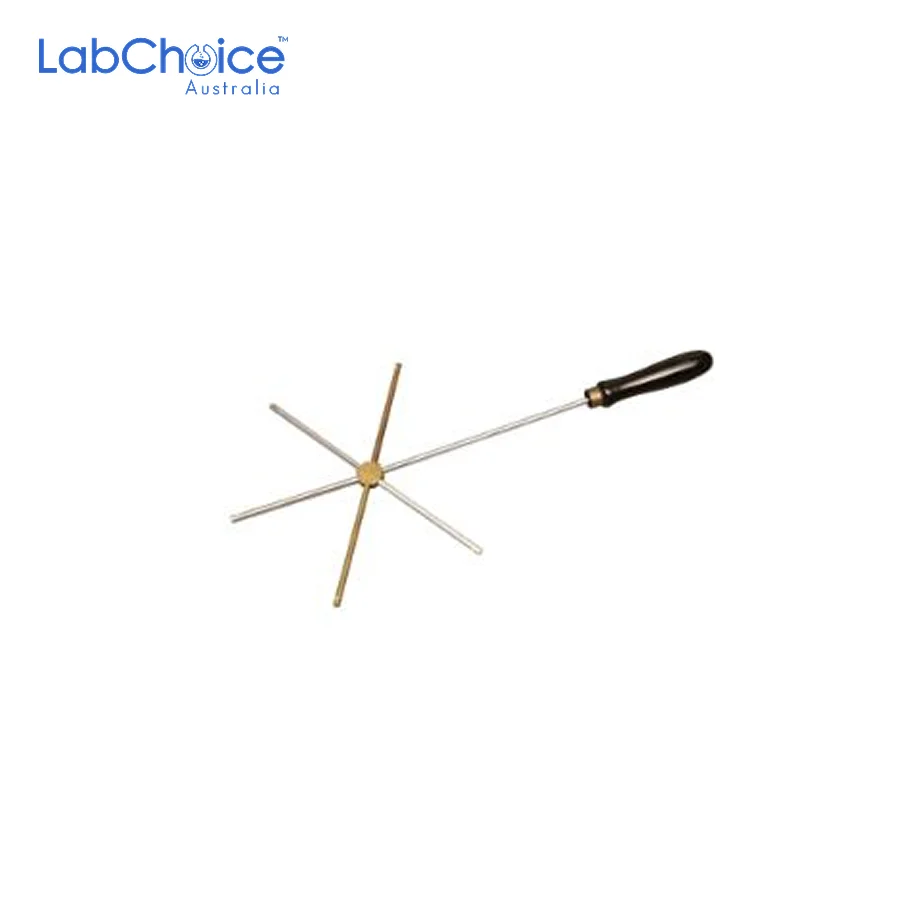
Heat Conductometer on Handle for Thermal Conductivity
AUD 24.90(Ex GST)
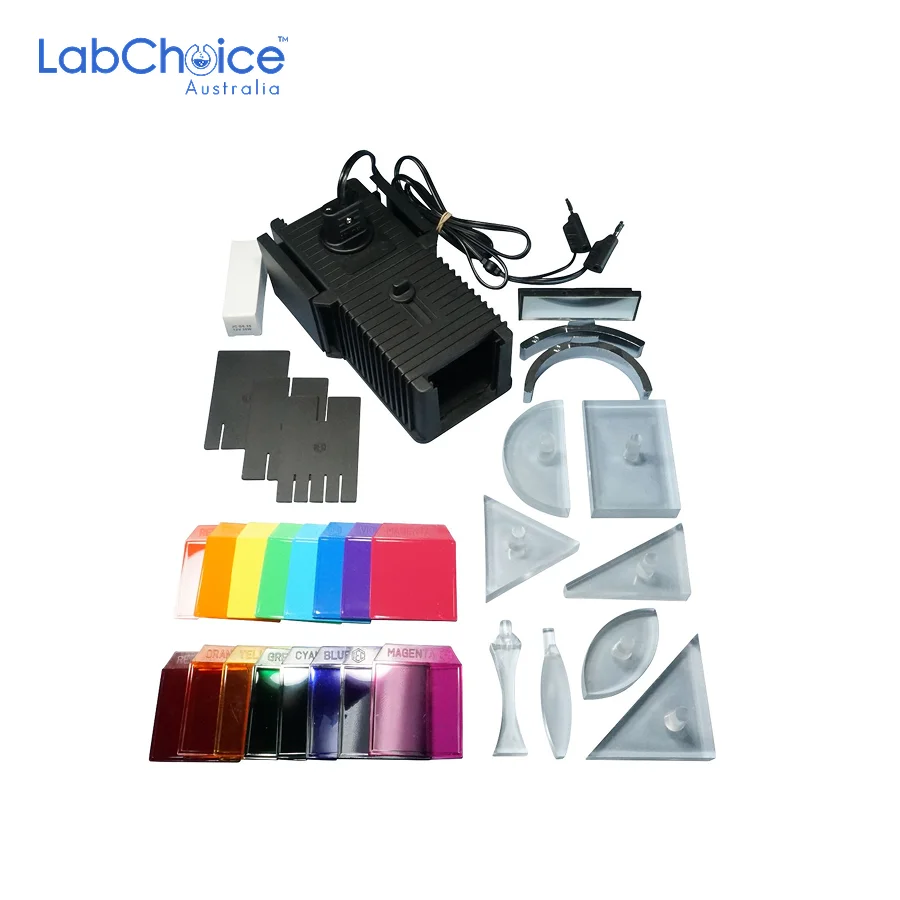
Hodson Light Box and Optical Set, 12 V
From AUD 190.50 (Ex GST)
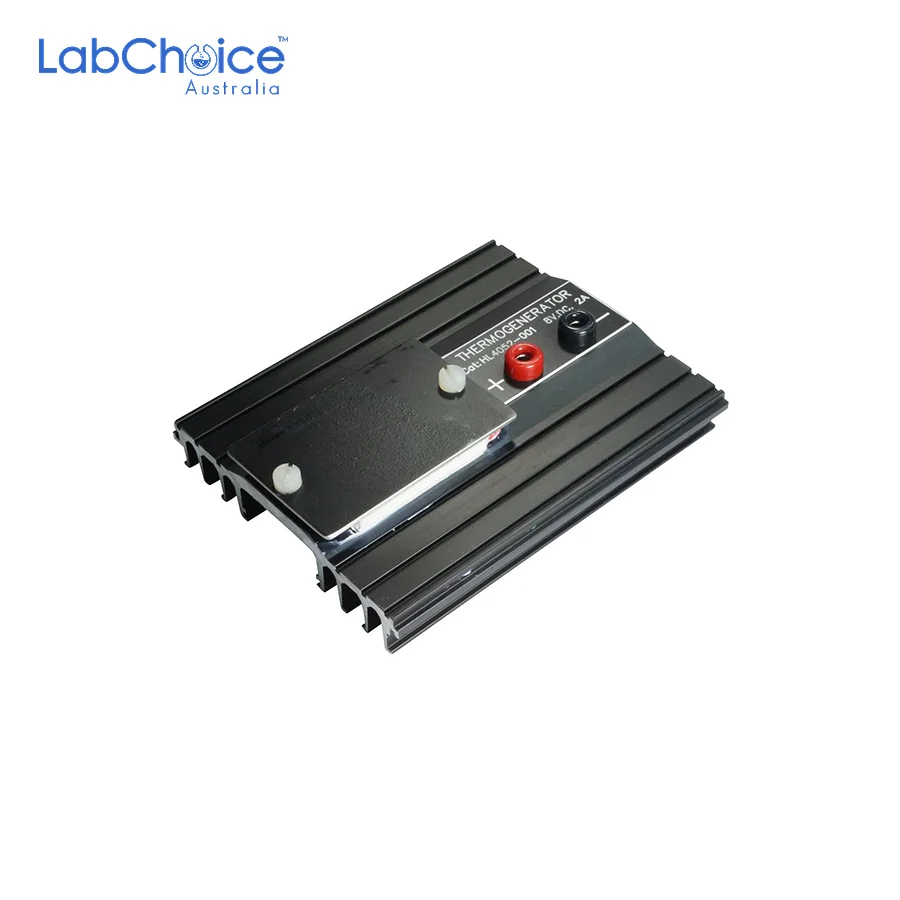
Hot/Cold Thermopile on Heat Sink with Socket Terminals
AUD 123.50(Ex GST)
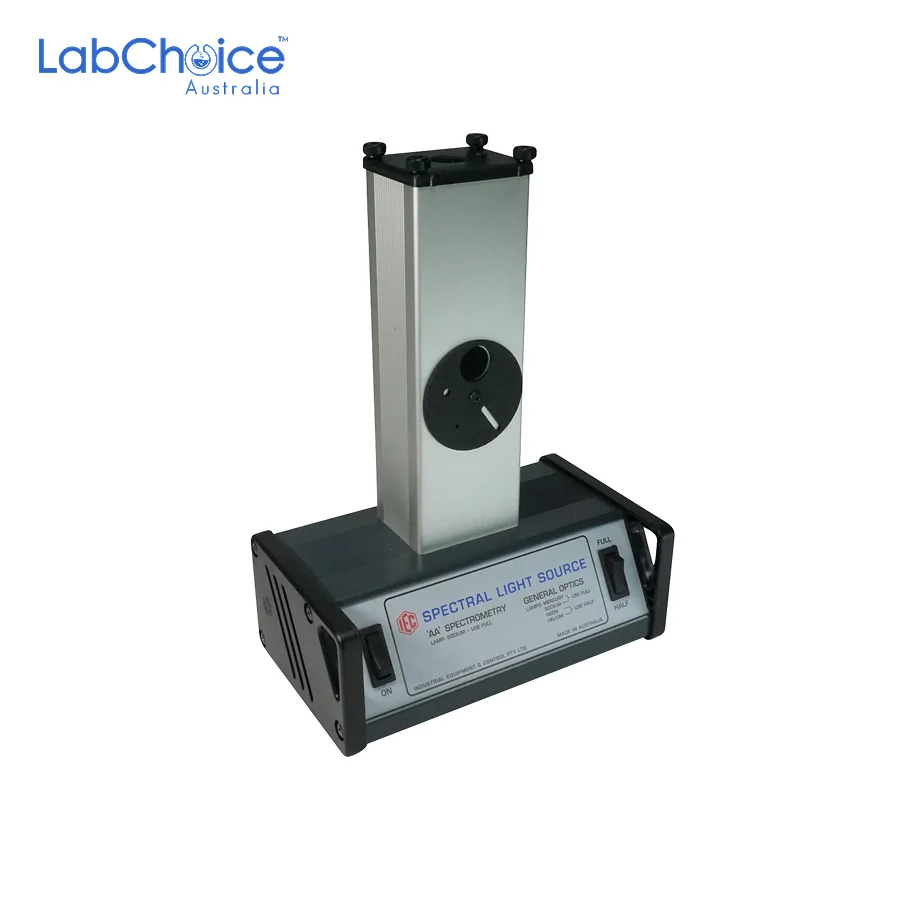
Mini Spectral Lamp Power Supply and Holder, Without Lamp
AUD 435.90(Ex GST)
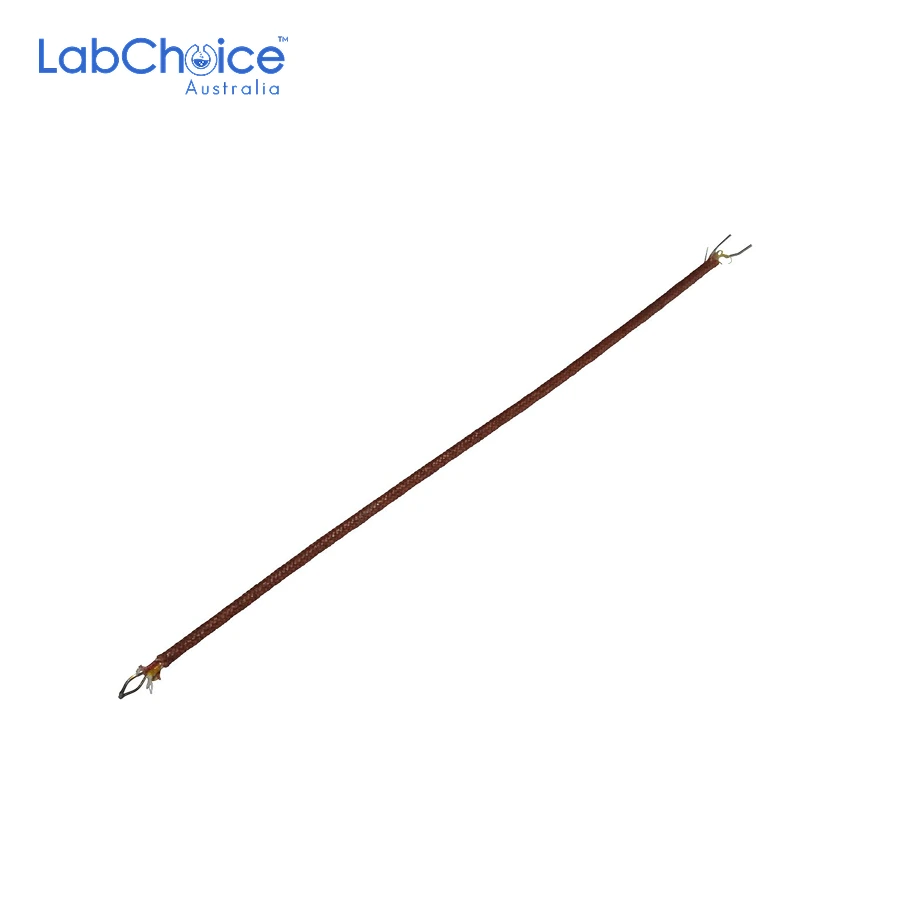
Simple Copper–Constantan Thermocouple for Temperature Measurement
AUD 9.90(Ex GST)
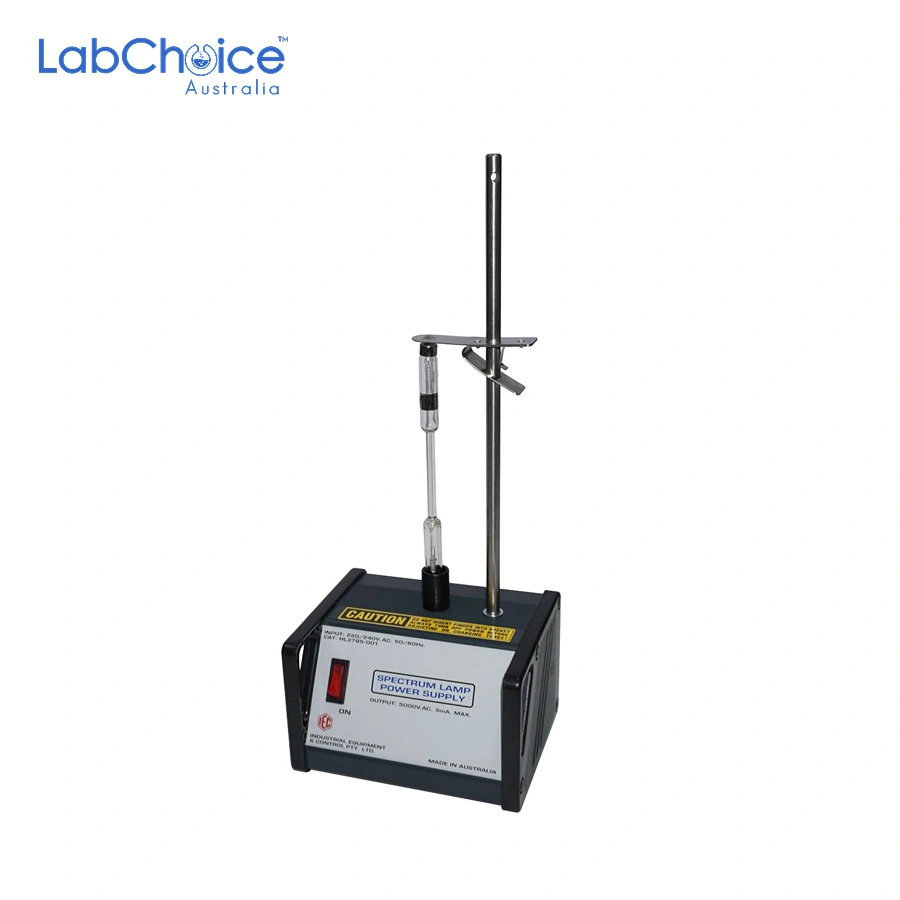
Spectrum Tube EHV Unit and Tube Support, Without Tubes
AUD 422.50(Ex GST)
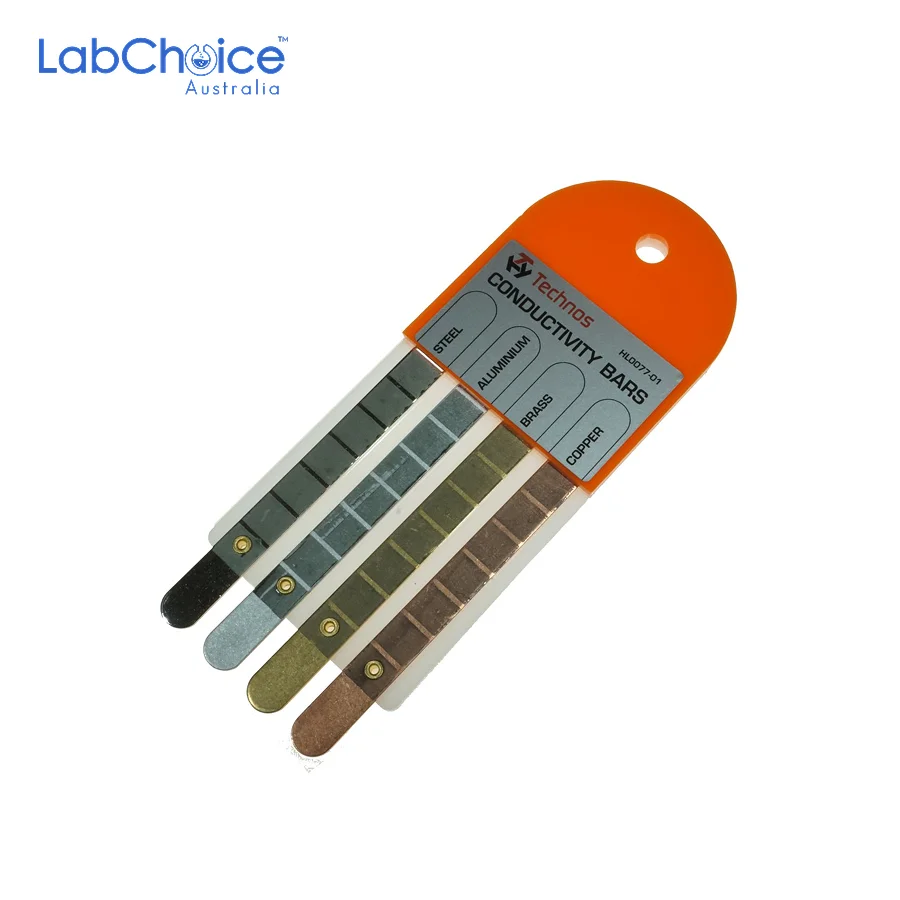
Thermal Conductivity Bars, Copper, Brass, Aluminium and Steel
AUD 34.90(Ex GST)
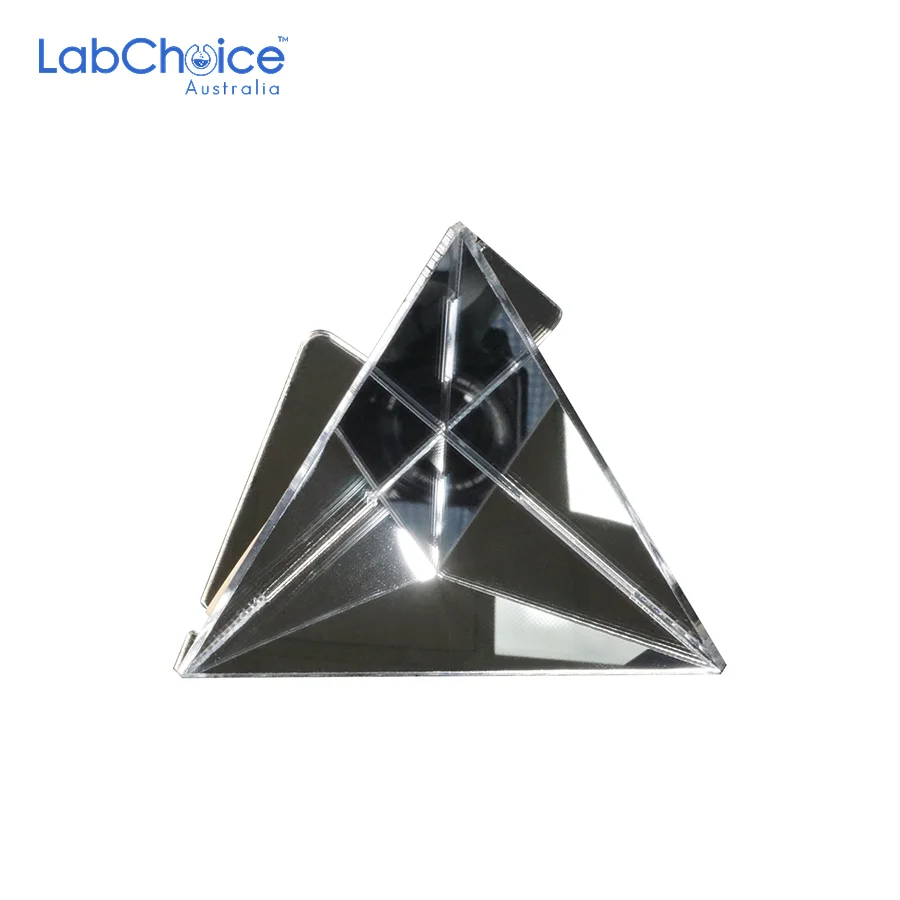
Three-Way Corner Mirror for Light Reflection Experiments
AUD 22.50(Ex GST)
Recently Viewed Products
 Special Price
SELECT OPTIONS
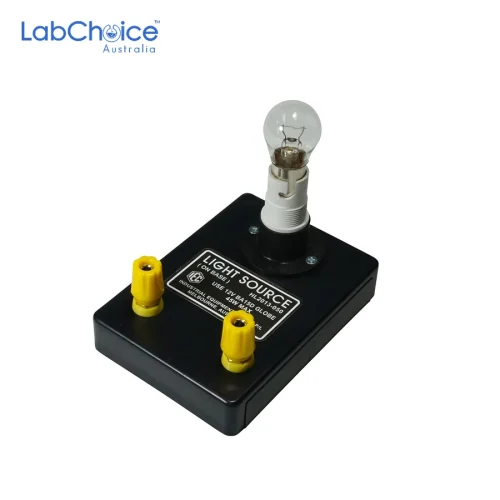
High Power Light Source on Base, BA15D, 12 V, 15 to 21 W
AUD 64.90(Ex GST)
SELECT OPTIONS
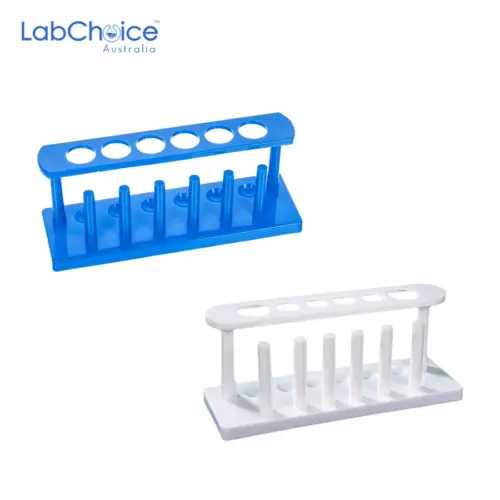
Polypropylene Test Tube Stands, 6 Place, Autoclavable
From AUD 7.50 (Ex GST)
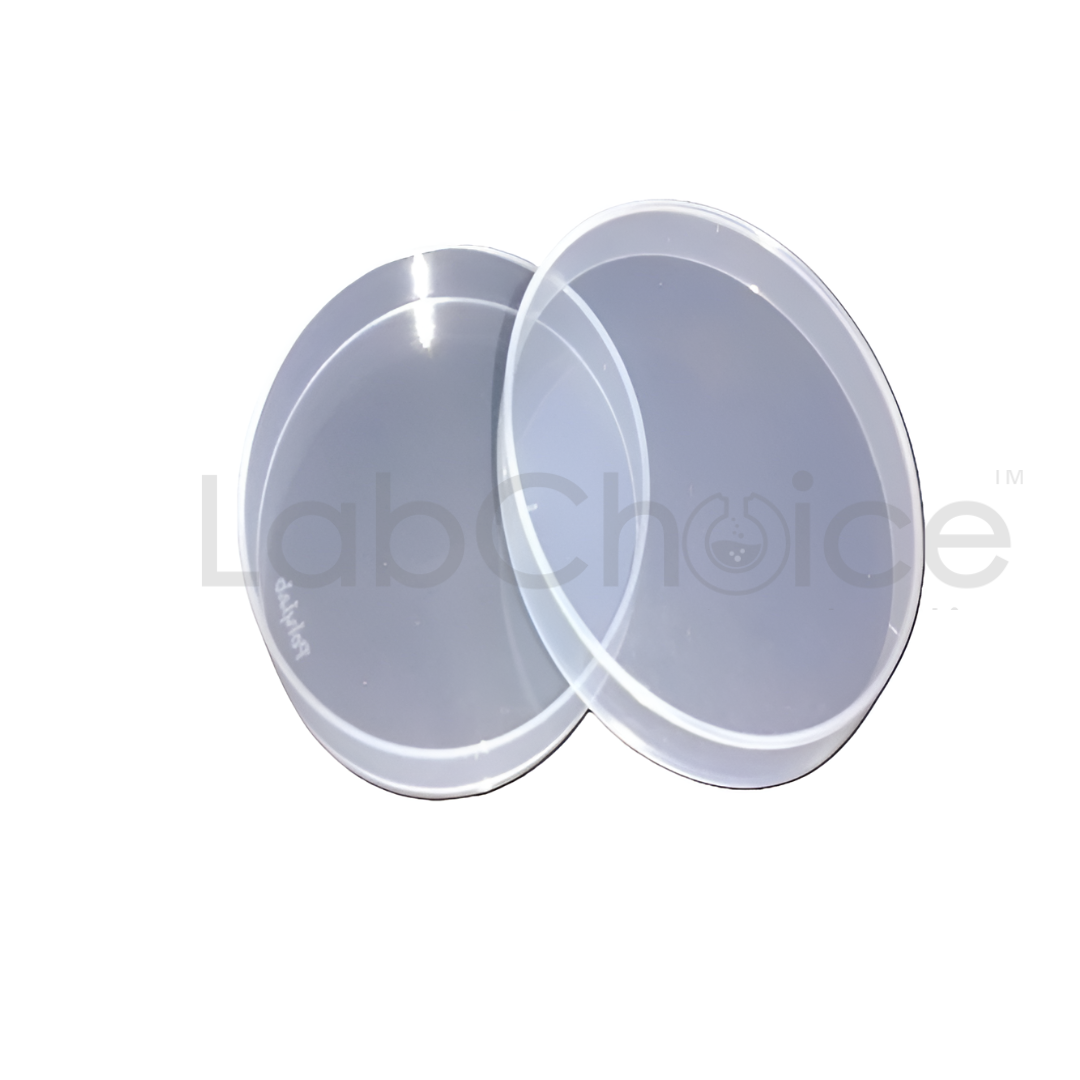
Petri Dishes, Polypropylene, Autoclavable & Reusable, High Quality
From AUD 1.20 (Ex GST)

Stirring Rods, Rounded Ends, Laboratory Grade, Borosilicate Glass (BORO 3.3)
From AUD 0.95 (Ex GST)
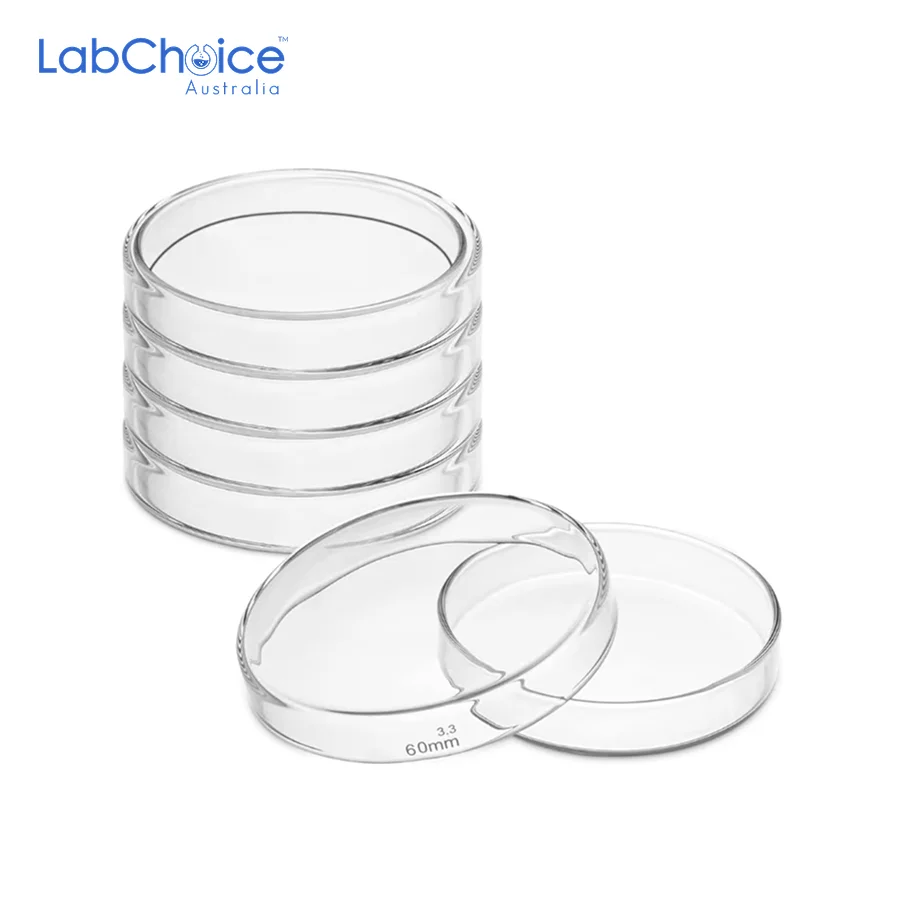

Glass Petri Dishes with Lid, Autoclavable, Borosilicate Glass (BORO 3.3)
From AUD 3.90 (Ex GST)

⭐⭐⭐⭐⭐
We ordered a set of customised BORO 3.3 borosilicate glassware for our teaching labs, and LabChoice Australia exceeded every expectation. From the first consultation to final delivery, their team listened carefully, offered expert advice, and ensured every piece matched our specifications perfectly.
The clarity and precision of the glassware are exceptional, and the quick turnaround made setup effortless. It’s refreshing to work with an Australian supplier who genuinely understands laboratory needs and takes pride in quality craftsmanship. We’ll definitely be returning to LabChoice for future glassware requirements
⭐⭐⭐⭐⭐
Our lab required high-precision BORO 3.3 glassware for analytical testing, and LabChoice Australia delivered outstanding results. The ordering process was simple, communication was clear, and every beaker and flask arrived perfectly calibrated and ready for use.
The quality of the glass is exceptional — resistant to heat, easy to clean, and consistently accurate in measurement. It’s reassuring to know there’s an Australian supplier that combines scientific precision with genuine customer care. I’d recommend LabChoice to any research team looking for dependable labware
⭐⭐⭐⭐⭐
We needed a set of customised borosilicate glassware for a specialised project, and LabChoice Australia delivered exactly what we envisioned. The team worked closely with us from design to production, ensuring every detail met our specifications. The craftsmanship is exceptional, and the turnaround time was impressive. It’s reassuring to know we can rely on them for unique, made-to-order pieces
⭐⭐⭐⭐⭐
LabChoice Australia has completely changed the way we source our lab glassware. The quality is consistently top-notch, and every piece meets the precision we need for reliable results. Their team knows their stuff, answers our questions quickly, and always goes the extra mile to help — they’re more like partners than just a supplier.
⭐⭐⭐⭐⭐
We trust LabChoice Australia because they deliver every time. Their borosilicate glassware is durable, accurate, and perfect for the high-heat work we do. Everything arrives well-packed with clear specs, so there are never surprises. It’s reassuring to deal with a supplier who understands both compliance and the demands of a busy lab