






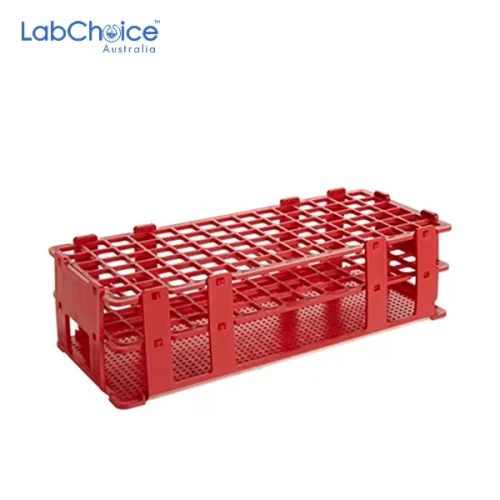
Test Tube Racks, Polypropylene 90 Hole for 13 mm Tubes Laboratory Type
From AUD 8.90 (Ex GST)
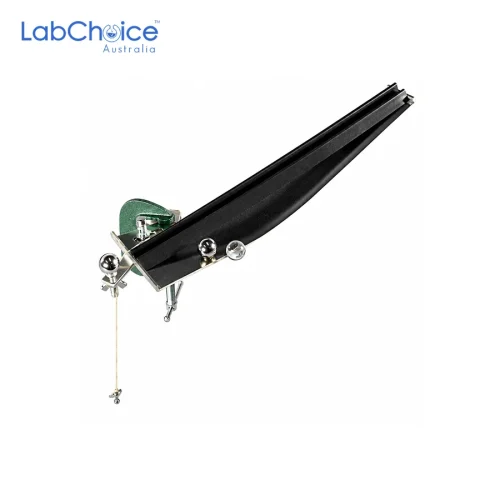
Collision in 2 Dimensions Kit, PSSC
AUD 51.50(Ex GST)
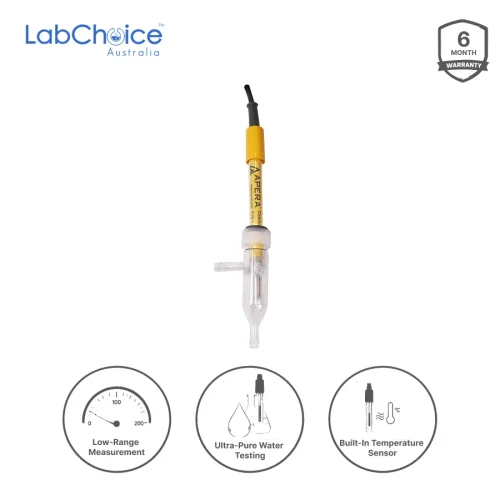
Conductivity/Temperature Electrode DJS-0.1-S Low-Range, 8-Pin Connector
AUD 425.00(Ex GST)
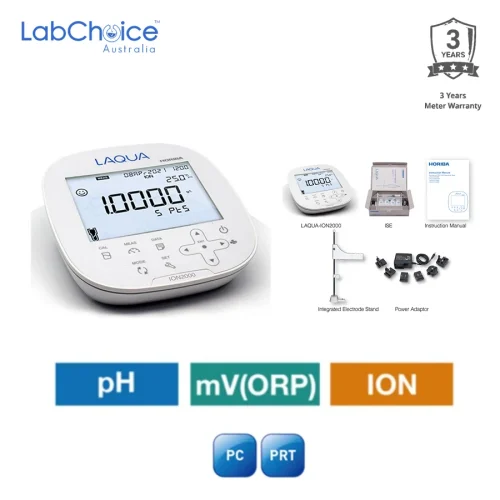
pH Ion Meter Kit with Fluoride Testing, pH Range -2.000 to 20.000 pH
AUD 2,495.00(Ex GST)
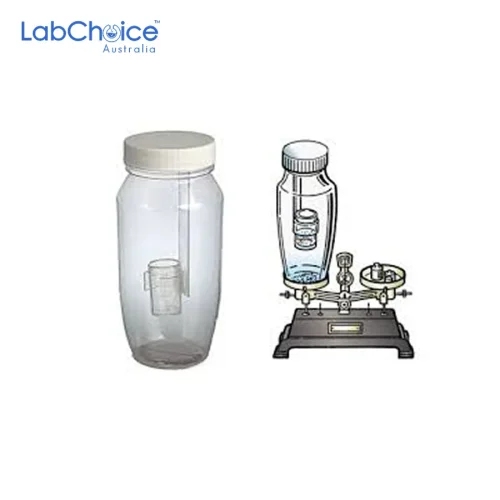
Law of Conservation of Mass Apparatus Bottle
AUD 64.90(Ex GST)
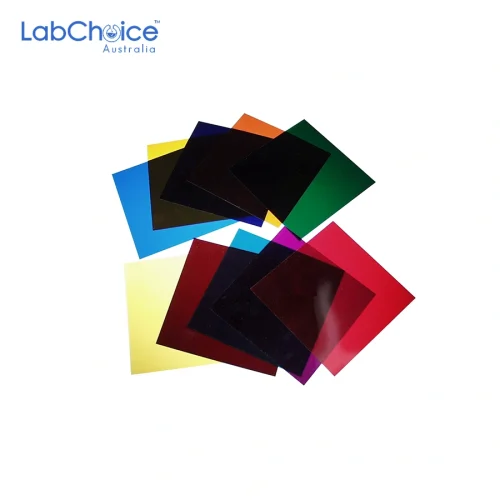
Unmounted Colour Filter Sheets
From AUD 8.90 (Ex GST)
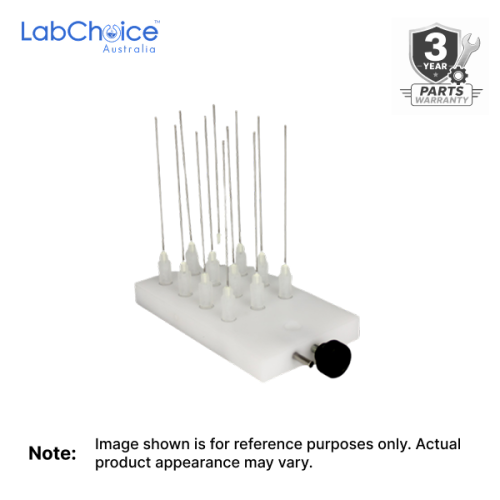
Gas Manifold for Block Heaters
From AUD 1,032.00 (Ex GST)
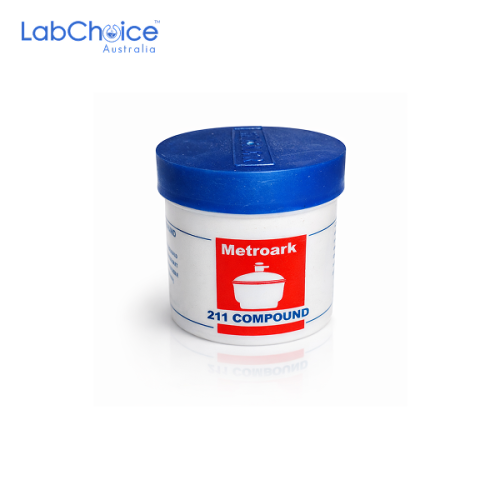
Silicone High Vacuum Grease, 211 Compound, 50 g Pack
AUD 22.90(Ex GST)
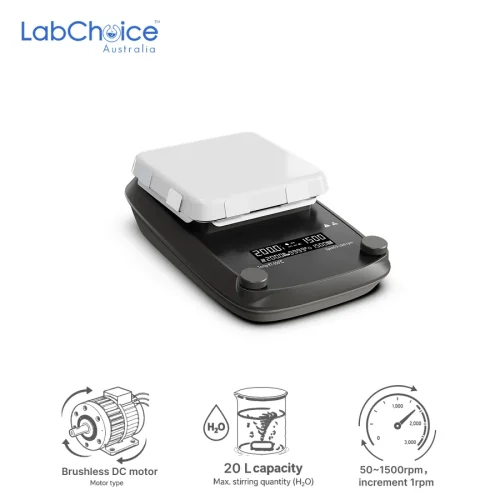
LCD Magnetic Hotplate Stirrer with 7 Inch Glass Ceramic Plate, Up to 20 L Capacity
AUD 1,265.00(Ex GST)
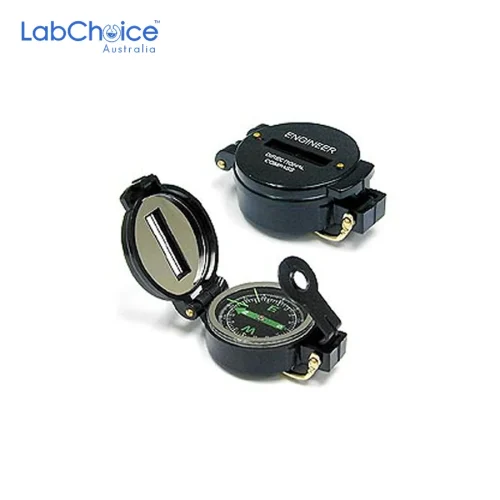
Liquid Filled Orienteering Compass with Lens
AUD 13.90(Ex GST)
Best seller
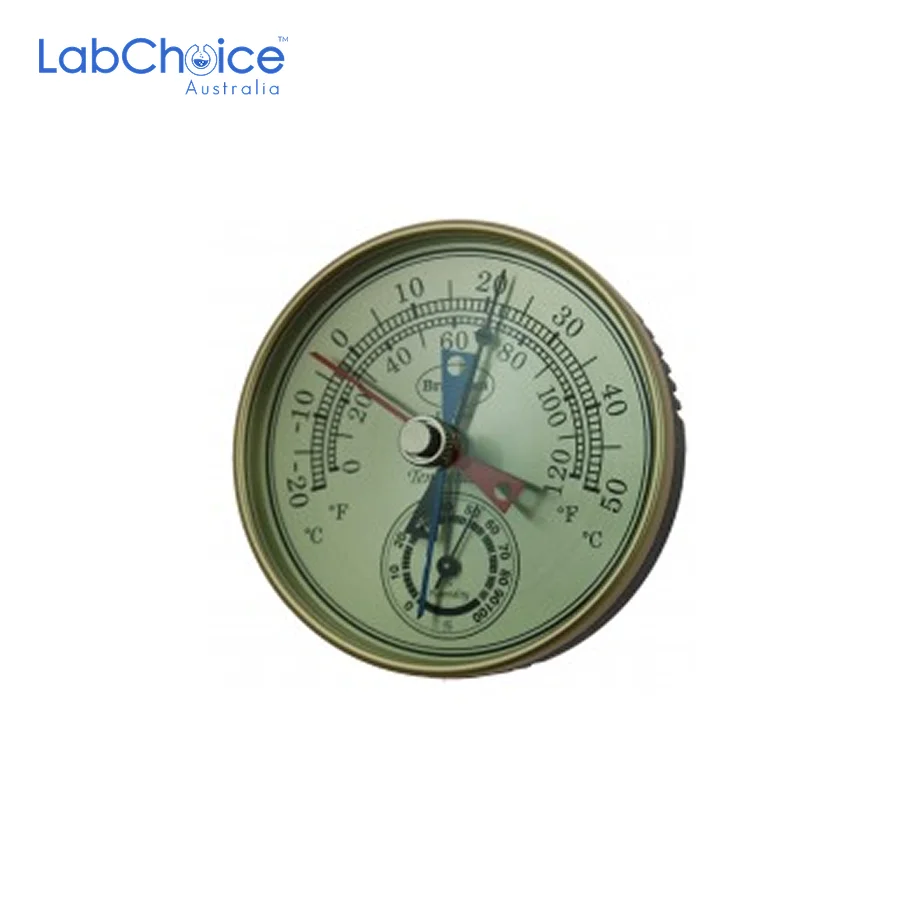
Aneroid Barometer Gilt Dial, for Atmospheric Pressure
AUD 47.50(Ex GST)
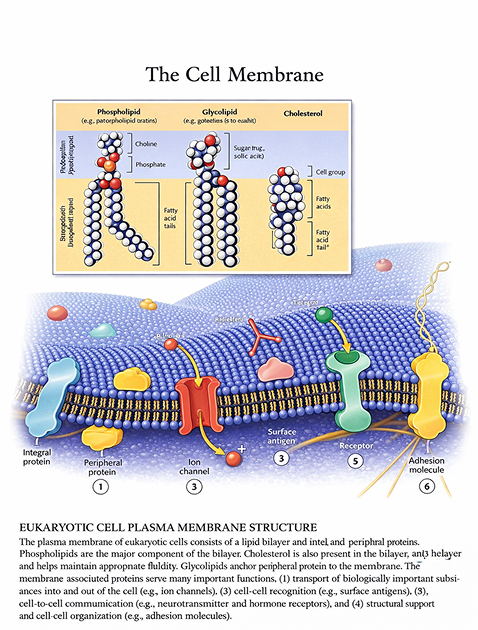
Biology Charts, Science Teaching Reference Posters
From AUD 93.50 (Ex GST)
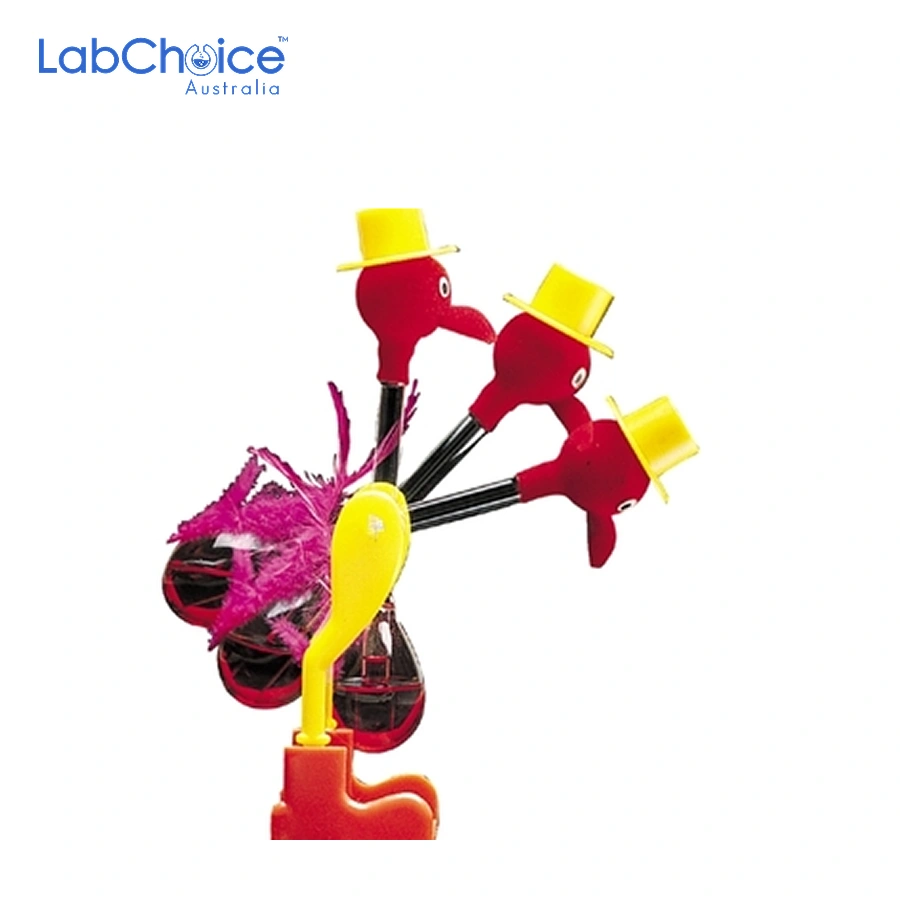
Bird Drinking Heat Thermodynamics Demonstration
AUD 18.90(Ex GST)
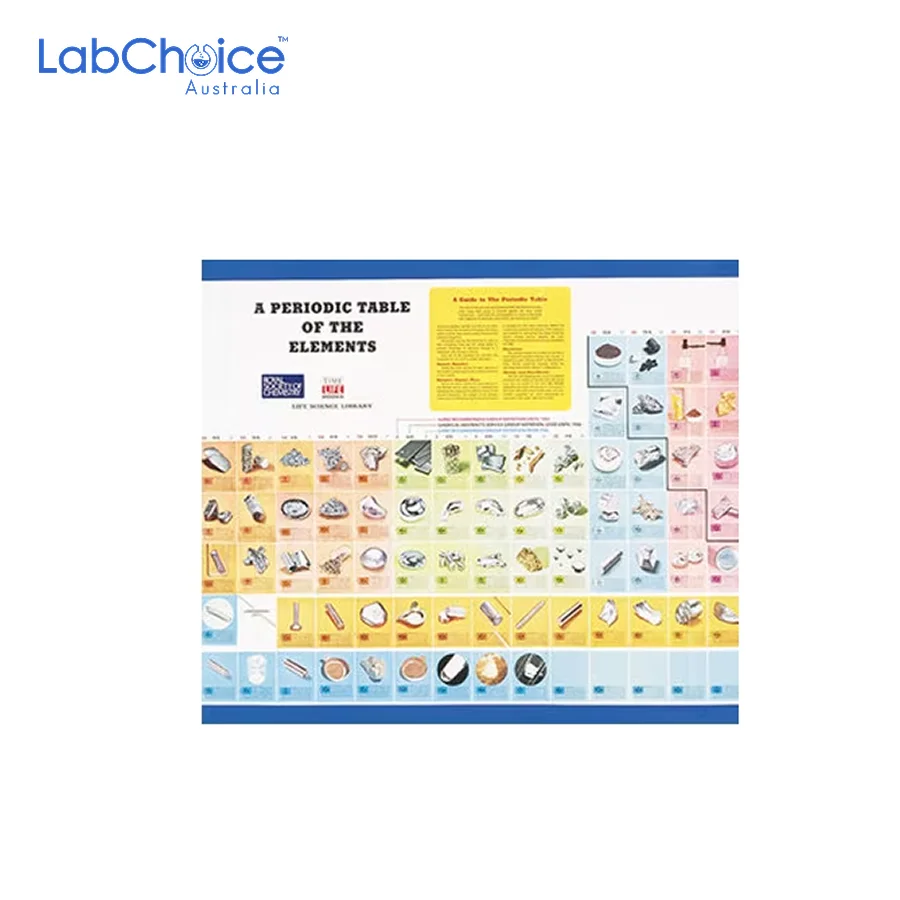
Chemistry Periodic Table of Elements with Illustrations
AUD 130.90(Ex GST)
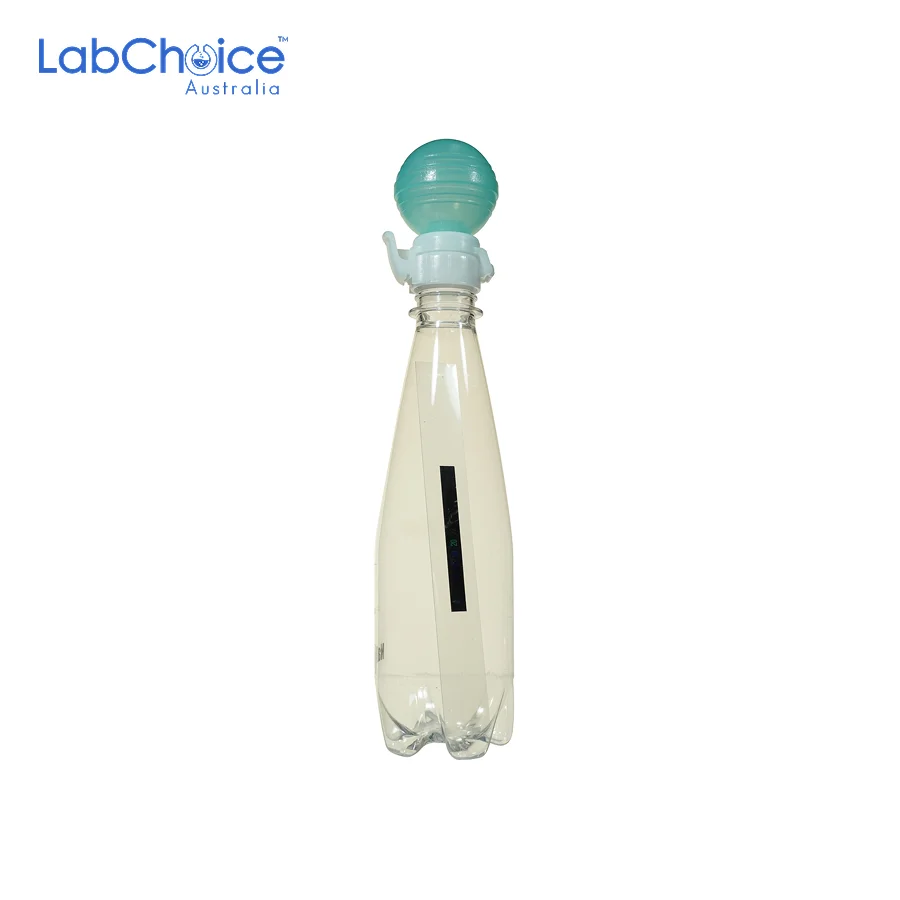
Cloud Bottle Demonstration Apparatus for Atmospheric Pressure
AUD 47.50(Ex GST)
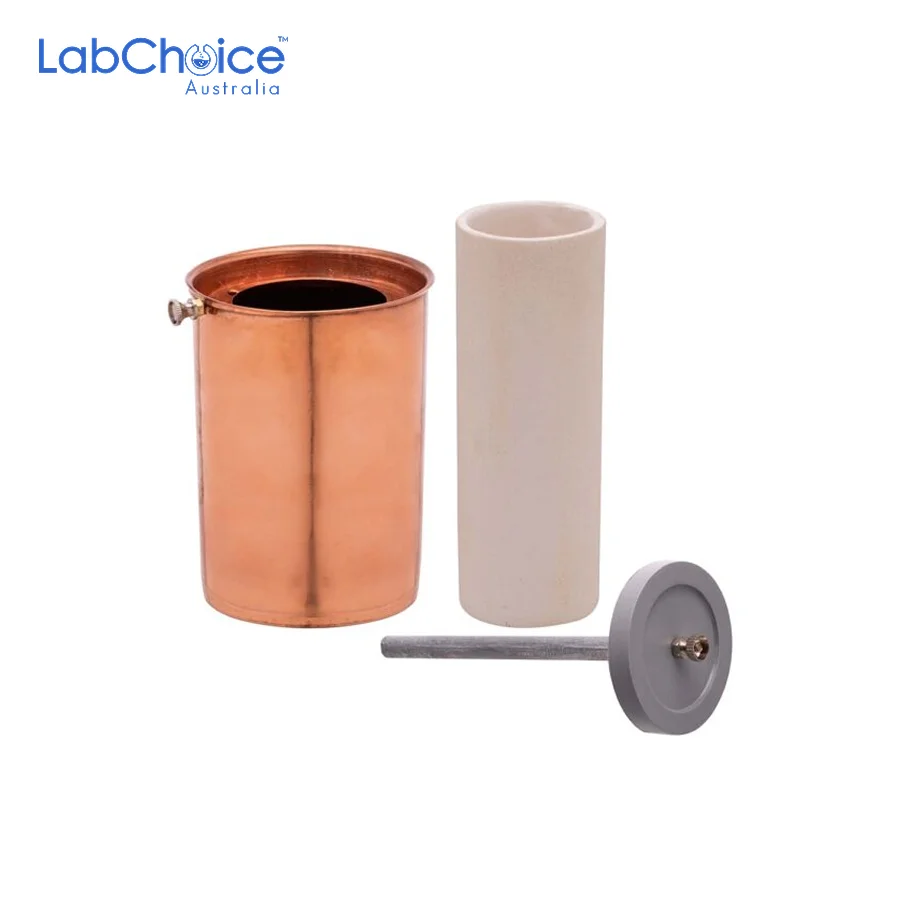
Daniell Cell, 125 × 75 mm, with Support and Terminal
AUD 54.90(Ex GST)
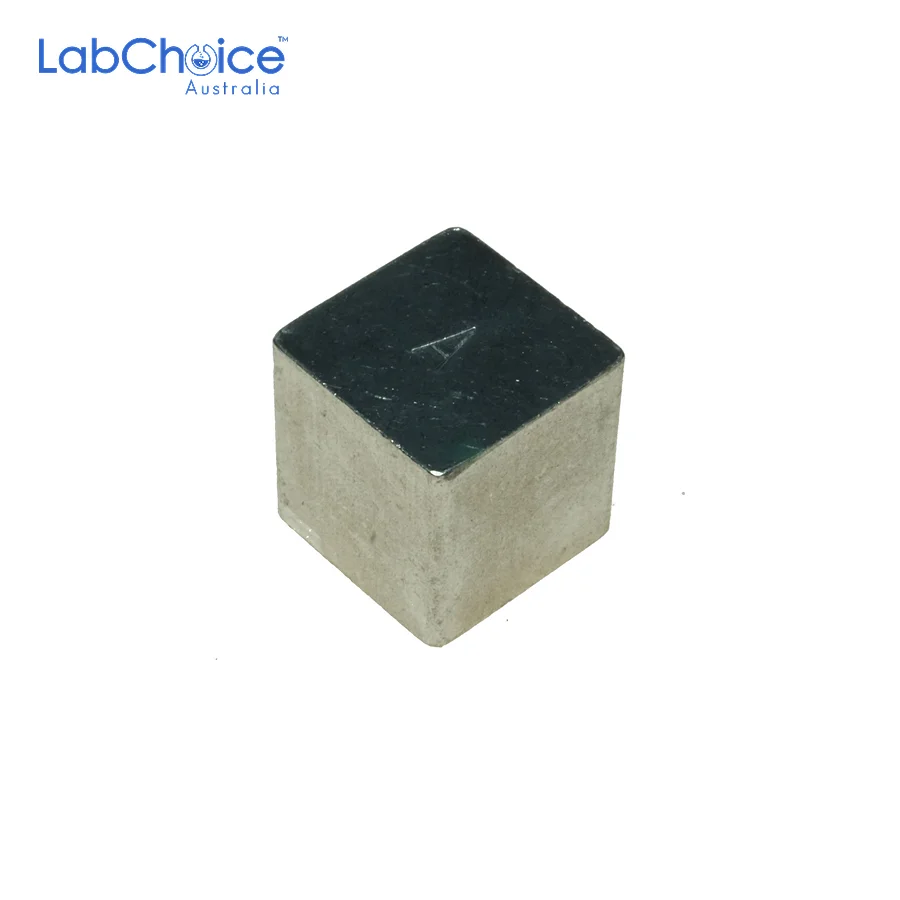
Density Cubes, 2.5 cm, Individual General Purpose Cubes
From AUD 4.90 (Ex GST)
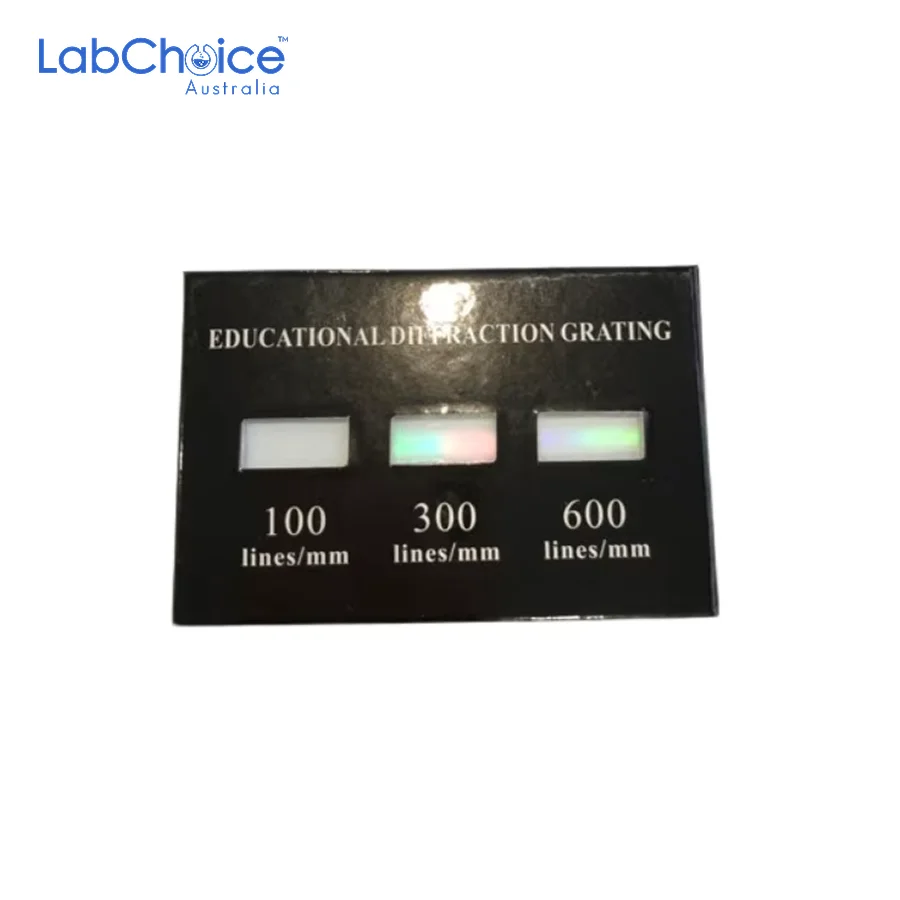
Diffraction Grating Card, Classroom Spectrum Comparison Holder
AUD 68.50(Ex GST)
Educational rock specimens For Display
From AUD 27.50 (Ex GST)
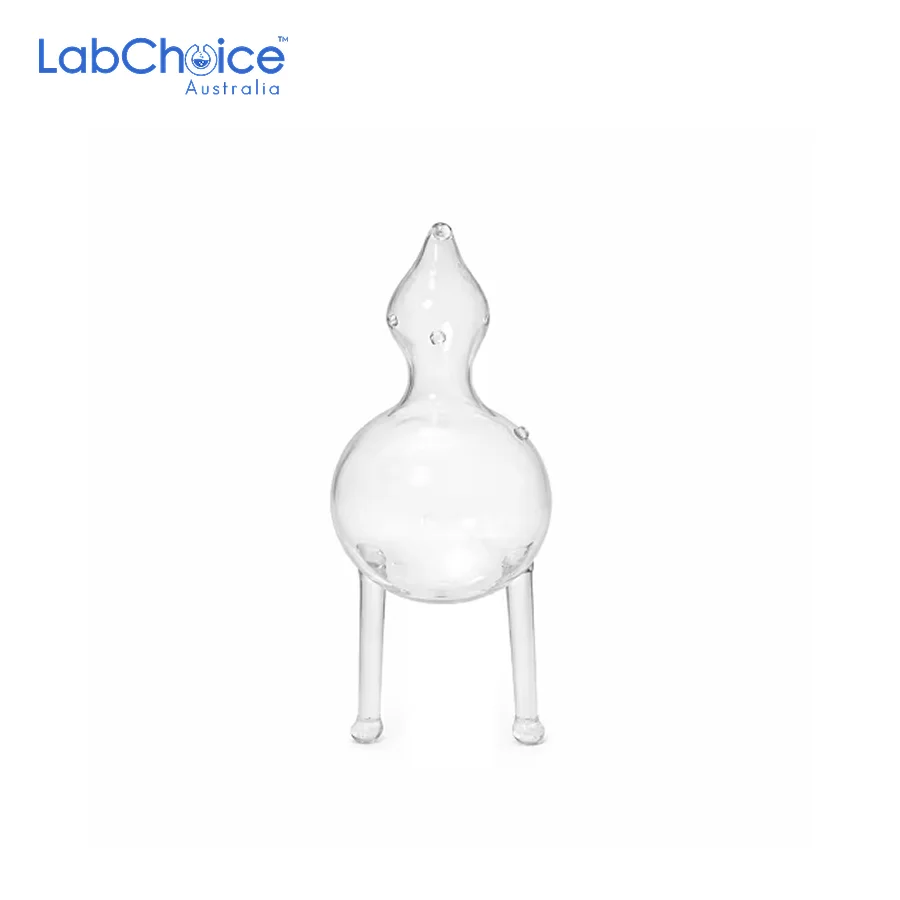
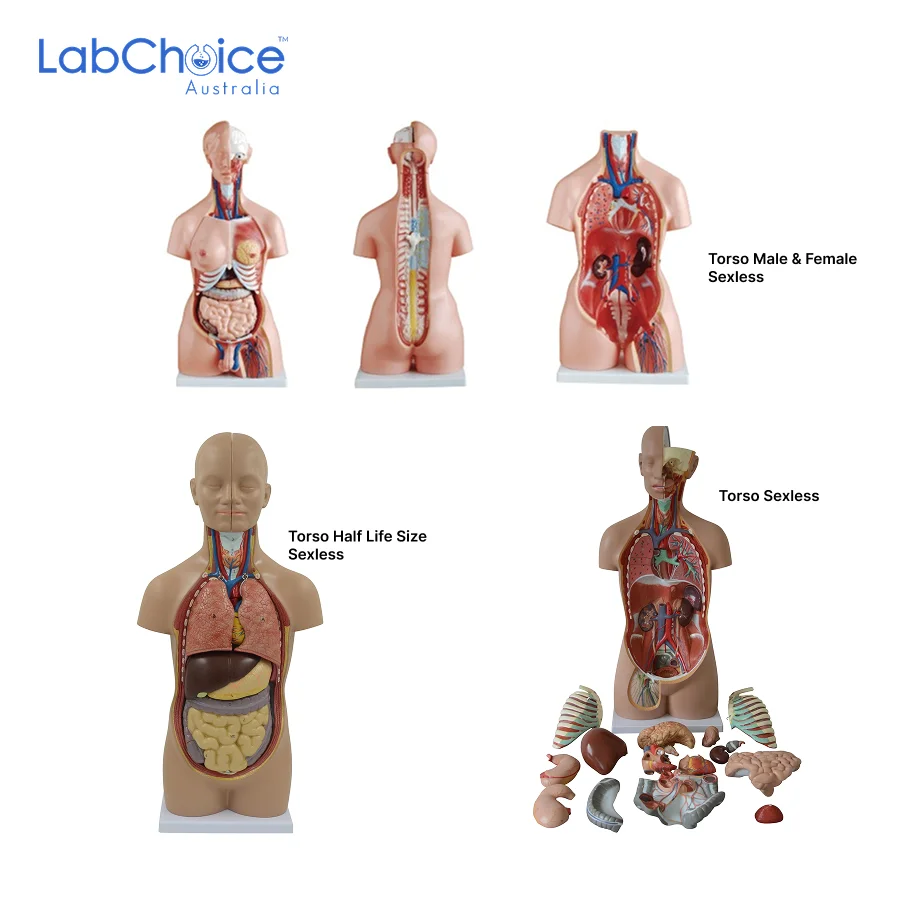
Human Anatomy Torso Model for Teaching
From AUD 224.50 (Ex GST)
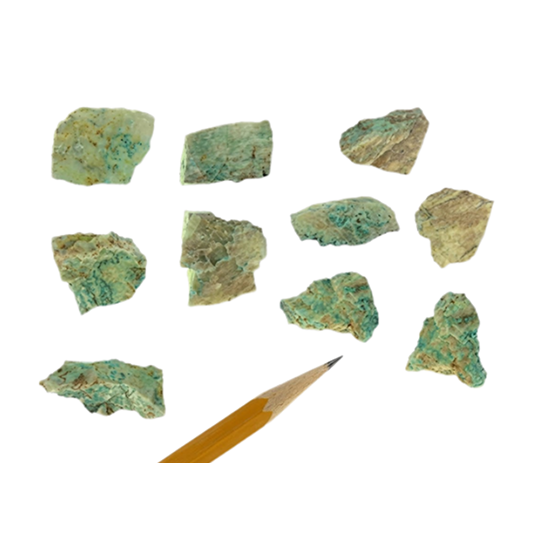
Individual Mineral Specimens For Display
From AUD 27.50 (Ex GST)
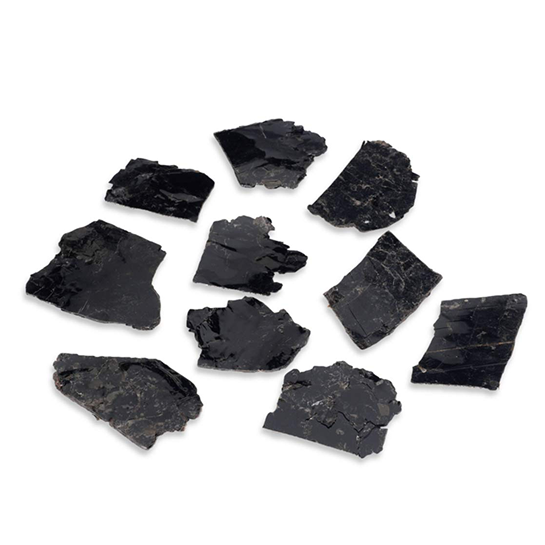
Mineral Specimens for Educational Geology
From AUD 29.90 (Ex GST)
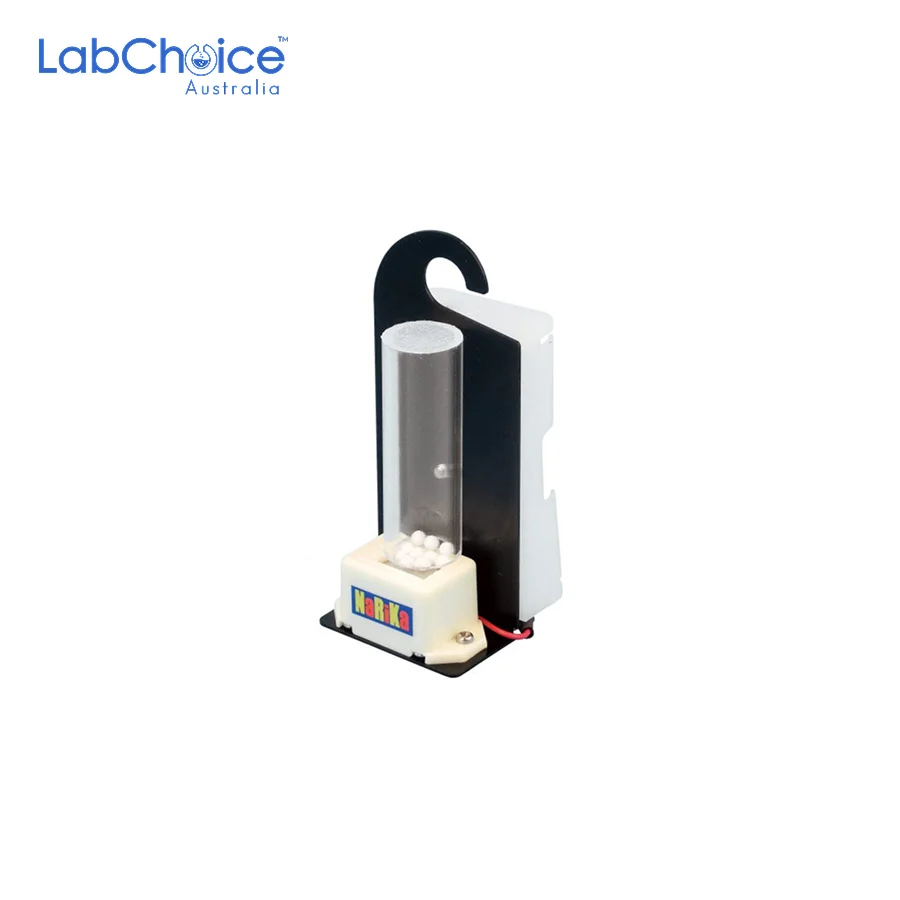
Portable Vacuum Buzzer for Vacuum Experiments
AUD 87.50(Ex GST)
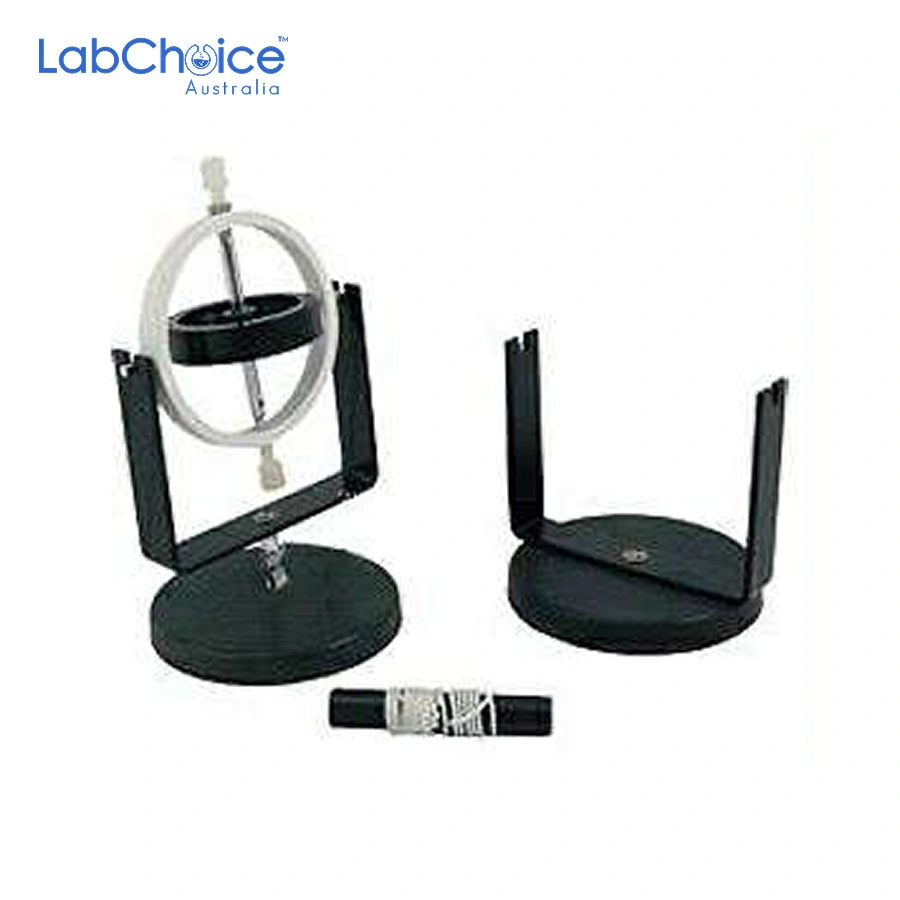
Student Gyroscope with Gimbal Ring and Stands
AUD 47.50(Ex GST)

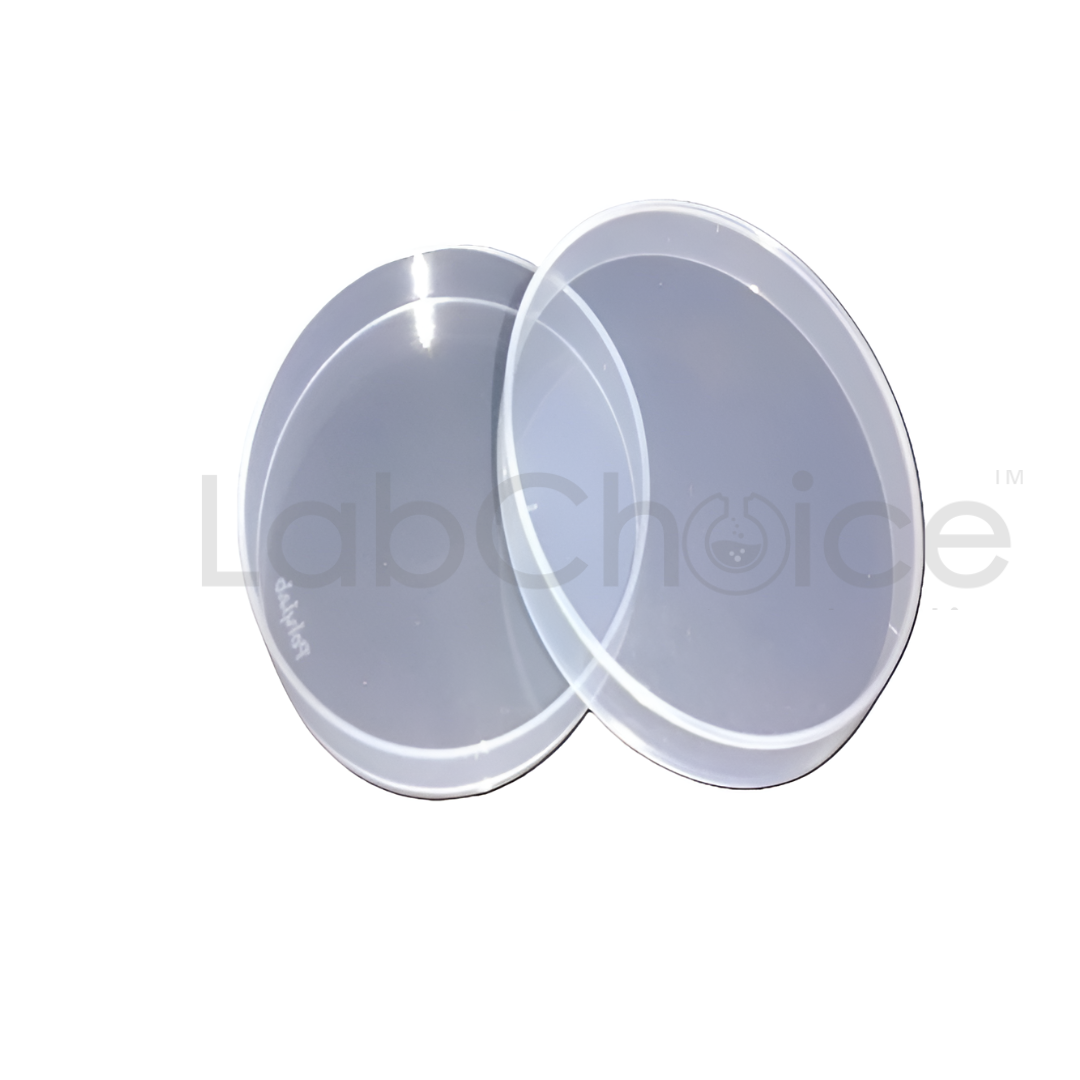
Petri Dishes, Polypropylene, Autoclavable & Reusable, High Quality
From AUD 1.20 (Ex GST)

Stirring Rods, Rounded Ends, Laboratory Grade, Borosilicate Glass (BORO 3.3)
From AUD 0.95 (Ex GST)
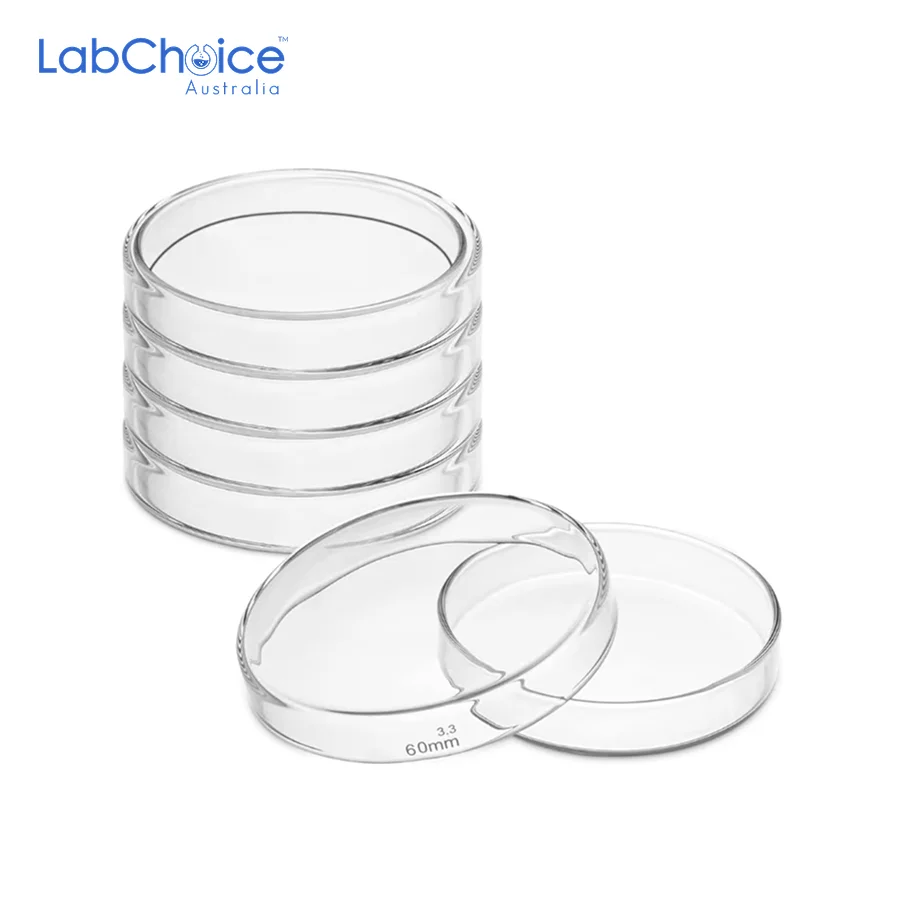

Glass Petri Dishes with Lid, Autoclavable, Borosilicate Glass (BORO 3.3)
From AUD 3.90 (Ex GST)

Human Ear Biology Chart, Plastic
AUD 93.50(Ex GST)

Human Heart Structure Biology Chart, Plastic
AUD 93.50(Ex GST)

Human Kidney Biology Chart, Plastic
AUD 93.50(Ex GST)
Human Ear Biology Chart, Plastic
AUD 93.50(Ex GST)
Human Heart Structure Biology Chart, Plastic
AUD 93.50(Ex GST)
Human Kidney Biology Chart, Plastic
AUD 93.50(Ex GST)

⭐⭐⭐⭐⭐
We ordered a set of customised BORO 3.3 borosilicate glassware for our teaching labs, and LabChoice Australia exceeded every expectation. From the first consultation to final delivery, their team listened carefully, offered expert advice, and ensured every piece matched our specifications perfectly.
The clarity and precision of the glassware are exceptional, and the quick turnaround made setup effortless. It’s refreshing to work with an Australian supplier who genuinely understands laboratory needs and takes pride in quality craftsmanship. We’ll definitely be returning to LabChoice for future glassware requirements
⭐⭐⭐⭐⭐
Our lab required high-precision BORO 3.3 glassware for analytical testing, and LabChoice Australia delivered outstanding results. The ordering process was simple, communication was clear, and every beaker and flask arrived perfectly calibrated and ready for use.
The quality of the glass is exceptional — resistant to heat, easy to clean, and consistently accurate in measurement. It’s reassuring to know there’s an Australian supplier that combines scientific precision with genuine customer care. I’d recommend LabChoice to any research team looking for dependable labware
⭐⭐⭐⭐⭐
We needed a set of customised borosilicate glassware for a specialised project, and LabChoice Australia delivered exactly what we envisioned. The team worked closely with us from design to production, ensuring every detail met our specifications. The craftsmanship is exceptional, and the turnaround time was impressive. It’s reassuring to know we can rely on them for unique, made-to-order pieces
⭐⭐⭐⭐⭐
LabChoice Australia has completely changed the way we source our lab glassware. The quality is consistently top-notch, and every piece meets the precision we need for reliable results. Their team knows their stuff, answers our questions quickly, and always goes the extra mile to help — they’re more like partners than just a supplier.
⭐⭐⭐⭐⭐
We trust LabChoice Australia because they deliver every time. Their borosilicate glassware is durable, accurate, and perfect for the high-heat work we do. Everything arrives well-packed with clear specs, so there are never surprises. It’s reassuring to deal with a supplier who understands both compliance and the demands of a busy lab