


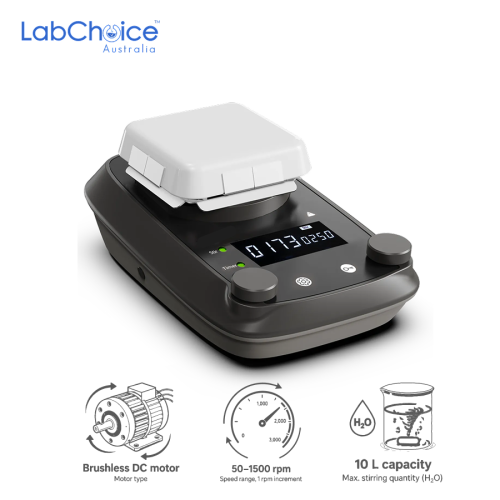
LCD Glass Ceramic Magnetic Stirrer, 4 Inch, up to 10 L Capacity
AUD 612.50(Ex GST)
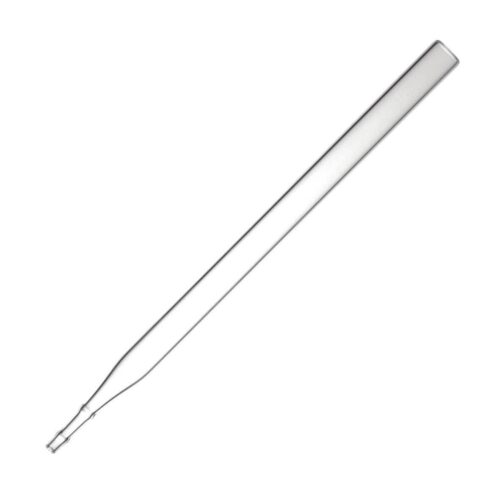
Boyle’s Law Glass Tubes, Laboratory Demonstration Tube Set
From AUD 21.90 (Ex GST)
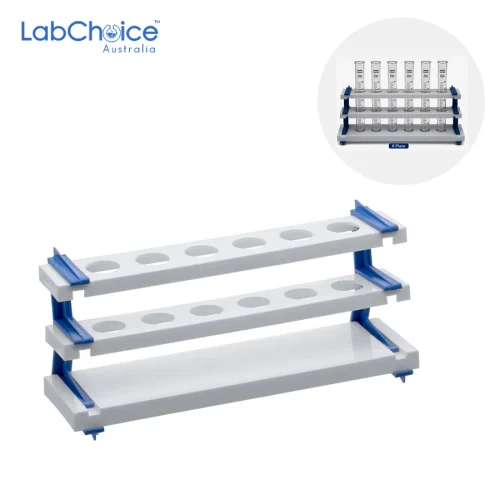
Polypropylene Nessler Cylinder Rack for 6 × 50 mL Cylinders
AUD 13.90(Ex GST)
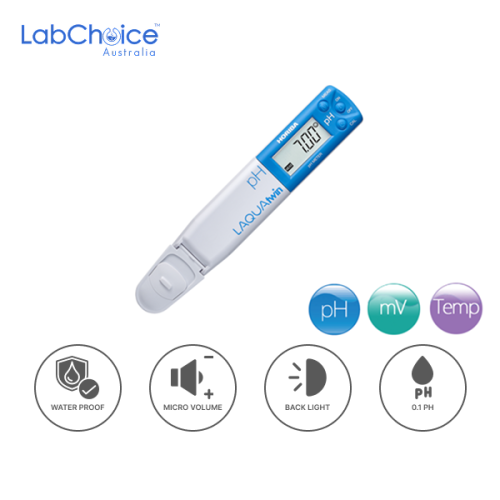
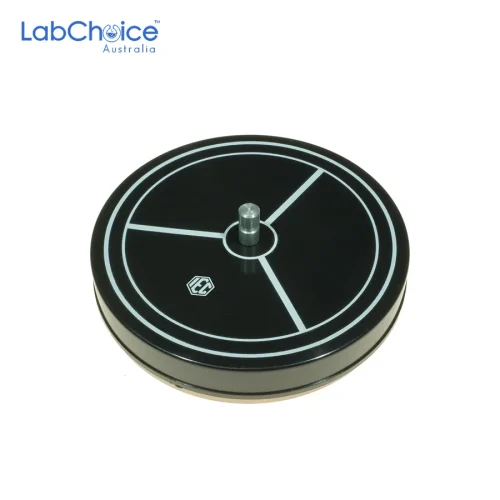
Air Table Pucks, Complete with Weights
From AUD 38.50 (Ex GST)

Erlenmeyer Conical Flask, Narrow Neck, Borosilicate Glass (BORO 3.3)
From AUD 2.90 (Ex GST)
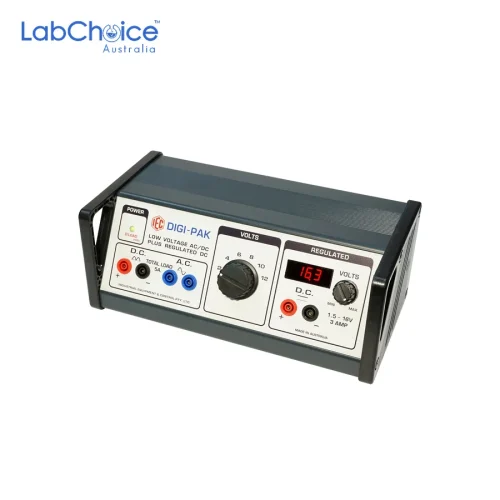
Digi-Pak Power Supply, 2 to 12 V Switched and 1 to 16 V Regulated DC
AUD 554.90(Ex GST)
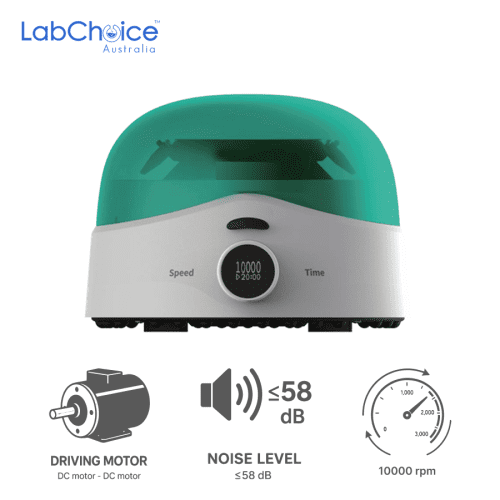
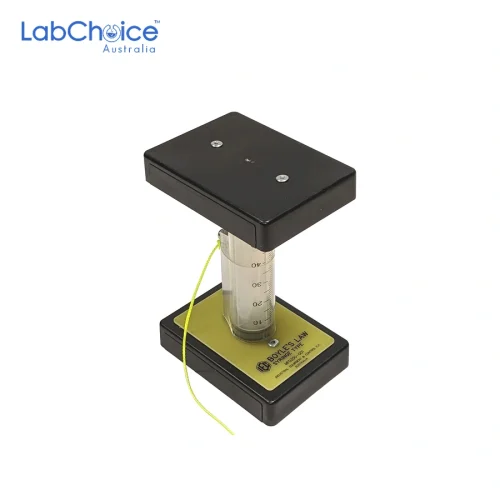
Boyle’s Law Syringe Apparatus
AUD 68.50(Ex GST)
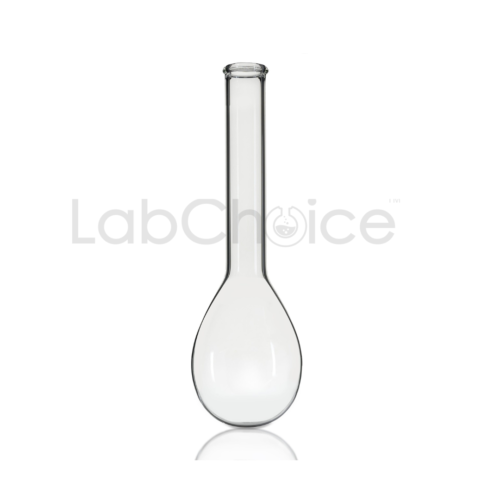
Kjeldahl Digestion Flask Borosilicate Glass
From AUD 15.20 (Ex GST)
You May Also Need
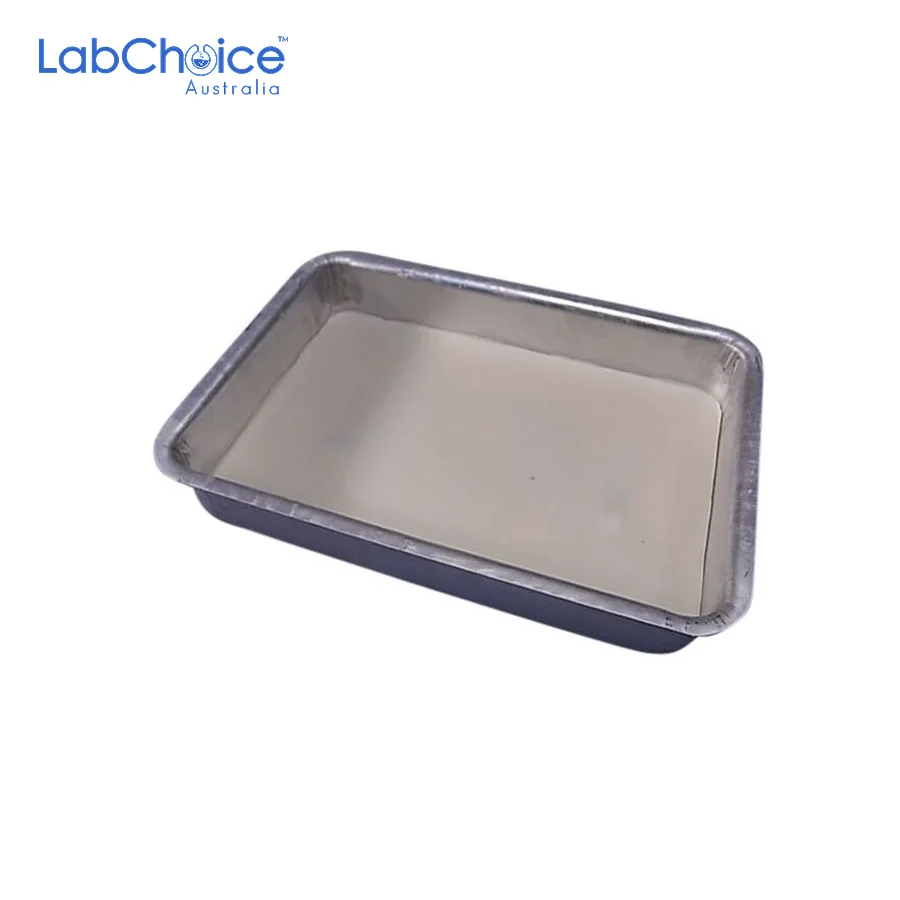
Aluminium Dissecting Dish with Wax, 330 × 230 × 70 mm
AUD 72.50(Ex GST)
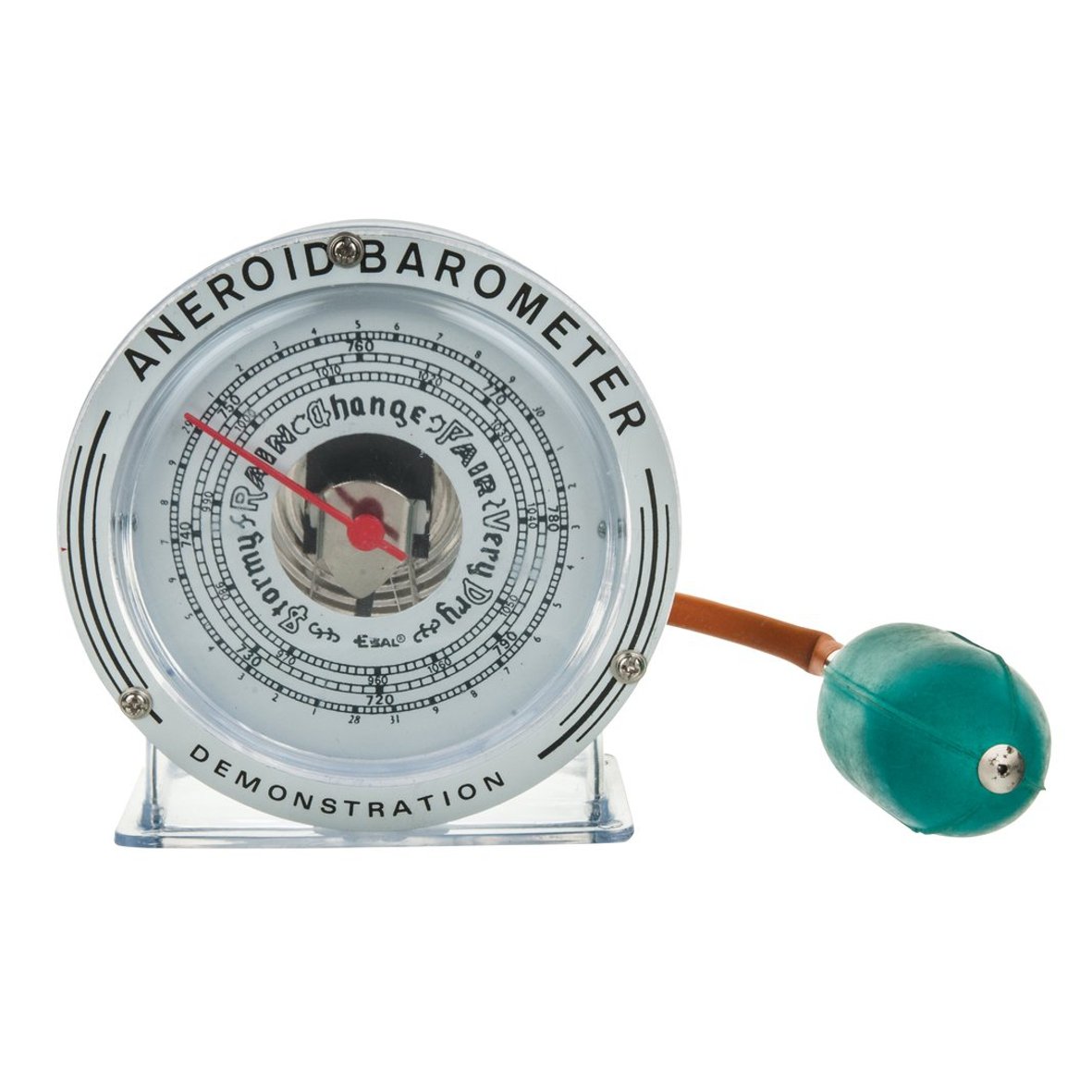
Aneroid Barometers and Max Min Thermometer Hygrometer, Gilt Dial and Demonstration Model
From AUD 47.50 (Ex GST)
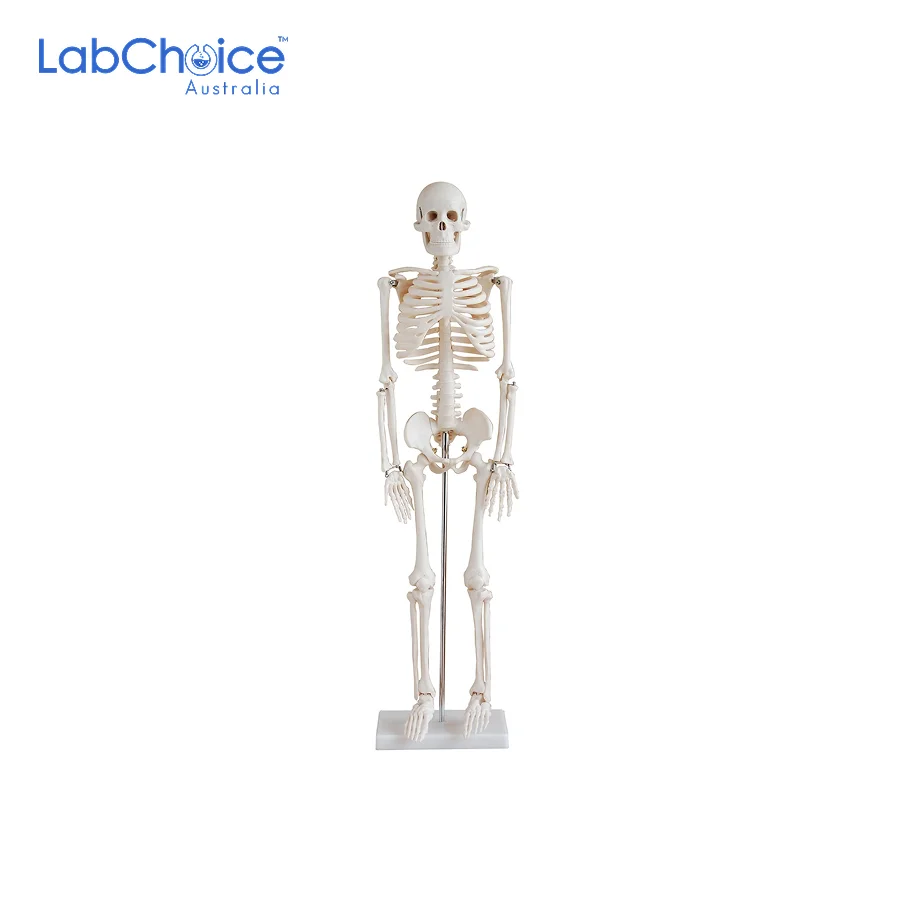
Biological Small Skeleton Model, 850 mm on Stand
AUD 124.50(Ex GST)
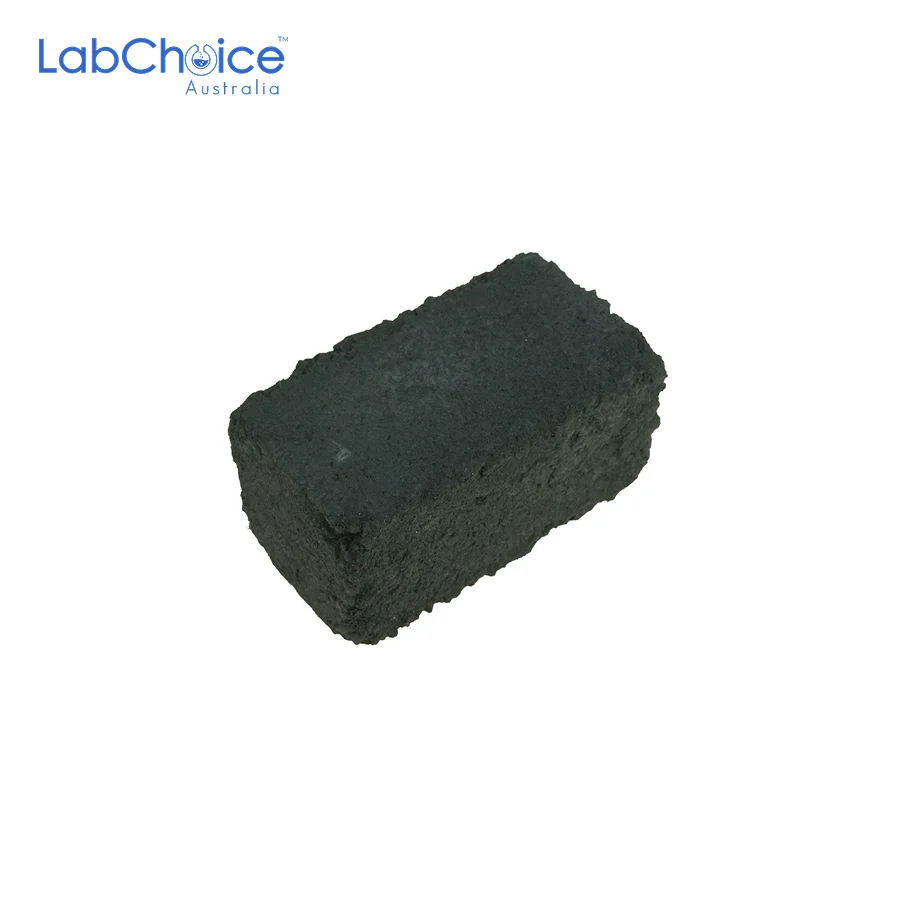
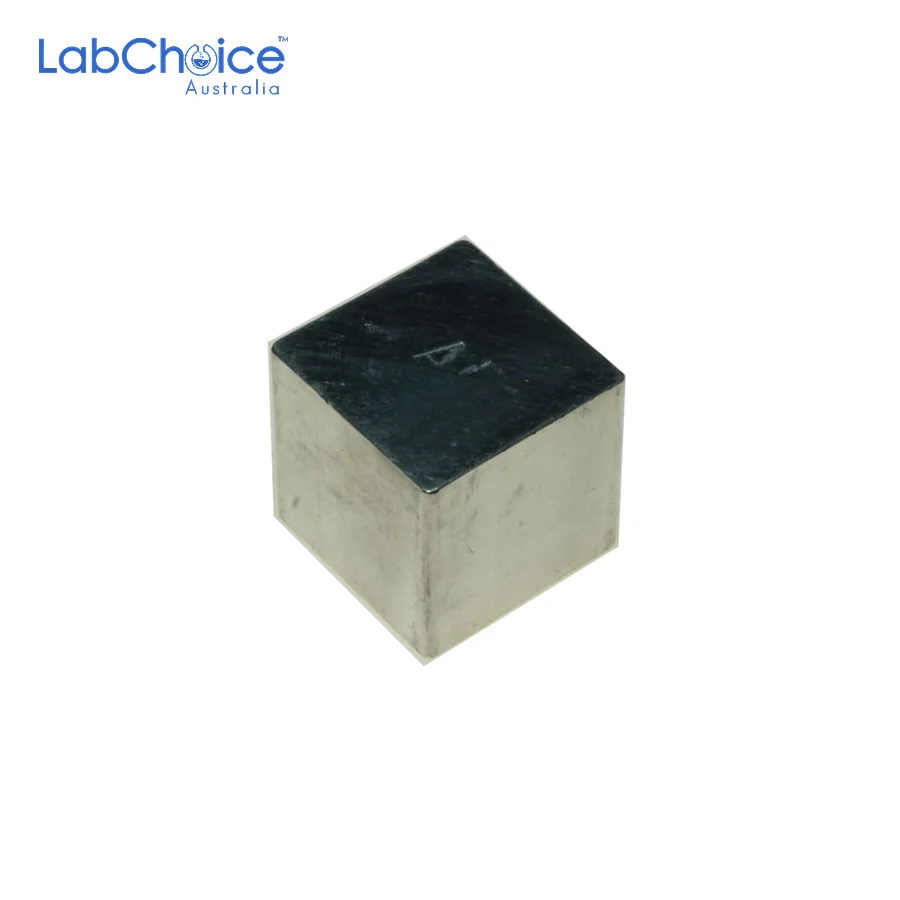
Density Cubes, 2 cm Spare Cubes for Density Experiments
From AUD 3.50 (Ex GST)
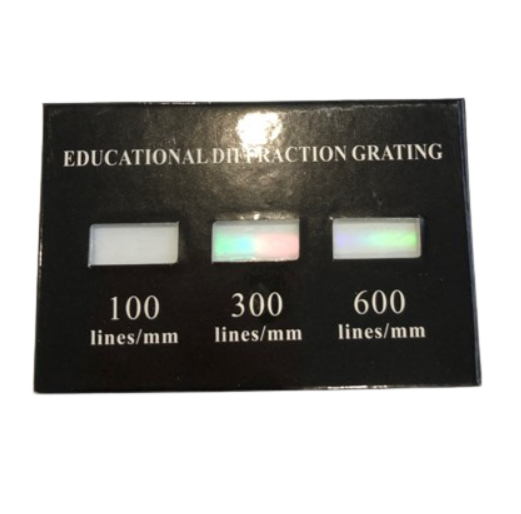
Diffraction Grating Card, Classroom Spectrum Comparison Holder
AUD 68.50(Ex GST)
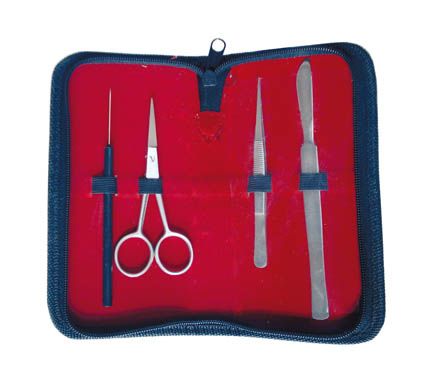
Dissecting Instrument Sets, Walleted Laboratory and Classroom Kits
From AUD 29.90 (Ex GST)
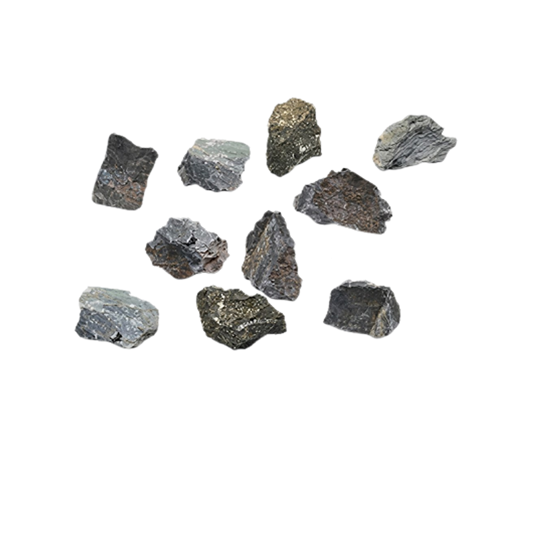
Educational rock specimens - Pack of 10 Pcs
From AUD 24.90 (Ex GST)
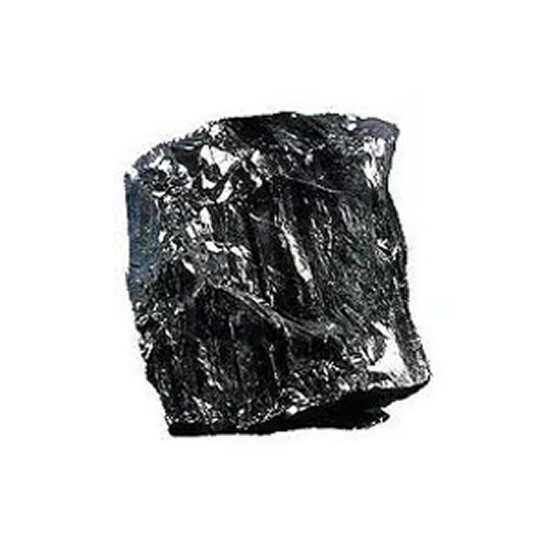
Educational rock specimens for geology
From AUD 24.90 (Ex GST)
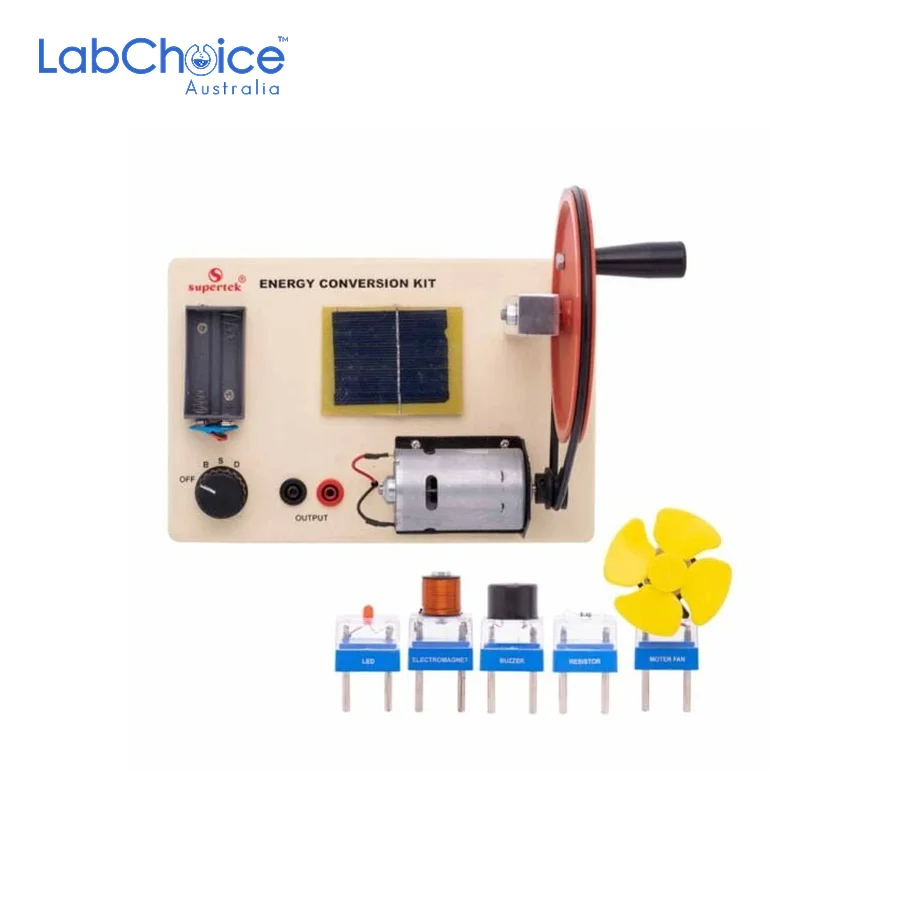
Energy Conversion Kit with Accessories
AUD 174.50(Ex GST)
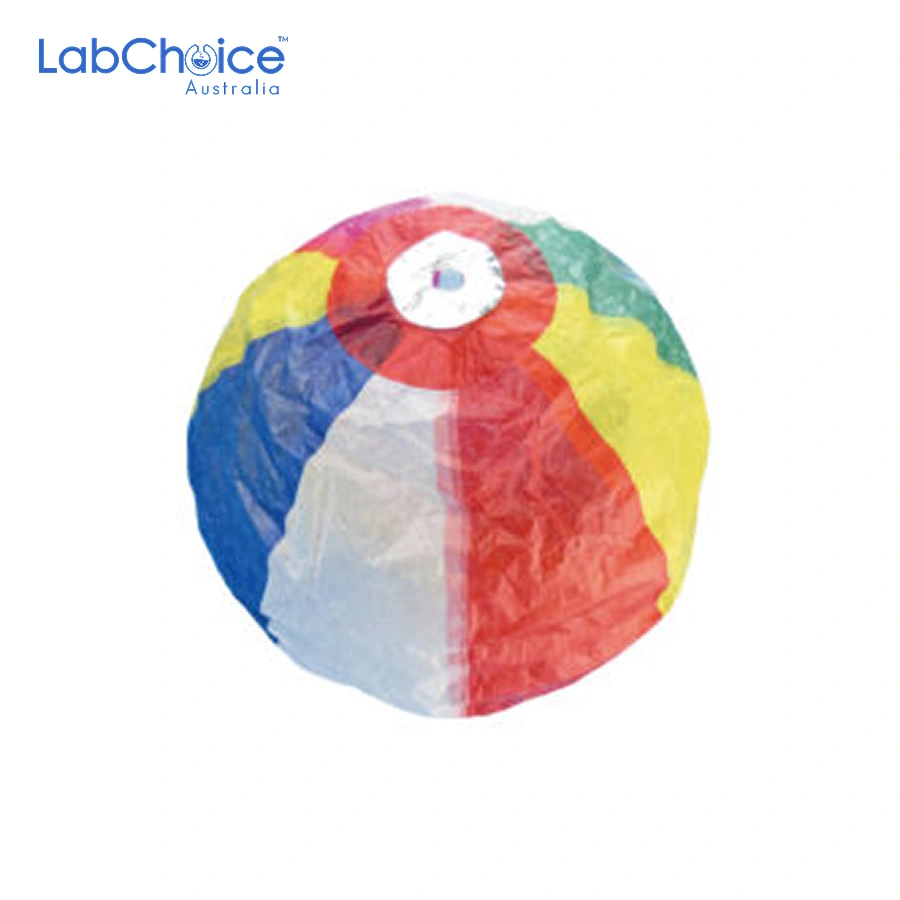
Kamifusen Paper Balloons, Class Activity Ice-Breaker - Pack of 10
AUD 42.50(Ex GST)
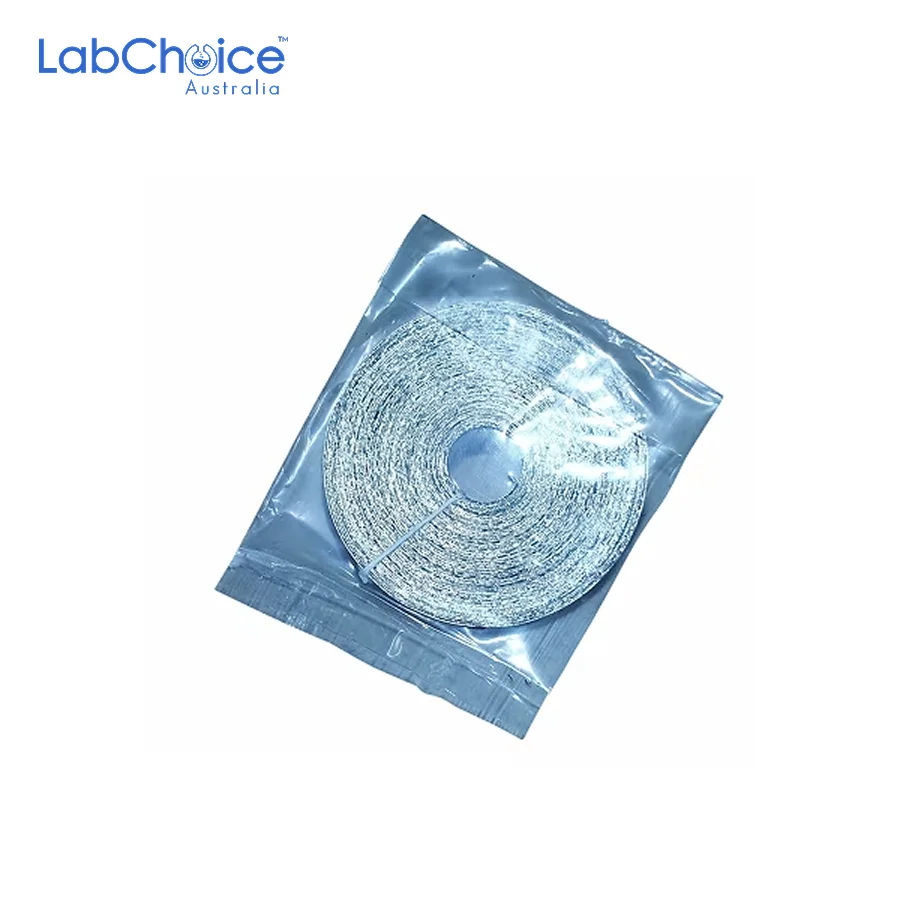
Magnesium Ribbon Reel for Magnesium Oxide Preparation
AUD 72.50(Ex GST)
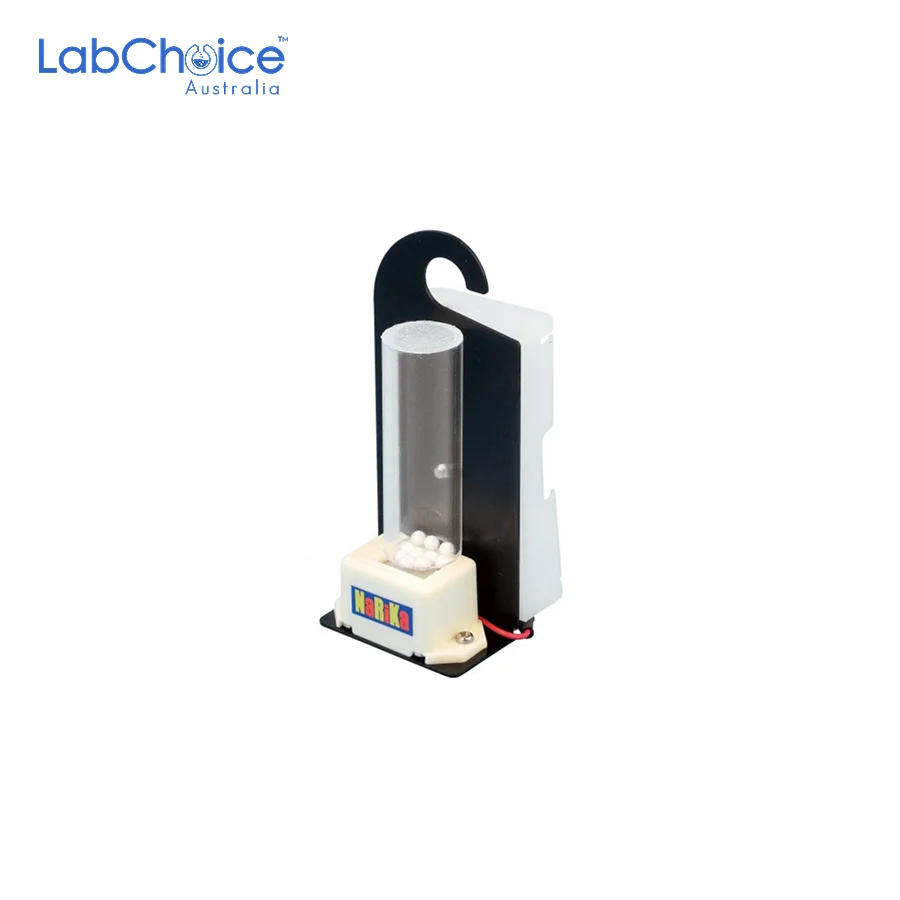
Portable Vacuum Buzzer for Vacuum Experiments
AUD 87.50(Ex GST)
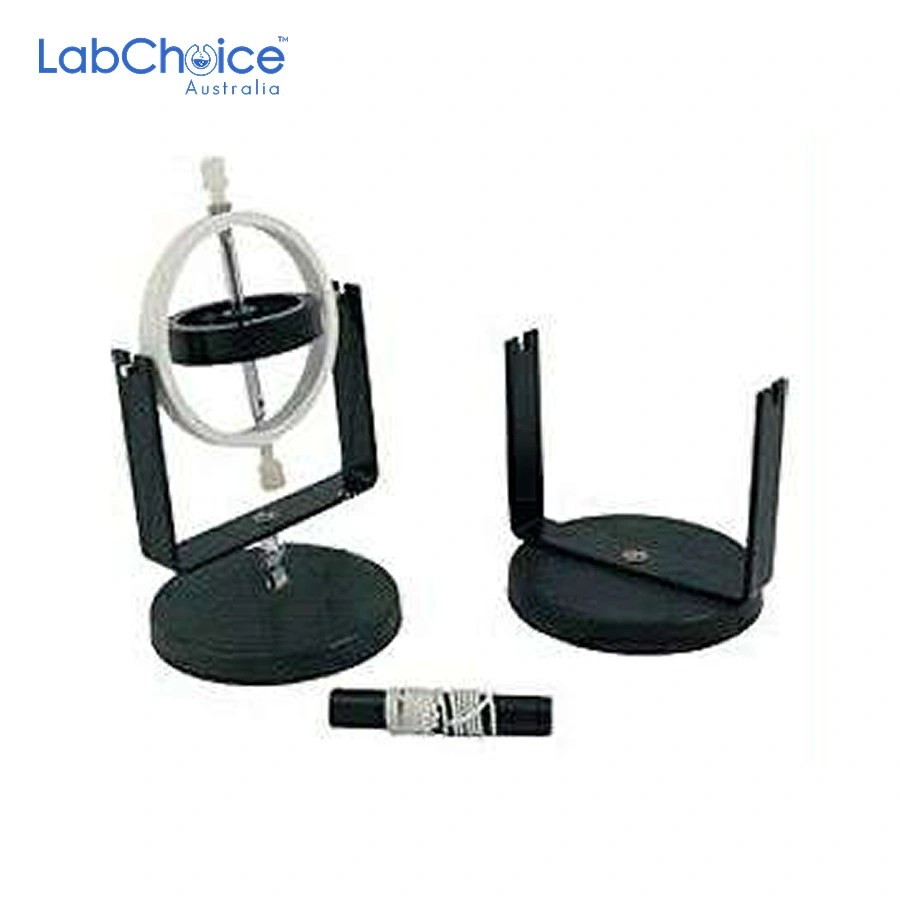
Student Gyroscope Kit for Inertia and Precession
AUD 47.50(Ex GST)
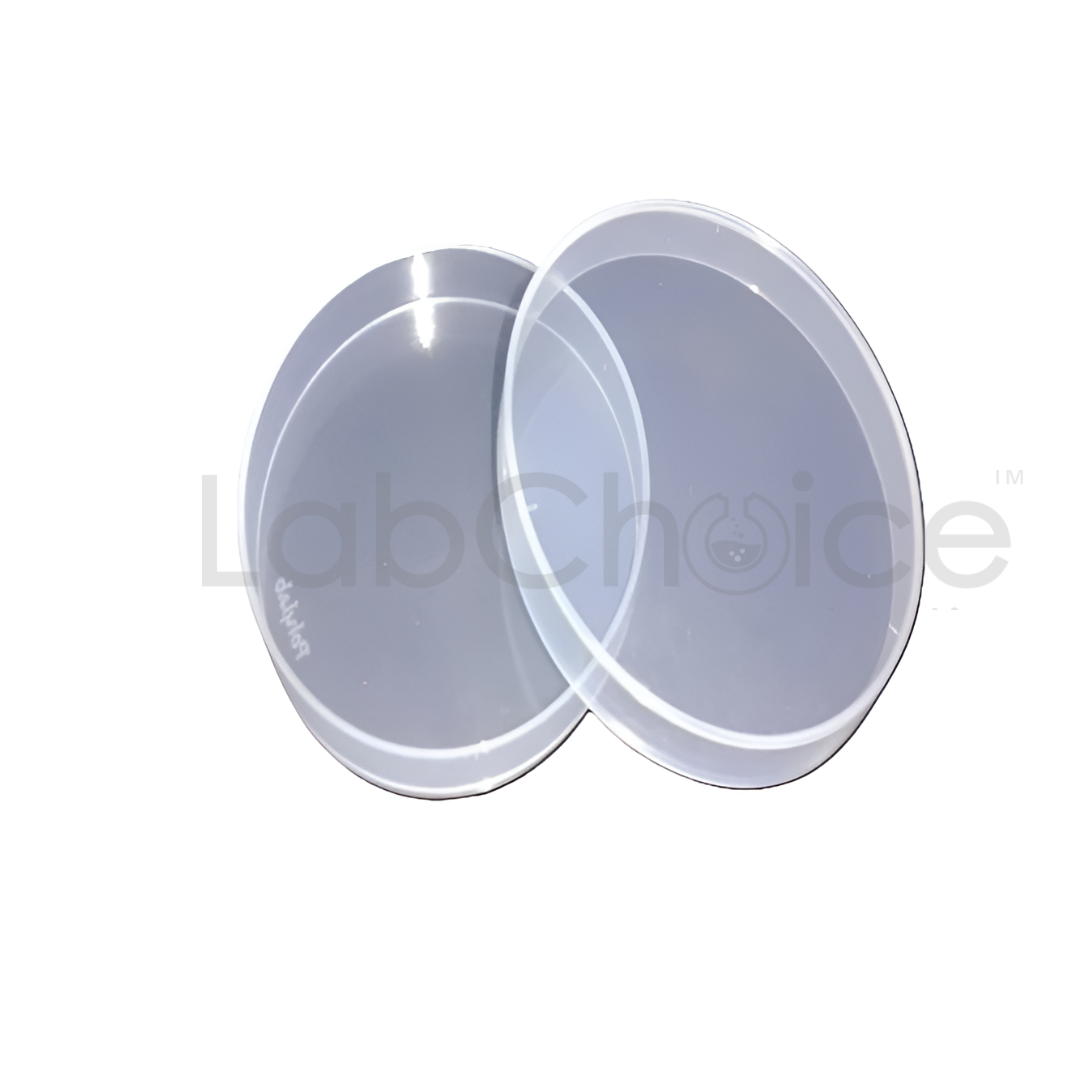
Petri Dishes, Polypropylene, Autoclavable & Reusable, High Quality
From AUD 1.20 (Ex GST)

Glass Petri Dishes with Lid, Autoclavable, Borosilicate Glass (BORO 3.3)
From AUD 3.90 (Ex GST)
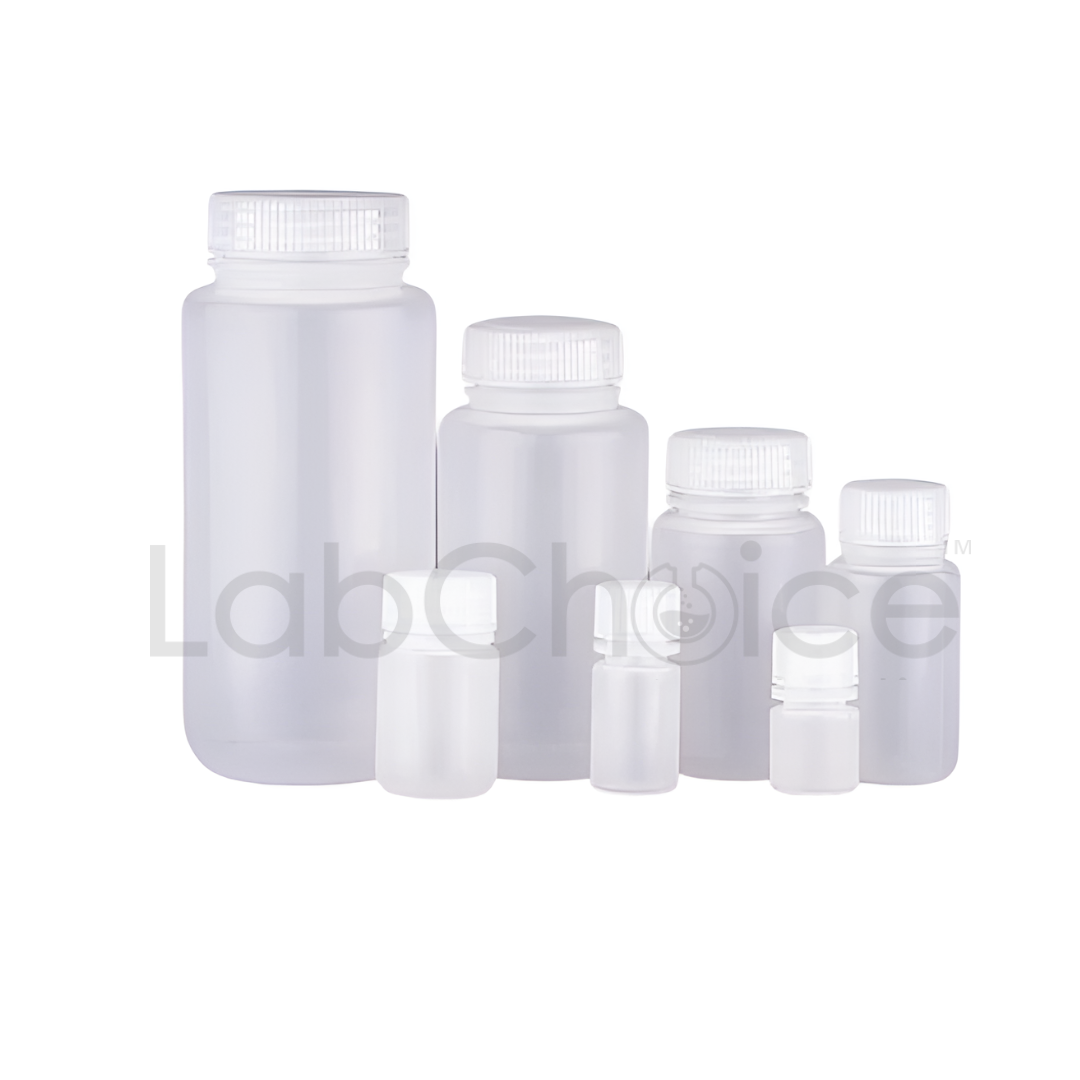
Reagent Bottles, Wide Mouth, HDPE, Chemical-Resistant, Highly Reliable & Durable - Each
From AUD 1.50 (Ex GST)
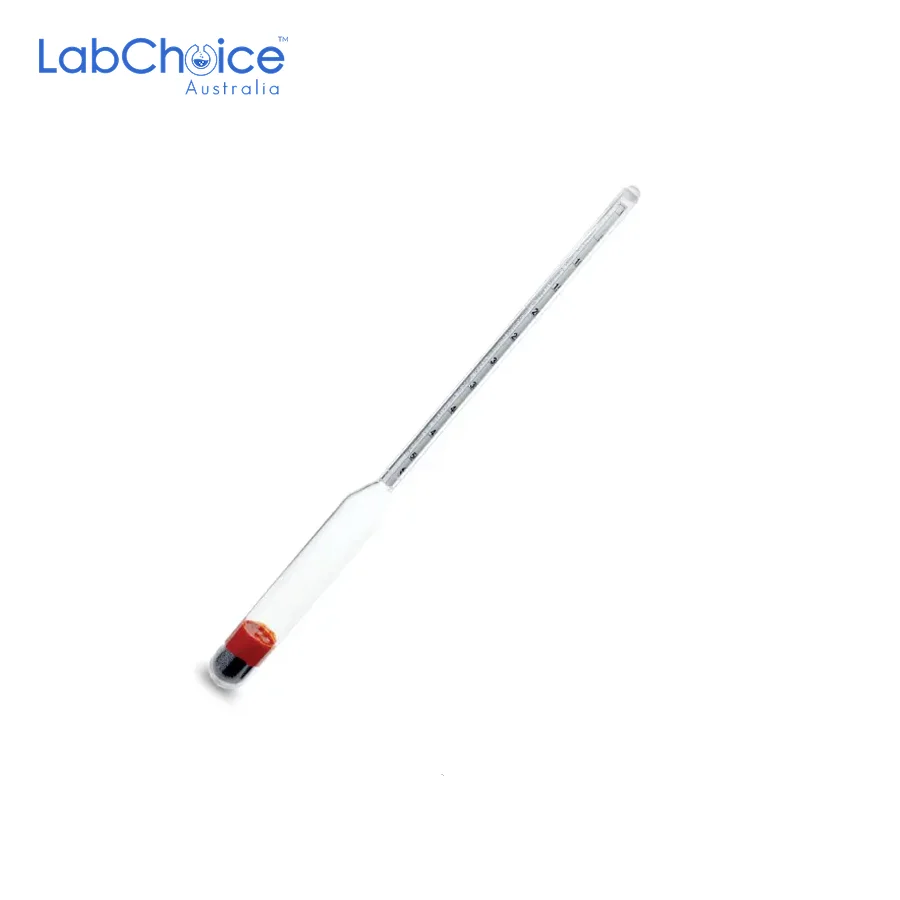
Brix Hydrometer, Glass, for Sugar Concentration Measurement
From AUD 39.50 (Ex GST)
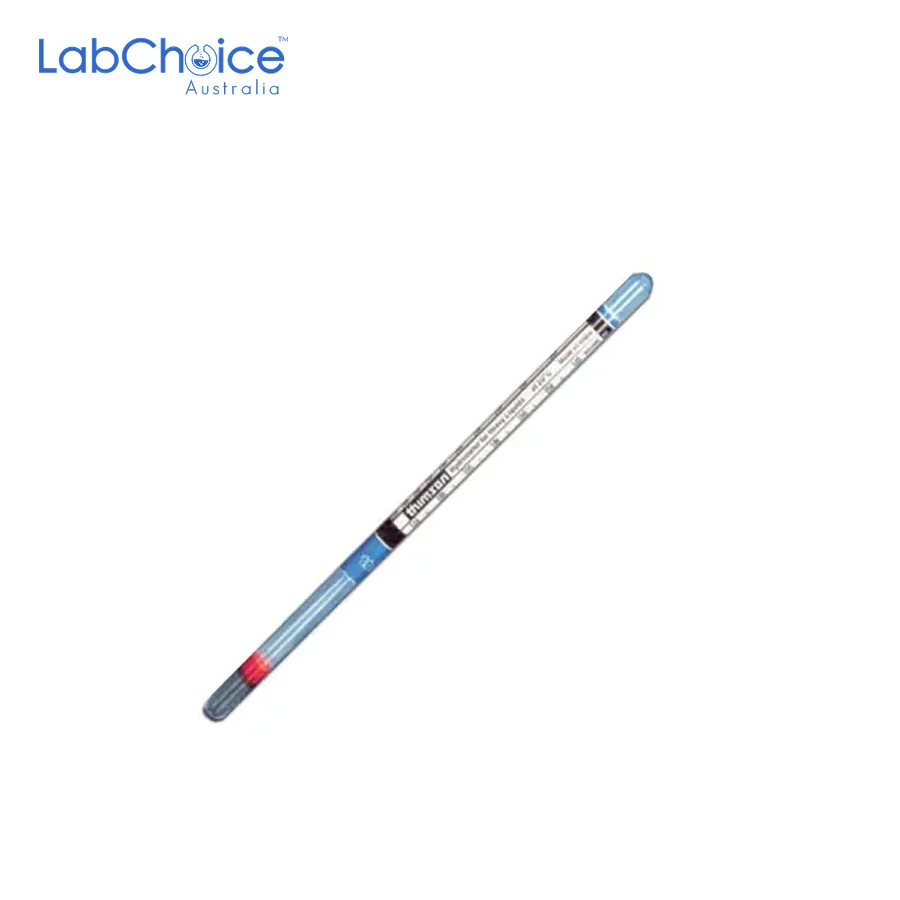
Heavy Liquids Hydrometer, Specific Gravity and Baume
From AUD 39.50 (Ex GST)
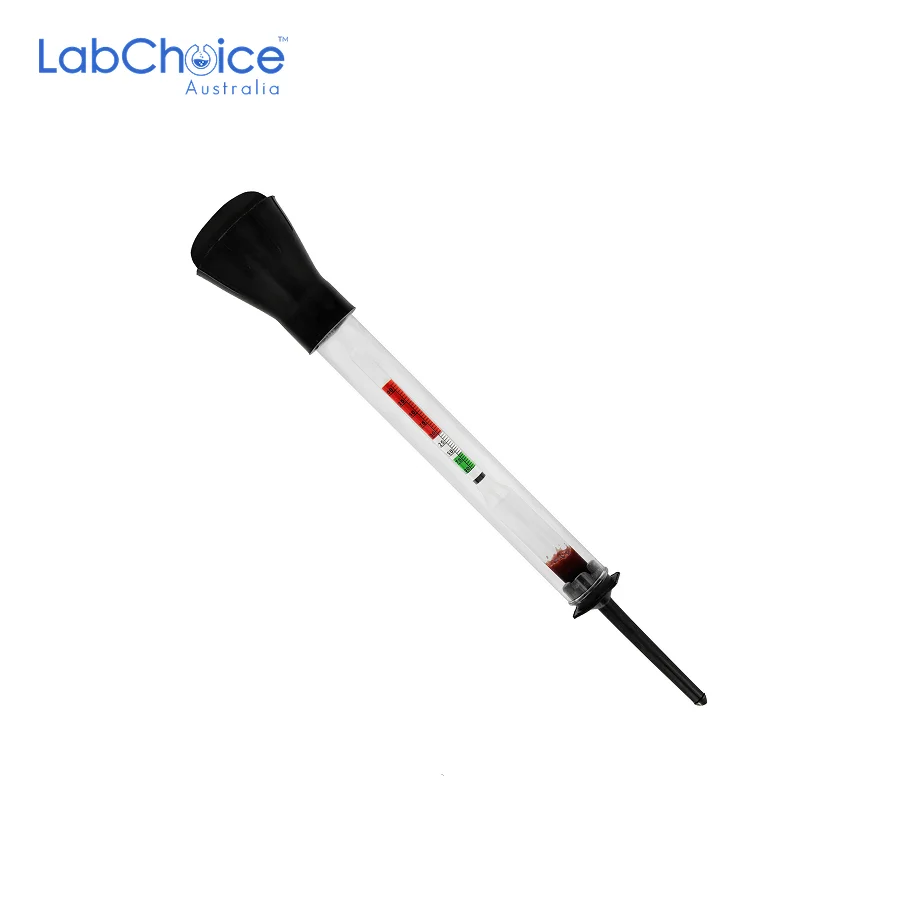
Battery Hydrometer Acid Tester, High Quality
AUD 24.50(Ex GST)
Brix Hydrometer, Glass, for Sugar Concentration Measurement
From AUD 39.50 (Ex GST)
Battery Hydrometer Acid Tester, High Quality
AUD 24.50(Ex GST)
Heavy Liquids Hydrometer, Specific Gravity and Baume
From AUD 39.50 (Ex GST)

⭐⭐⭐⭐⭐
We ordered a set of customised BORO 3.3 borosilicate glassware for our teaching labs, and LabChoice Australia exceeded every expectation. From the first consultation to final delivery, their team listened carefully, offered expert advice, and ensured every piece matched our specifications perfectly.
The clarity and precision of the glassware are exceptional, and the quick turnaround made setup effortless. It’s refreshing to work with an Australian supplier who genuinely understands laboratory needs and takes pride in quality craftsmanship. We’ll definitely be returning to LabChoice for future glassware requirements
⭐⭐⭐⭐⭐
Our lab required high-precision BORO 3.3 glassware for analytical testing, and LabChoice Australia delivered outstanding results. The ordering process was simple, communication was clear, and every beaker and flask arrived perfectly calibrated and ready for use.
The quality of the glass is exceptional — resistant to heat, easy to clean, and consistently accurate in measurement. It’s reassuring to know there’s an Australian supplier that combines scientific precision with genuine customer care. I’d recommend LabChoice to any research team looking for dependable labware
⭐⭐⭐⭐⭐
We needed a set of customised borosilicate glassware for a specialised project, and LabChoice Australia delivered exactly what we envisioned. The team worked closely with us from design to production, ensuring every detail met our specifications. The craftsmanship is exceptional, and the turnaround time was impressive. It’s reassuring to know we can rely on them for unique, made-to-order pieces
⭐⭐⭐⭐⭐
LabChoice Australia has completely changed the way we source our lab glassware. The quality is consistently top-notch, and every piece meets the precision we need for reliable results. Their team knows their stuff, answers our questions quickly, and always goes the extra mile to help — they’re more like partners than just a supplier.
⭐⭐⭐⭐⭐
We trust LabChoice Australia because they deliver every time. Their borosilicate glassware is durable, accurate, and perfect for the high-heat work we do. Everything arrives well-packed with clear specs, so there are never surprises. It’s reassuring to deal with a supplier who understands both compliance and the demands of a busy lab