




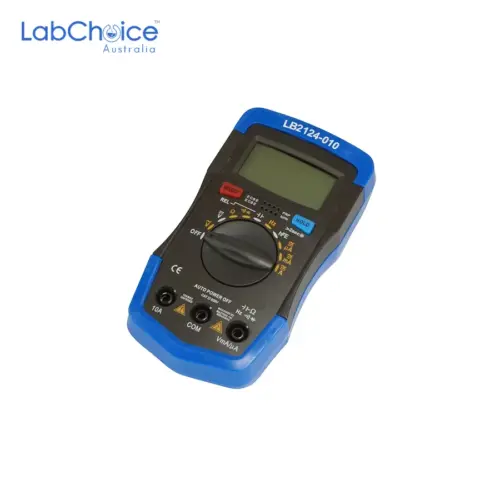
Digital Multimeter, Auto-Ranging, Capacitance & Auto Power Off
AUD 42.50(Ex GST)
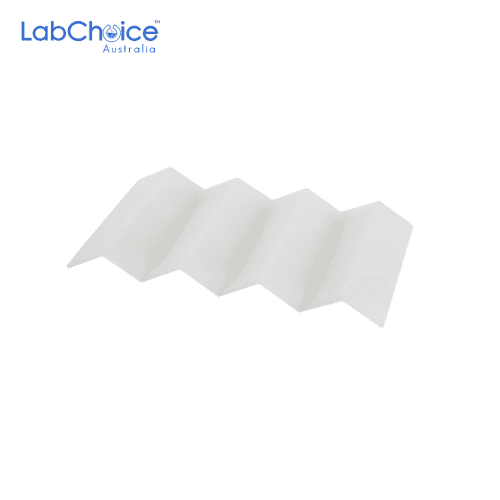

Wooden Rulers, Brass Tipped Horizontal and Vertical Scale Type
From AUD 23.90 (Ex GST)
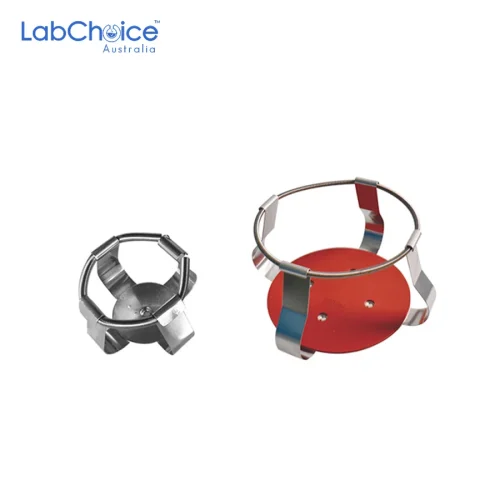
flask clamps CO₂ Orbital Shaker Accessory Pack
AUD 703.90(Ex GST)
Air Track Spark Track EHV Strip Guides
From AUD 173.90 (Ex GST)
Boyle’s Law High Pressure Spare Glass Tubes
From AUD 34.90 (Ex GST)
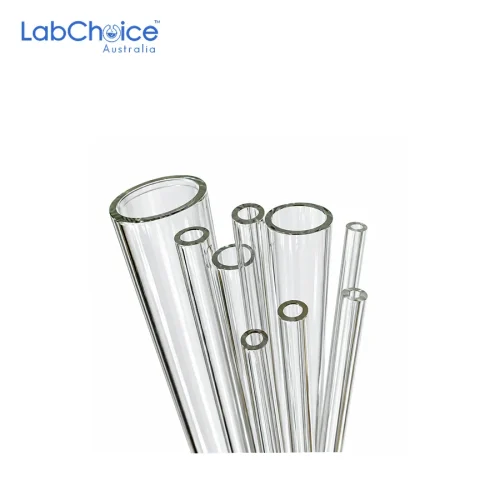
Glass Blowing Tube, BORO 3.3, 22 mm OD with 1.8 mm Wall Thickness
From AUD 29.90 (Ex GST)
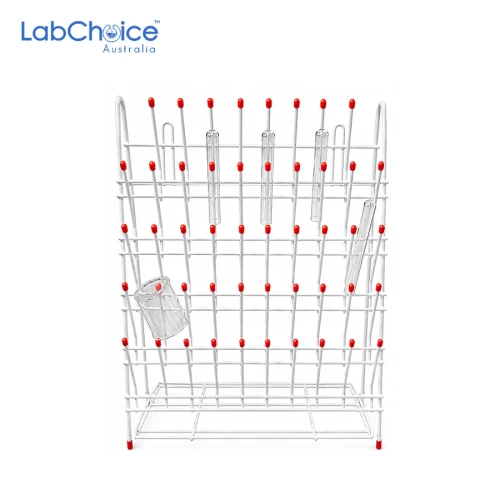
Draining and Drying Rack, 48 Points, 350 × 530 mm
AUD 68.50(Ex GST)

Digital Mini Wave Signal Generator, 0.1 Hz to 100 kHz, 1 A Output
AUD 469.50(Ex GST)
You May Also Need
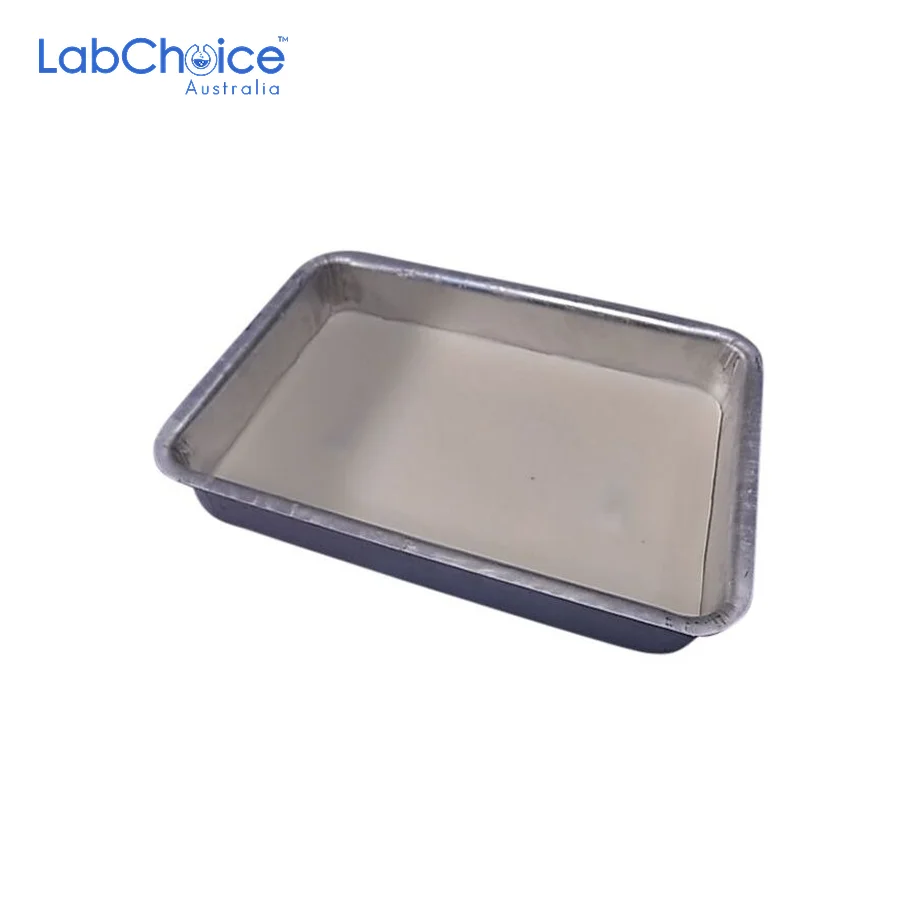
Aluminium Dissecting Dish with Wax, 330 × 230 × 70 mm
AUD 72.50(Ex GST)
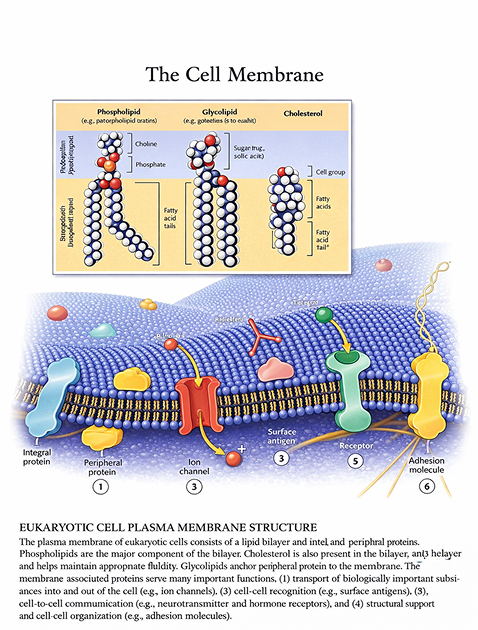
Biology Charts, Science Teaching Reference Posters
From AUD 93.50 (Ex GST)
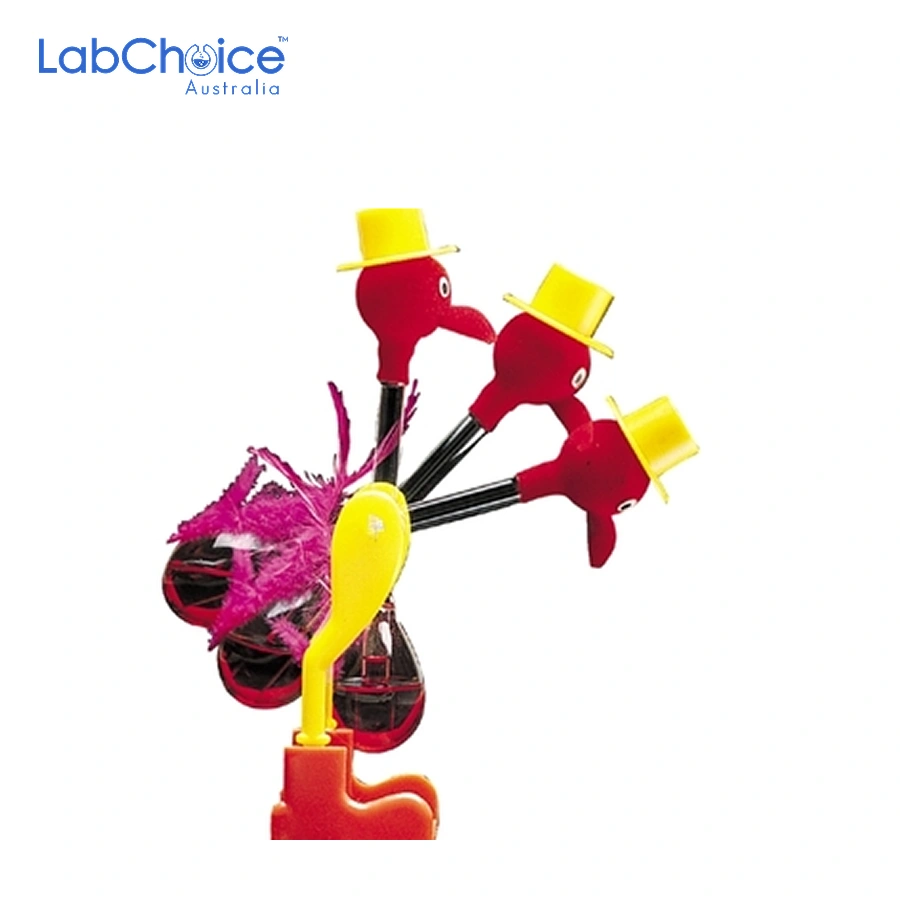
Bird Drinking Heat Thermodynamics Demonstration
AUD 18.90(Ex GST)
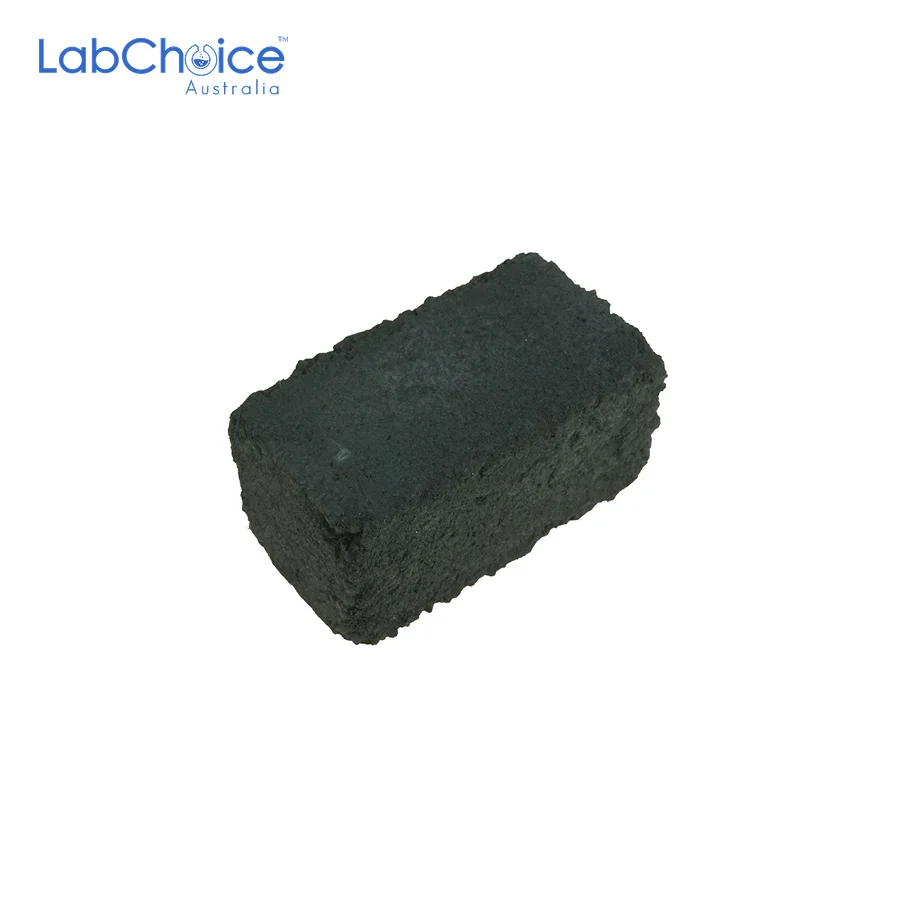
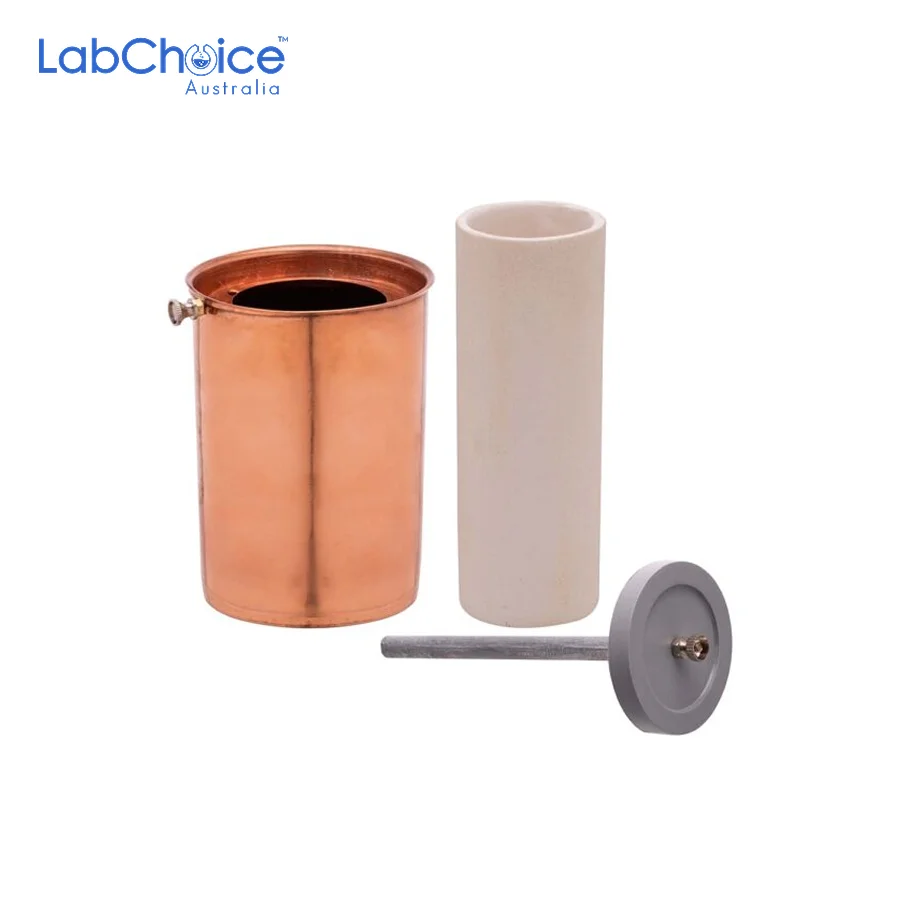
Daniell Cell, 125 × 75 mm, with Support and Terminal
AUD 54.90(Ex GST)
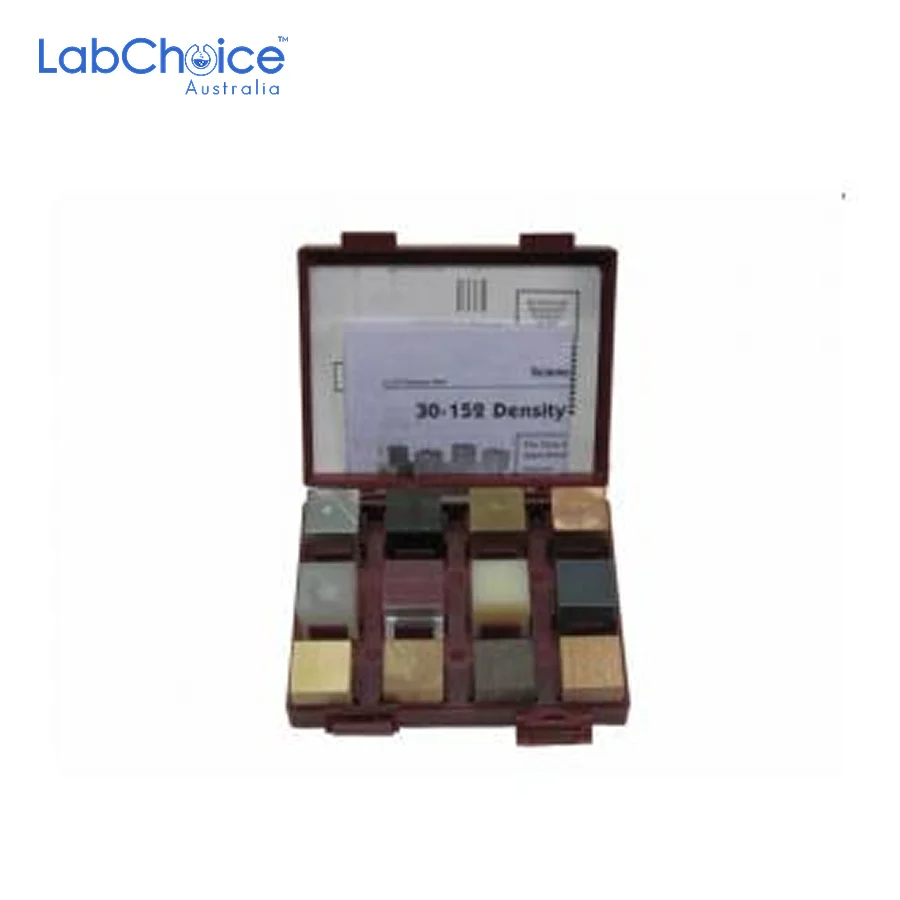
Density Cube Sets, 2.0 cm and 2.5 cm, in Case
From AUD 67.50 (Ex GST)
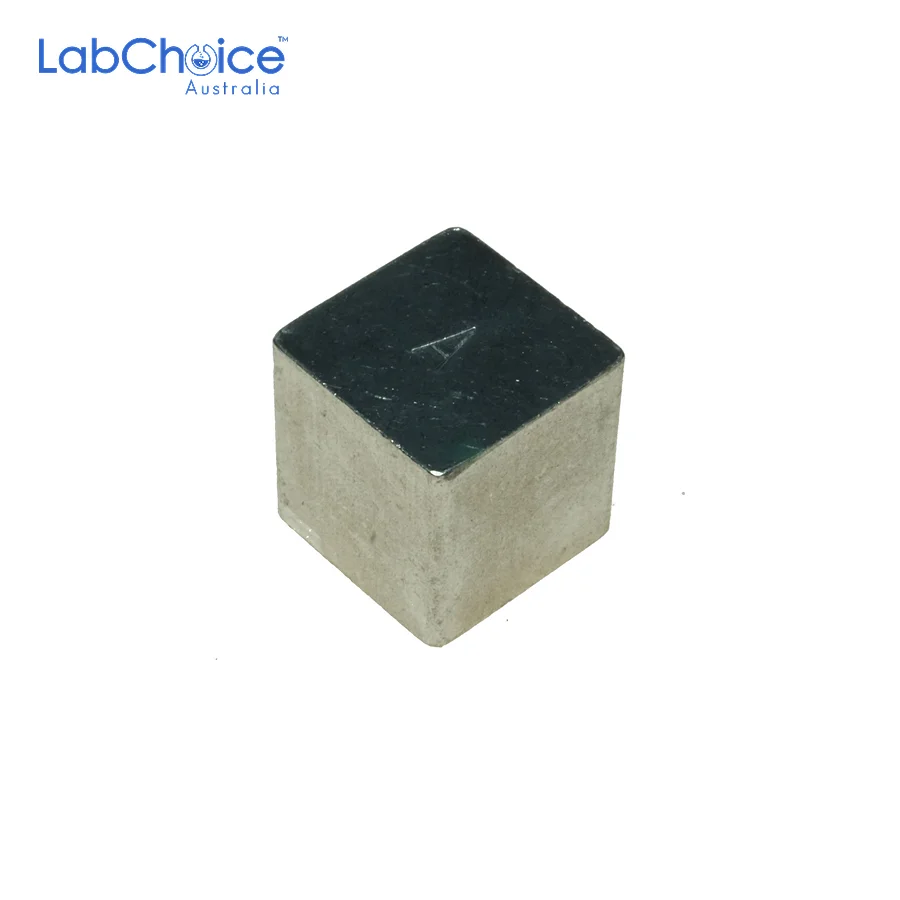
Density Cubes, 2.5 cm, Individual General Purpose Cubes
From AUD 4.90 (Ex GST)
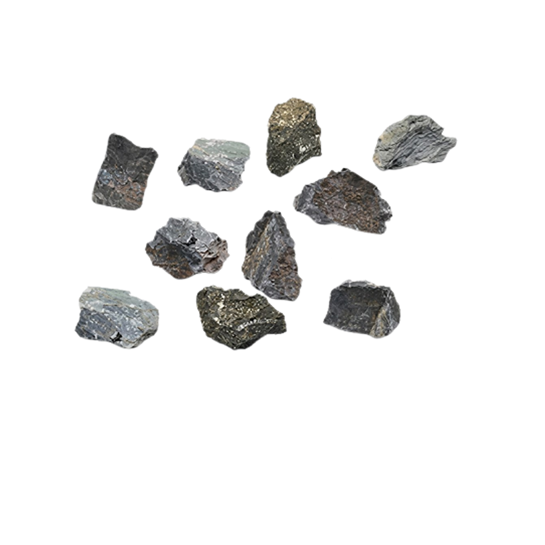
Educational rock specimens - Pack of 10 Pcs
From AUD 24.90 (Ex GST)
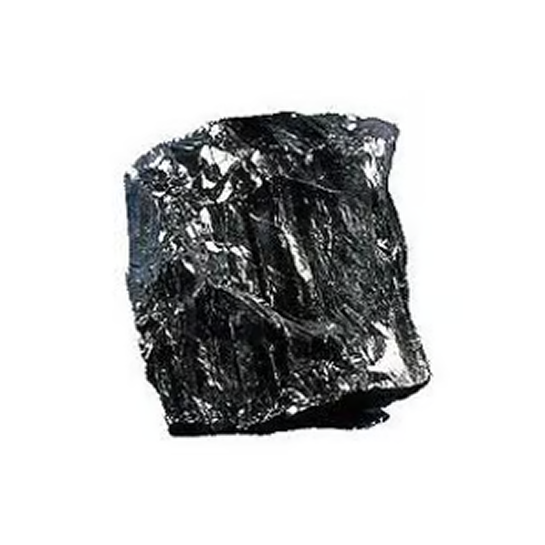
Educational rock specimens for geology
From AUD 24.90 (Ex GST)
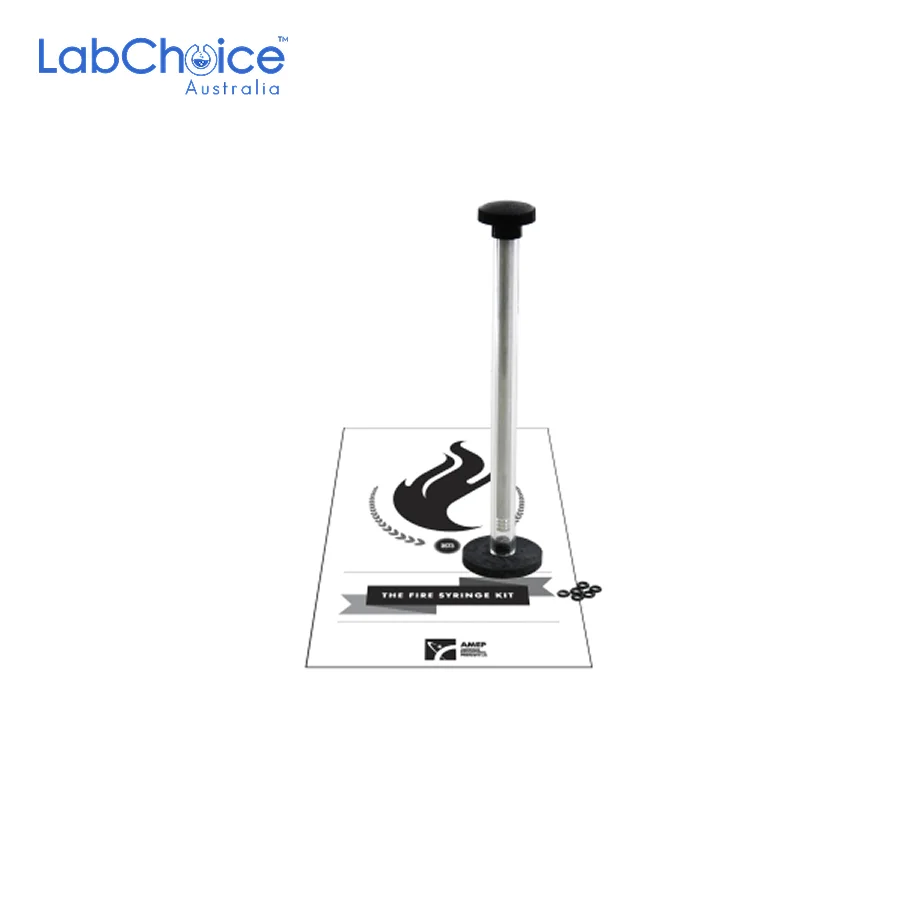
Fire Syringe Kit, Charles’s Law and Compression Demonstration
AUD 74.90(Ex GST)
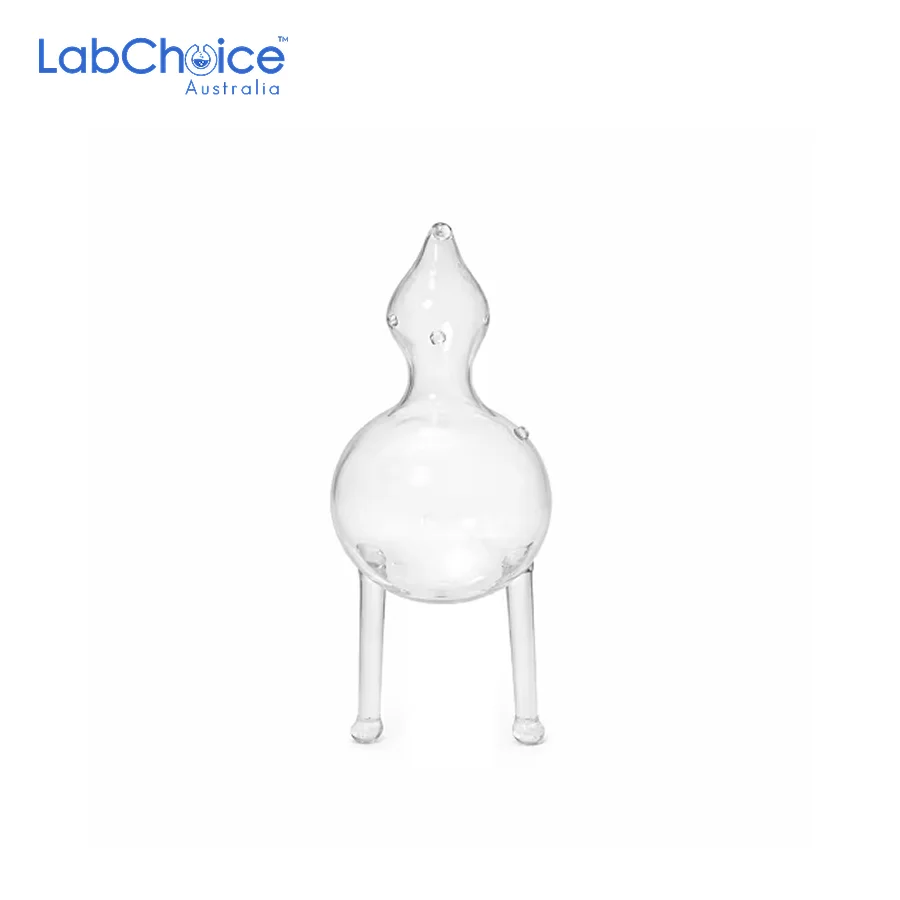
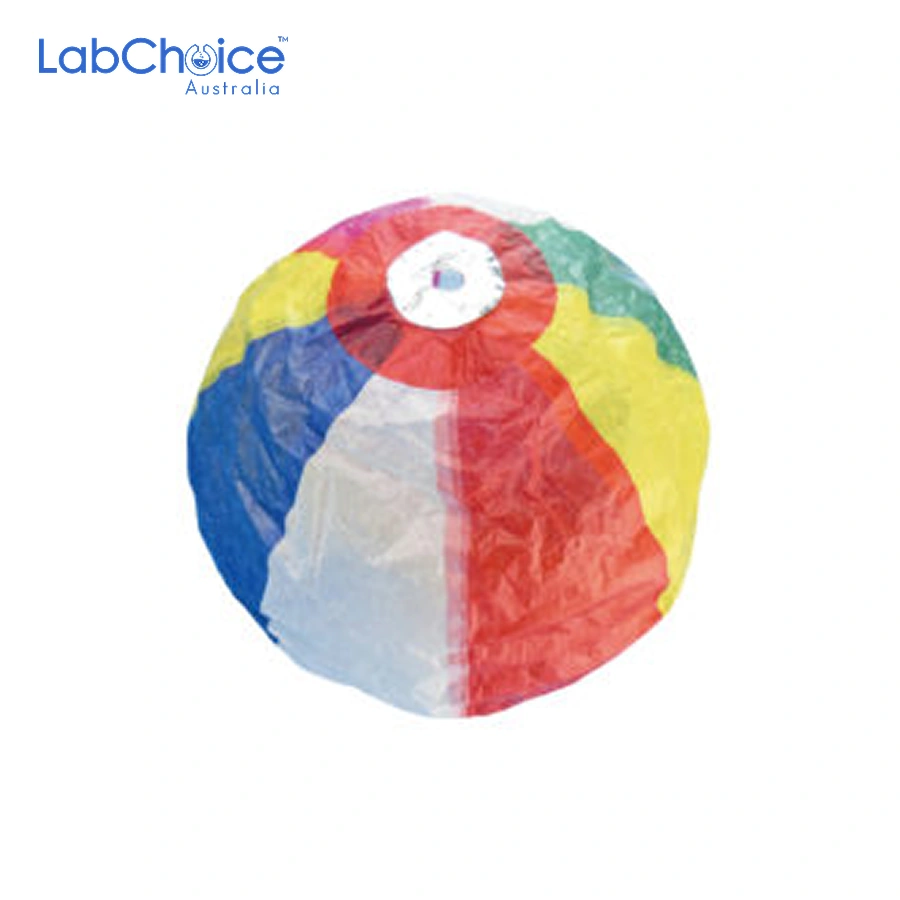
Kamifusen Paper Balloons, Class Activity Ice-Breaker - Pack of 10
AUD 42.50(Ex GST)
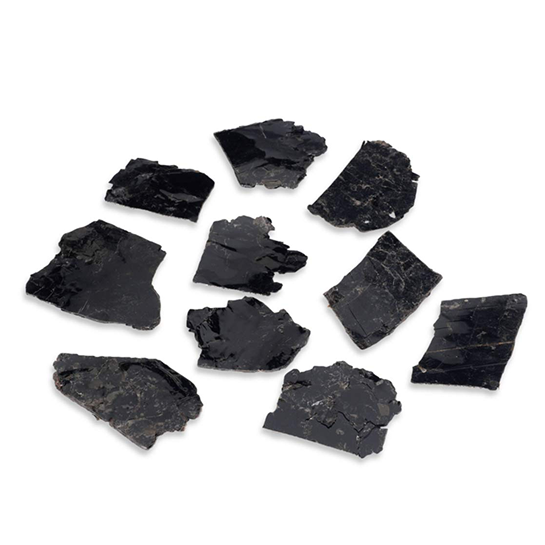
Mineral Specimens for Educational Geology
From AUD 29.90 (Ex GST)
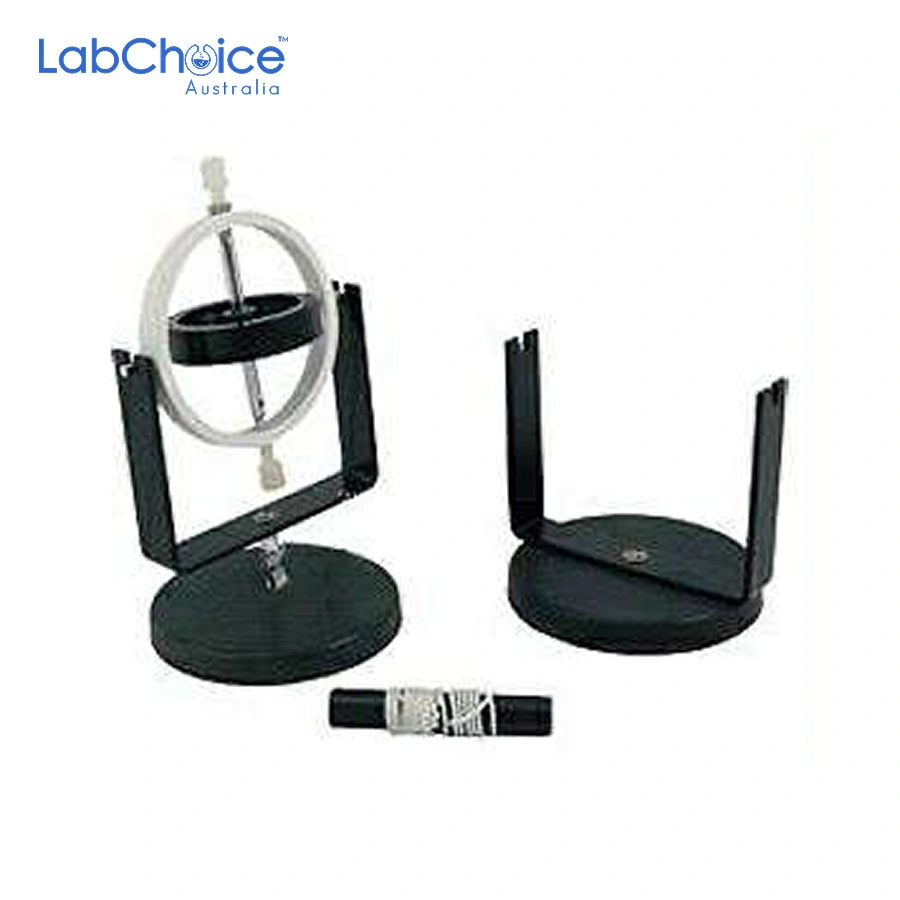
Student Gyroscope with Gimbal Ring and Stands
AUD 47.50(Ex GST)
Recently Viewed Products
SELECT OPTIONS
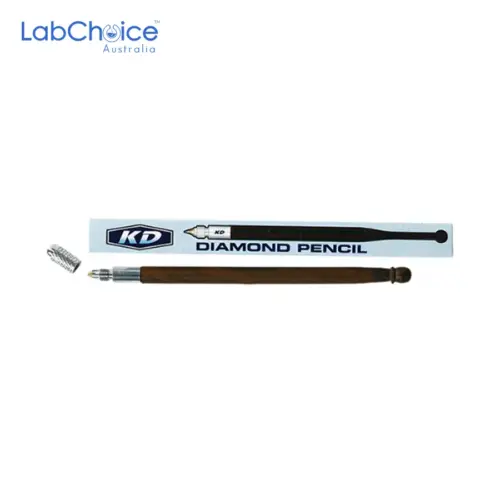
Diamond Tip Pencil for Glass Writing
AUD 22.50(Ex GST)

SELECT OPTIONS
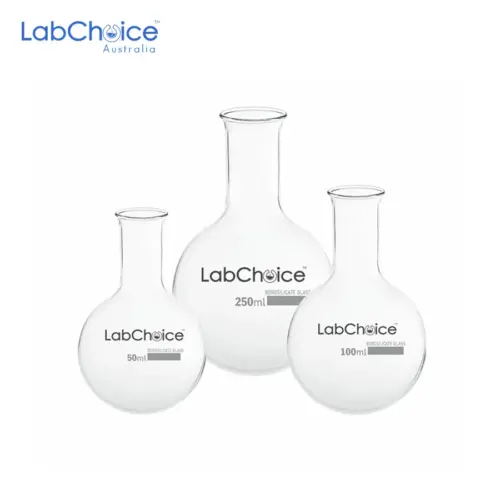
Boiling Flask, Round Bottom, Borosilicate Glass (BORO 3.3)
From AUD 2.60 (Ex GST)
SELECT OPTIONS
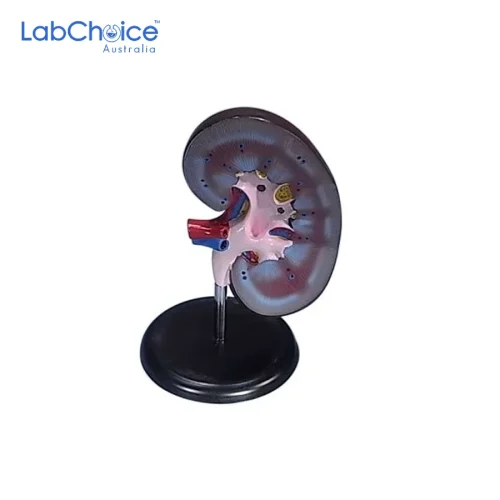
Kidney Anatomy Model, Bench Top Teaching Display on Stand
AUD 99.90(Ex GST)
SELECT OPTIONS
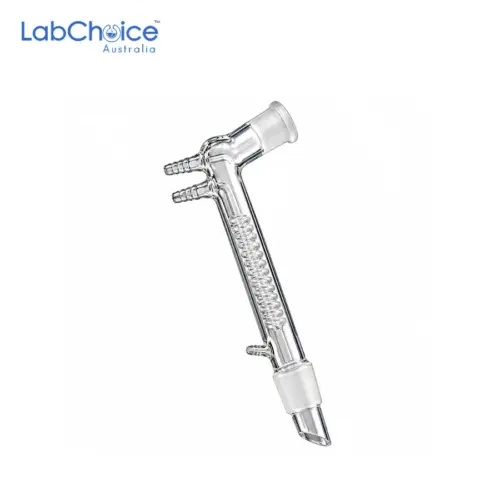
Reflux Condenser Angled BORO 3.3 Borosilicate Glass
From AUD 73.90 (Ex GST)
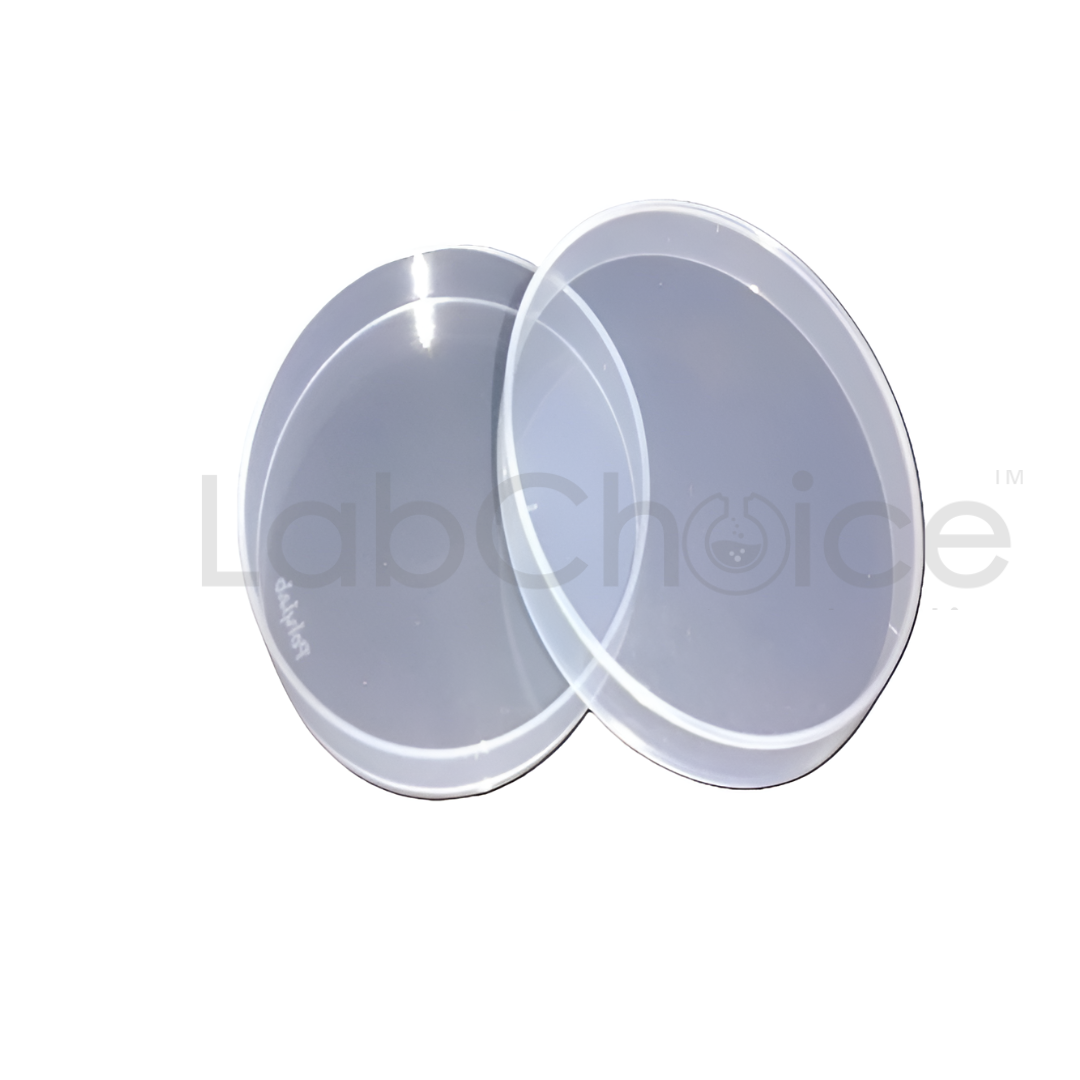
Petri Dishes, Polypropylene, Autoclavable & Reusable, High Quality
From AUD 1.20 (Ex GST)

Stirring Rods, Rounded Ends, Laboratory Grade, Borosilicate Glass (BORO 3.3)
From AUD 0.95 (Ex GST)
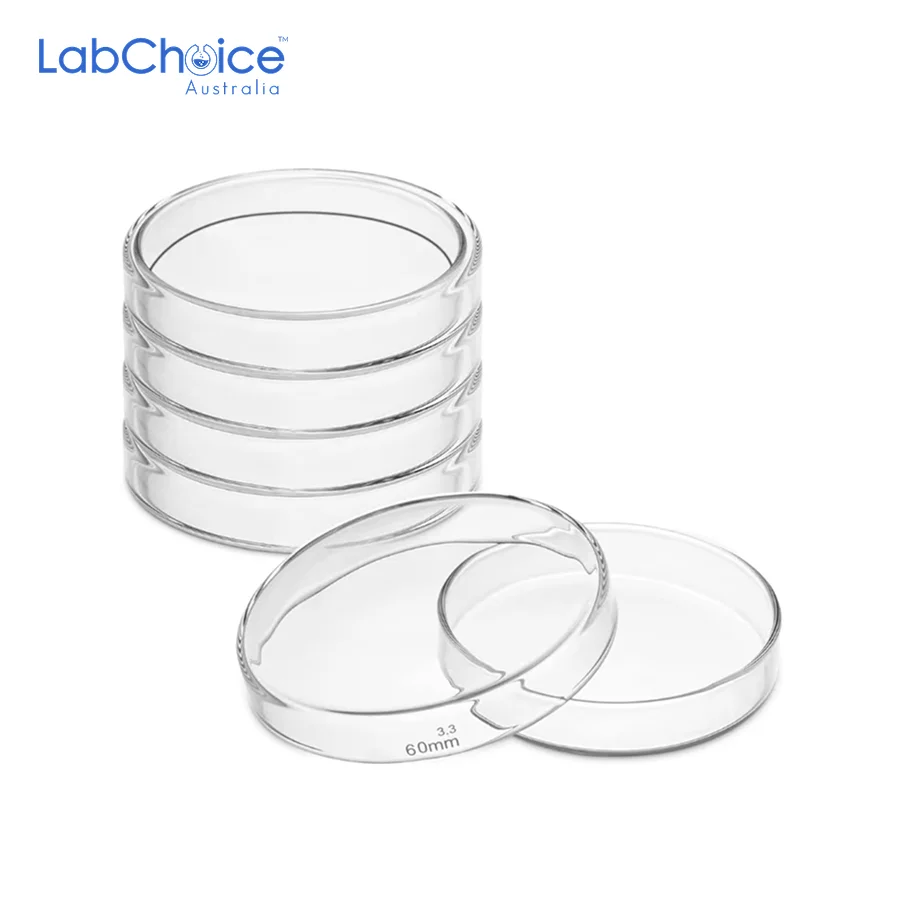

Glass Petri Dishes with Lid, Autoclavable, Borosilicate Glass (BORO 3.3)
From AUD 3.90 (Ex GST)

⭐⭐⭐⭐⭐
We ordered a set of customised BORO 3.3 borosilicate glassware for our teaching labs, and LabChoice Australia exceeded every expectation. From the first consultation to final delivery, their team listened carefully, offered expert advice, and ensured every piece matched our specifications perfectly.
The clarity and precision of the glassware are exceptional, and the quick turnaround made setup effortless. It’s refreshing to work with an Australian supplier who genuinely understands laboratory needs and takes pride in quality craftsmanship. We’ll definitely be returning to LabChoice for future glassware requirements
⭐⭐⭐⭐⭐
Our lab required high-precision BORO 3.3 glassware for analytical testing, and LabChoice Australia delivered outstanding results. The ordering process was simple, communication was clear, and every beaker and flask arrived perfectly calibrated and ready for use.
The quality of the glass is exceptional — resistant to heat, easy to clean, and consistently accurate in measurement. It’s reassuring to know there’s an Australian supplier that combines scientific precision with genuine customer care. I’d recommend LabChoice to any research team looking for dependable labware
⭐⭐⭐⭐⭐
We needed a set of customised borosilicate glassware for a specialised project, and LabChoice Australia delivered exactly what we envisioned. The team worked closely with us from design to production, ensuring every detail met our specifications. The craftsmanship is exceptional, and the turnaround time was impressive. It’s reassuring to know we can rely on them for unique, made-to-order pieces
⭐⭐⭐⭐⭐
LabChoice Australia has completely changed the way we source our lab glassware. The quality is consistently top-notch, and every piece meets the precision we need for reliable results. Their team knows their stuff, answers our questions quickly, and always goes the extra mile to help — they’re more like partners than just a supplier.
⭐⭐⭐⭐⭐
We trust LabChoice Australia because they deliver every time. Their borosilicate glassware is durable, accurate, and perfect for the high-heat work we do. Everything arrives well-packed with clear specs, so there are never surprises. It’s reassuring to deal with a supplier who understands both compliance and the demands of a busy lab