




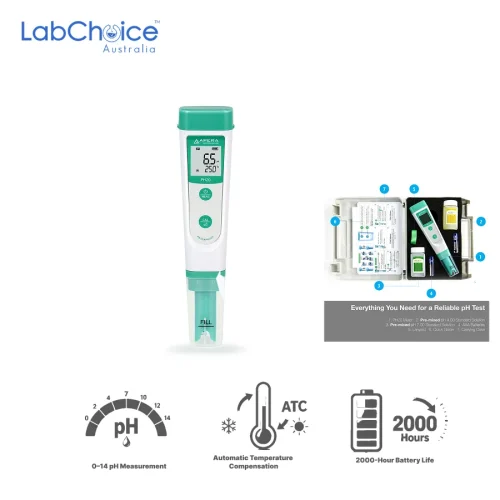
pH Tester Kit PH20 with ATC for Water Testing, 0 to 14.0 pH
AUD 129.00(Ex GST)
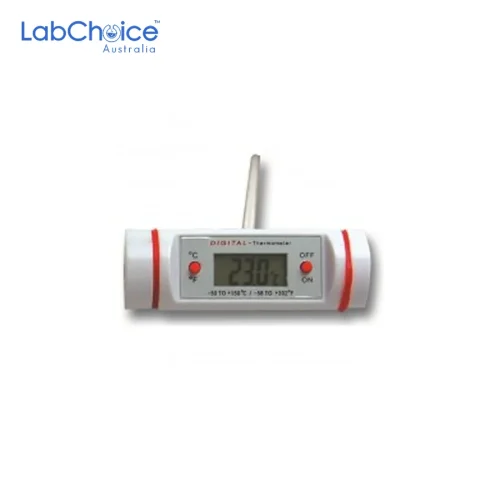
Digital Probe Thermometer with Horizontal Display, -50 to 150°C
AUD 31.50(Ex GST)
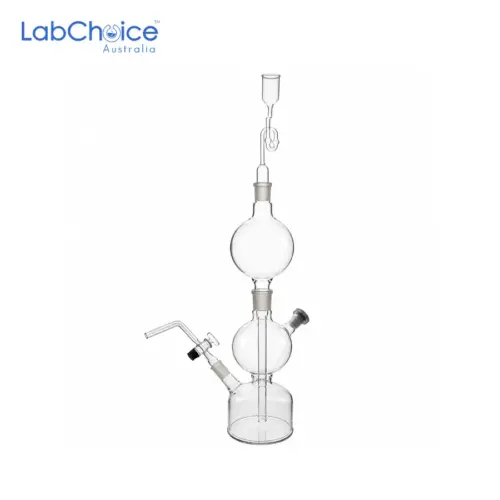

Kipps Gas Generator Apparatus, Borosilicate Glass
From AUD 149.90 (Ex GST)
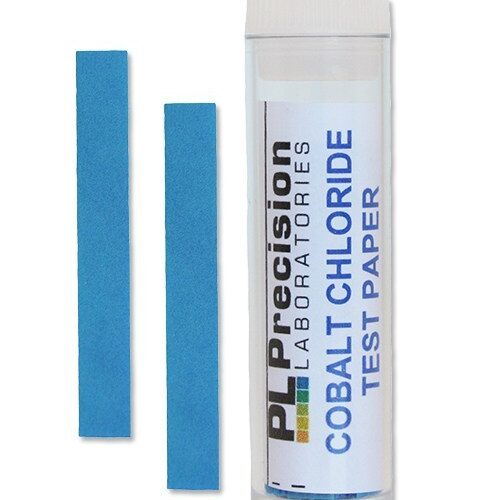
Test Paper Strips, Laboratory Reagent Paper
From AUD 9.90 (Ex GST)
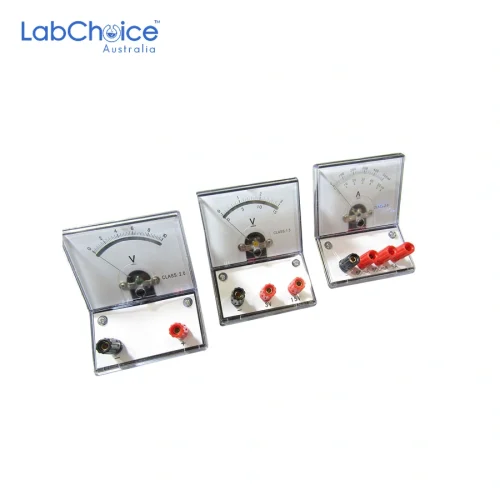
Dual Range Centre Zero Student Microammeter
From AUD 43.90 (Ex GST)
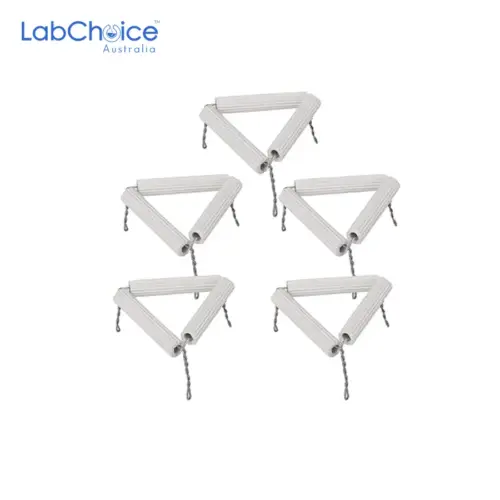

Clay Pipe Triangle for Bunsen Burner, Ceramic Coated Wire for Stable Heating, High Quality
From AUD 1.90 (Ex GST)
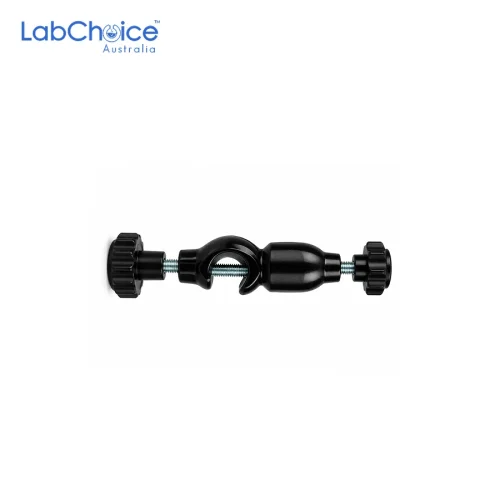
Boss Head Clamp, Jumbo Heavy Duty for up to 25 mm Rod
AUD 36.90(Ex GST)

PP Caps for Snap Ring/Cap Vials
From AUD 29.50 (Ex GST)
You May Also Need
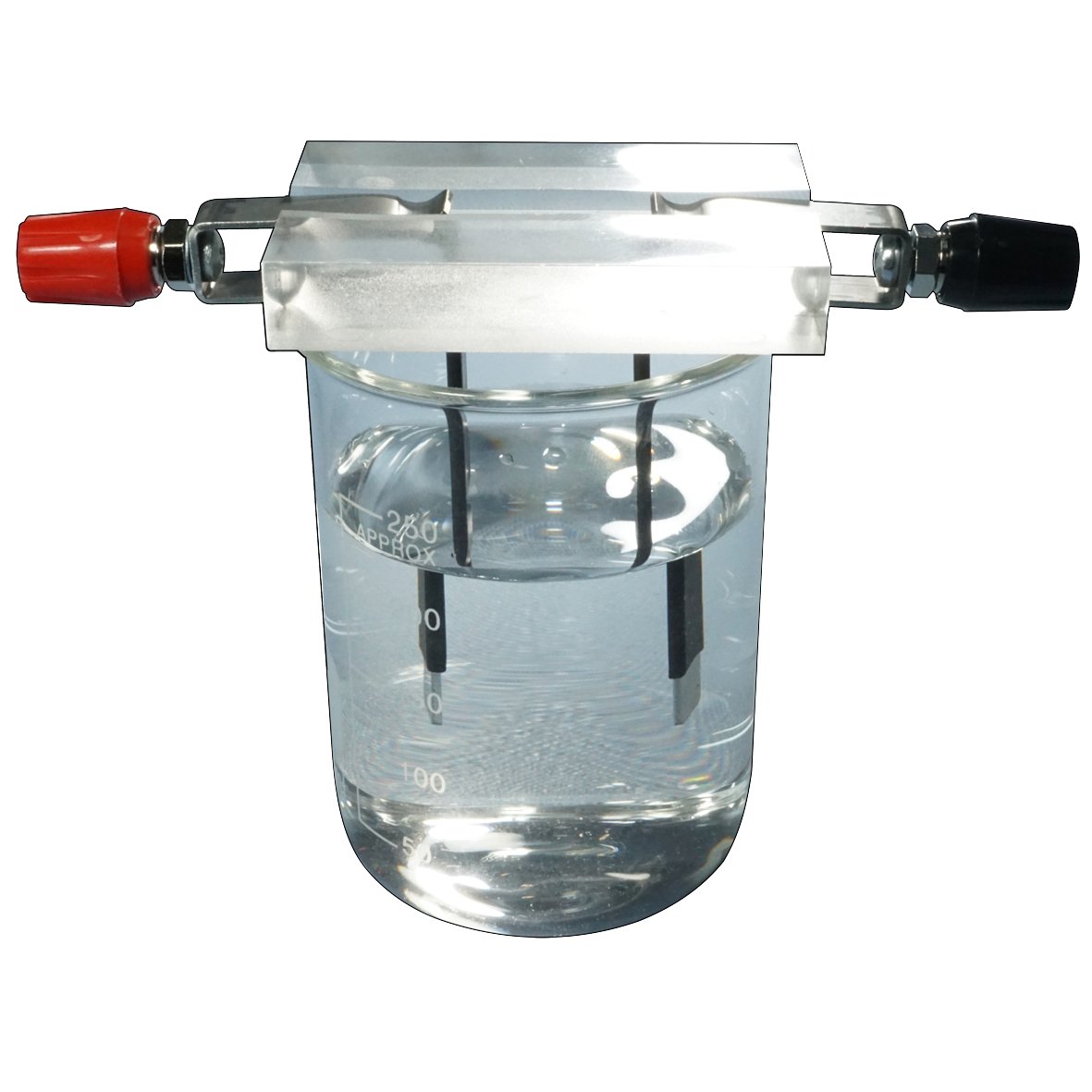
Conductivity Electrodes, Stainless Steel Type
From AUD 49.90 (Ex GST)

Digital Coulomb Meter, with Collecting Disc for Electric Charge Measurement
AUD 180.90(Ex GST)
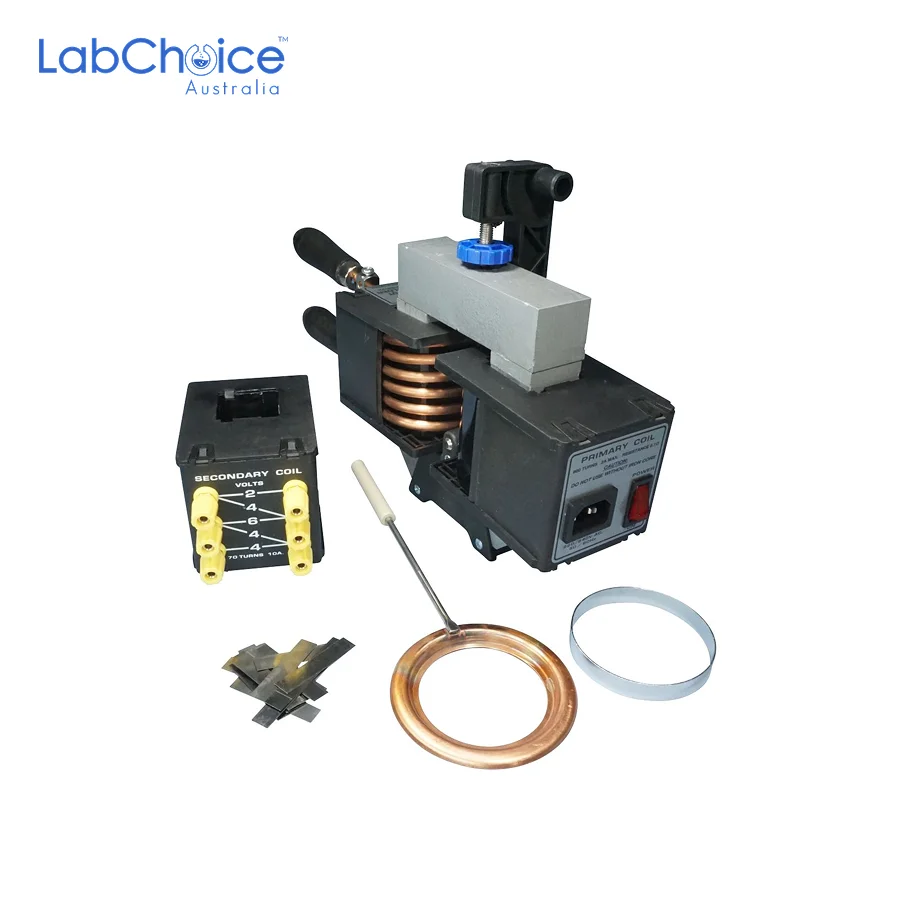
Dissectible Transformer Complete Kit with Spot Welder
AUD 1,043.50(Ex GST)

Electromagnetic Induction Apparatus with Rod Magnet
AUD 319.90(Ex GST)

Electronics and Photonics Kit, Advanced Classroom Demonstration Kit
From AUD 46.50 (Ex GST)
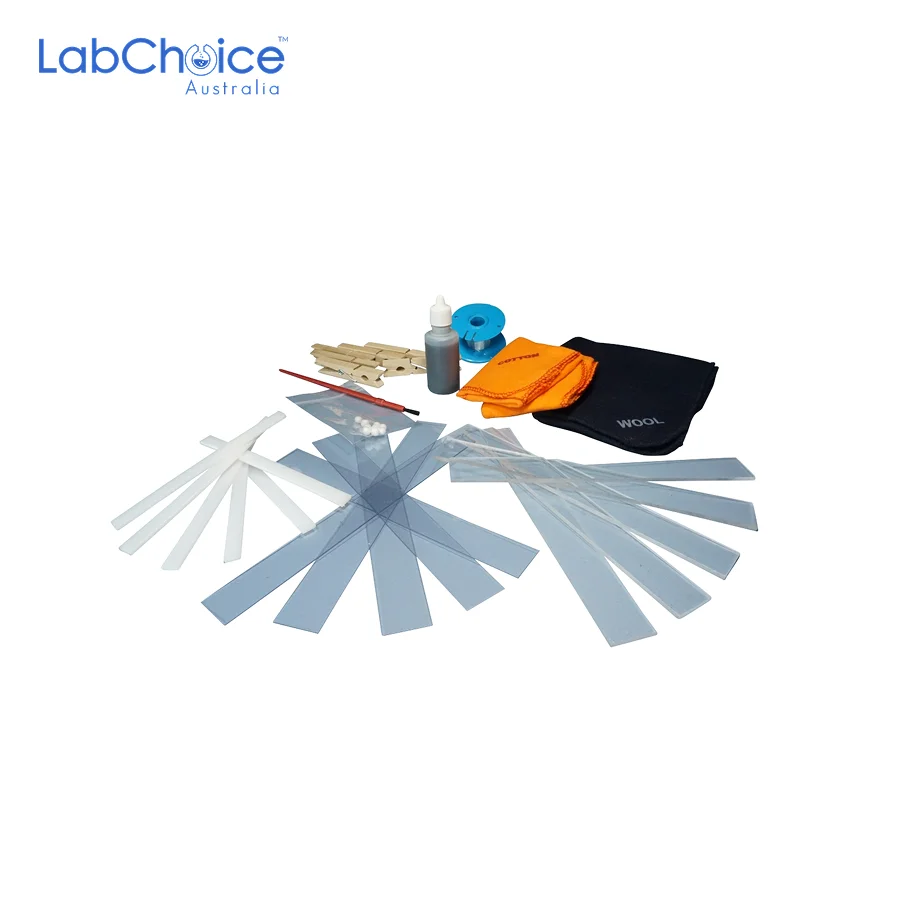
Electrostatics Kit Simple PSSC for Static Electricity Experiments
AUD 72.50(Ex GST)

Hall Effect Kit with Constant Current Supply and Probe
AUD 982.50(Ex GST)

Hand-Wound Motor and Generator Unit for U-Core Assemblies
AUD 214.50(Ex GST)
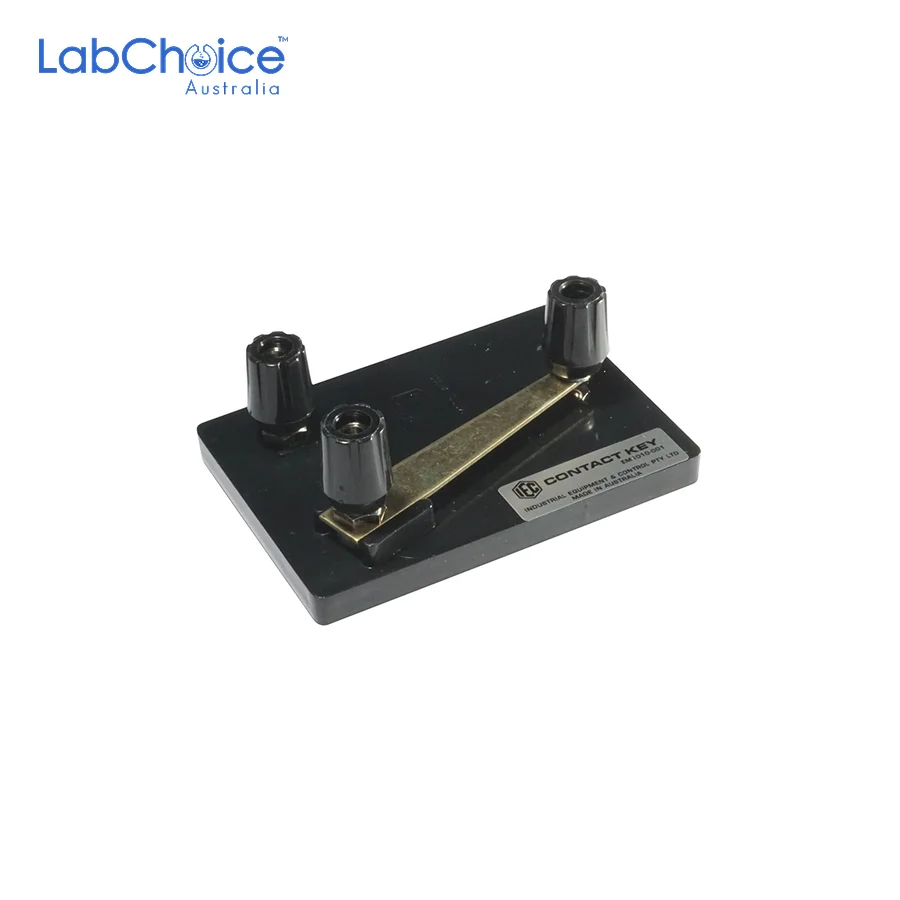
Key Press Contact Switch, Silver-Plated Contact Points
AUD 28.90(Ex GST)

Laboratory Electroscope in Metal Housing
From AUD 85.90 (Ex GST)
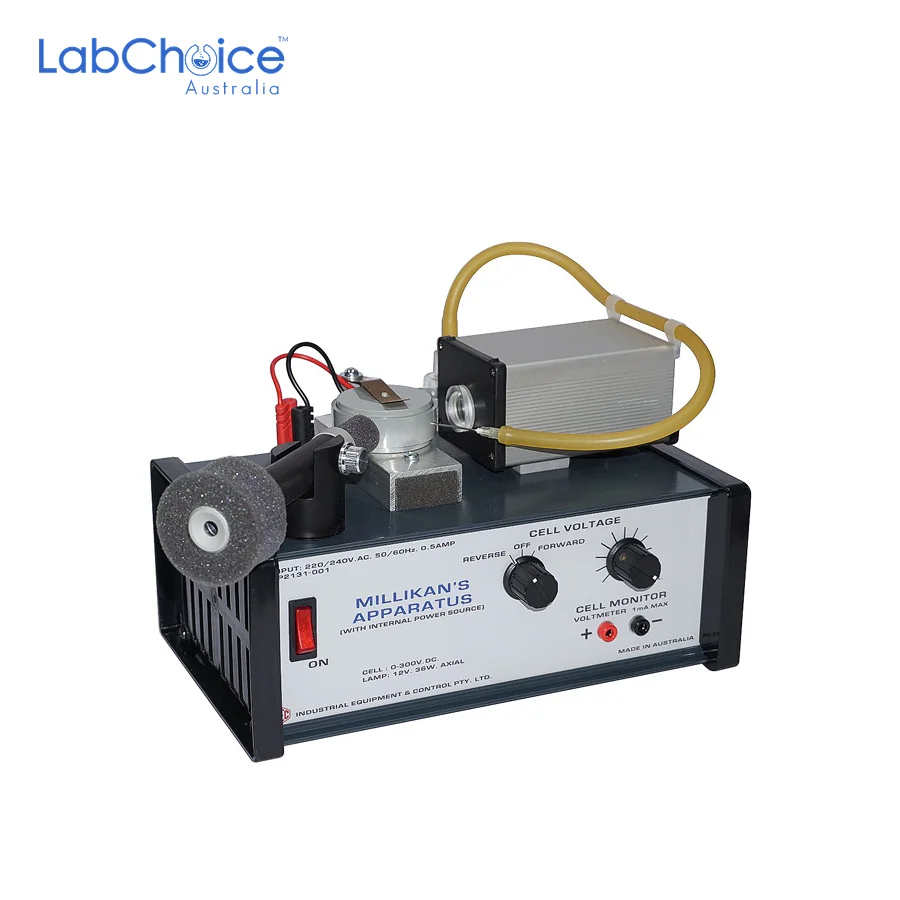
Millikan’s Apparatus, Electron Charge Demonstration Unit
From AUD 824.90 (Ex GST)

Moulded Helmholtz Coil Pair, With Feet and Ruler Included
AUD 226.90(Ex GST)


Small Current Balance Kit, PSSC, Without Solenoid
AUD 83.50(Ex GST)
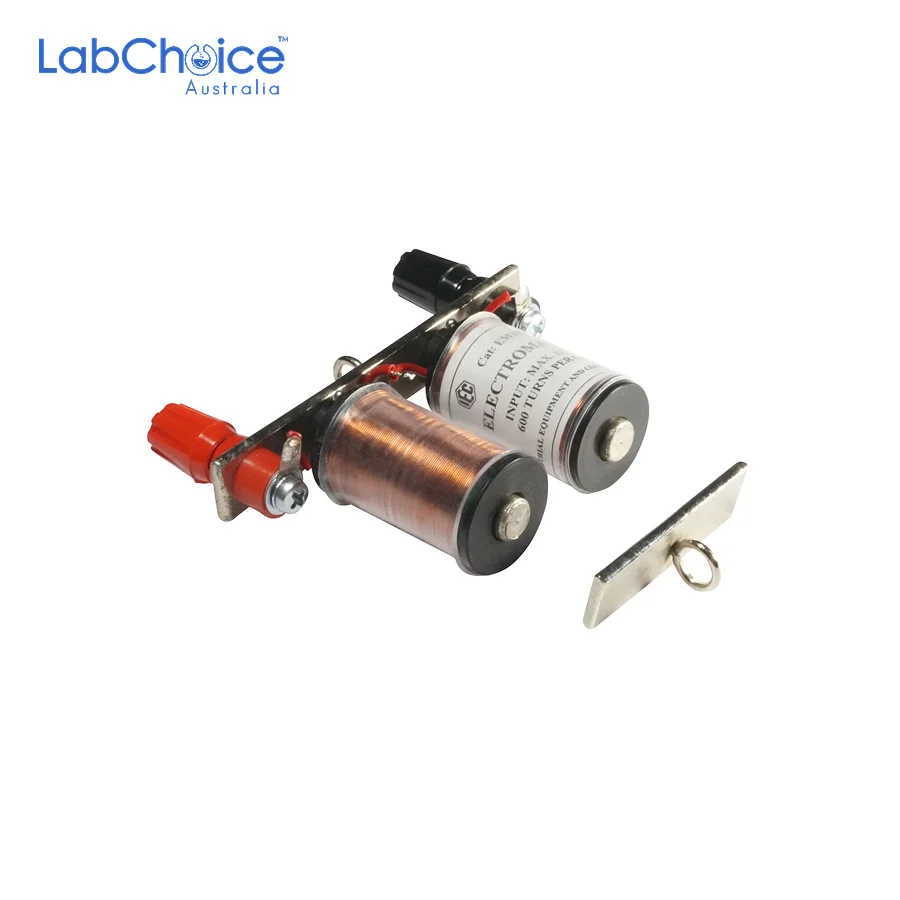
U-Core Electromagnet with Armature, 12 V DC
AUD 97.50(Ex GST)
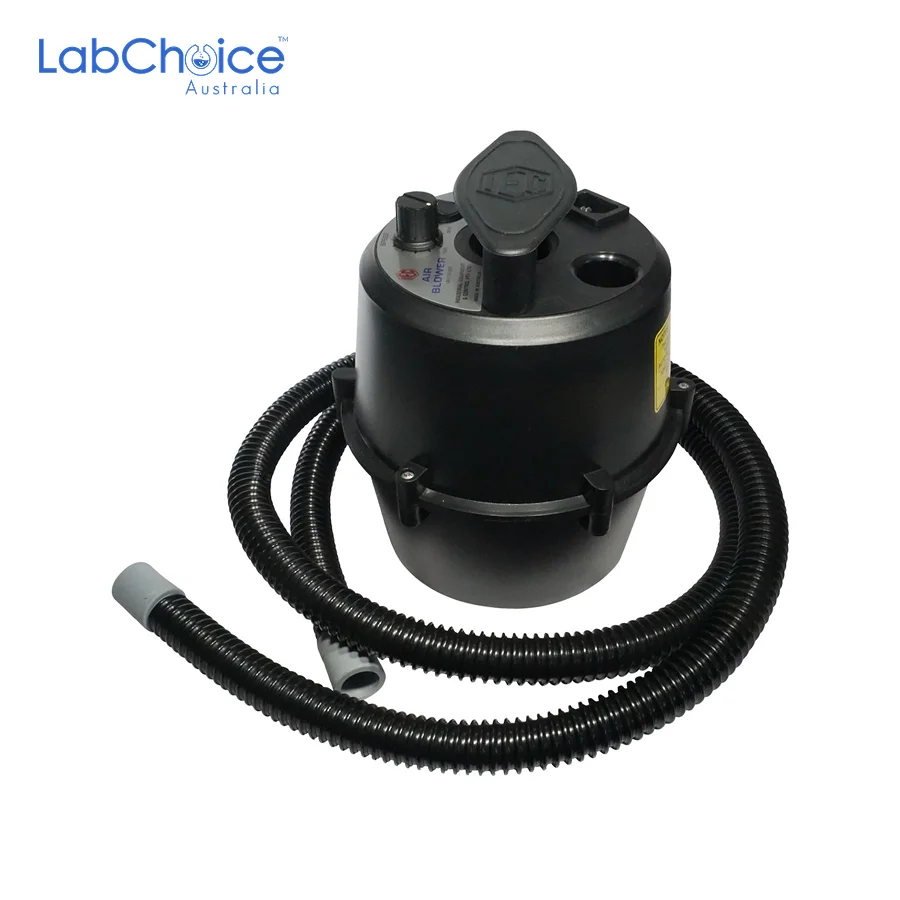
Variable Speed Air Source for Air Table and Air Track
AUD 409.90(Ex GST)
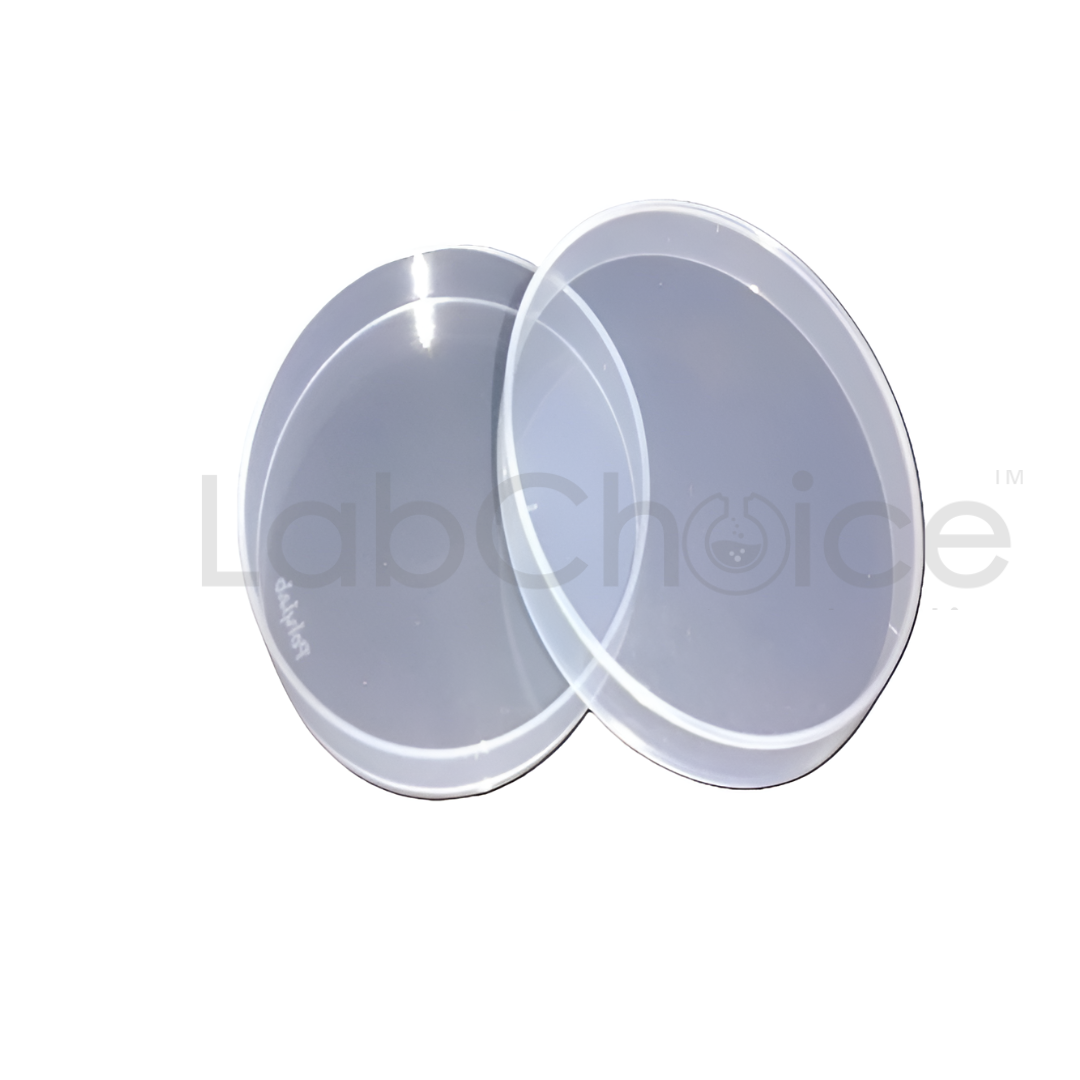
Petri Dishes, Polypropylene, Autoclavable & Reusable, High Quality
From AUD 1.20 (Ex GST)
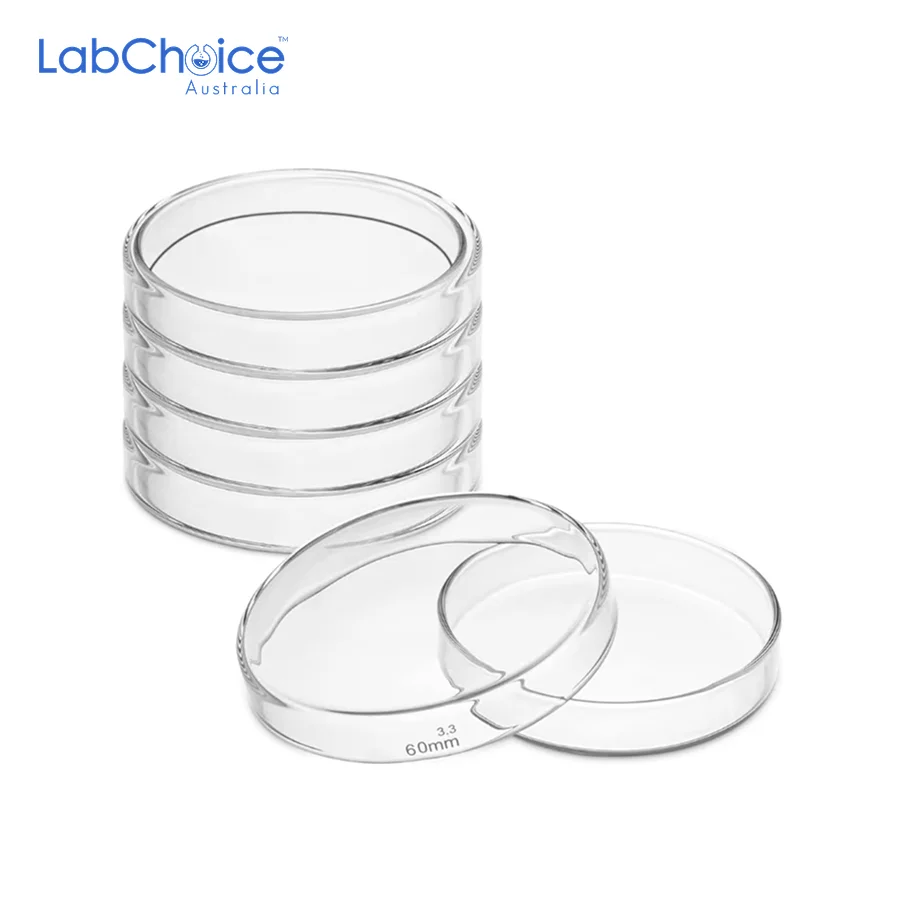

Glass Petri Dishes with Lid, Autoclavable, Borosilicate Glass (BORO 3.3)
From AUD 3.90 (Ex GST)

Stirring Rods, Rounded Ends, Laboratory Grade, Borosilicate Glass (BORO 3.3)
From AUD 0.95 (Ex GST)

⭐⭐⭐⭐⭐
We ordered a set of customised BORO 3.3 borosilicate glassware for our teaching labs, and LabChoice Australia exceeded every expectation. From the first consultation to final delivery, their team listened carefully, offered expert advice, and ensured every piece matched our specifications perfectly.
The clarity and precision of the glassware are exceptional, and the quick turnaround made setup effortless. It’s refreshing to work with an Australian supplier who genuinely understands laboratory needs and takes pride in quality craftsmanship. We’ll definitely be returning to LabChoice for future glassware requirements
⭐⭐⭐⭐⭐
Our lab required high-precision BORO 3.3 glassware for analytical testing, and LabChoice Australia delivered outstanding results. The ordering process was simple, communication was clear, and every beaker and flask arrived perfectly calibrated and ready for use.
The quality of the glass is exceptional — resistant to heat, easy to clean, and consistently accurate in measurement. It’s reassuring to know there’s an Australian supplier that combines scientific precision with genuine customer care. I’d recommend LabChoice to any research team looking for dependable labware
⭐⭐⭐⭐⭐
We needed a set of customised borosilicate glassware for a specialised project, and LabChoice Australia delivered exactly what we envisioned. The team worked closely with us from design to production, ensuring every detail met our specifications. The craftsmanship is exceptional, and the turnaround time was impressive. It’s reassuring to know we can rely on them for unique, made-to-order pieces
⭐⭐⭐⭐⭐
LabChoice Australia has completely changed the way we source our lab glassware. The quality is consistently top-notch, and every piece meets the precision we need for reliable results. Their team knows their stuff, answers our questions quickly, and always goes the extra mile to help — they’re more like partners than just a supplier.
⭐⭐⭐⭐⭐
We trust LabChoice Australia because they deliver every time. Their borosilicate glassware is durable, accurate, and perfect for the high-heat work we do. Everything arrives well-packed with clear specs, so there are never surprises. It’s reassuring to deal with a supplier who understands both compliance and the demands of a busy lab