Magnetic Stirrers in the Modern Lab
A magnetic stirrer is now standard equipment in most modern laboratories, from high school classrooms to busy research benches. It quietly spins away in the background, keeping solutions moving so you get even mixing, better reactions, and more reliable results. When it is chosen well and used safely, it saves time, reduces contamination risk, and makes day-to-day lab work easier.
Instead of standing and swirling a flask by hand, or setting up a large overhead stirrer, you can place a vessel on a compact unit and let the magnetic field do the work. That means more consistent stirring, fewer splashes, and less wear on your wrists. In our work with research, education, and industry labs across Australia, we see how much smoother things run when the right stirring setup is in place.
How a Magnetic Stirrer Works
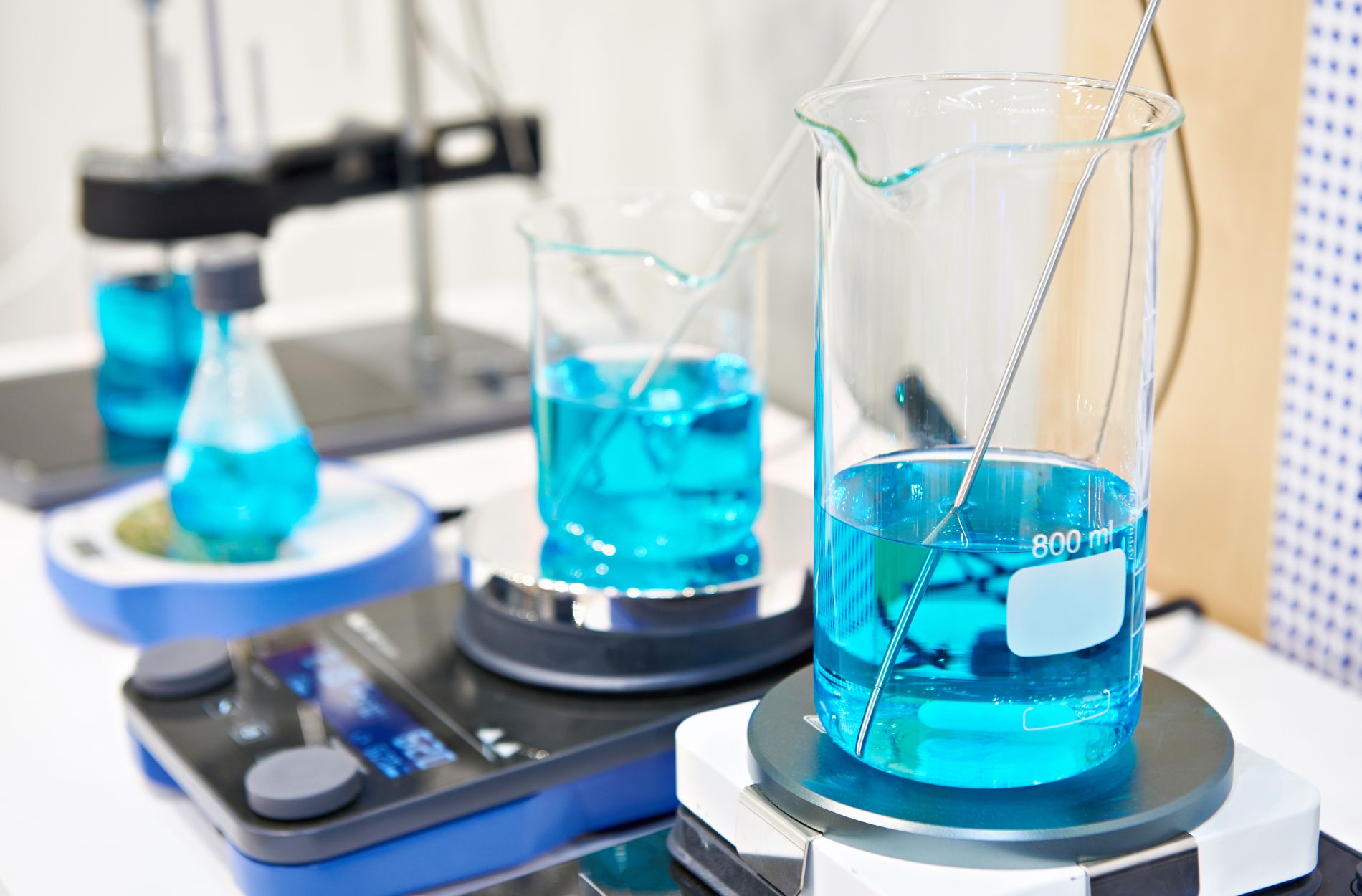
At its heart, a typical magnetic stirrer consists of two main parts: the base unit and the stir bar. Inside the base, a motor or drive turns a magnet. On top of the base, you put your beaker, flask, or bottle. Inside that vessel sits a small Teflon-coated stir bar, which is also magnetic.
As the magnet inside the base spins, it couples with the stir bar and makes it rotate. This spinning bar drags the liquid along and forms a vortex. The result is steady, homogenous mixing without you touching the liquid.
There are a few main types you will see in Australian labs:
- Basic magnetic stirrer units for simple, room temperature mixing
- Hotplate magnetic stirrer units with heating built into the plate under the vessel
- Multi-position units that let you stir several samples at once
In a hotplate magnetic stirrer, the heating element is integrated beneath the plate, so you can heat and stir at the same time. This is helpful for dissolving solids, speeding up reactions, or keeping samples at a set temperature while mixing.
Choosing the Right Magnetic Stirrer for Your Lab
When selecting a magnetic stirrer for your lab, it helps to think about what you will actually be stirring from day to day. Capacity, viscosity, and speed all matter.
For capacity and viscosity, consider:
- Typical volumes, for example a few hundred millilitres in teaching labs, up to larger flasks in research and industry
- How thick the liquids are, thin buffers are easy, viscous slurries need more torque
- How fast you need to stir, gentle mixing versus strong vortexing
For viscous samples, choose a magnetic stirrer with a higher torque drive so the bar does not lose grip and rattle. If you often work with larger bottles or multiple flasks, look at units with higher capacity or multiple stirring positions.
You also have a choice between simple analog control knobs and digital control panels. Digital models can give you:
- Clear speed displays
- Timer functions
- More precise setting of speed and, on hotplate models, temperature
Think about the environment too. Plate materials like ceramic and stainless steel behave differently. Ceramic plates tend to handle spills and many chemicals nicely and can stay flatter over time. Stainless plates are tough and can handle rougher use. For wet or demanding areas, look for features such as spill channels, sealed surfaces, and suitable protection ratings so the unit is better prepared for splashes or work in fume hoods.
Accessories, Stir Bars, and Supporting Labware
A well-chosen magnetic stirrer works best with correctly sized stir bars and compatible glassware. Stir bars are not all the same, and the right choice can make stirring smoother and quieter.
Common stir bar shapes include:
- Simple cylindrical bars for everyday work
- Octagonal bars for stronger mixing and better grip in the field
- Flea or pill-shaped bars for small volumes
- Bars with a pivot ring for round-bottom flasks
Most are coated in PTFE for chemical resistance. Glass-coated bars can be handy when you need different surface properties or want to avoid PTFE for certain methods.
Your vessels matter just as much. For reliable stirring, think about:
- Flat bottoms on beakers and flasks so the bar stays centred
- Height to diameter ratio, tall narrow vessels may need different bar lengths
- Wall thickness, especially when used on hotplate magnetic stirrer units
When glassware, plasticware, stir bars, and the magnetic stirrer all work well together, you get fewer stalls, fewer splashes, and better mixing. It also becomes easier to combine stirring with other gear like thermostatic baths, sensor probes, or temperature controllers, since everything fits and behaves as expected.
Safe Operation and Day-to-Day Use
Safe use starts with how you set things up. Place the magnetic stirrer on a stable, level surface, then centre the vessel on the plate. Drop the stir bar gently into the vessel, making sure it sits flat at the bottom.
Before switching on the magnetic stirrer, set the speed to low. Then:
- Turn the unit on and confirm the bar has picked up and is spinning smoothly
- Increase speed slowly until you get the vortex you want
- If the bar starts to rattle or jump, back off a little
Using a hotplate magnetic stirrer brings heat into the picture, so be extra careful. Always:
- Use heat-resistant gloves or tongs when touching hot glassware
- Remember that plates and vessels can stay hot long after you turn off the heat
- Use temperature probes where suitable to avoid overheating sensitive samples
Electrical and spill safety are also important. Keep cords away from hot surfaces and sharp edges. Avoid overfilling vessels, as even a small bump can cause spillover at higher speeds. If a spill happens, switch off the unit at the power, allow any hot surfaces to cool, then clean up according to the safety data sheets for the chemicals involved. Using a magnetic stirrer correctly helps minimise splash hazards and glassware breakage, especially in busy teaching or shared labs.
Maintenance, Troubleshooting, and Supporting Australian Labs
A little routine care goes a long way. Wipe the top plate regularly with a soft cloth and suitable cleaner so residues do not build up. Check for any cracks, corrosion, or coating damage on the plate. Store stir bars dry and away from strong external magnets, and keep cables loosely coiled rather than tightly wrapped.
If you run into problems, some simple checks can help:
- If the bar keeps decoupling, reduce the volume or speed, or try a different bar shape or length
- If you hear noise or feel vibration, recenter the vessel and check that the surface is level
- If mixing looks uneven, try a slightly larger or smaller stir bar
When issues keep coming back, it may be time to replace worn stir bars or, in some cases, the whole unit. A well-maintained magnetic stirrer can give years of reliable service in busy teaching and research labs, especially when supported by quality spare parts and compatible labware.
At LabChoice Australia, we focus on supplying precision laboratory glassware, plasticware, and equipment that work together smoothly in real Australian conditions. From individual teaching spaces to larger research and industry sites, we see how the right magnetic stirrer, paired with the right labware, can improve day-to-day workflow, mixing consistency, and safety across the lab.
Get Reliable Stirring Performance For Your Lab
If you are looking for a dependable magnetic stirrer that suits your workflow, we can help you choose the right option for your applications. At LabChoice Australia, we focus on supplying equipment that supports accurate, repeatable results. Talk with our team about your lab setup and requirements so we can recommend suitable models and accessories. If you would like tailored advice or a quote, please contact us today.