Choosing Pipettes: Analytical Laboratory Glassware Supplies
Accurate liquid handling sits at the heart of good science. If your pipettes are off, your results will be off, no matter how careful you are with the rest of the method. That is why your choice of pipettes and other analytical laboratory glassware supplies can significantly influence data quality in education, research, and industrial labs.
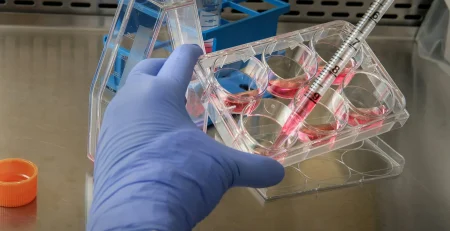
Pipettes are handheld tools used to measure and move small volumes of liquid. Multichannel and higher-volume pipetting tools help when you need to work faster, especially with microplates. They sit alongside flasks, tubes, and beakers as part of your everyday kit. At LabChoice Australia, we focus on helping labs match the right tools to the right task so that liquid handling feels simple and dependable.
Understanding Pipette Types and Their Applications
Not every pipette suits every job. Picking the right type starts with the liquid you handle and the workflow you follow.
Air displacement pipettes are the most common. They have:
- Single-channel options for routine work with tubes and small vials
- Multichannel options for filling strips and plates in one go
These are great for clear, watery solutions such as buffers, media, and many reagents.
Positive displacement pipettes are better for tricky liquids. They work well when you handle:
- Thick or sticky samples
- Volatile solvents
- Dense or foamy liquids
High-throughput systems, such as multichannel pipettes, are designed for plate work and higher volumes. They shine in:
- Microplate assays
- Serial dilutions
- ELISA and screening work
- Cell-based and biochemical assays
Choosing the right pipettes and analytical laboratory glassware supplies ensures each workflow step is compatible and efficient. Your pipettes should match the tubes, flasks, and microplates you already use, so you are not fighting with awkward angles, short tips, or awkward reach every time you set up an experiment.
Key Factors When Choosing Pipettes for Your Lab
Once you know the general type, it is time to think about the details. A little planning here can save a lot of frustration later.
Volume range and accuracy come first. Think about:
- The smallest and largest volumes you pipette each week
- Whether you need fixed volume (very repeatable) or variable volume (more flexible)
- Accuracy and precision specs that align with your methods and any ISO or EN standards your lab follows
For day-long pipetting, ergonomics matter more than most people expect. Consider:
- A comfortable grip that suits different hand sizes
- Low plunger force so thumbs do not get sore
- Light overall weight, especially for repetitive work
Durability and materials also make a big difference over time. When budgeting for pipettes and analytical laboratory glassware supplies, factor in durability and maintenance costs, not just the purchase price. It helps to consider:
- Chemical resistance to your common solvents, acids, and bases
- Whether key parts are autoclavable
- How easy it is to clean and reassemble the pipette
If you work in a busy teaching lab or harsh industrial setting, tougher builds and simple designs are often worth it, as they stand up better to heavy use.
When and Why to Use Multichannel and High-Throughput Pipettes
Multichannel pipettes come into their own when a single-channel pipette starts to slow everything down. These tools are built for speed and consistency across many wells at once.
They are ideal for:
- Filling 96- or 384-well plates
- Running ELISA or similar plate-based assays
- Doing long serial dilution series
- Time-sensitive enzyme or cell assays where you need every well treated the same way
Common triggers that signal you may need multichannel systems include:
- Large numbers of samples each day or each week
- Repeatable methods that always follow the same layout
- A need to cut operator-to-operator variation
Pairing multichannel pipettes with compatible reservoirs and plates from your analytical laboratory glassware supplies catalogue helps minimise cross-contamination and waste. When the tips fit the wells neatly, and the reservoir suits the volume you need, you reduce drips, splashes, and dead volume. In a busy Australian lab, where temperature shifts and dry days can affect evaporation, this level of control can really help keep results consistent.
Tips for Selecting Compatible Tips and Accessories
Even the best pipette will not perform well with the wrong tips. Matching tips to pipettes is key to accuracy and reliability. Look for:
- Tips made to fit the specific brand or style of pipette you use
- A firm, even seal without needing to jam the pipette into the rack
- Filter tips for work with DNA, RNA, cultures, or volatile solvents
- Non-filter tips for general chemistry or teaching labs
Accessories can tidy up workflows and protect your tools. Handy add-ons include:
- Tip racks that are stable and easy to reload
- Reagent reservoirs that match your plate format
- Stands or wall mounts to keep pipettes off the bench
- Calibration tools such as test weights or check stations
Align tip sizes with the tubes, vials, and microplates in your analytical laboratory glassware supplies to avoid mismatches and workflow delays. If your most-used tubes are narrow, pick tips that reach the bottom without touching the sides. If you pour into flasks often, longer tips can give better control and reduce splashing.
Maintenance, Calibration and Quality Assurance
Good pipettes stay good only if you look after them. Simple, regular care helps protect accuracy.
Daily or routine habits can include:
- Wiping the outside with a suitable cleaner
- Storing pipettes upright, away from chemicals and direct sun
- Checking for loose parts, cracks, or sticky plungers
For biological or chemical work, follow clear decontamination steps before service or sharing tools between rooms. Many parts can be autoclaved, as long as you follow the maker’s instructions.
Calibration and verification are also part of a healthy lab routine. The right interval depends on:
- How often the pipette is used
- The risk level of the methods
- Any regulatory or internal quality rules
You can do simple in-house checks with gravimetric tests as a quick screen, then use professional calibration services for full adjustment and documentation. A robust QA program treats pipettes and analytical laboratory glassware supplies as calibrated, documented instruments, not disposable commodities. Keeping records of maintenance and calibration supports audits and gives everyone confidence in the numbers they report.
How LabChoice Australia Can Help You Choose
At LabChoice Australia, we work with education, research, and industrial labs across the country, from cooler southern sites to hotter, more humid regions. We understand how local conditions and daily workflows shape the choice of pipettes and complementary analytical laboratory glassware supplies.
We can talk through your sample types, methods, and throughput needs, then help you plan a consistent set of tools that feels natural to use at the bench. When your pipettes, tips, plates, and other labware fit together well, staff training is easier, repeat work is smoother, and results are more reliable over time.
Get Reliable Glassware To Support Accurate Results
Whether you need a full upgrade or a few key pieces, our range of analytical laboratory glassware supplies is selected to help you work with confidence and consistency. At LabChoice Australia, we focus on practical quality, fast dispatch, and options that suit real-world Australian labs. If you would like tailored suggestions for your workflow or help matching glassware to specific methods, contact us and we will support you in finding the right fit.