Why Vortex Mixers Matter in Modern Labs
A vortex mixer is one of those small lab tools that quietly keeps everything running smoothly. It mixes liquids in test tubes and small containers by moving them in a tight circle so the liquid forms a whirlpool. We see them in school labs, research labs, and industrial labs right across Australia.
Good mixing is not just a nice extra. It affects how accurate your results are, how easy they are to repeat, and even how safe your work area stays. Poorly mixed samples can lead to confusing data, wasted reagents, and sometimes messy spills.
Whether you need a compact mini vortex mixer for quick tube mixing or a heavier-duty unit for continuous use, choosing the right model is important. At LabChoice Australia, we focus on gear that is durable, precise, and reliable so your mixing does what you expect every time.
How Vortex Mixers Work
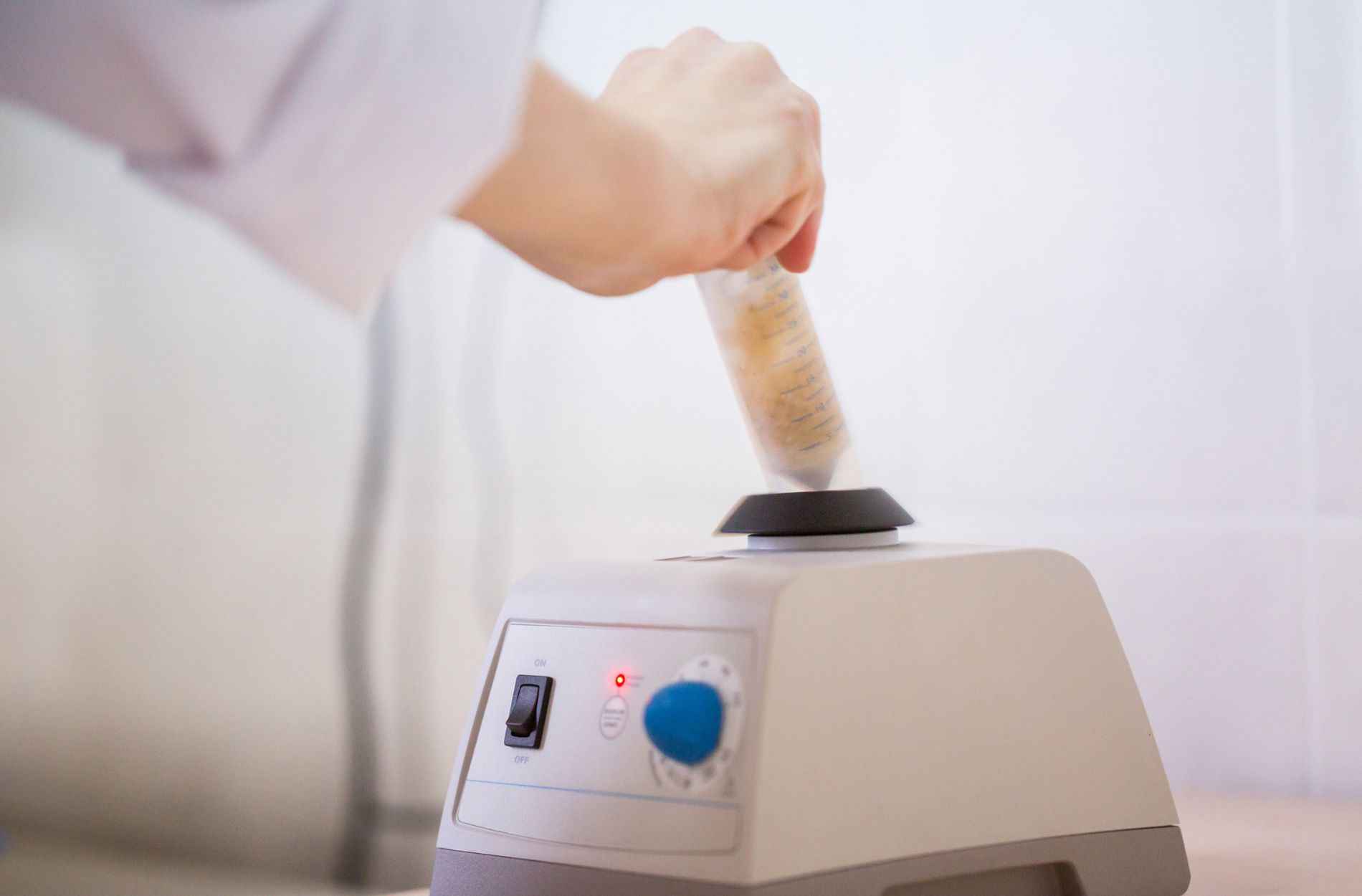
A vortex mixer works by moving the head in a small circular motion. When you press a tube onto the head, that motion transfers into the liquid and creates a strong spinning vortex. This quickly blends reagents, resuspends pellets, and mixes small volumes that would take ages by hand.
Most mixers have two main operation modes:
- Touch mode, where the mixer runs only while you press a tube on the head
- Continuous mode, where the mixer runs until you switch it off
Touch mode is great when you just need a quick mix of one or two tubes. Continuous mode suits longer protocols, higher throughput, or when you are swapping tubes in and out for a while.
Different vessels also need different setups. Common ones include:
- Microtubes and PCR tubes
- Standard test tubes
- Small flasks and vials
- Microplates
A mini vortex mixer uses the same orbital motion as larger units but in a smaller footprint, which is handy on tight benches. Some models have only a simple cup head for single tubes, while others accept plates or multi-tube adapters for more complex work.
Key Factors When Choosing a Vortex Mixer
There is no single mixer that suits every lab. Here are the main things we look at with customers.
Mixing performance and speed
Speed range, often listed in revolutions per minute (rpm), affects how strong the vortex is. Variable speed control helps you:
- Run gently for light mixing or fragile samples
- Increase speed for thicker solutions or stubborn pellets
- Match the speed to different tube sizes
Good balance and a solid base matter too. At higher speeds, a poor mixer can start to “walk” across the bench, which is distracting and unsafe.
Capacity, attachments, and compatibility
Think about what you mix most often. Do you mainly use small tubes, or do you also run microplates and vials? Attachments like cup heads, flat pads, and tube racks allow one mixer to handle many formats. Some labs are fine with a single-tube capacity, while others need multi-tube heads to keep up with daily work.
Size, footprint, and portability
Full-size units offer more attachments and sometimes stronger motors, but they also take up more space. In teaching labs or crowded research spaces, a mini vortex mixer can give you strong mixing without taking over the bench. Light, compact units are easier to move between benches or store when not in use, which suits shared or flexible lab layouts.
Build quality, noise, and safety
In a busy lab, the last thing you want is a noisy, flimsy mixer. It helps to have:
- Solid housing and good-quality materials
- Non-slip feet so the unit stays put
- Smooth, low-rattle operation at typical speeds
- Safety features like stable bases and sensible controls
Lower noise can make a big difference in open-plan labs, classrooms, and small rooms where sound builds up.
Budget and total cost of ownership
The cheapest option is not always the best value. A reliable unit that lasts, handles daily use, and needs fewer repairs will usually be a smarter choice over time. Buying from a trusted lab supplier means you can get advice, spare parts, and support if anything changes in your setup.
Mini Vortex Mixer or Full-Size Unit?
A mini vortex mixer is usually a compact, single-position mixer with simple controls and a small footprint. It is easy to move, simple to use, and ideal for quick tasks. These are common near molecular benches, in teaching labs, and in small prep areas.
Typical use cases for a mini unit:
- Quick resuspension of pellets
- Enzyme mix and master mix prep
- Frequent, short mixing of microtubes
- Mobile or temporary setups
A full-size vortex mixer usually offers:
- Larger heads and multiple tube positions
- More options for plates, racks, and different vessels
- Better support for continuous mixing and heavier workloads
A mini vortex mixer is often ideal for small-volume molecular biology work where tubes are mixed often but only for a few seconds each time. If you regularly mix many tubes at once or run protocols that need long continuous mixing, pairing a mini vortex mixer at your bench with a larger multi-tube model in a shared area can be a smart setup.
When choosing, think about:
- Space on your bench
- Typical sample volume
- How many tubes you mix at once
- How often and how long you run the mixer
Safe and Effective Use of Vortex Mixers
Set up and basic operation
Place the mixer on a flat, stable surface, away from the edge of the bench. Make sure the feet grip well. Start at the lowest speed, then slowly increase until you get the vortex you need. When mixing, hold the tube at a slight angle, cap outward, and press down gently so it is secure but not crushed.
Best practices for different sample types
Not every sample likes the same treatment:
- Viscous or thick solutions: ramp speed slowly and mix a bit longer
- Cell suspensions: use moderate speeds to avoid damaging cells
- Protein samples: avoid very high speeds for long times
- Microplates: use the right plate adapter and keep the load even
Balanced loading is important when you use racks or multi-tube attachments, because uneven loads can cause noise and extra wear.
Safety, cleaning, and maintenance
Always close tube caps tightly and wear normal lab PPE like a lab coat, gloves, and eye protection. Wipe up spills straight away with a suitable cleaner or disinfectant so liquids do not sit on seals or rubber parts. From time to time, check:
- Power cords for wear
- Rubber feet for cracks or loss of grip
- Mixing heads and adapters for damage
Because a mini vortex mixer often sits right next to delicate equipment, regular cleaning and quick checks are especially helpful to keep both the mixer and nearby instruments in good shape.
Matching Mixers to Different Lab Settings
Education and teaching labs
In teaching labs, gear needs to be simple, clear to use, and able to handle frequent handling. Many classes run in tight spaces, so compact units work well. A mini vortex mixer on each bench can let students mix their own samples without leaving their workspace, which helps with flow and supervision.
Research laboratories
Research work often changes quickly, with new methods and vessel types. Flexible mixers with variable speed and swap-out heads are helpful here. A handy pattern is:
- Mini vortex mixers at individual workstations for daily tube work
- One or two higher-capacity units in shared areas for plates and multi-tube jobs
Industrial and quality control labs
In QC and industrial labs, the focus is on consistency and repeatable steps. Mixers often run for long periods and are used by many people across shifts. In these settings, a solid build and stable performance are very important. In QC labs, a rugged mini vortex mixer next to each workstation can save time by cutting down on trips to a central mixing point.
Choosing Reliable Vortex Mixers with LabChoice Australia
At LabChoice Australia, we supply laboratory glassware, plasticware, equipment, and consumables to education, research, and industrial labs across the country, from city centres to regional areas. We see how much difference the right vortex mixer makes to daily workflows and to the quality of results.
Our team can talk through your space limits, sample types, and workload, then help you compare different mini vortex mixer options and larger models. That way you can build a mixing setup that suits how your lab really runs and supports accurate, reliable work day after day.
Take The Next Step To Smoother Lab Workflows
If you are ready to streamline your lab processes with a reliable mini vortex mixer, we can help you choose the right option for your applications. At LabChoice Australia, we focus on practical, fit-for-purpose solutions that suit local lab conditions and budgets. If you would like tailored advice or a quote, contact us and our team will respond promptly.