Smarter, Safer Distillation Setups for Busy Winter Labs
Safe distillation is not just about passing an audit. It is about sending everyone home without burns, cuts, or chemical splashes, while still getting clean fractions and reliable results. When winter hits in Australia, teaching blocks ramp up, research projects run longer, and stills are on the go for more hours each day.
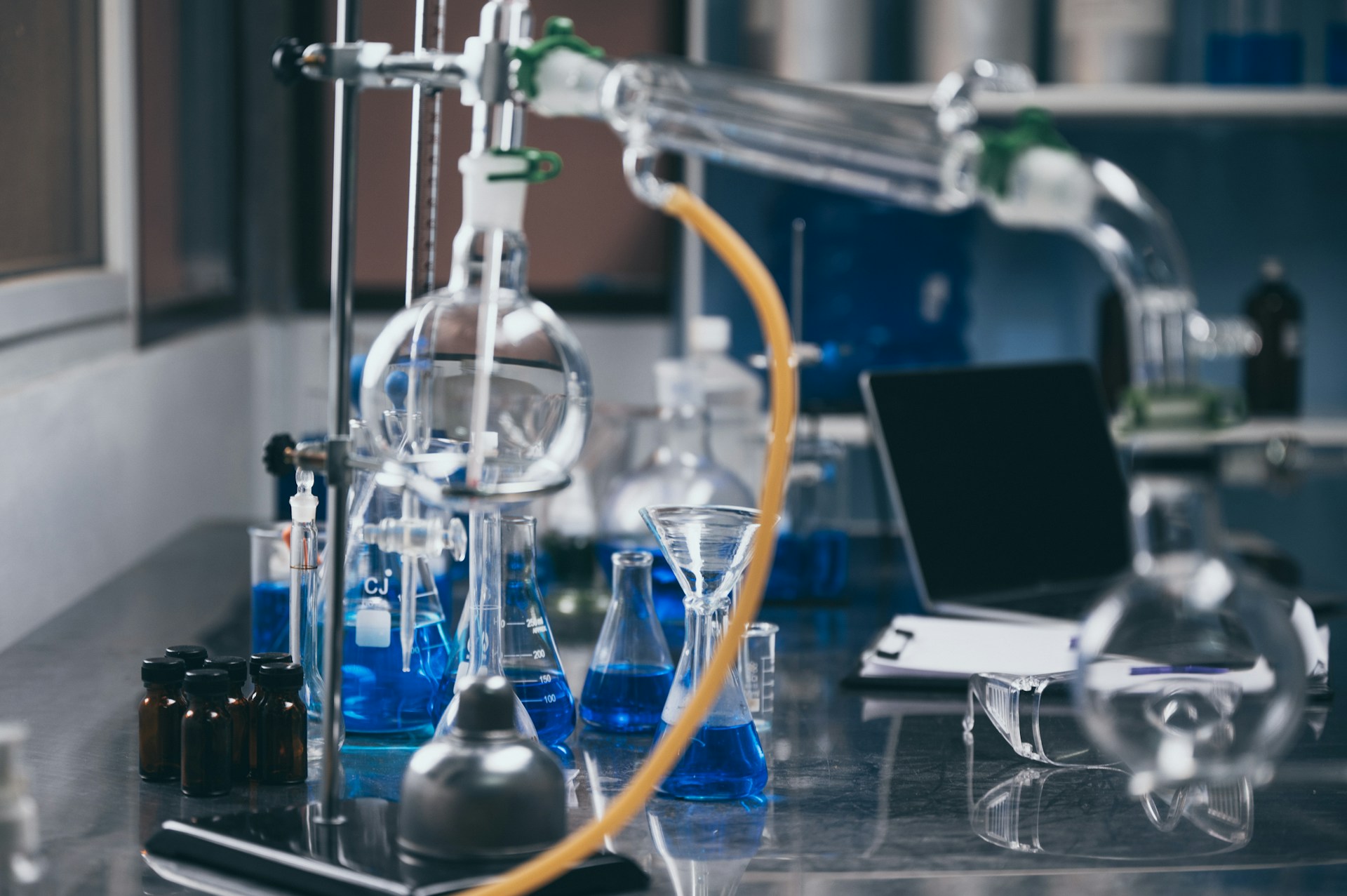
In that kind of pressure, small upgrades can make a big difference. Quick-release joints, better heat and anti-tip strategies, smarter condenser hose routing, and simple secondary containment help keep runs smooth instead of stressful. These are not big redesigns. They are smart tweaks that fit into how you already work and that sit neatly alongside your existing laboratory stands and clamps.
At LabChoice Australia, we spend a lot of time talking with education, research, and industry labs about these practical upgrades. The goal is always the same: safer people, safer glass, and fewer failed distillations in the middle of a busy term.
Fast, Safe Glass Changes with Quick-Release Joints
Traditional ground-glass joints with grease and simple clips still do the job, but they can slow you down. When joints cool and lock up, it often leads to twisting hot glass, pulling at awkward angles, or heating joints with water just to get them apart.
Quick-release or quick-fit joints are designed to make that whole process smoother. Instead of relying only on friction and a standard Keck clip, they give you:
- Faster assembly and disassembly between classes or batches
- Less handling of hot condensers and flasks
- Lower chance of chipping joint tapers when you separate parts
In a teaching lab, that might mean swapping receivers in minutes between sessions instead of wrestling with stuck glass when students are lining up at the door. In research and industry setups, it means less downtime between runs and fewer chances for someone to grab hot glass in a rush.
From a safety point of view, quick-release joints cut down on:
- Stuck joint surprises that tempt people to force the glass
- The need to twist large condensers or heavy flasks by hand
- Side loads on joints that can cause cracks around stressed tapers
You do not have to replace every joint at once. Many labs mix quick-release joints with standard glassware. A few tips that help:
- Start with the most handled joints, like distillation heads and receivers
- Choose joint clips that hold up to the chemicals and temperatures you use
- Check that your existing laboratory stands and clamps support the new setup without crowding or strain
We work with labs to match joint styles and accessories to common head, condenser, and receiver combinations, so upgrades fit into current kits rather than fighting them.
Beyond Basic Laboratory Stands and Clamps for Stability
Most of us learned distillation on a simple retort stand, a bosshead, and a single clamp. That old setup can feel shaky once you add taller fractionating columns, larger flasks, vacuum adapters, or heavier receivers. The result is often:
- Wobbly stands that rock when someone brushes past the bench
- Bossheads loaded up with too many rods and clamps
- Top-heavy glass that sways over hot mantles or baths
Plain laboratory stands and clamps still matter, but on their own they can struggle with bigger or more complex rigs. A bump to a power cord or a nudge to a water bath can be enough to start a slow lean that ends in broken glass and spilled solvent.
Some simple stability upgrades can help:
- Use wider-base stands or bench-top frames to lower the centre of gravity
- Give key joints three-point support so the still head cannot twist or sag
- Position clamps to cradle glass, not pinch it at thin necks or joints
Heat sources are a big part of anti-tip planning. It helps to:
- Match mantle and bath sizes to the actual flask size
- Keep cords and controller leads short, tidy, and off walkways
- Anchor or brace heating gear so a knock does not drag the whole apparatus over
A quick mid-year audit can be eye-opening. Walk along the benches and look for:
- Stands that flex when you tap them
- Single clamps trying to hold an entire column and condenser
- Glass leaning away from its centre line
Small hardware changes, like adding one extra clamp or swapping in a heavier base, often prevent the kind of near-miss that leaves everyone shaken and behind schedule.
Cooler, Cleaner Runs with Smarter Condenser Hose Routing
Cooling water is easy to forget about until there is a problem. In winter, when labs are packed and floors are wet from coats and umbrellas, messy hose runs are even riskier. Common issues include:
- Kinked hoses that block flow and let vapour slip past the condenser
- Hoses popping off barbs and spraying water over electrical gear
- Trip hazards from loops of tubing crossing busy paths
Good hose routing is simple, but it needs a bit of planning:
- Keep runs as short and direct as possible to taps and sinks
- Use clips, cable ties, or similar hardware to hold hoses firmly to barbs
- Colour-code or label inlet and outlet lines so people do not cross them under time pressure
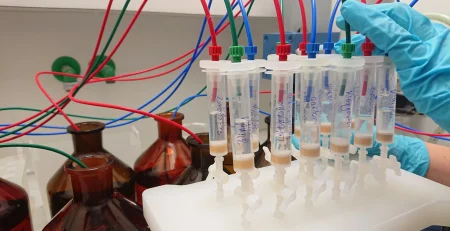
Support is not just for glass. Using stands, clamps, or dedicated hose supports to keep hoses off hot mantles, hotplates, and power boards protects both people and equipment. When hoses are guided up and along support rods, they are less likely to catch on sleeves or lab coats.
Smarter routing also helps performance:
- More consistent cooling gives cleaner separation and fewer sudden floods in the receiver
- Reliable flow means you spend less time restarting distillations that went wrong due to warm condensers
- Dry benches and floors mean fewer slips and less time wiping up water mid-class
Some labs also add extras like small flow-control valves, quick-connect couplings, or tubing that suits chilled water or glycol loops. The right combination depends on your system, but the goal is always steady, predictable cooling.
Secondary Containment That Goes Beyond Catching Spills
Secondary containment is often seen as just a tray under a flask, but it can do much more. In distillation, it helps:
- Protect benchtops from hot solvents and oil
- Stop leaks from running under equipment or into drawers
- Make any clean-up faster and safer
There are basic options like trays and chemical-resistant spill mats, and there are more shaped solutions like bench liners with raised lips, magnetic heat mats that sit under mantles, or modular platforms that can be moved between rigs.
When you choose containment, it pays to think about:
- How it will sit with your heat source, for example under a mantle or oil bath
- Chemical and heat resistance for the solvents you actually use
- How easy it is to clean between classes or runs
- How it works with your current support gear instead of needing more stands and clamps squeezed into tight spaces
Winter brings a few extra concerns. Doors and windows stay closed more, so vapours can hang around longer after a spill. Loose scarves, big jackets, and extra layers also catch more easily on glass, hoses, and cords. Keeping leaks inside a clear, defined area lowers the load on the room and gives staff a simple, controlled space to manage.
Good places for secondary containment include:
- Directly under boiling flasks and receivers
- Beneath joints or adapters that are most likely to seep
- Under long hose runs or connections that might drip or condense
A small tray under the right point in the setup can mean the difference between a quick wipe and a shut-down for a full spill response.
Upgrade Your Distillation Rig Before the Next Term Starts
Mid-year is a natural time to pause, take stock, and get distillation rigs ready for the next teaching block or the next round of winter projects. A short, focused review can pick up a lot of hidden risk.
A simple action list might look like this:
- Check joints and clips for sticking, damage, or awkward handling
- Review stands, bases, and clamps for stability under real working loads
- Tidy and secure condenser hoses so they are short, supported, and out of the way
- Add secondary containment beneath the most likely leak and spill points
At LabChoice Australia, we support education, research, and industry labs around the country with glassware, quick-release joints, laboratory stands and clamps, heating gear, hose accessories, and spill-control options that work together as a system. With a few smart upgrades now, your winter distillations can run calmer, cleaner, and a lot safer for everyone in the lab.
Equip Your Lab With Reliable Support Hardware Today
If you are ready to upgrade your setup with dependable equipment, our range of laboratory stands and clamps is designed to keep your experiments secure and precise. At LabChoice Australia, we carefully select products that match the demands of Australian laboratories, from teaching spaces to advanced research facilities. Browse our solutions today so you can standardise your setups, improve safety and free up time to focus on your results.