Why the Right Magnetic Stirrer Matters
Choosing a magnetic stirrer is not just ticking a box on a lab setup list. The stirrer you pick affects how well your experiments mix, how safe your team is around hot liquids, and how smoothly each lesson or procedure runs. A good unit becomes a quiet workhorse in the background, doing its job without fuss.
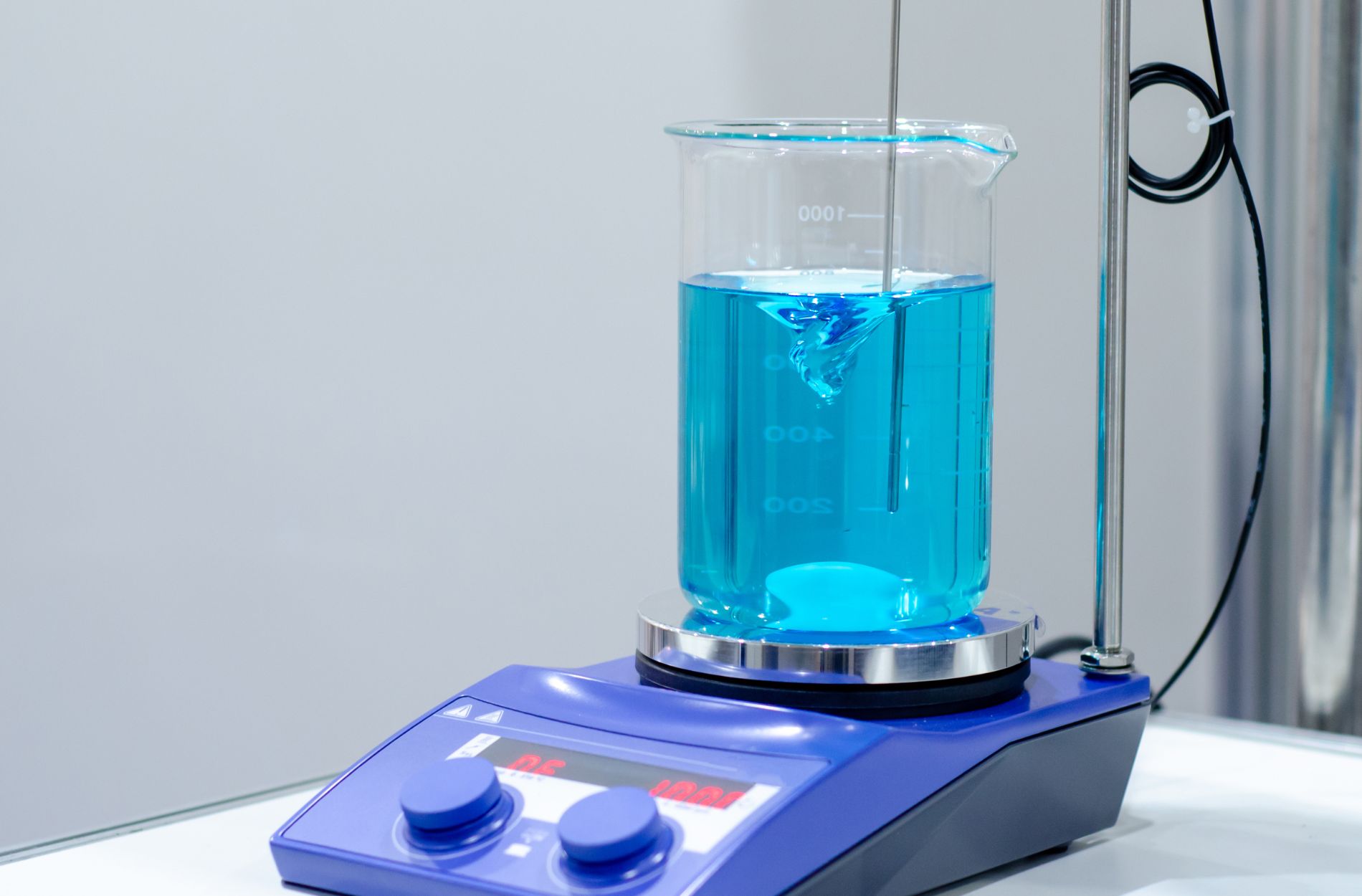
A magnetic stirrer uses a spinning magnet under the plate and a stir bar in the liquid. That simple idea shows up everywhere, from teaching labs and research benches to small production and quality control labs. When you buy laboratory equipment online, magnetic stirrers are one of the most important tools to get right, because so much daily work depends on them running properly. LabChoice Australia makes it easier to buy laboratory equipment online that matches your lab’s stirring needs, without guesswork or confusion.
Understanding Your Stirring Requirements
Before looking at brands or pretty control panels, it helps to be clear about what you are actually stirring. Different samples place very different loads on a magnetic stirrer.
Think about:
- Sample type, like water-like solutions or thicker mixtures
- Volume range, from a few millilitres to several litres
- Container size and shape, from small flasks to large beakers
Thin, water-like solutions in small to medium glassware are perfect for standard magnetic stirrers. When you move into larger volumes or more viscous samples, the job gets harder. At some point you may need a more powerful stirrer or even an overhead stirrer instead of a basic magnetic unit. Clarifying these needs before you buy laboratory equipment online prevents underpowered or incompatible stirrer purchases.
Next, consider temperature and chemical conditions. Do you only need mixing at room temperature, or do you also need heating for dissolving solids or running reactions? If heating is part of the plan, look at:
- Maximum plate temperature
- How evenly heat spreads across the plate
- Whether the surface is suited to strong acids, bases, or solvents
The stir bars themselves also need to be compatible with your solvents and temperatures. Most labs lean on PTFE-coated bars because they handle many chemicals well, but it is always worth checking your specific use.
Types of Magnetic Stirrers and Their Uses
Once your needs are clear, it is easier to pick between the main stirrer types. Each style suits a different kind of work, from simple teaching setups to demanding research.
Basic magnetic stirrers without heating are often the first choice in teaching labs and simple research setups. They are compact, easy to use, and great when you only need mixing. If you are just keeping solutions in motion for titrations, reagent prep, or general demonstrations, these units usually do the job.
Hotplate magnetic stirrers combine heating and stirring in one unit. This is handy for:
- Dissolving solids that need warmth to go into solution
- Preparing buffers and media that need heat
- Running reactions that must stay at set temperatures
When looking at hotplate models, pay attention to plate material, temperature stability, and how clearly you can see and adjust the controls. The plate should stand up to thermal shock and common lab chemicals.
There are also specialty and multi-position stirrers. Multi-position units let you run several samples at once, which suits teaching labs, QC labs, or any setting where the same method runs again and again. Advanced models can offer digital control, programmable steps, or links to external sensors for more complex work. Comparing these types before you buy laboratory equipment online helps you match the stirrer to your workflow, rather than bending your workflow to the instrument.
Key Features to Compare Before You Buy
Once you have the right type in mind, it is time to look closer at the specifications. A few key details make a big difference to daily use.
First, check stirring capacity and speed range. Every unit lists a maximum volume, often based on water. If your liquids are thicker, or tend to foam, treat that maximum as a rough guide, not a firm rule. It also helps to know:
- Minimum and maximum RPM
- How fine the speed adjustment is
- How stable the speed is under different loads
Build quality and materials matter too, especially with regular use. For hotplate stirrers, ceramic or coated metal plates are common choices, each with their own strengths for heat and chemical resistance. The housing should feel solid and be easy to wipe clean between runs. It can be tempting to pick the lightest unit, but a bit of weight can mean better stability on the bench.
Control, safety, and usability should not be overlooked. Think about:
- Digital vs analog controls and how easy they are to read
- Indicator lights for heating and stirring status
- Over-temperature protection on hotplate models
- Non-slip feet and a stable platform
When you buy laboratory equipment online, product specifications and safety features become your main guide, especially if you cannot see the unit in person. A clear spec sheet and photos of the controls go a long way.
Stir Bars, Glassware, and Plasticware
A magnetic stirrer only works as well as the stir bar and vessel you pair with it. Getting those right helps your new stirrer perform at its best.
For stir bars, think about:
- Length of the bar compared with the vessel diameter
- Shape, for example octagonal bars for general use or cross-shaped bars for more turbulence
- Coating, usually PTFE, and its match with your solvents and temperature range
Too small a bar can spin out or fail to move liquid at the edges of the vessel. Too large a bar can rattle or lose coupling at higher speeds.
Glassware choice matters too. Flat-bottom BORO 3.3 glassware is a strong option for consistent stirring and good heat transfer. The flat base helps the bar sit and spin properly, while the glass itself handles temperature shifts well. In some cases you might use plasticware, but anything near a heated surface must be clearly rated for the temperature and be resistant to the chemicals in use. As you buy laboratory equipment online, factor in the total system: stirrer, stir bars, and suitable glassware or plasticware, instead of treating each item separately.
Practical Tips for Australian Labs
Different lab settings around Australia often need different magnetic stirrer features. Matching the product to the lab style helps avoid frustration later on.
For education labs, especially with frequent class changes, it helps to focus on:
- Durable, simple controls that students can learn quickly
- Clear labels and visible status lights
- Units that cope well with everyday knocks and spills
Research labs tend to value precise control and wider performance ranges. Digital readouts, finer speed control, and good temperature stability become more important when you are running longer or more sensitive experiments.
Industrial and QC labs often run the same process again and again. For these teams, reliability, repeatability, and good service support matter a lot. It is also worth checking what accessories are available if your methods change over time.
No matter the lab type, supplier support matters. Clear specifications, local stock, and helpful technical guidance can save a lot of time. Warranty terms and access to spare parts or extra stir bars are also worth noting. In Australia, one advantage when you buy laboratory equipment online from a specialist like LabChoice is access to local expertise and post-sale support, which can be especially helpful in remote or regional areas where quick replacements are important.
How LabChoice Australia Helps You Choose
At LabChoice Australia, we focus on practical tools that work well in real labs, not just on paper. Our range of magnetic stirrers covers general education use, research applications, and industrial setups, along with BORO 3.3 compatible hotplate models for work that needs both heat and steady mixing. We also supply matching glassware and plasticware that pair well with magnetic stirring, so you can set up complete systems that behave predictably.
Because labs across Australia deal with different climates, from cooler southern regions to warmer, more humid areas, we pay attention to equipment that copes well with everyday conditions. Our team is here to talk through your samples, volumes, and typical protocols before you choose a model. LabChoice Australia combines the convenience of being able to buy laboratory equipment online with expert advice on selecting the right magnetic stirrer, so your lab can rely on consistent mixing day after day.
Equip Your Lab With Reliable, Ready-To-Order Solutions
If you are looking to streamline procurement and maintain consistent quality, you can buy laboratory equipment online with confidence from LabChoice Australia. We carefully source and stock equipment suited to Australian laboratories so you can focus on results, not supply issues. If you would like support in choosing the right products or need a tailored quote, please contact us and we will be happy to help.