Why Mini Vortex Mixers Matter for Modern Labs
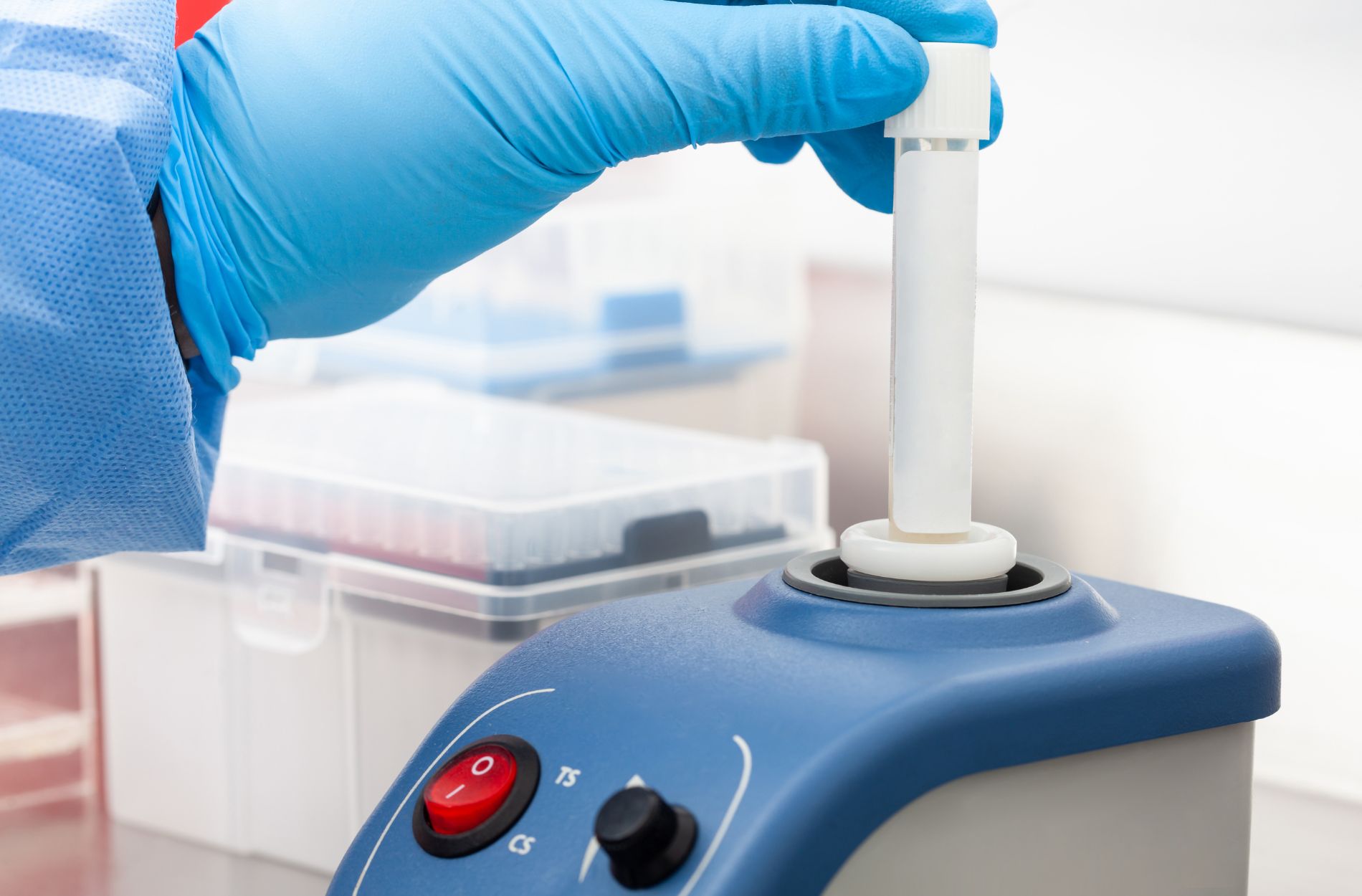
If you are considering a mini vortex mixer for your lab, it helps to choose one that actually suits the way you work. A mini vortex mixer is a small benchtop device that shakes tubes in a tight circular motion so your samples mix quickly and evenly. You will see them in molecular biology labs, clinical labs, teaching labs, and QA or QC spaces where staff are constantly resuspending pellets, mixing buffers, or setting up reactions.
When you pick the right model for up to 8 microtubes, you protect sample integrity, support reproducible results, and keep your workflow moving at a steady pace. A compact mini vortex mixer can be ideal when you routinely handle up to 8 microtubes at a time, instead of shaking each tube one by one. At LabChoice Australia, we work with many local labs that need reliable mixing for everyday protocols, so we know how much difference the right mixer can make to a busy bench.
Defining Your Mixing Needs
Before choosing a mini vortex mixer, clarify the types of microtubes and volumes you routinely work with. The samples you handle and the work you do will guide your choice more than any single feature on a brochure.
Think about your common applications:
- DNA or RNA extractions
- Cell pellets that need resuspending
- Enzyme reactions and immunoassays
- Simple buffer or reagent mixing
DNA and RNA work might need gentle but thorough mixing so you do not shear nucleic acids. Cell disruption or strong lysis steps may need higher intensity. Simple buffer mixing usually sits somewhere in the middle.
Tube format and capacity are just as important. Check:
- Tube sizes, like 0.2 mL PCR tubes, 0.5 mL, and 1.5 to 2.0 mL microtubes
- Whether the mixer is clearly rated for those formats
- If you need to process up to 8 microtubes in parallel, look for a mini vortex mixer specifically designed for multi-tube adapters
Also think about throughput and usage patterns. A teaching lab that uses a mixer a few times a week will have different needs to a molecular lab that runs it for long stretches every day. Heavy, daily use calls for higher build quality and features that make long sessions comfortable and safe.
Speed, Control and Mixing Performance
Speed and control are where a mini vortex mixer moves from just “spinning tubes” to supporting good, repeatable science. For cell disruption or intensive mixing, choose a mini vortex mixer with a broad, adjustable speed range so you can tune your mixing from soft to strong.
When you compare models, look for:
- A clearly marked speed dial or digital control
- A range that covers gentle resuspension up to vigorous mixing
- Clear feedback so you can repeat the same settings for the same protocol
Many mixers offer both touch or pulse mode and continuous mode. Touch mode is handy when you just want to quickly mix a single tube, for example to knock down droplets from the cap. Continuous mode suits longer incubations, higher throughput work, or when you are using an adapter for up to 8 microtubes at once.
Mixing uniformity across all loaded tubes matters a lot. Ask whether the mini vortex mixer can maintain consistent speed and mixing across all loaded microtubes. The orbital motion and how the tubes sit in the head or adapter will affect how even the mixing is. Secure seating helps stop tubes from rattling or jumping, which also keeps noise down and protects your tubes.
Tube Capacity, Accessories and Flexibility
Some mini vortex mixers focus on a single-tube cup, while others use small platforms or adapters that take several tubes. Each style has its place.
Single-tube mixers:
- Very compact footprint
- Great for quick, one-off tube mixing
- Simple to clean and move between benches
Multi-tube platforms:
- Mix up to 8 microtubes at once
- Increase throughput during busy runs
- Reduce time spent standing at the bench shaking tubes by hand
Look for a mini vortex mixer that includes a multi-tube head or optional adapter for up to 8 microtubes if you know your workflow often involves small batches. Interchangeable heads and adapters are especially handy. With the right heads, the same mixer can take 0.2 mL PCR tubes, standard 1.5 to 2.0 mL microtubes, or even small vials for special work.
A versatile mini vortex mixer with interchangeable platforms can save you from purchasing multiple mixers later. It can start as a simple single-tube unit in a teaching lab, then grow with your workload as you add a 4- or 8-tube adapter for more advanced classes or research projects. This is especially useful in Australian labs where bench space is often limited and shared.
Safety, Durability and Ease of Use
Safety and durability are easy to overlook when you are comparing RPM numbers, but they matter every day in the lab. When comparing mini vortex mixer options, do not overlook stability and noise levels, especially in crowded teaching labs where several instruments are running at once.
Key safety and durability points include:
- A low centre of gravity so the unit does not “walk” on the bench
- Non-slip feet that grip even when the bench is slightly wet
- A sturdy housing that stands up to regular use and cleaning
A durable mini vortex mixer with a sturdy housing will better withstand daily use and frequent disinfection. This is important in shared spaces where many people touch the same controls through the day. Noise is another factor. Quieter operation helps keep the lab more comfortable, especially if your mixer will run for long periods.
Ease of use also matters. Clear, simple controls mean new staff and students can pick it up quickly. Smooth, wipeable surfaces make it easier to keep the mixer clean, which is helpful in labs that handle biological samples. For 8-tube adapters, quick and secure loading and unloading will save time and reduce the chance of dropping tubes.
Practical Considerations for Australian Labs
When sourcing a mini vortex mixer in Australia, it helps to look beyond the basic specs and think about day-to-day practical points.
For many labs, the balance between features and long-term value matters more than the lowest possible price. Adjustable speed, a reliable cell-disruptor function, and the ability to take a multi-tube head up to 8 microtubes can support a wide range of protocols, from gentle mixing to more intense vortexing.
It also makes sense to check:
- Warranty terms and what they actually cover
- Whether local service and spare parts are readily available
- Documentation that suits your quality system or teaching needs
Local support is useful when you need advice on which model fits your current methods, from basic buffer mixing to more demanding cell disruption. At LabChoice Australia, we supply mini vortex mixers, multi-tube vortex options and the matching consumables such as microtubes and racks, so we can help you compare mixers, adapters, and the way they fit into your broader workflow. Whether you need a compact unit for teaching labs or a stronger cell disruptor adjustable speed vortex mixer for more intensive work, careful selection at the start will pay off every time you press start.
Upgrade Your Lab Workflow With Reliable Mixing
If you are ready to streamline your sample preparation, our mini vortex mixer options are built to support consistent, repeatable results. At LabChoice Australia, we help you match the right mixer to your application and budget so you can work with confidence. Whether you are updating a single bench or fitting out a full lab, we can guide you through compatible equipment choices. If you would like tailored advice for your setup, contact us and speak with our team.