19 Jul

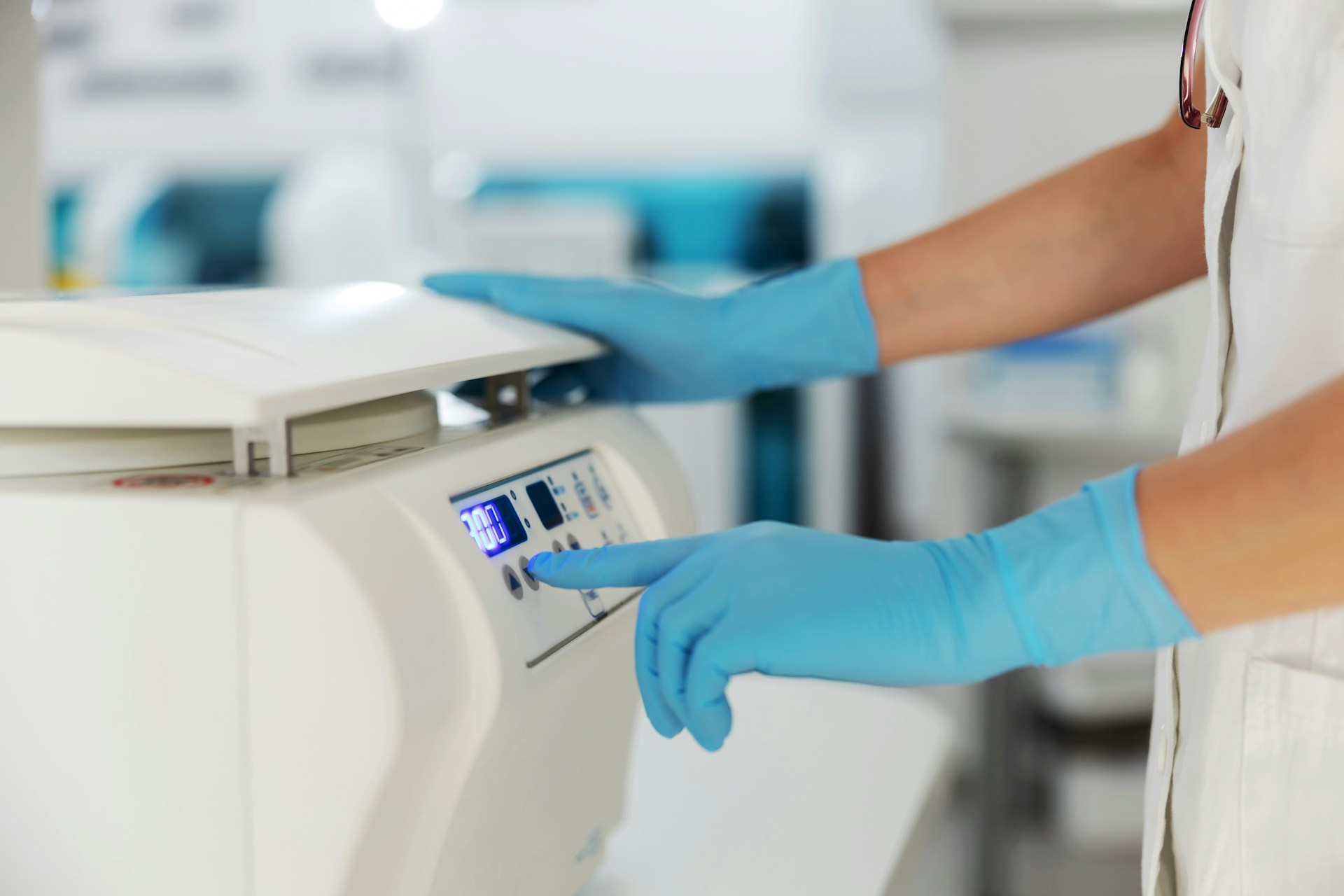
Selecting a Benchtop Centrifuge in Australia for Real-World Lab Demands

Get More From Your Benchtop Centrifuge Budget Choosing a benchtop centrifuge in Australia is not just about ticking a...
Comments Off on Selecting a Benchtop Centrifuge in Australia for Real-World Lab Demands
10 Mar

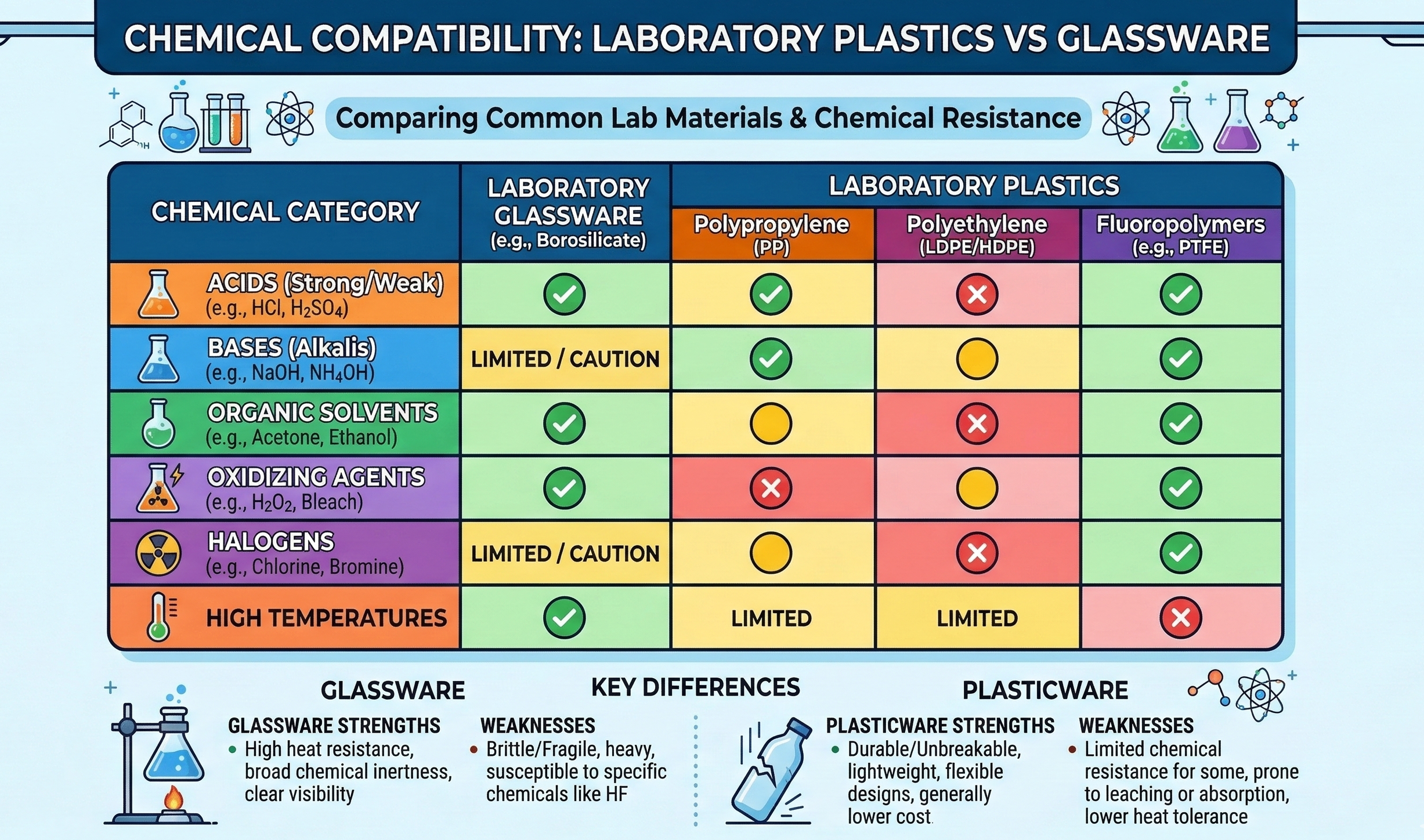
Chemical Compatibility of Laboratory Plastics vs Glassware (AU)

Chemical compatibility is not a minor detail. It determines whether your container stays intact, whether your sample remains...
Comments Off on Chemical Compatibility of Laboratory Plastics vs Glassware (AU)
10 Mar

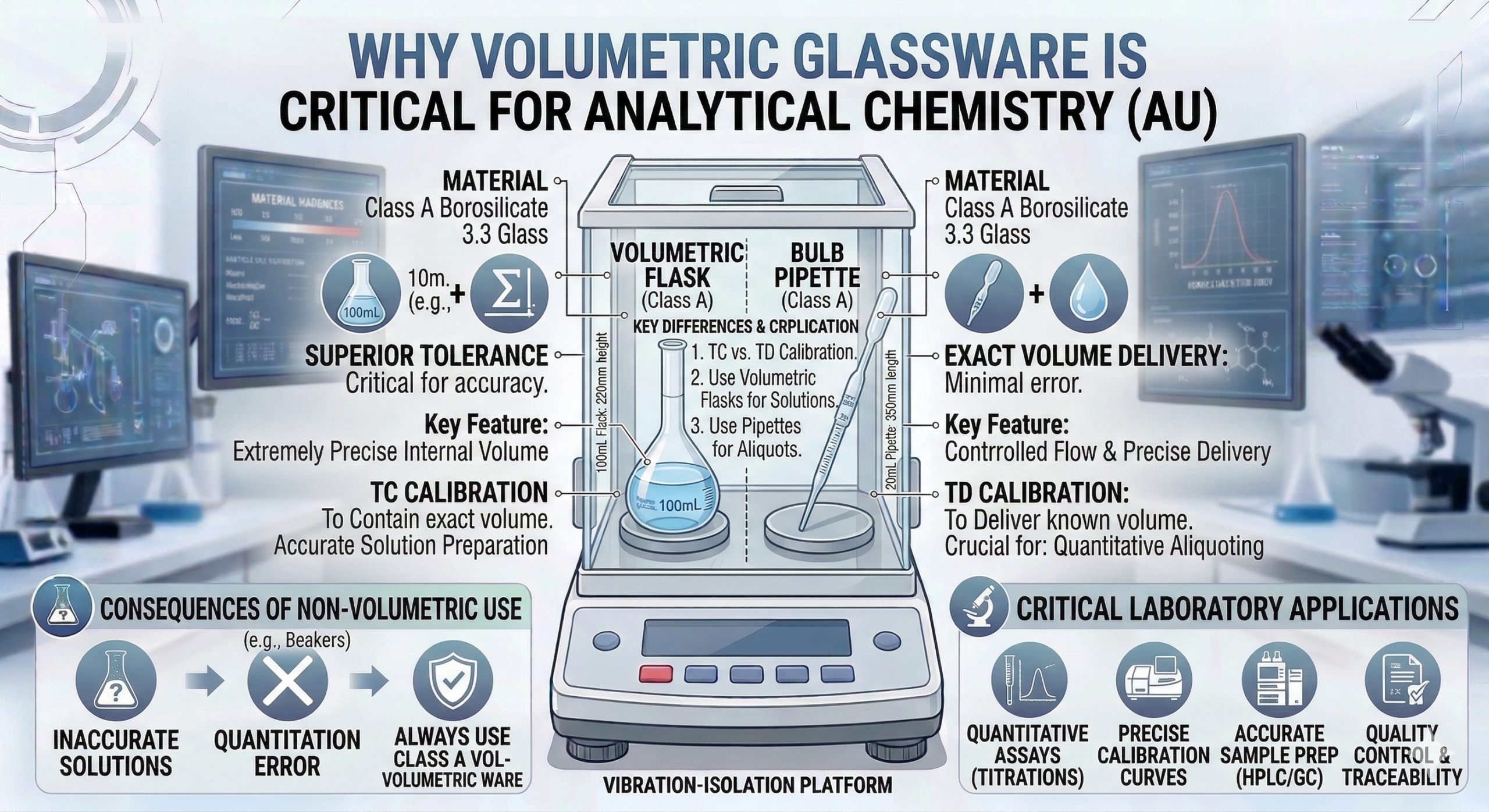
Why Volumetric Glassware Is Critical for Analytical Chemistry (AU)

Analytical chemistry depends on one thing more than most people realise: known, repeatable volumes. If your volumes drift,...
Comments Off on Why Volumetric Glassware Is Critical for Analytical Chemistry (AU)
5 Mar

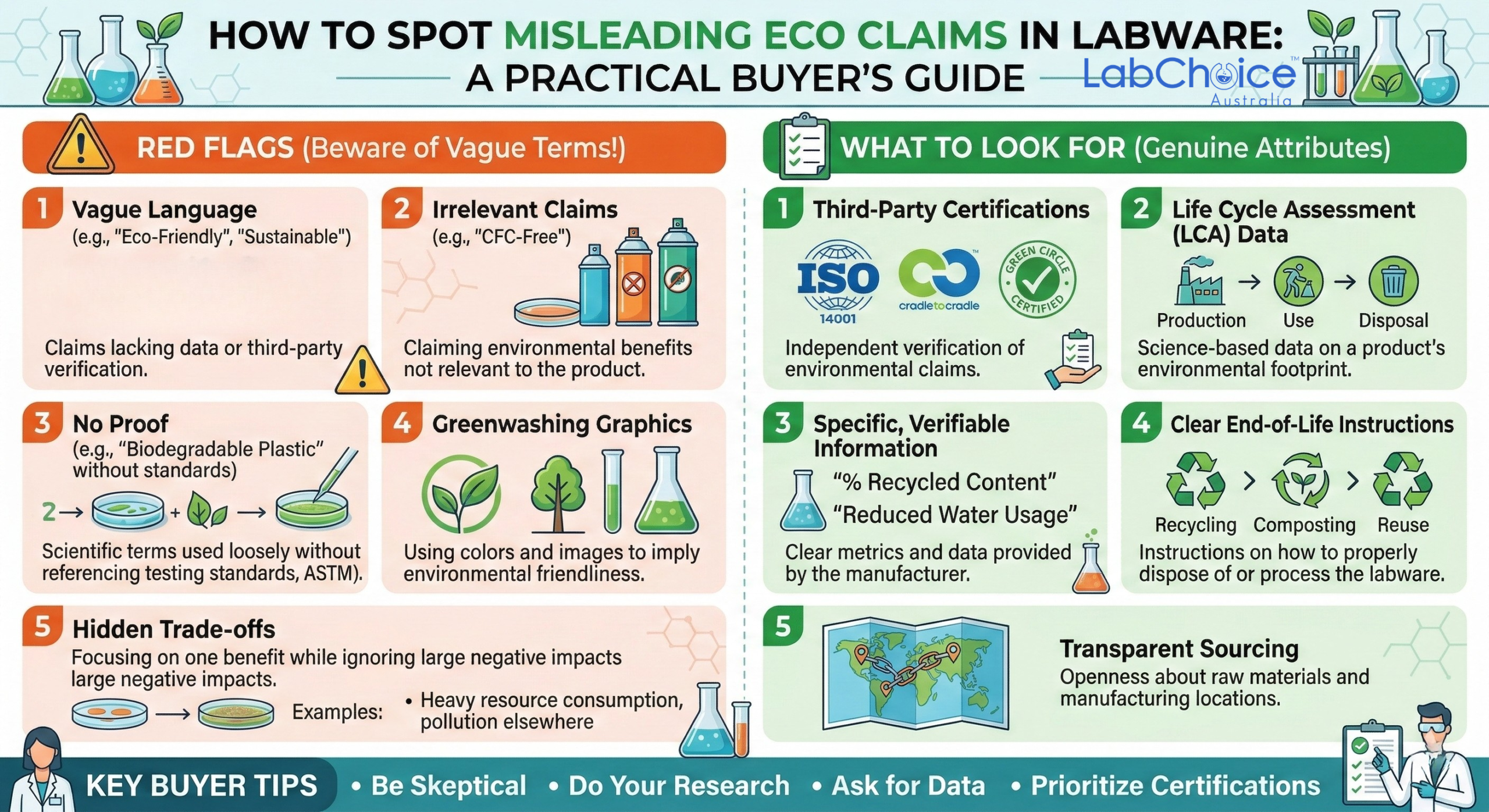
How to Spot Misleading Eco Claims in Labware: A Practical Buyer Guide (AU)

“Sustainable”, “eco-friendly”, and “green” labware claims are everywhere, but many are vague, unverified, or designed to sound better...
Comments Off on How to Spot Misleading Eco Claims in Labware: A Practical Buyer Guide (AU)
3 Mar

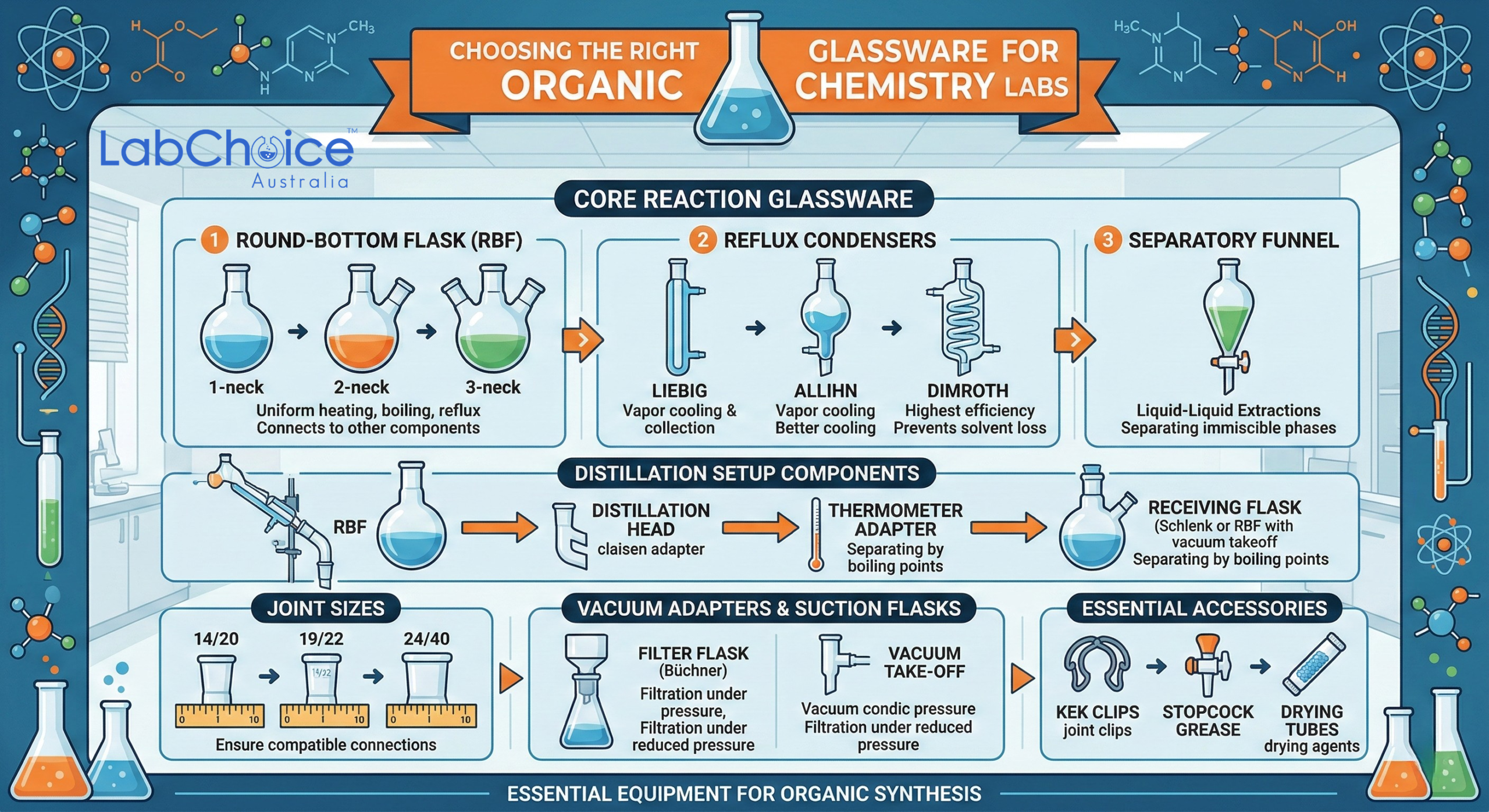
Choosing the Right Glassware for Organic Chemistry Labs (Australia)

Organic chemistry labs depend on clean reactions, controlled heating, reliable seals, and repeatable workups. The right glassware does...
Comments Off on Choosing the Right Glassware for Organic Chemistry Labs (Australia)
3 Mar

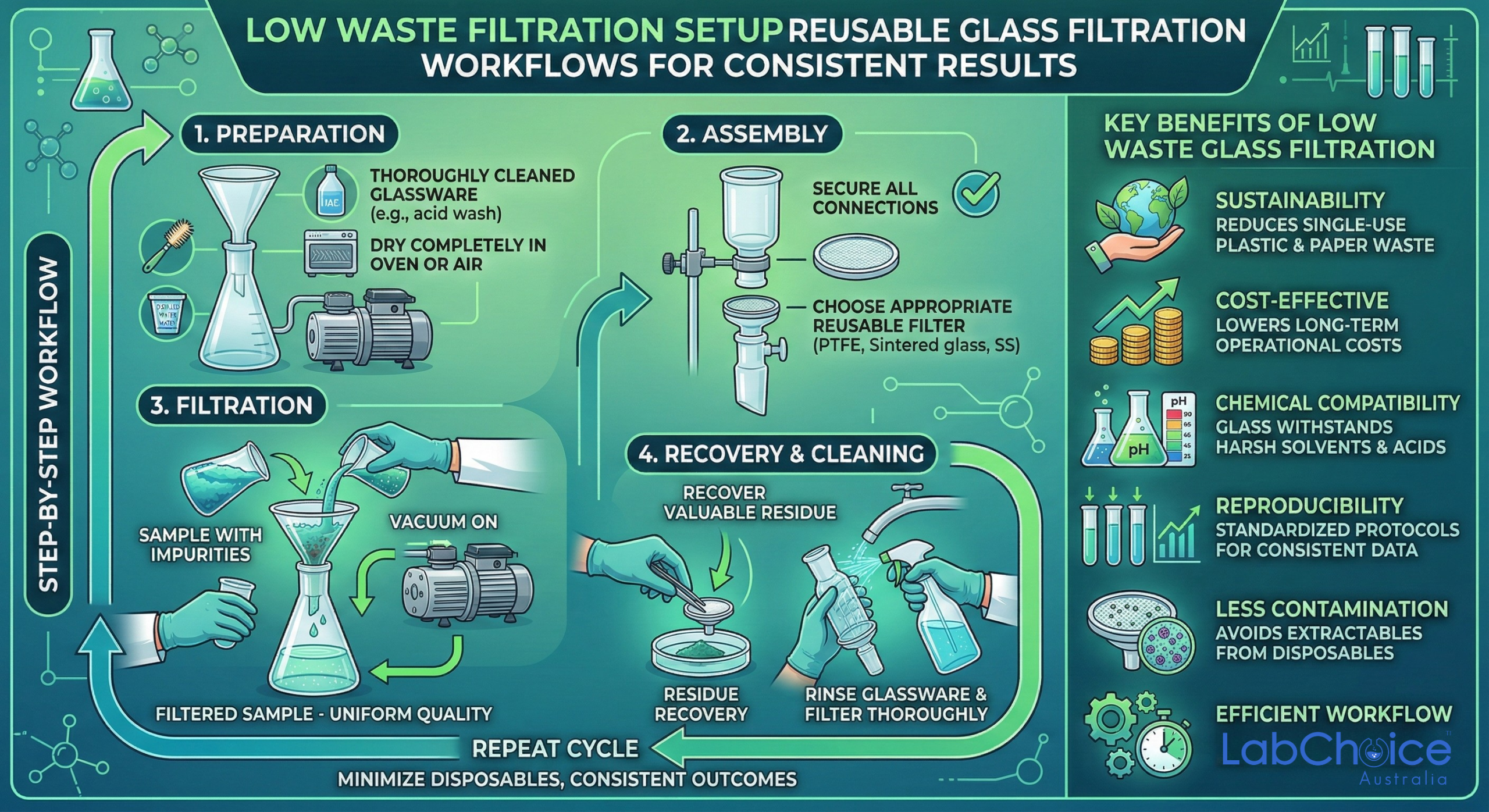
Low Waste Filtration Setup: Reusable Glass Filtration Workflows for Consistent Results (AU)

Filtration is one of the highest-frequency tasks in wet chemistry, materials, and teaching labs. It is also one...
Comments Off on Low Waste Filtration Setup: Reusable Glass Filtration Workflows for Consistent Results (AU)
27 Feb

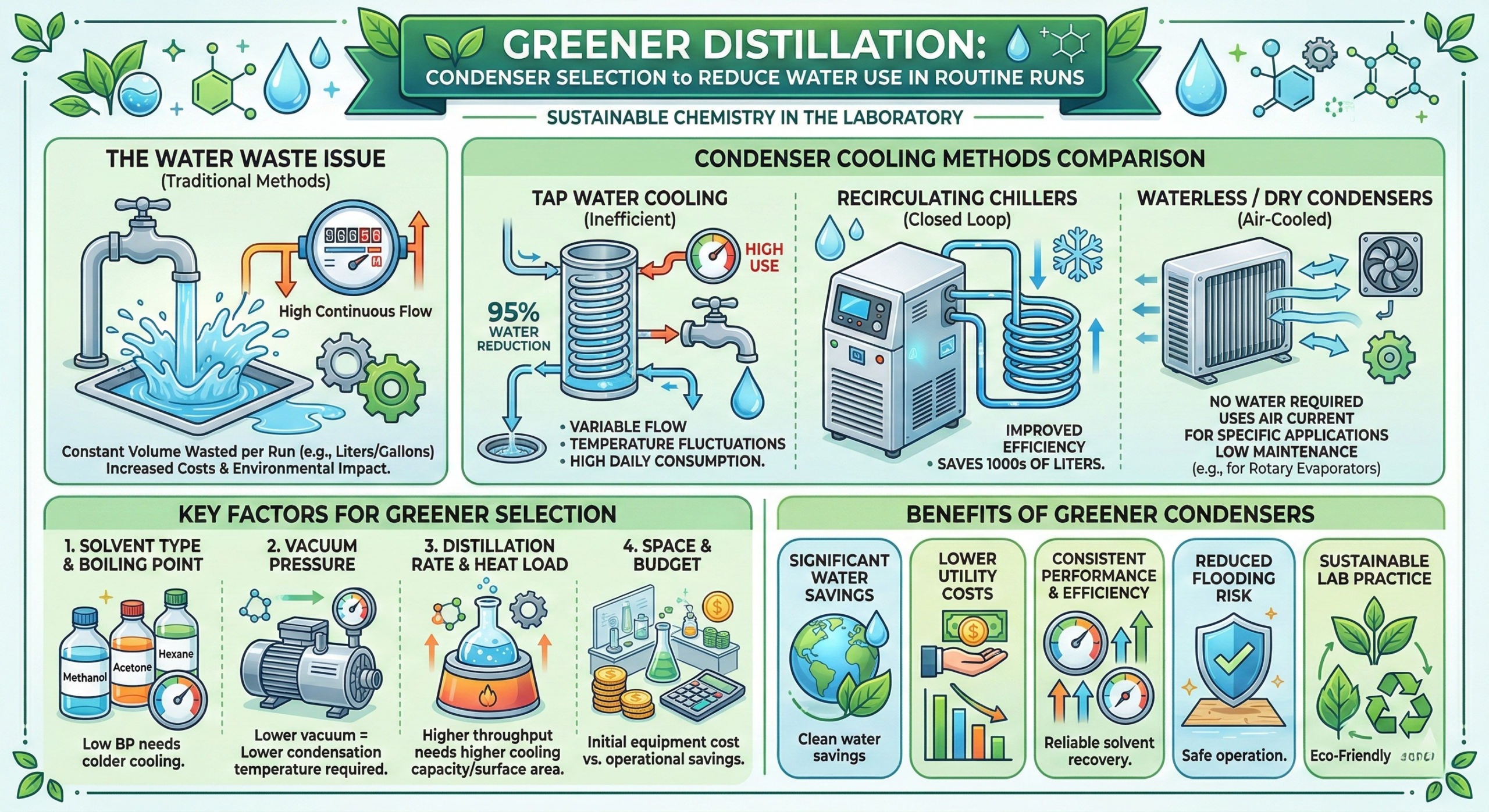
Greener Distillation: Condenser Selection to Reduce Water Use in Routine Runs

Routine distillation can quietly waste a lot of water, especially when condensers are run on continuous tap flow...
Comments Off on Greener Distillation: Condenser Selection to Reduce Water Use in Routine Runs
26 Feb

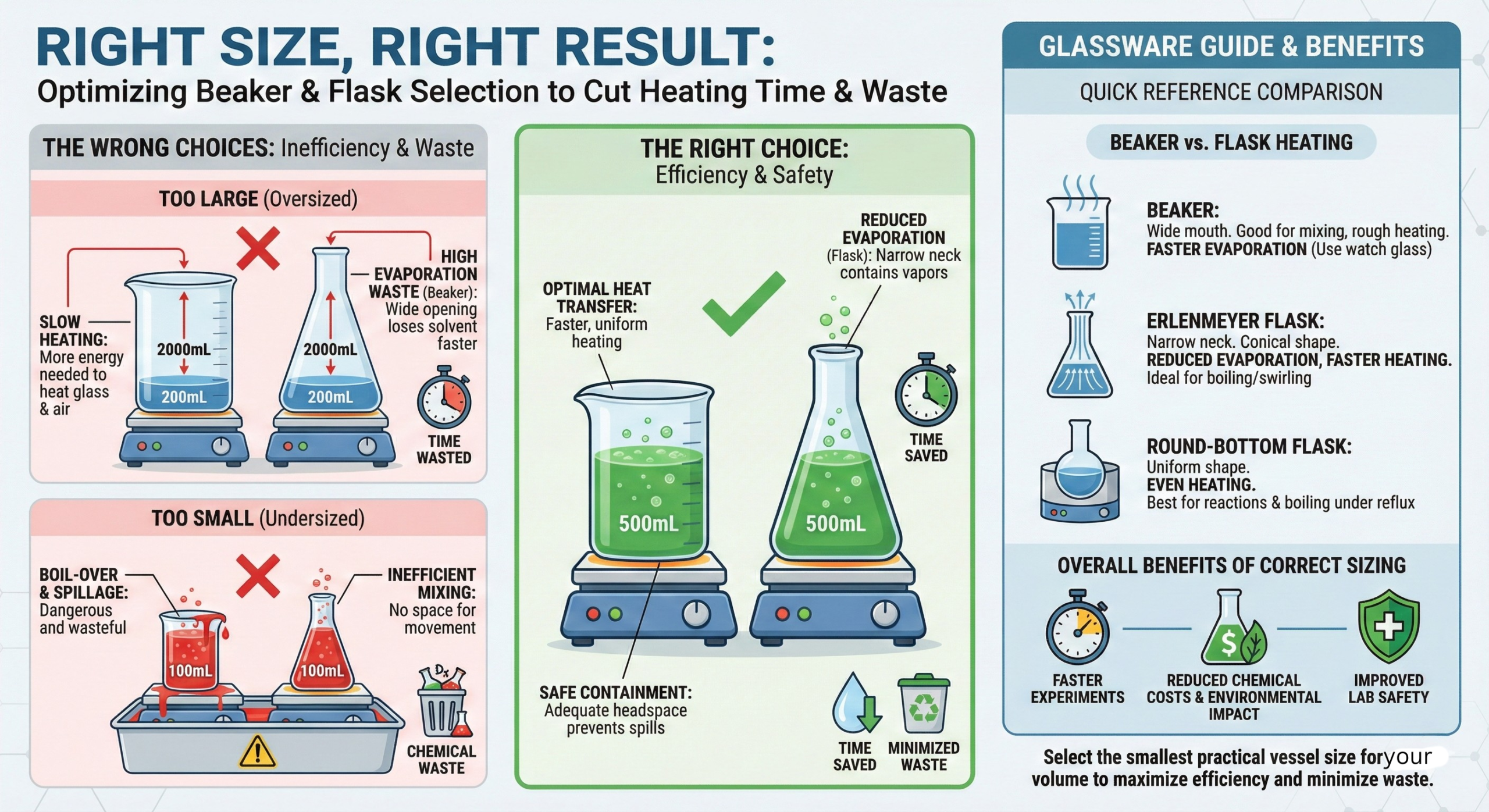
Right Size, Right Result: Choosing Beaker and Flask Sizes to Cut Heating Time and Waste

Choosing the correct beaker or flask size is one of the simplest ways to reduce heating...
Comments Off on Right Size, Right Result: Choosing Beaker and Flask Sizes to Cut Heating Time and Waste
25 Feb

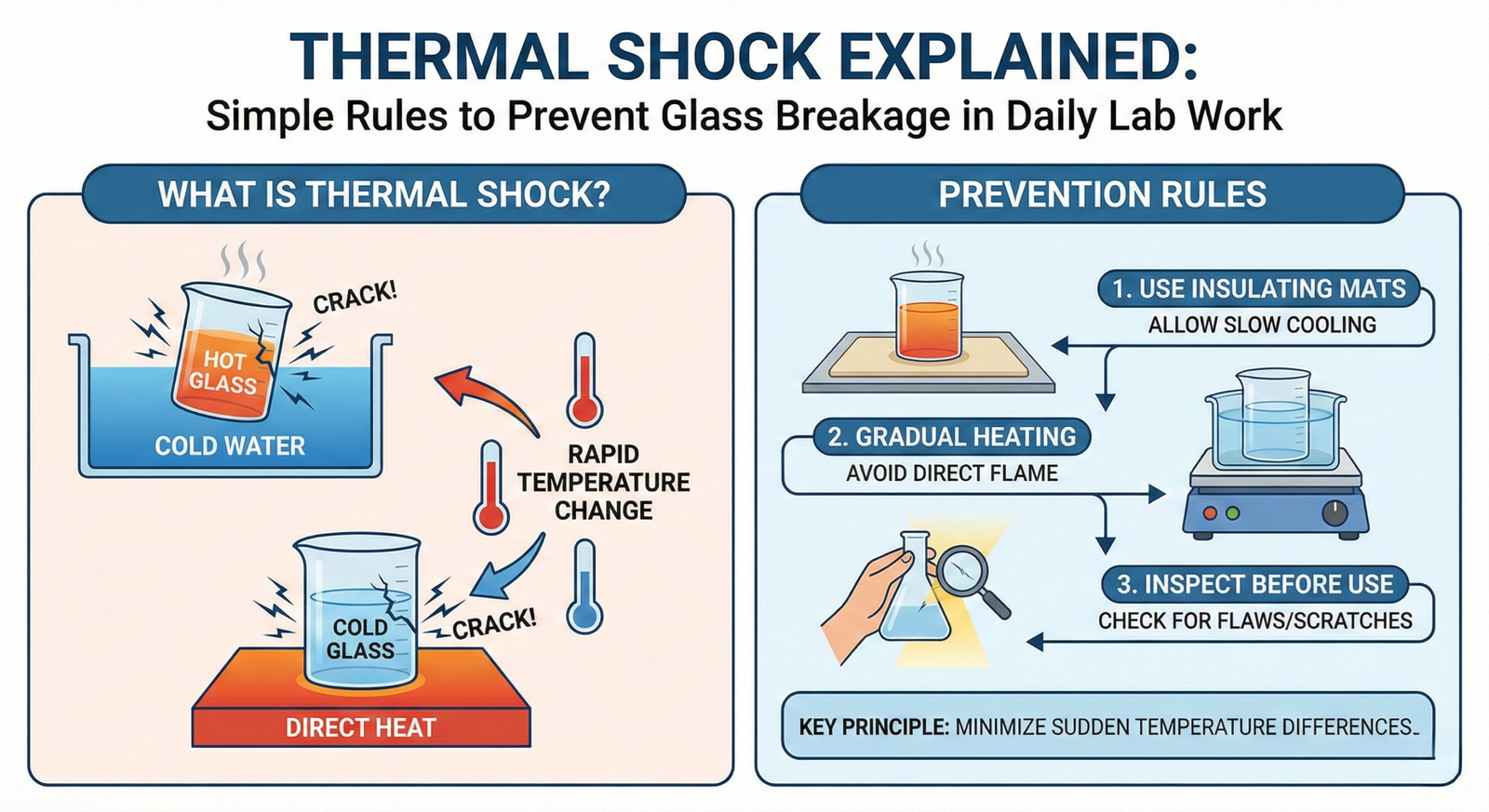
Thermal Shock Explained: Simple Rules to Prevent Glass Breakage in Daily Lab Work

Thermal Shock Explained Thermal shock is one of the most common reasons laboratory glassware breaks, even when the...
Comments Off on Thermal Shock Explained: Simple Rules to Prevent Glass Breakage in Daily Lab Work
24 Feb

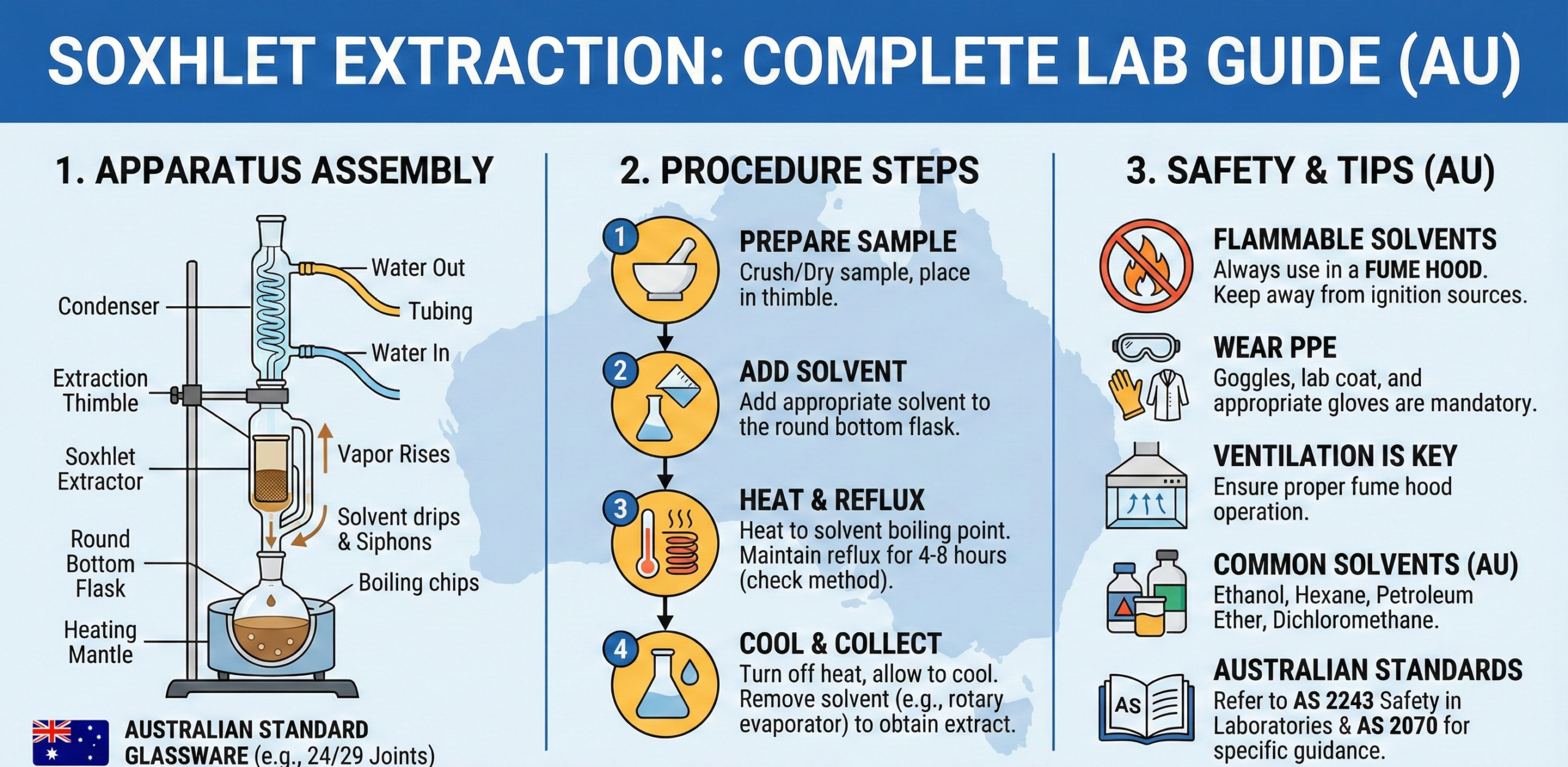
Soxhlet Extraction: Complete Lab Guide (AU)

Soxhlet extraction is a reliable, repeatable technique for pulling target compounds from a solid matrix using continuous solvent...

Comments Off on Soxhlet Extraction: Complete Lab Guide (AU)
Can Commercial Laboratory Test Tubes Withstand Repeated Heating?

Can Commercial Laboratory Test Tubes Withstand Repeated Heating?

Commercial laboratory test tubes can withstand repeated heating when you choose the right material, heat them in a controlled way...
How to Choose the Right Magnetic Stirrer for Your Laboratory

How to Choose the Right Magnetic Stirrer for Your Laboratory

Choosing the right magnetic stirrer helps us create a safer, smoother and more repeatable lab workflow. The right unit does...
Why Research Teams Are Standardising Laboratory Plasticware

Why Research Teams Are Standardising Laboratory Plasticware

Consistent laboratory plasticware can make everyday research work calmer, clearer and easier to repeat. Pipette tips, tubes, plates, bottles and...
Reusable Plastic Lab Funnels for Segregated Chemical Workflows

Reusable Plastic Lab Funnels for Segregated Chemical Workflows

Reusable plastic lab funnels can help you prevent avoidable cross-contamination during liquid transfers, filtration and decanting. A simple funnel may...
How Centrifuge Rotor Choices Affect Sample Recovery

How Centrifuge Rotor Choices Affect Sample Recovery

Sample recovery depends on more than choosing a high speed and pressing start. The rotor in your laboratory centrifuge machine...
Selecting and Using a Mini Centrifuge for Sample Preparation

Selecting and Using a Mini Centrifuge for Sample Preparation

A mini centrifuge can make everyday sample preparation quicker and more consistent. We recommend it for routine, low-volume jobs such...
Selecting Tube Rotators for Consistent Pharmaceutical QC Mixing

Selecting Tube Rotators for Consistent Pharmaceutical QC Mixing

Consistent mixing can make a real difference to pharmaceutical QC work. When samples, suspensions, reagents or aliquots must remain uniform...
Understanding Hot Plate Magnetic Stirrer Heat Control

Understanding Hot Plate Magnetic Stirrer Heat Control

Precise heat control sits at the heart of repeatable mixing, dissolution, digestion and sample preparation. When you can heat a...
Soxhlet Vs Ultrasonic Extraction: Choosing the Right Apparatus

Soxhlet Vs Ultrasonic Extraction: Choosing the Right Apparatus

Choosing an extraction method affects everything that comes next, from recovery and repeatability to processing time and solvent waste. When...
Is a Glass Distillation Apparatus Supplier Right for Your Lab?

Is a Glass Distillation Apparatus Supplier Right for Your Lab?

A distillation setup works best when its parts are designed to fit together safely and predictably. Rather than piecing together...
Understanding What a Vortex Mixer Supplier Should Specify

Understanding What a Vortex Mixer Supplier Should Specify

A vortex mixer can look like a simple piece of bench equipment, but the right choice depends on far more...
How Petrochemical Labs Specify Glassware for Thermal and Solvent Work

How Petrochemical Labs Specify Glassware for Thermal and Solvent Work

Petrochemical testing puts glassware under far more pressure than ordinary bench work. Heat, rapid cooling, volatile hydrocarbons and aggressive solvents...