Why the Right Vortex Mixer Matters
A vortex mixer is one of those small lab tools that quietly keeps everything moving. It spins liquid in a tight circular motion, so your tubes get quick, even mixing with very little effort. We use it all the time for mixing reagents, resuspending pellets, or getting uniform suspensions before we move to the next step.
Choosing the right vortex mixer matters more than many people think. The right choice can improve reproducibility, protect sample integrity, and speed up daily workflows. Pick the wrong one and you might get inconsistent results, spills, or wasted time re-mixing tubes. At LabChoice Australia, we work with education, research, and industry labs across the country, so we see firsthand how the right product selection makes everyday work smoother.
Understanding Your Lab Mixing Needs
Before you choose a vortex mixer, start by mapping out your typical samples and vessels. A clear picture of your day-to-day work will narrow your options quickly and save you from buying something that does not quite fit.
Think about what you actually mix most often. Common use cases include:
- Simple resuspension of light pellets or powders
- Gentle mixing of reagents before use
- More intensive mixing of viscous solutions
- Breaking up cell pellets or dense suspensions
Next, list the vessels you use. Your answer will strongly affect the type of head or adapter you need:
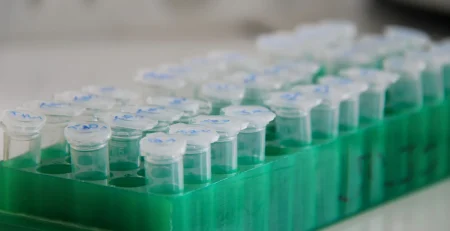
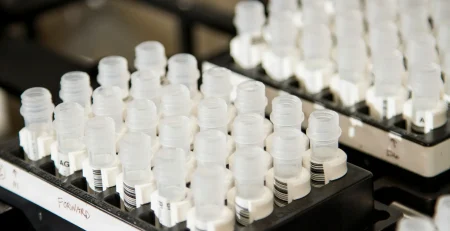
- Microtubes or PCR tubes
- Standard test tubes or culture tubes
- Small vials or bottles
- Microplates or deep-well plates
- Occasional flasks or larger containers
Throughput also matters. If you only mix the odd sample here and there, a basic, single-tube unit is often enough. But if your team runs many samples at once, multi-tube attachments or plate adapters can save a lot of time. High-volume workflows benefit from a vortex mixer that can handle racks or plates, so staff are not standing at the bench mixing one tube at a time.
Key Vortex Mixer Features to Compare
There are a few key features to look for in a vortex mixer that make daily work safer and more reliable. Taking a close look here helps you match the mixer to how your lab actually runs.
Speed and control are a good place to start. Some models have a fixed speed, which can be fine for simple, repeatable tasks. Others offer variable speed control so you can set low RPM for gentle mixing or higher RPM for tough pellets and thicker samples. Consistent speed control supports reproducible results, especially when your protocols depend on the same mixing strength every time.
Modes of operation also matter. The main options are:
- Touch activation, where mixing starts when you press a tube down
- Continuous mode, where the platform runs on its own
- Units that offer both, plus timer or simple programmable settings
Touch mode is handy for quick, one-off mixing. Continuous mode works better when you are processing many samples or using racks and plates. Timers or basic programs help standardise how long you mix, which is handy in shared labs.
Orbital motion and stability should not be overlooked. Orbital diameter affects how strongly the liquid moves, and different motion types can change how quickly a sample mixes. A good vortex mixer should have:
- A stable, heavy base
- Anti-slip feet
- Low vibration during use
This stability helps prevent tubes from walking off the platform, cuts down on bench noise, and keeps your samples safe from accidental spills.
Matching Mixers to Different Lab Environments
The ideal vortex mixer for a teaching lab may differ from the best option in a high-throughput QC facility. The type of lab environment shapes which features really matter.
In teaching and education labs, we often see a focus on:
- Simple controls that students can learn quickly
- Strong, durable housings that handle frequent use
- Safety features and stable operation
- Easy cleaning between classes
Research laboratories usually need more flexibility. These labs often benefit from:
- Interchangeable heads for tubes, microplates, and sometimes small flasks
- Precise speed control for different techniques
- A compact footprint when bench space is limited
- Quieter operation, especially in shared or open-plan spaces
Industrial and QC labs tend to push equipment harder, often through long, regular runs. For these spaces, it helps to:
- Solid construction that can handle frequent or continuous use
- Consistent performance to match standard operating procedures
- Controls that make it easy to repeat the same settings day after day
Thinking about your environment first makes it easier to sort through the many similar looking models on the market.
Practical Considerations for Safety, Care, and Budget
No matter what type of lab you are in, practical details can make a big difference over the life of the mixer.
On the safety and ergonomics side, we suggest looking for:
- Non-slip platforms and secure grips that hold tubes firmly
- A stable base that resists tipping
- Surfaces and housings that are resistant to the chemicals you commonly use
Ergonomic design also matters for staff who use the mixer many times a day, so simple controls and comfortable tube handling are helpful.
Maintenance and service are part of keeping any vortex mixer running well. Routine care usually includes:
- Wiping down surfaces to remove spills and dust
- Checking rubber parts and tube holders for wear
- Making sure vents and air gaps are not blocked
Access to local support and parts within Australia can help reduce downtime if anything needs attention. It also gives your team confidence that the unit can stay in service for a long time.
When budgeting for a vortex mixer, think in terms of total cost of ownership rather than the first purchase alone. Long-term durability, warranty support, and the right fit for your workflow are often more valuable than choosing the lowest initial cost. A reliable unit that runs smoothly for years usually pays off in less frustration and fewer interruptions.
How LabChoice Australia Helps You Choose with Confidence
At LabChoice Australia, we work with education, research, and industry labs across the country, so we understand how different each setup can be. We can talk through your applications, whether that is cell culture, molecular biology, teaching classes, or routine QC checks, and help match features to your real day-to-day needs. Our range includes laboratory glassware, plasticware, equipment, and consumables, which makes it easier to standardise tools and workflows across your lab.
When you are ready to select a new unit or update older gear, LabChoice Australia can recommend a vortex mixer that fits your workflow, budget, and compliance needs, while keeping things practical for Australian lab conditions. With local experience and a focus on reliable laboratory supplies, we aim to make choosing your next mixer a clear, confident decision.
Equip Your Lab With Reliable Mixing Performance
If you are ready to upgrade or replace your vortex mixer, we can help you find the right fit for your workflows and budget. At LabChoice Australia, we work with labs of all sizes to match equipment to real-world applications, not just specs on paper. Talk to us about your protocols, throughput and space so we can recommend options that make day-to-day work smoother. If you would like tailored advice or a quote, contact us and our team will respond promptly.