




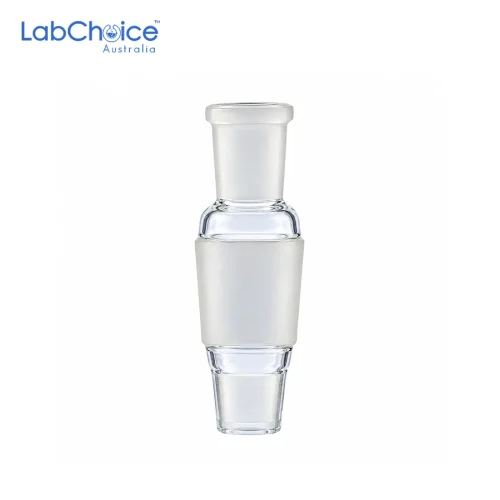
Reduction / Reducer Adapter Borosilicate Glass Laboratory Grade
From AUD 11.90 (Ex GST)
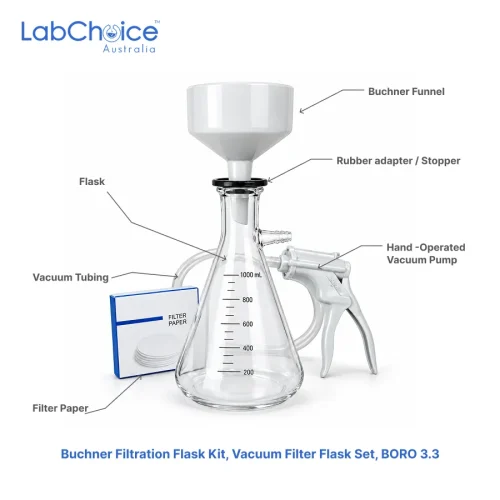
Buchner Filtration Flask Kit, Vacuum Filter Flask Set, BORO 3.3
From AUD 134.90 (Ex GST)
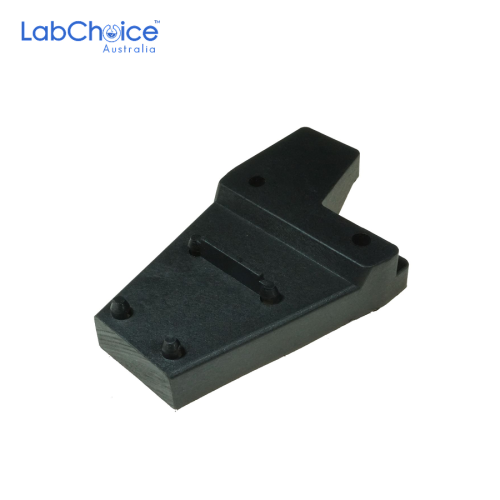
Air Track Foot Support for Spark and Paper Tracks
AUD 13.90(Ex GST)
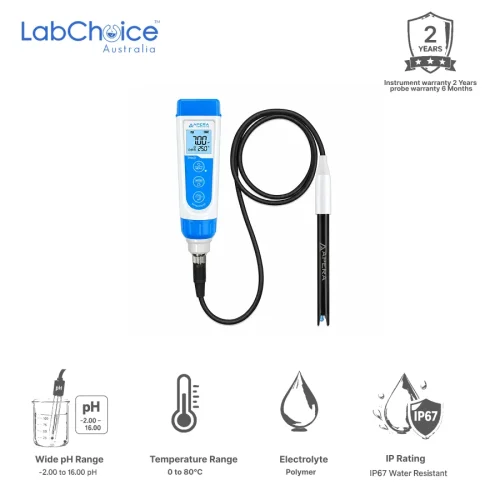
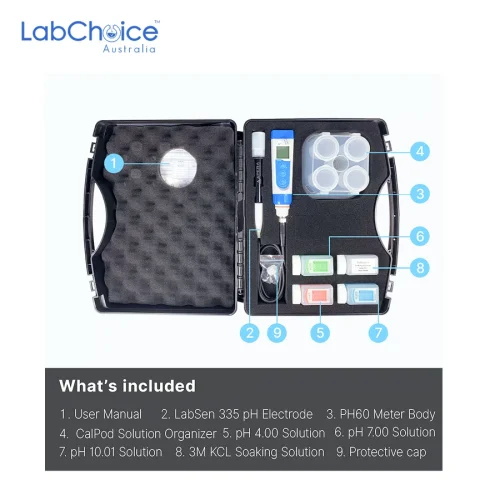
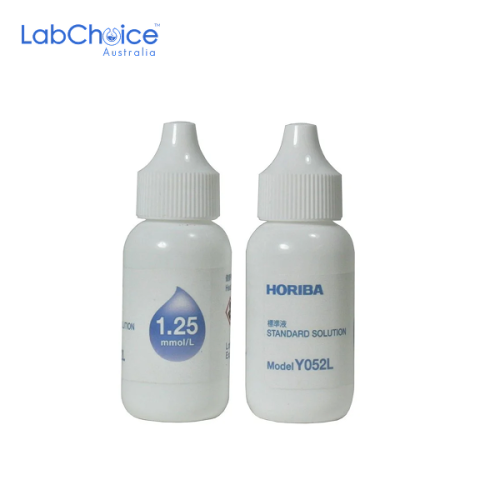
Calcium Ion Standard Solution, 1.25 mmol/L Calibration Solution
AUD 300.30(Ex GST)

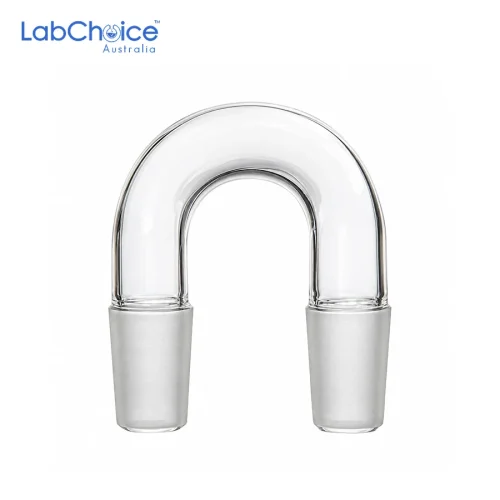

Glass Connecting Adapter U-Bend Tube BORO 3.3 Glass Laboratory Grade
AUD 14.90(Ex GST)
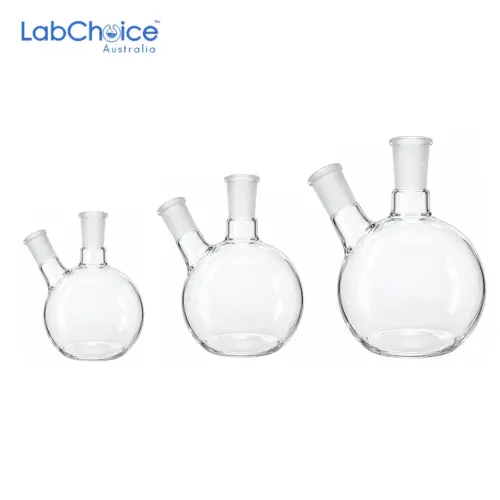

Flat Bottom Flask Two Neck Jointed, BORO 3.3 Glass
From AUD 19.90 (Ex GST)
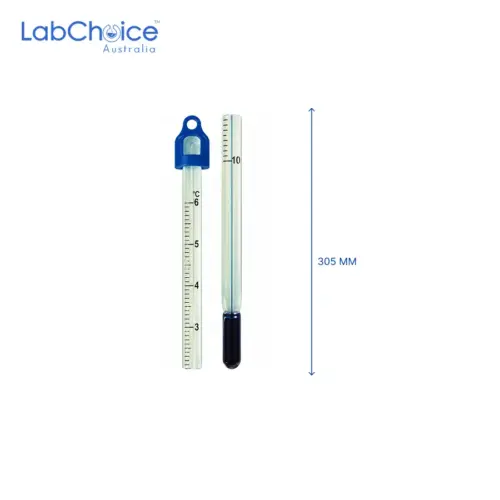
General Purpose Glass Thermometers, 305 mm, LO-tox Filled
From AUD 14.90 (Ex GST)

Laboratory Platform Jacks, Height Adjustable Apparatus Support Range
From AUD 118.50 (Ex GST)
You May Also Need
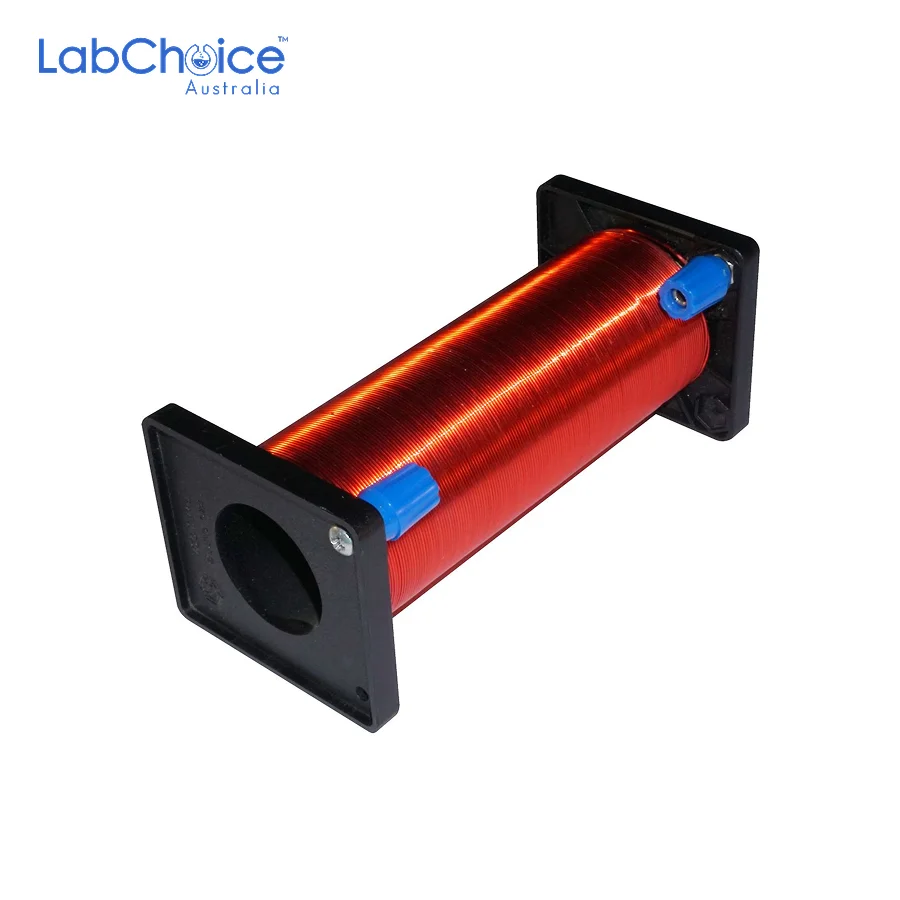
Air-Cored Copper Solenoid for Magnetic Field Experiments
AUD 165.90(Ex GST)

Capacitor Box Set of 11 for Electrical Experiments
AUD 184.50(Ex GST)

Digital Xenon Stroboscopes, XE and XEH Models
From AUD 656.50 (Ex GST)
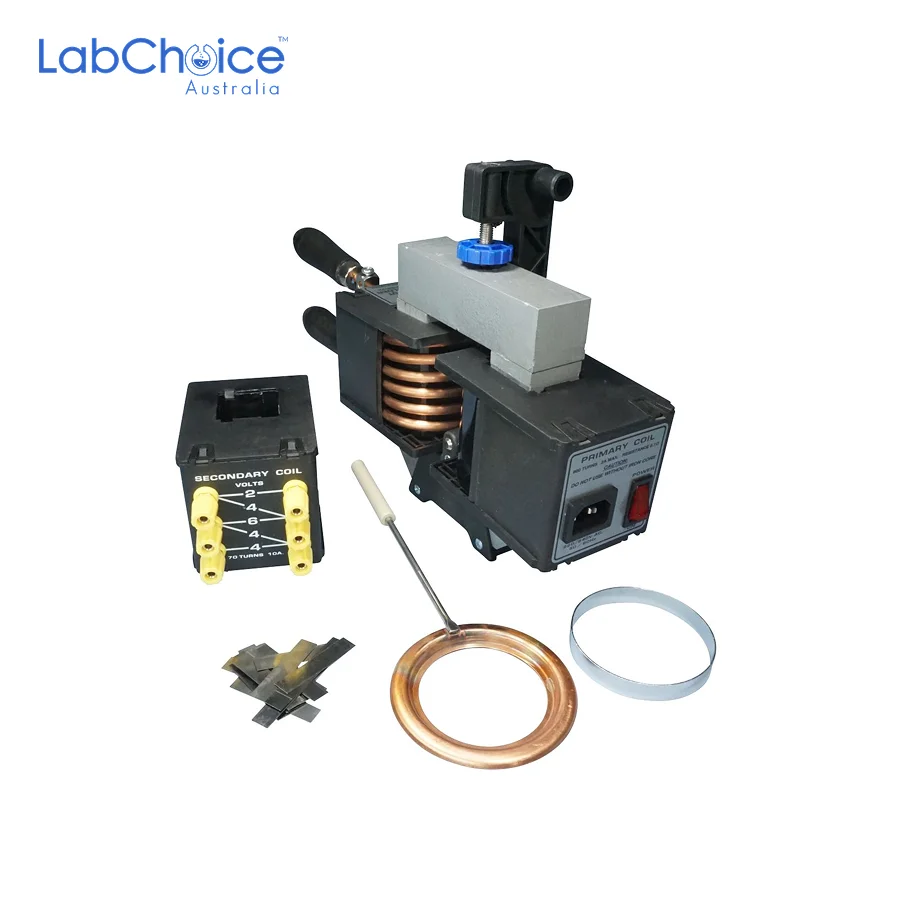
Dissectible Transformer Complete Kit with Spot Welder
AUD 1,043.50(Ex GST)

Electromagnetic Induction Apparatus with Rod Magnet
AUD 319.90(Ex GST)

Electronics and Photonics Kit, Advanced Classroom Demonstration Kit
From AUD 46.50 (Ex GST)
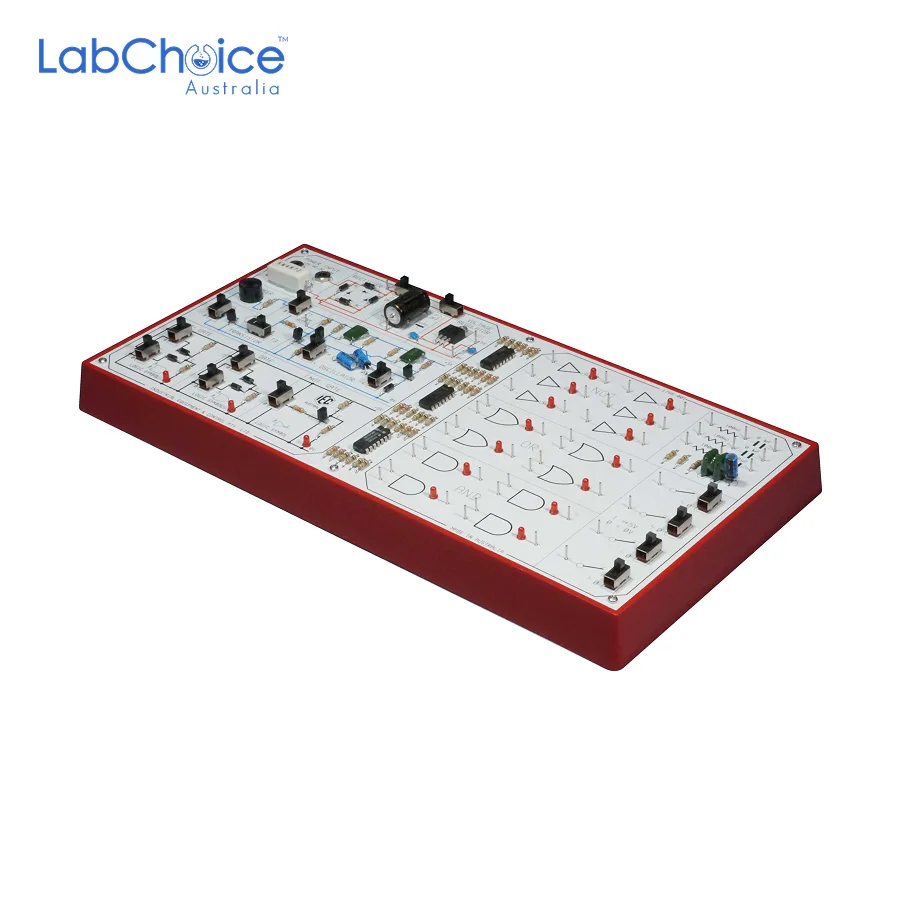
Electronics Digital Trainer with Experiment Manual
AUD 380.90(Ex GST)

Hall Effect Kit with Constant Current Supply and Probe
AUD 982.50(Ex GST)

Hand-Wound Motor and Generator Unit for U-Core Assemblies
AUD 214.50(Ex GST)

Laboratory Electroscope in Metal Housing
From AUD 85.90 (Ex GST)
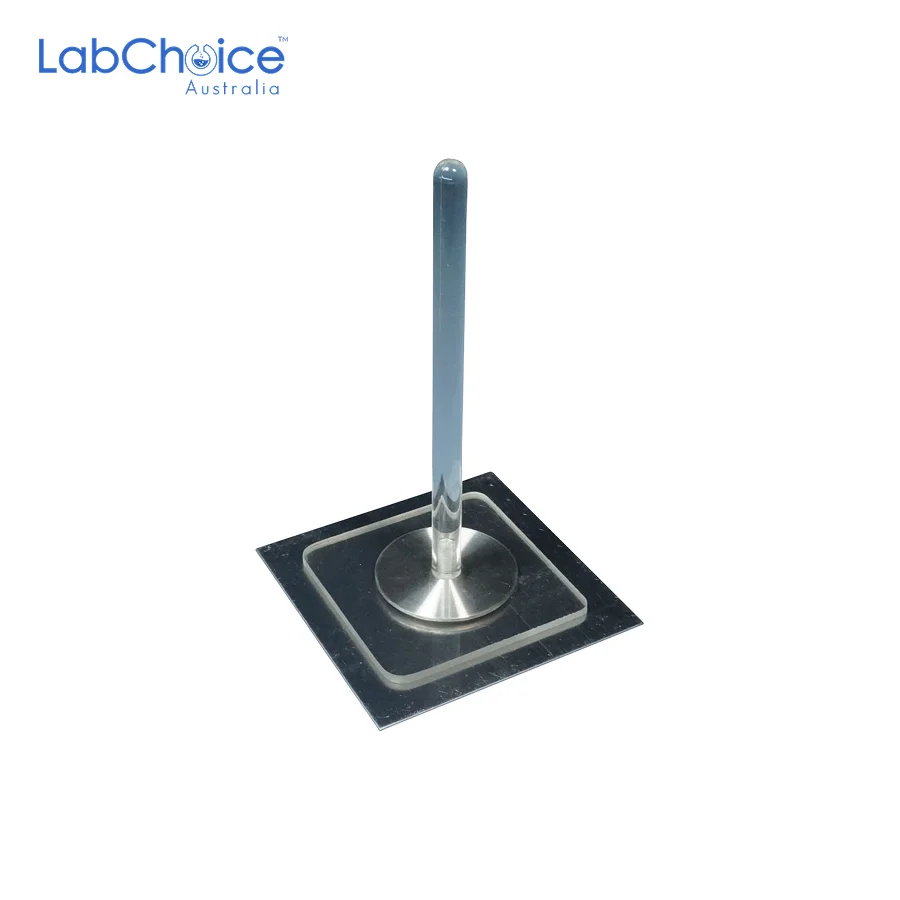
Metal Electrophorus with Insulating Handle and Plates
From AUD 52.50 (Ex GST)
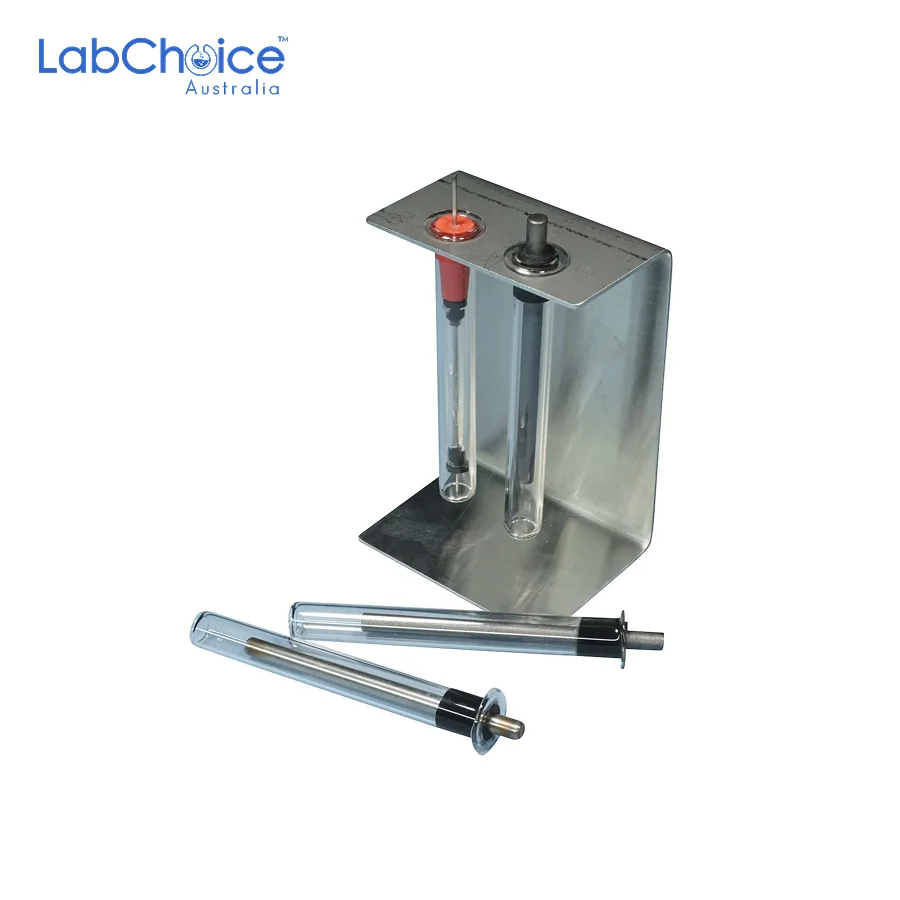
Norwood-Style Glass Electrodes, Set of 4, Kit Components
AUD 125.90(Ex GST)


Small Current Balance Kit, PSSC, Without Solenoid
AUD 83.50(Ex GST)
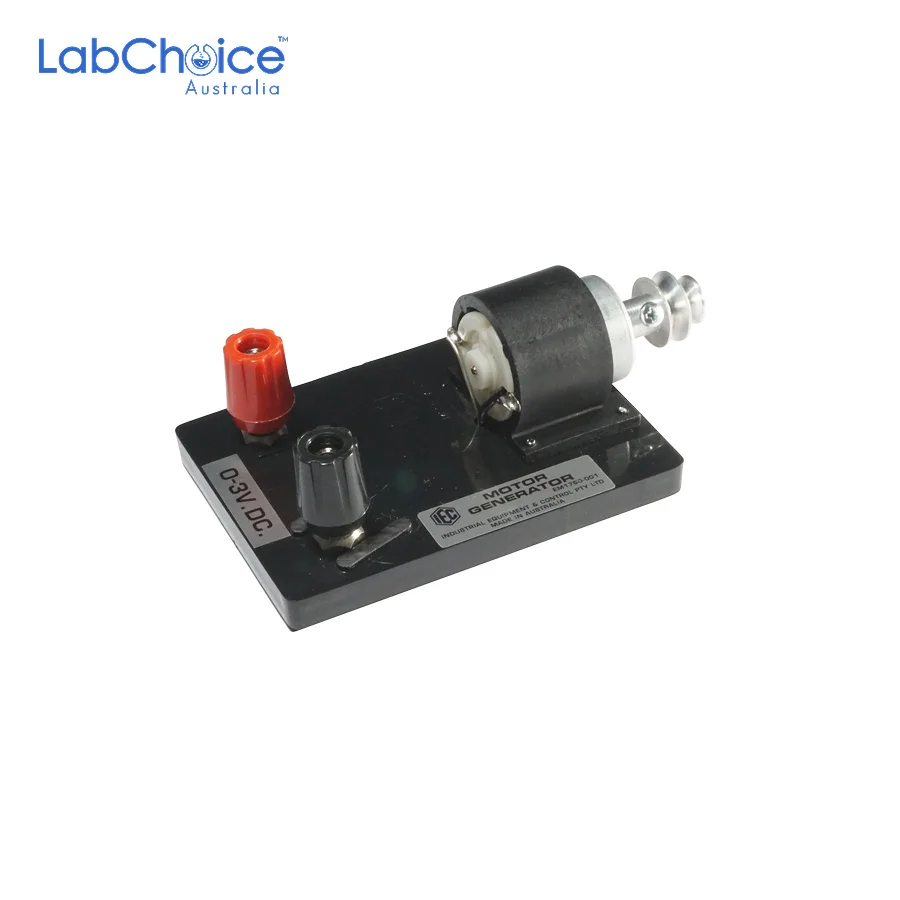
Small Motor and Generator Kit with Pulley, ASEP
AUD 72.50(Ex GST)

Spark Generator for Air Tracks and Tables Motion Experiments
AUD 911.50(Ex GST)
Recently Viewed Products
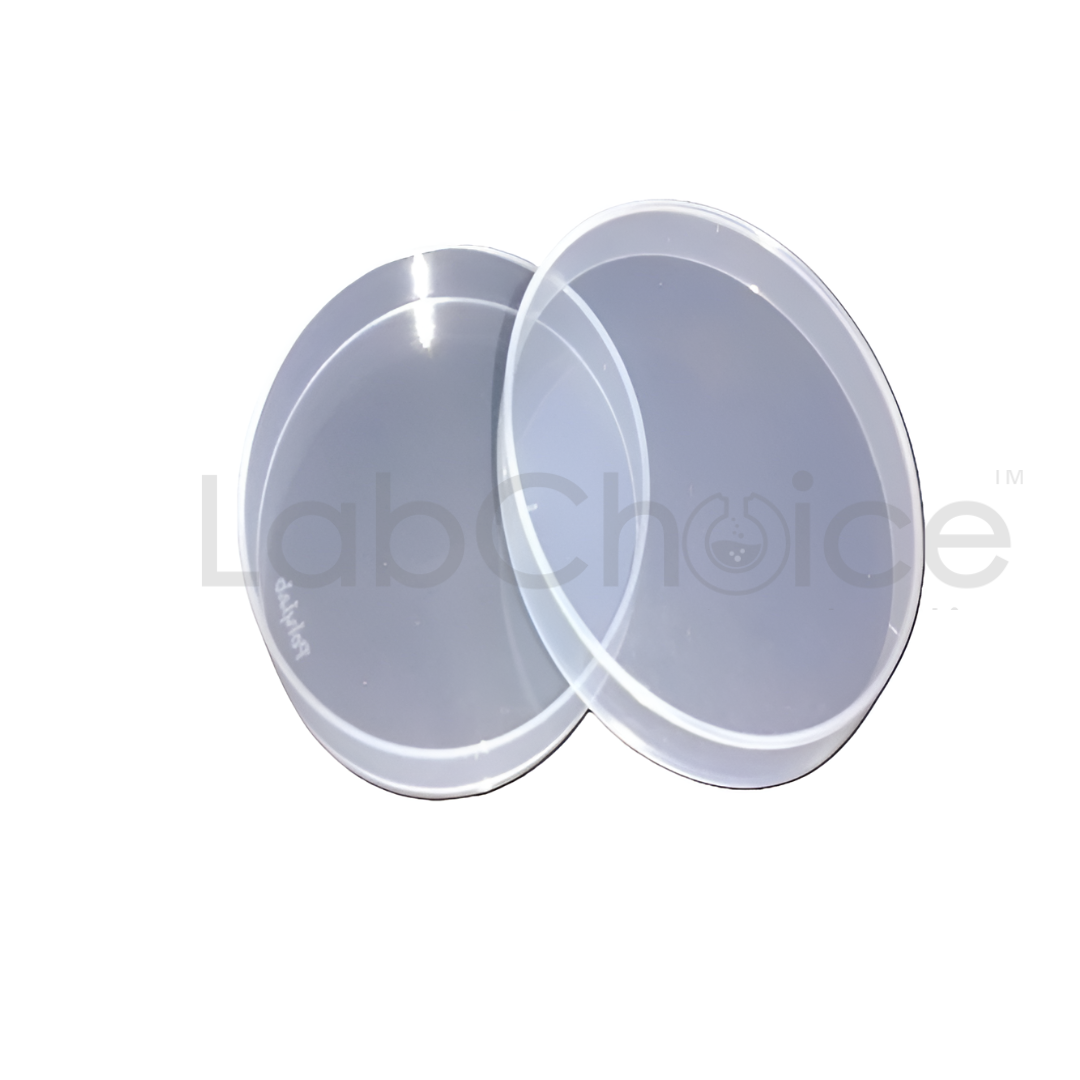
Petri Dishes, Polypropylene, Autoclavable & Reusable, High Quality
From AUD 1.20 (Ex GST)

Stirring Rods, Rounded Ends, Laboratory Grade, Borosilicate Glass (BORO 3.3)
From AUD 0.95 (Ex GST)
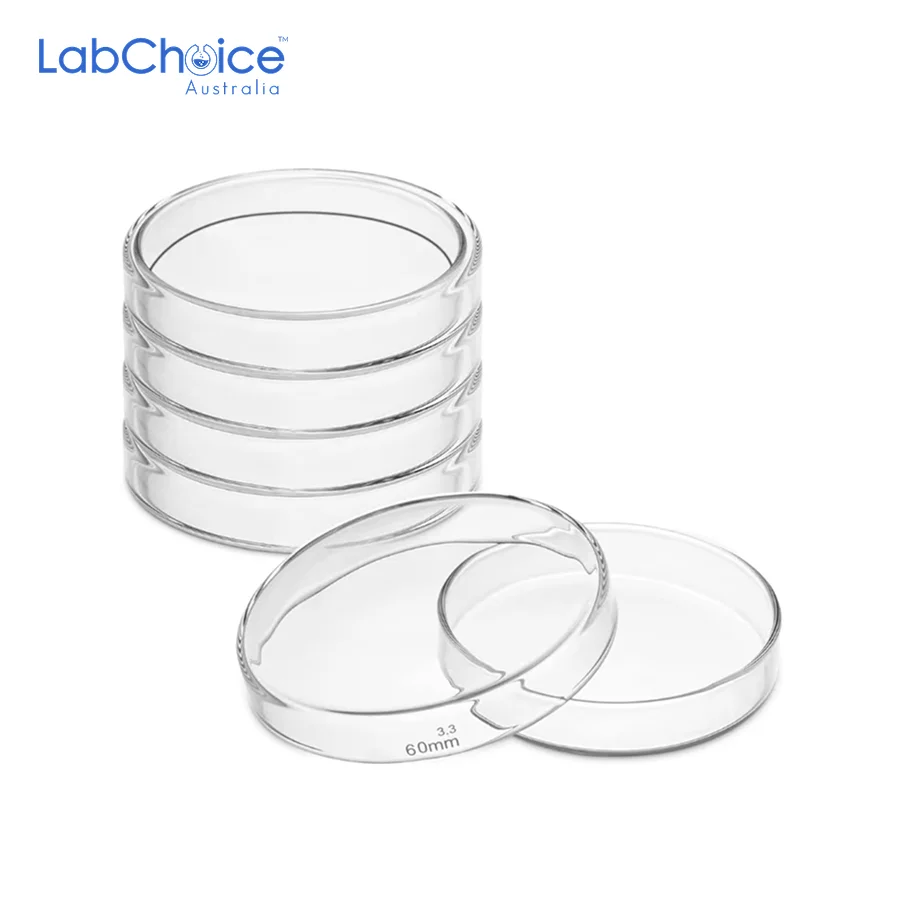

Glass Petri Dishes with Lid, Autoclavable, Borosilicate Glass (BORO 3.3)
From AUD 3.90 (Ex GST)

⭐⭐⭐⭐⭐
We ordered a set of customised BORO 3.3 borosilicate glassware for our teaching labs, and LabChoice Australia exceeded every expectation. From the first consultation to final delivery, their team listened carefully, offered expert advice, and ensured every piece matched our specifications perfectly.
The clarity and precision of the glassware are exceptional, and the quick turnaround made setup effortless. It’s refreshing to work with an Australian supplier who genuinely understands laboratory needs and takes pride in quality craftsmanship. We’ll definitely be returning to LabChoice for future glassware requirements
⭐⭐⭐⭐⭐
Our lab required high-precision BORO 3.3 glassware for analytical testing, and LabChoice Australia delivered outstanding results. The ordering process was simple, communication was clear, and every beaker and flask arrived perfectly calibrated and ready for use.
The quality of the glass is exceptional — resistant to heat, easy to clean, and consistently accurate in measurement. It’s reassuring to know there’s an Australian supplier that combines scientific precision with genuine customer care. I’d recommend LabChoice to any research team looking for dependable labware
⭐⭐⭐⭐⭐
We needed a set of customised borosilicate glassware for a specialised project, and LabChoice Australia delivered exactly what we envisioned. The team worked closely with us from design to production, ensuring every detail met our specifications. The craftsmanship is exceptional, and the turnaround time was impressive. It’s reassuring to know we can rely on them for unique, made-to-order pieces
⭐⭐⭐⭐⭐
LabChoice Australia has completely changed the way we source our lab glassware. The quality is consistently top-notch, and every piece meets the precision we need for reliable results. Their team knows their stuff, answers our questions quickly, and always goes the extra mile to help — they’re more like partners than just a supplier.
⭐⭐⭐⭐⭐
We trust LabChoice Australia because they deliver every time. Their borosilicate glassware is durable, accurate, and perfect for the high-heat work we do. Everything arrives well-packed with clear specs, so there are never surprises. It’s reassuring to deal with a supplier who understands both compliance and the demands of a busy lab