29 Aug

Wire Gauze in the Laboratory: Why Every Lab Needs It for Safe Heating

Wire gauze is a simple but vital piece of laboratory equipment used to support glassware during heating. By...
No Comments
29 Aug

Parafilm in the Laboratory: Sealing, Storage, and Best Practices

Parafilm is a flexible, stretchable sealing film used in laboratories worldwide. Known for its ability to create airtight...
No Comments
29 Aug

Mortar and Pestle in the Lab: Uses in Chemistry, Biology, and Material Science

The mortar and pestle is one of the oldest laboratory tools, yet it remains indispensable in modern science....
No Comments
29 Aug

Filter Paper in the Lab: Grades, Applications, and Selection Guide

Filter paper is one of the simplest yet most widely used consumables in laboratories. From separating solids from...
No Comments
29 Aug

Centrifuge Tubes Explained: Materials, Sizes, and Safe Autoclaving Practices

Centrifuge tubes are essential in laboratories for separating and storing samples during centrifugation. Available in various sizes and...
No Comments
29 Aug

Amber vs Clear Glass Bottles: Protecting Chemicals from Light and Degradation

Safe chemical storage is a critical aspect of laboratory management. While both amber and clear glass bottles are...
No Comments
29 Aug

Graduated vs Volumetric Glassware: Accuracy, Applications, and Choosing the Right Tool

In laboratory science, accuracy is everything. The choice of glassware can determine whether results are reliable, reproducible, and...
No Comments
29 Aug

How to Set Up a Safe Laboratory Workstation: Clamps, Stands, and Supports Explained

A safe and efficient workstation is the backbone of every laboratory. From chemistry demonstrations in schools to advanced...
No Comments
29 Aug

Bunsen Burner vs Spirit Lamp: Which Heating Tool Is Safer for Your Lab?

Heating equipment is central to laboratory work, from sterilising instruments to conducting flame tests and chemical reactions. Two...
No Comments
29 Aug

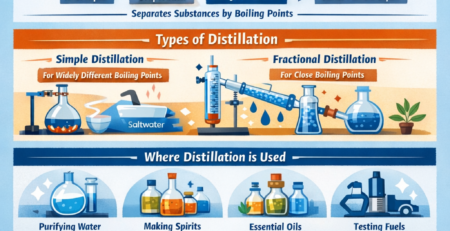
Essential Oil Extraction in the Lab: Choosing the Right Distillation Apparatus

Essential oils are valuable natural products used in pharmaceuticals, cosmetics, and food industries. Extracting them requires precision, as...
No Comments

Density Measurement Tools: Pycnometers vs Hydrometers in the Lab

Pycnometers vs Hydrometers in the Lab. Measuring liquid density is an important part of analytical chemistry, quality control, and education....

Autoclaving Glassware: Best Practices for Safety and Longevity

Autoclaving is the gold standard for sterilising laboratory equipment. Using high-pressure steam at 121โ€“134 ยฐC, it ensures glassware is...

Reagent Bottles with Screw Caps vs Glass Stoppers: What to Choose?

Reagent bottles are essential for the safe storage of chemicals in laboratories. Available with either screw caps or glass stoppers,...

Borosilicate Glass vs Polypropylene: Which is Best for Australian Labs?

Laboratories rely on durable, accurate, and safe materials for experiments, storage, and teaching. Two of the most widely used are...

Laboratory Funnels Compared: Dropping, Separatory, and Pressure Equalising

Funnels are versatile tools used across laboratories for transferring, separating, and controlling liquid flow. While simple glass funnels are common,...

Volumetric Flasks in Analytical Chemistry: Accuracy Standards Explained

In analytical chemistry, accuracy is everything. Whether preparing a standard solution or performing titrations, laboratories rely on volumetric flasks for...

Vacuum Filtration in the Lab: Choosing the Right Buchner Flask and Funnel

Vacuum filtration is one of the most common separation techniques in laboratories, allowing solids to be quickly and efficiently separated...

Glass Beakers vs Plastic Beakers: Accuracy, Safety, and Sustainability

Beakers are one of the most widely used pieces of laboratory glassware. Available in both glass and plastic, each type...

Class A vs Class B Measuring Cylinders: Which is Right for Your Lab?

Measuring cylinders are essential tools for laboratories, providing a simple and reliable way to measure liquid volumes. But not all...

Amber Glassware in the Lab: UV Protection and Chemical Stability Explained

Certain chemicals are highly sensitive to light and degrade rapidly when exposed. For laboratories in Australia, amber borosilicate glassware (BORO...

Sustainable Lab Practices with Glassware: Reducing Plastic Waste in Science

Sustainability is becoming a priority in laboratories across Australia. From universities to industry research facilities, reducing plastic waste is now...

Graduated vs Volumetric Glassware: Choosing the Right Tool for Precision

In every laboratory, accuracy in liquid measurement determines the reliability of results. Two key categories of glassware โ€” graduated and...