Build Safer, Smarter Setups for Your Winter Lab Work
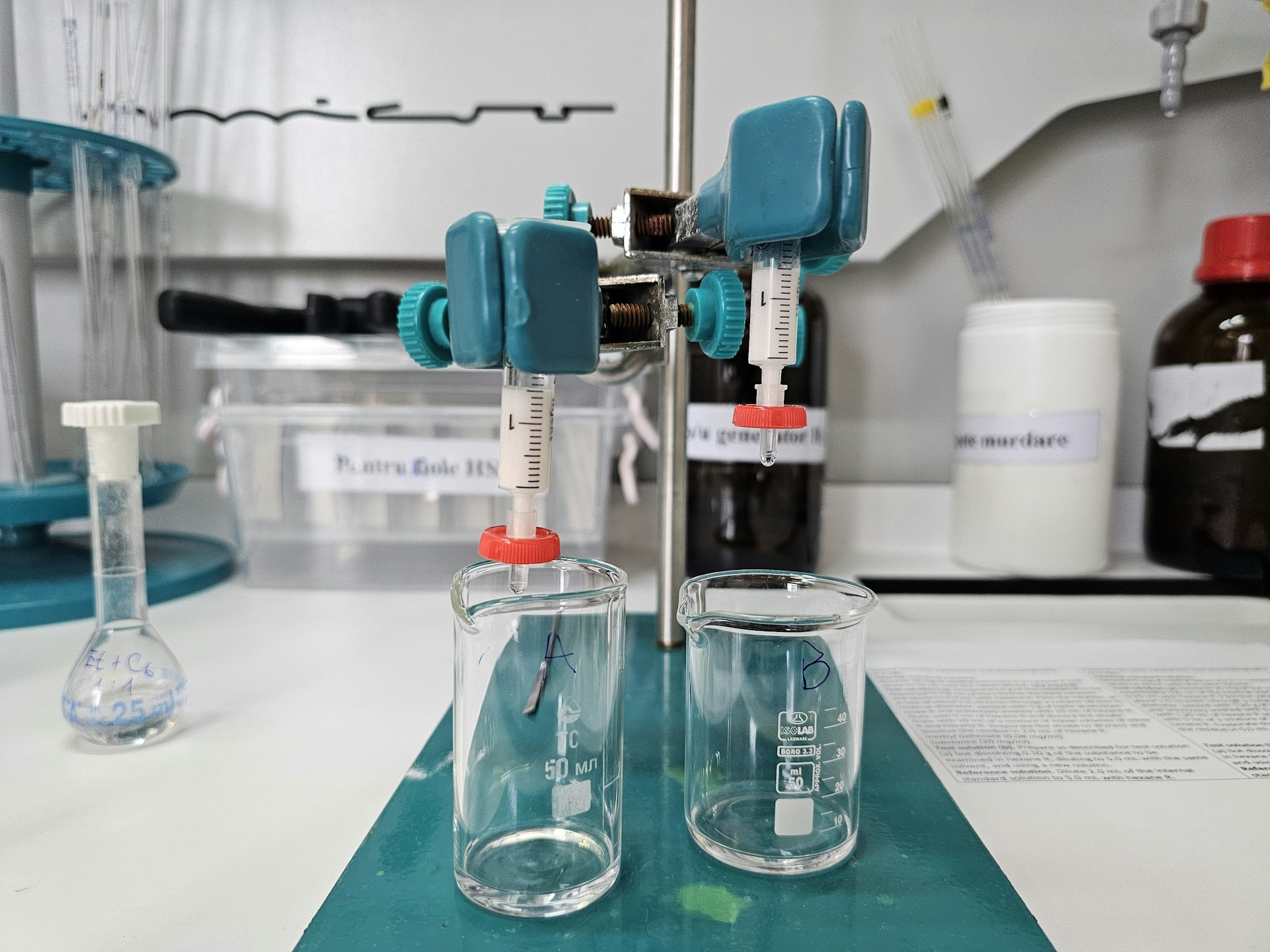
Safe glassware rigs start with the hardware that holds them up. When stands, rings, bossheads, and clamps are well chosen and set up properly, distillation and filtration runs feel calm, even on a busy winter teaching day.
Across Australia, mid-year terms and cooler weather often mean more hotplates, mantles, condensers, and vacuum lines all working at once. Benches get crowded, sleeves get bulkier, and one loose clamp can turn into broken glass. Here we walk through how to select and use laboratory stands and rings, bossheads, and clamps so your rigs stay steady, safe, and easy to teach with.
We will look at load ratings, how to match different parts, where to place supports, and simple checks that cut down on glassware stress and breakage.
Know Your Lab Stands, Rings, Bossheads, and Clamps
First, let us clear up what each piece actually does in a distillation or filtration rig.
Common hardware includes:
- Support or retort stands that hold vertical rods and bases
- Ring clamps that support flasks, funnels, or baths
- Bossheads that connect rings or clamps to stand rods
- Three-finger or two-finger clamps that grip flasks, joints, and condensers
- Keck clips that hold glass joints together
- Extension rods that add reach or height to a stand
A simple way to think about it: stands carry the weight, rings cradle the glass, bossheads join metal to metal, and clamps put gentle hands on the right spots.
These parts are usually made from:
- Stainless steel or nickel-plated steel for strength and corrosion resistance
- Aluminium for lighter stands and rods
- Cast iron for heavy bases
- Plastic-coated or cork-lined clamps to protect glass from scratches and heat
Choice of material matters. In a hot, steamy area, stainless or coated hardware can handle spills and cleaning better. Near mantles or heaters, you want clamps and rings that tolerate high temperatures and will not soften, melt, or shed coatings onto glass.
Rod diameters are another key detail. Australian labs often use standard round rods, and many brands are cross compatible, but not all. Mixing slightly different diameters or thread types can give you:
- Wobbly rings that never quite tighten
- Bossheads that slide down under load
- Stands that twist when side loads are applied
When in doubt, test-fit a bosshead on the rod before building a full rig.
Understanding Load Ratings and Stability Limits
Every ring and clamp has a limit to how much weight it can safely carry. Makers usually rate them for:
- Static loads, like a flask sitting still
- Dynamic loads, such as stirring, bumping, or vacuum pulsing
To get a rough idea of load on each support, think through the full setup. For a distillation rig, that might include:
- A round-bottom flask with liquid inside
- A condenser filled with water
- Adapters, joints, and receiver flasks
- Hoses full of cooling water
- Any attached cables or thermometers
All that weight ends up shared between your laboratory stands and rings, clamps, and bossheads. Vacuum or stirring adds extra stress, especially at joints.
Good practice is to stay well below the maximum load printed or stated for each part. If a ring is rated for a certain mass, treat that as the ceiling, not the target. Add extra supports for:
- Long or heavy condensers
- Large Büchner funnels or filter flasks
- Tall columns that act like levers
Avoid big cantilevered setups off a single stand, where everything sticks out from one side. That twist can slowly tilt the base, especially on smooth bench tops.
Matching Components for Distillation Rigs
For a classic distillation, a stable build might include:
- A heavy base and vertical stand
- A main support ring under the boiling flask or mantle
- Three-finger clamps on key joints and condenser sections
- A ring or clamp for the receiving flask
Place rings so they support the round-bottom flask or heating mantle from below, not the neck. Use three-finger clamps to hold:
- Condensers near each end
- Still heads and key joints, gripping on the thickest glass sections
- Thermometer adapters or side arms where needed
Match each part carefully:
- Ring size to flask size: a too-large ring lets the flask rock, too small pinches or overheats one spot
- Clamp jaw shape to the glass: curved, padded jaws for flasks, flat or V-shaped for straight tubes
- Bosshead bore to rod diameter: it should slide on easily, then lock without slipping
When assembling:
1. Set the stand base well back from the bench edge on a level surface.
2. Fit bossheads and rings loosely, then position them at working height.
3. Add glassware piece by piece, tightening clamps gently on the thicker glass, never on the ground joint faces.
4. Leave a little space for thermal expansion so hot glass is not locked in by rigid clamps.
Check that weights line up roughly over the centre of the base, not far off to one side.
Setting up Secure Filtration and Vacuum Assemblies
Filtration rigs often put more stress on one point, especially under vacuum. Heavy funnels, columns, and sidearms can pull hard on stands and clamps.
Key support ideas here:
- Use a main support ring under large Büchner funnels or filter flasks
- Clamp tall columns at more than one point to stop them swaying
- Support vacuum flasks so the sidearm is not taking the weight
Place clamps and rings so that:
- The main body of the flask or funnel is supported from below
- Sidearms and hose barbs are free and not bearing load
- Vacuum tubing runs in smooth curves, not tight bends that pull laterally
In winter, things shift a bit. Cooling lines may hold more condensate, drain slower, or stiffen. Students and staff wear jumpers and lab coats that stick out more. That means:
- Keep rigs as compact as the experiment allows
- Avoid long hoses snaking across busy areas
- Give extra clearance around stands so sleeves and bags do not catch clamps
Double-check that vacuum hoses have enough slack so they do not yank on glassware if bumped.
Practical Safety Checks and Common Mistakes to Avoid
Before each run, a quick hardware check only takes a minute and can save a lot of glass.
- Bosshead screws tight, but not stripped
- Clamp pads intact, not cracked, glazed, or missing
- Threads free of rust and grit so they turn smoothly
- Rings sized correctly for the flask or funnel
- Stands clear of edges, sinks, and main walkways
Common mistakes we see often include:
- Over-tightening clamps on joints, which can bruise or crack the glass
- Using one clamp to hold several pieces of glass at once
- Mixing rod and bosshead sizes so things slip over time
- Hanging heavy glassware with no backup support ring underneath
Ongoing care helps your gear last longer:
- Wipe down stands and rings after spills, especially acids and bases
- Dry hardware fully before storage
- Tighten or replace loose handles and knobs
- Retire clamps that no longer grip evenly or have damaged padding
Keeping hardware sized and sorted also helps students pick the right part the first time, instead of forcing a poor fit.
Upgrade Your Rigs Before the Next Teaching Block
Before the next intake, it can be worth laying out all your laboratory stands and rings, bossheads, and clamps and giving them an honest review. Bent rods, wobbly bases, slips in bossheads, and mismatched clamps are all signs that it might be time to refresh or standardise your sets.
Many labs create a few standard rig layouts for common distillation and filtration tasks. Clear templates help new staff and students build safer rigs, cut down on glassware breakage, and speed up set-up between classes. In our work at LabChoice Australia, we see how much calmer winter lab sessions feel when hardware is well matched, labelled, and chosen with load ratings and compatibility in mind.
Get Reliable Support For Your Lab Setup Today
Choosing the right equipment is critical for safe and accurate experiments, and our team at LabChoice Australia is here to help you select the ideal laboratory stands and rings for your work. Explore our range to match stands, rings and clamps to your specific apparatus and lab environment. If you need tailored advice or a bulk quote, simply contact us and we will work with you to find a practical solution.