Stopping Sample Loss Before It Starts
Sample loss is not just annoying, it slows your work, hits your budget, and can throw off your data. When the lab is flat out, small mistakes with tubes and racks can quietly snowball into big problems.
Mid-year in Australian labs is usually hectic. Research projects are ramping up, semester teaching blocks are in full swing, and QA work is stacked. Winter also means big temperature shifts from room to cold storage, plus more sick days. All of that puts extra pressure on simple tasks like filling, capping, labelling and carrying centrifuge tubes. A well-planned centrifuge tube rack system is a small upgrade that can help stop samples going missing before they even reach the bench.
How Everyday Sample Loss Really Happens
Most sample loss is not dramatic. It is the slow drip of tiny errors across the day. A tube cap is not tight enough. A rack wobbles. Condensation wipes out a label. By the time you notice, the only fix is to start again.
Common failure points include:
- Loose or poorly matched caps that leak during spin
- Plastics that turn brittle at low temperatures and crack in the cold room or freezer
- Tubes tipping over in water or ice baths and pulling in bath water
- Racks that are too light or unstable, so a small bump sends tubes flying
Then there are the paperwork issues. When things get busy, labels are rushed. Handwritten text can smear as condensation forms on cold tubes. Tubes move out of their original rack order, or a colleague grabs a tube from the wrong row in a shared centrifuge bucket. In teaching labs, students may swap tubes between racks without meaning to. In QA labs, even a small mix-up can mean the whole batch is questioned.
The hidden cost is time and trust:
- Education labs lose teaching time when practicals have to be reset
- Research labs repeat runs and push back milestones
- Food and pharmaceutical labs risk batch delays when QC samples are uncertain
All from issues that often begin with basic tubes, racks, and how they are used.
Choosing Smarter Centrifuge Tubes
A good centrifuge tube is quiet insurance. You fill it, cap it, rack it, and forget about it, because you know it will do its job. That starts with material and design.
Helpful tube features include:
- Quality polypropylene or borosilicate glass options for strength and clarity
- Leak-resistant caps with reliable threads or seals
- Clear, easy-to-read graduations that stay visible after spinning or cooling
- Label areas that work even when tubes are frosty or wet in winter handling
It is also worth matching the tube to the actual job. Think about:
- Volume range, so you are not spinning tiny volumes in oversized tubes
- RCF and temperature ratings for your centrifuges and cold storage
- Compatibility with common solvents, buffers, or food matrices in your lab
- Sterile versus non-sterile, to reduce contamination related repeats
When tubes are consistent and from one trusted supplier, it is much easier to standardise:
- Ordering and stock control
- SOPs that cover tube use, labelling, and disposal
- Training for students, new staff, and casual team members
That consistency alone can protect a lot of samples, simply because everyone is working with the same, predictable gear.
Why an Integrated Rack System Matters
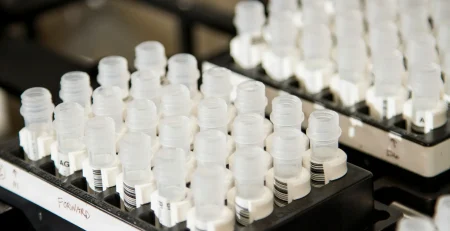
A centrifuge tube rack system is more than something that keeps tubes upright. When it is designed well, it becomes the backbone of your sample handling workflow from bench to centrifuge to cold storage.
A good system helps by:
- Holding tubes firmly so they do not tip, even when half-full
- Moving as a unit from bench to centrifuge, so tube order is preserved
- Fitting neatly into fridges, freezers, and cold rooms, so tubes are easy to spot and grab
Smart design choices make daily work smoother:
- Colour-coded racks for different projects, classes, or sample types
- Numbered or lettered positions that match worksheets or LIMS entries
- Stackable or interlocking racks that suit tight Australian lab spaces, where bench and fridge space are always at a premium
Across different lab settings, this can make a big difference:
- In teaching labs, preloaded racks speed up set-up and clean-up
- In research groups, clear rack layouts cut down on mix ups between users
- In food and pharmaceutical QC, separated racks help keep batches and controls clearly apart
Everything feels calmer when you can see at a glance which tube is which and where it should be.
Staying Organised Through Winter Workloads
Winter can be a messy season for labs. People spend more time indoors, colds and flu pass through the team, and rosters change more often. At the same time, sample loads often grow. That is when simple, clear systems show their worth.
A centrifuge tube rack system supports winter-heavy workflows when you:
- Pre-allocate racks to specific projects, users, or classes
- Keep dedicated racks for cold room or ice bath work, so wet racks do not wander into clean areas
- Standardise defrost and clean-down routines, so labels last and racks do not crack or warp
Risk control is easier when rack positions are consistent. Two people can quickly double-check each other by position and colour. Secondary containment, like trays under racks in centrifuges and fridges, cuts the impact of any leaks or broken tubes. Clear, documented rack layouts help new staff and students come up to speed quickly, even if they start mid-year when everything is already in full swing.
The aim is not to make things fancy, it is to make them so simple that they still work on the busiest and coldest days.
Selecting Tubes and Racks That Fit Your Lab
Every lab is different, but a few questions make choosing easier. Before changing or upgrading your system, it can help to look at:
- Which tube volumes and formats you use most often
- The rotor types and adaptors in your current centrifuges
- The temperatures your tubes and racks must handle, from hot water baths to freezer storage
- How much space you truly have on benches, in fridges, and in cold rooms
From there, you can build a modular setup. Many labs like a mix of:
- Fixed hole racks for common tube sizes and routine workflows
- Adjustable or universal racks for odd sizes or mixed runs
- Vertical storage racks for fridges and freezers, and flat or horizontal options for bench work
As an online laboratory supplier here in Australia, we see how much smoother things run when centrifuge tubes, racks, and related labware come from a single, reliable source. Quality is more consistent, reordering is simpler, and it is easier to line up your gear with your SOPs.
Steady, well-chosen tubes and a matching centrifuge tube rack system will not remove every problem in the lab, but they can quietly protect your samples from collection right through to results, day after day.
Streamline Your Lab Workflow With Reliable Tube Storage
Choosing the right centrifuge tube rack system helps keep your samples organised, protected and easy to access during critical workflows. At LabChoice Australia, we can help you match rack options to your existing tubes, storage space and handling requirements. If you would like tailored advice for your lab, get in touch via our contact page so we can recommend a practical solution for your team.