29 Aug

The Essential Guide to Graduated Beakers โ€“ Accuracy, Uses, and Limitations

Graduated beakers are among the most common pieces of laboratory glassware, found in schools, universities, and...
No Comments
29 Aug

Beakers vs Flasks: Which Should You Use for Mixing and Heating?

Beakers and flasks are the backbone of laboratory glassware, yet many labs misuse them interchangeably....
No Comments
29 Aug

The Top 5 Beaker Sets Every Australian School Lab Should Have

Science classrooms across Australia rely on beakers for everything from simple solution mixing to heating experiments. Choosing the...
No Comments
29 Aug

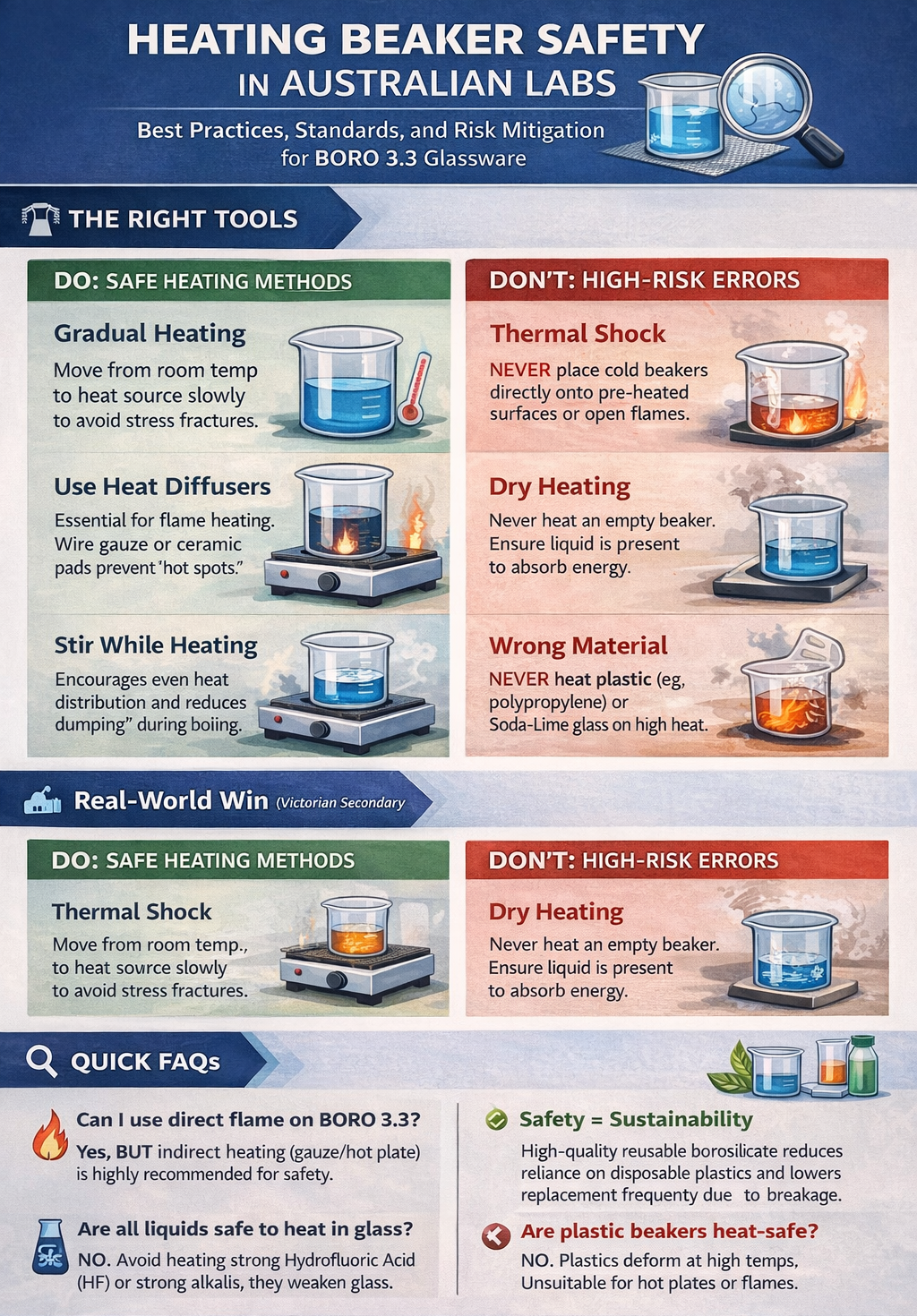
Beaker Safety in Heating Applications โ€“ Best Practices for Australian Labs

Heating is one of the most common laboratory procedures, but itโ€™s also one of the most likely to...
No Comments
29 Aug

The Sustainability Benefits of Choosing Borosilicate Beakers in Australian Labs

Laboratories are under growing pressure to reduce waste and operate more sustainably. One simple yet effective switch is...
No Comments
29 Aug

Top 5 Mistakes When Using Laboratory Beakers (and How to Avoid Them)

Beakers are one of the most widely used pieces of lab glassware, but small mistakes in their handling...
No Comments
29 Aug

Borosilicate vs Polypropylene Beakers โ€“ Which is Right for Your Lab?

Choosing between glass and plastic beakers depends on your labโ€™s prioritiesโ€”accuracy, durability, or cost-effectiveness. Both borosilicate (BORO 3.3)...
No Comments
29 Aug

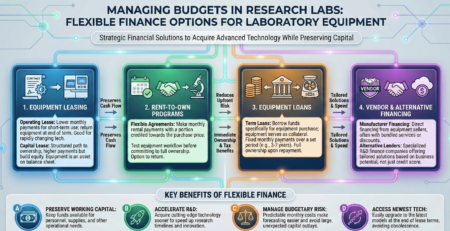
How to Choose the Best Borosilicate Beaker Set for High-Heat Lab Use

When working with heating applications, selecting the right beaker set can directly affect accuracy, safety, and longevity of...
No Comments

Bunsen Burner vs Spirit Lamp: Which Heating Tool Is Safer for Your Lab?

Heating equipment is central to laboratory work, from sterilising instruments to conducting flame tests and chemical reactions. Two of the...

Essential Oil Extraction in the Lab: Choosing the Right Distillation Apparatus

Essential oils are valuable natural products used in pharmaceuticals, cosmetics, and food industries. Extracting them requires precision, as factors such...

Pipette vs Burette vs Volumetric Flask: Which Is Most Accurate for the Lab?

Accurate measurement is at the heart of every experiment. Whether preparing standard solutions, performing titrations, or running quality control assays,...

Autoclaving Laboratory Glassware and Plasticware: Best Practices for Sterility and Safety

Sterilisation is one of the most critical processes in laboratories, ensuring that equipment and consumables are free from microorganisms before...

Distillation Glassware: Essential Setups for Education, Research, and Industry

Distillation is one of the oldest and most widely used laboratory techniques, applied in chemistry, pharmaceuticals, food science, and teaching....

Erlenmeyer Flasks in Education and Research: The Most Versatile Lab Tool

The Erlenmeyer flask, also known as the conical flask, is one of the most widely used pieces of laboratory glassware....

Round Bottom vs Flat Bottom Flasks: Which to Choose for Heating and Distillation

Boiling flasks are essential in laboratories for heating, mixing, and distillation. Available in both round bottom and flat bottom designs,...

Vacuum Filtration in the Lab: How Bรผchner Flasks Improve Efficiency

Filtration is one of the most common techniques in laboratories, used for separating solids from liquids, purifying compounds, and preparing...

Separatory Funnels Explained: Applications, Safety, and Choosing the Right Design

Separatory funnels are indispensable in chemistry and biology labs, used for separating immiscible liquids, solvent extractions, and purification processes. Their...

Sustainable Labware: How Reusable Glassware Cuts Costs and Waste

Sustainability has become a major focus for laboratories across Australia, as schools, universities, and industry work to reduce waste and...

Bunsen Burners in the Lab: Types, Safety, and Best Practices

The Bunsen burner is one of the most iconic pieces of laboratory equipment, still widely used in schools, universities, and...

Glassware vs Plasticware: Which is Better for Modern Australian Labs?

Laboratories today have more choice than ever when it comes to consumables. Glassware has long been the standard for durability...