




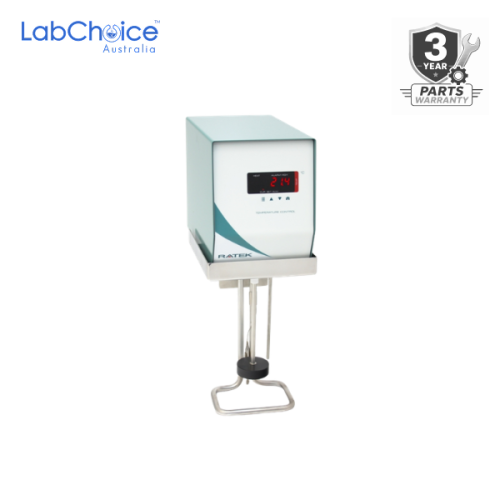
Immersion Heater Circulator
From AUD 1,612.00 (Ex GST)
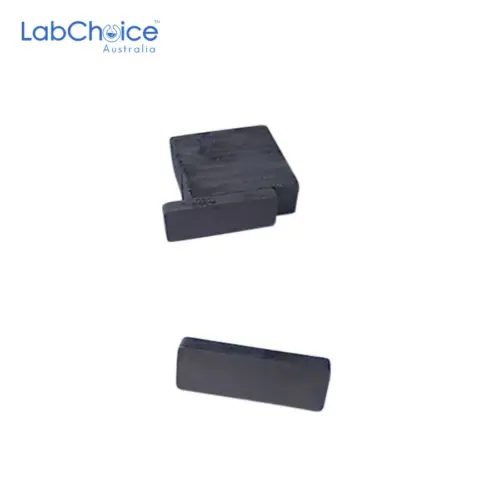
Rectangular Ferrite Ceramic Magnets, Pack of 10
AUD 24.90(Ex GST)
Save 15%
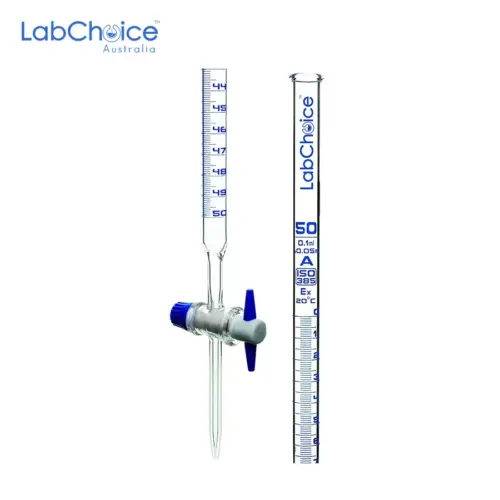
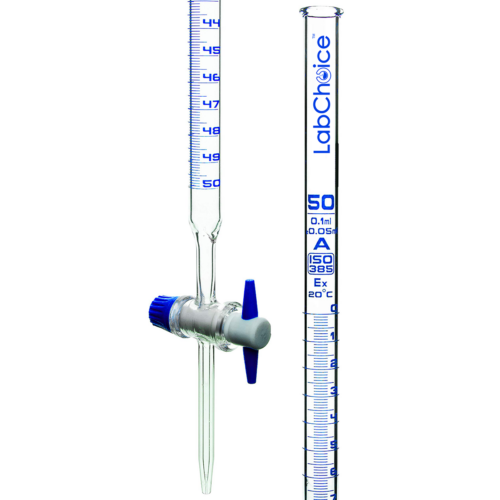

Calcium Ion Sensor, Replacement Sensor with 0.1 to 5.0 mmol/L Range
AUD 528.00(Ex GST)
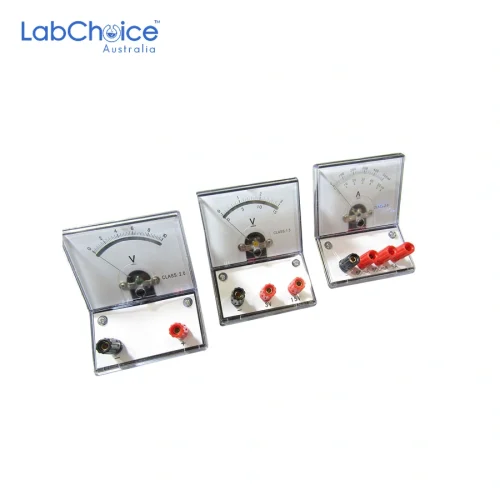
Student Triple Range DC Ammeter, Classroom Current Meter
From AUD 43.90 (Ex GST)

Vacuum Pump Moisture Trap and Regulator for Rocker Pump Protection
From AUD 212.50 (Ex GST)
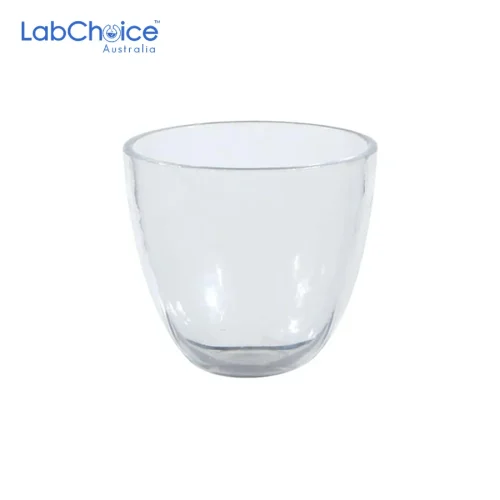
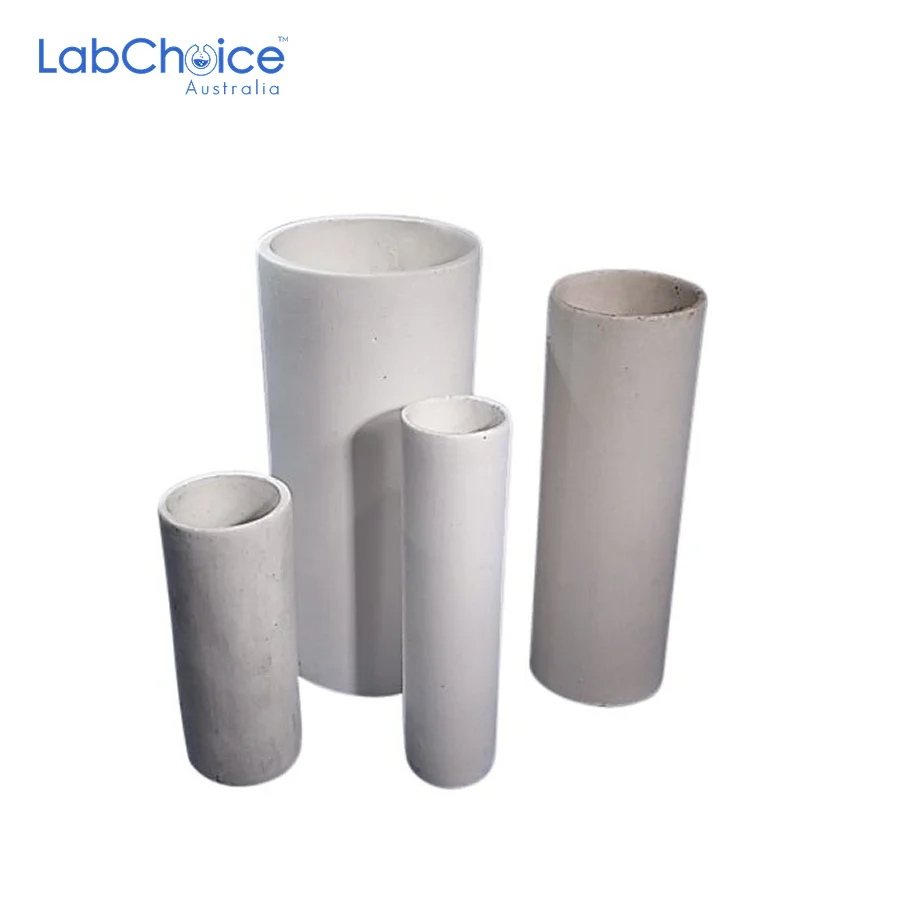
Low Form Quartz Crucibles for Laboratory Heating
AUD 54.50(Ex GST)
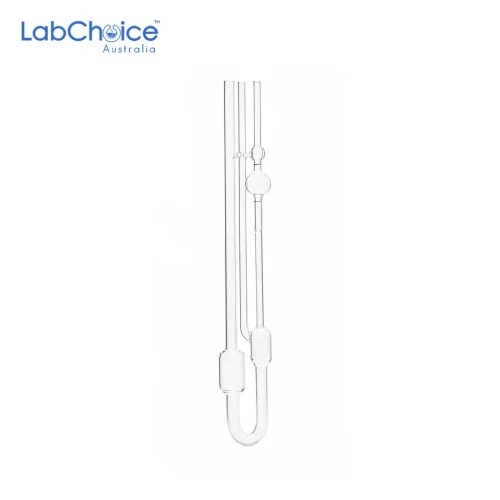
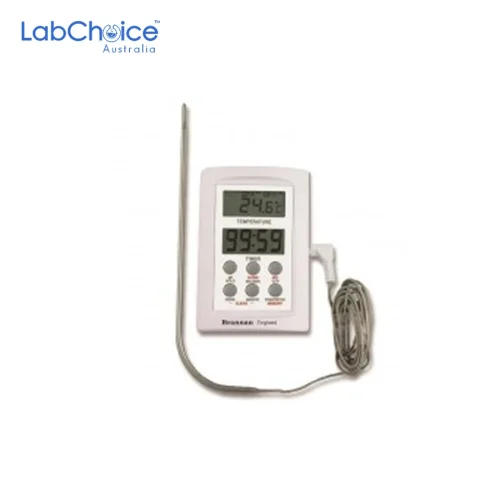
Digital Probe Thermometer with Timer
AUD 119.90(Ex GST)

Head Space Crimp Neck Chromotography Vials, BORO 3.3
From AUD 36.50 (Ex GST)
You May Also Need
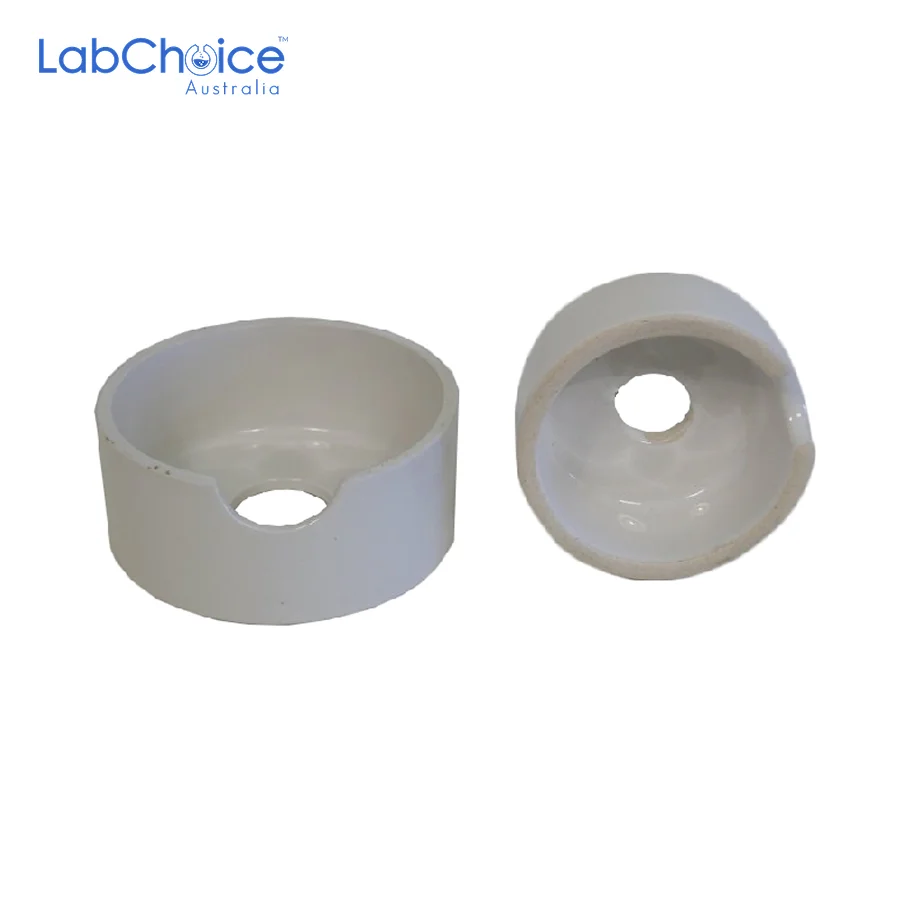
Beehive Shelf Porcelain, for Gas Collection
From AUD 5.90 (Ex GST)
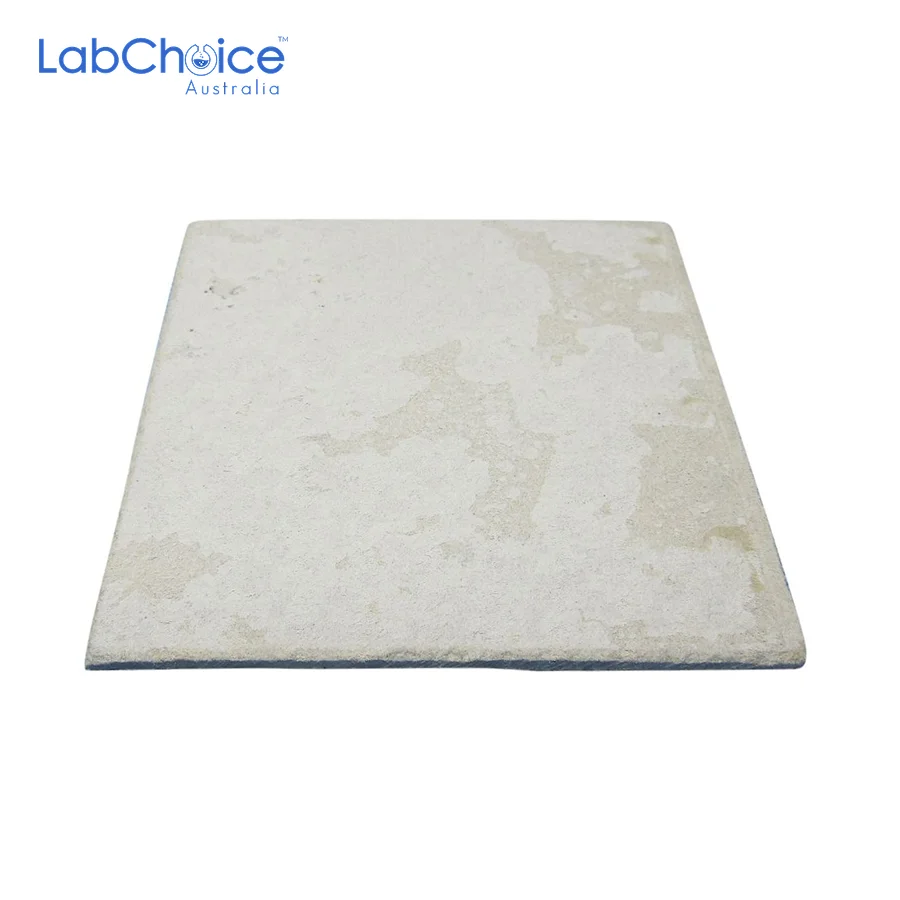
Cement Sheet Laboratory Bench Mats, Asbestos-Free, Heat Resistant
From AUD 6.50 (Ex GST)

Glazed Porcelain Laboratory Spatula with Spoon End, 120 mm
AUD 3.90(Ex GST)

Laboratory Safety Glasses for Eye Protection in Science, Medical and Research Labs
From AUD 5.90 (Ex GST)
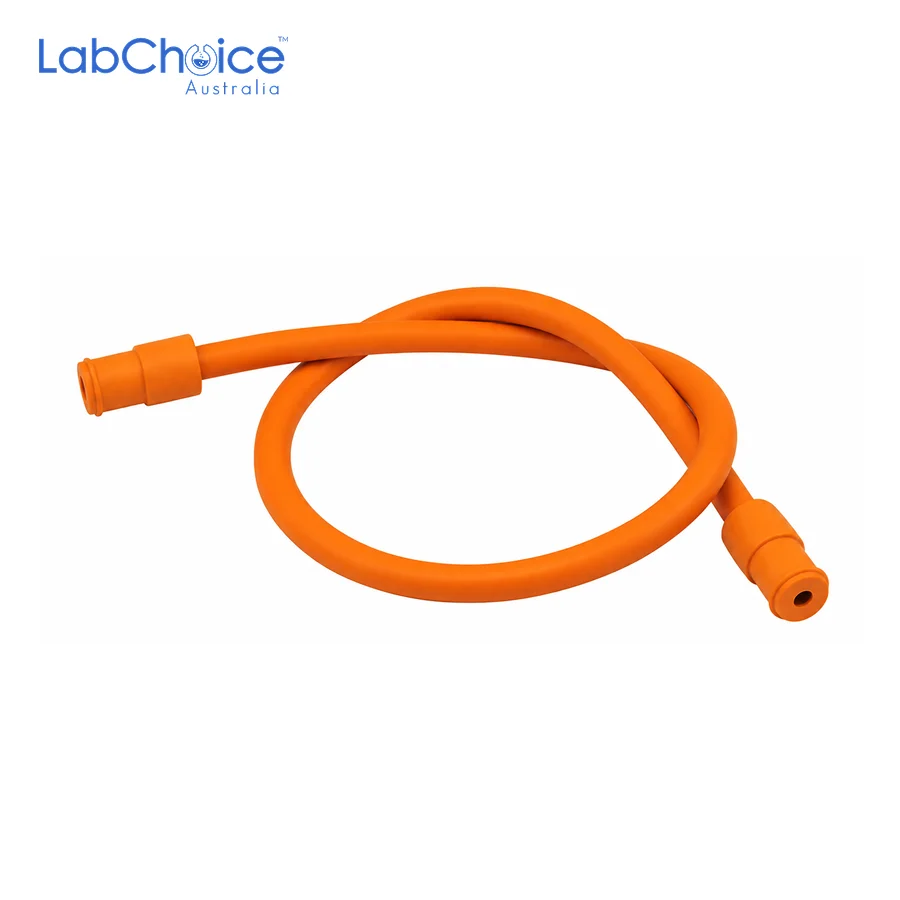

Natural Rubber Bunsen Burner Tube, High Quality
AUD 19.90(Ex GST)
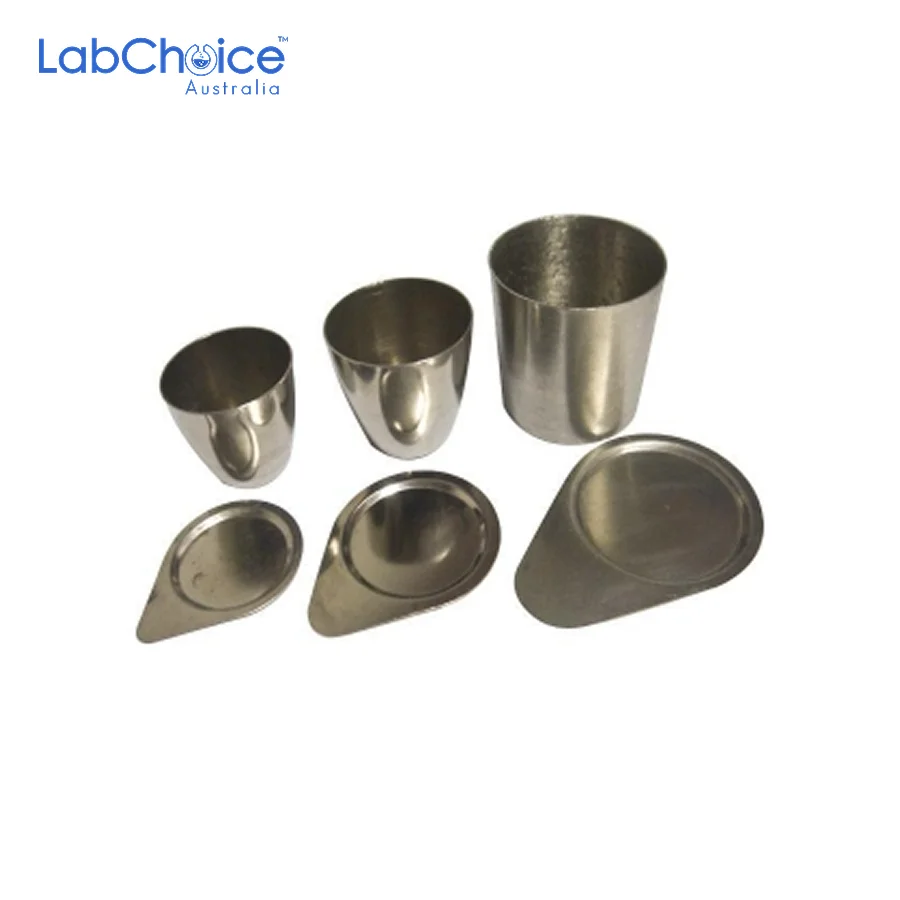
Nickel Crucibles with Lids, 99% Pure, 15 mL to 70 mL
From AUD 27.50 (Ex GST)

Polypropylene Laboratory Spatula with Spoon and Shovel Ends
From AUD 1.20 (Ex GST)
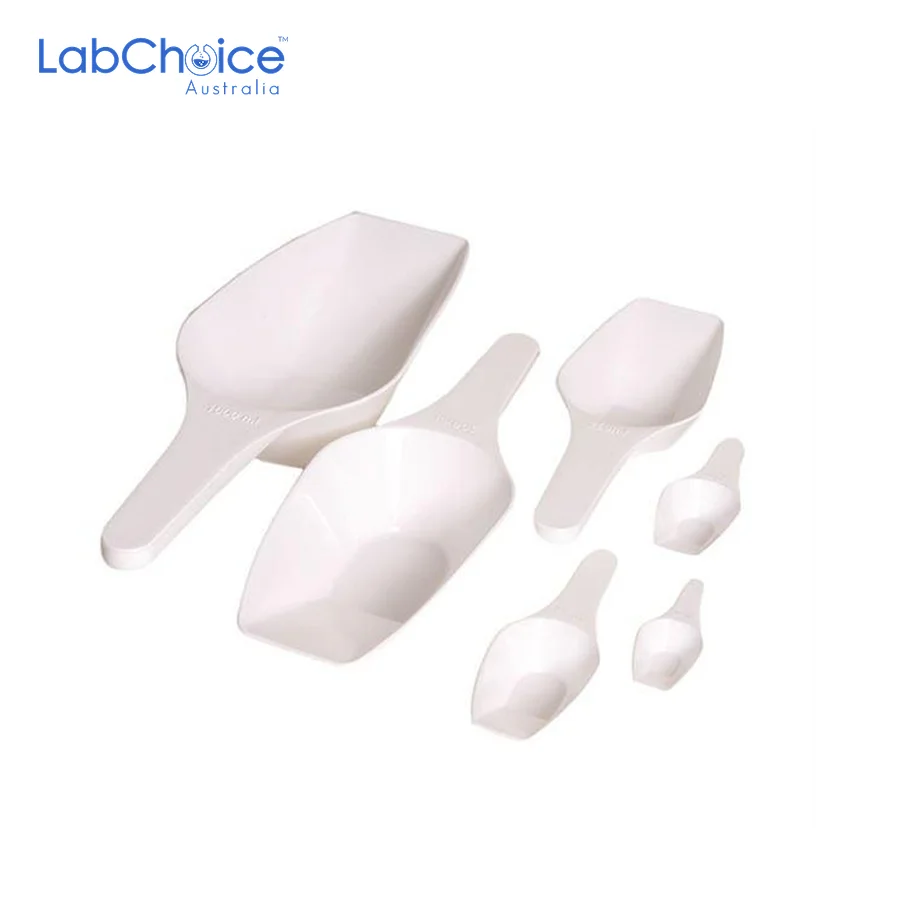
Polypropylene Plastic Sampling Scoops, Pack of 12
From AUD 11.50 (Ex GST)
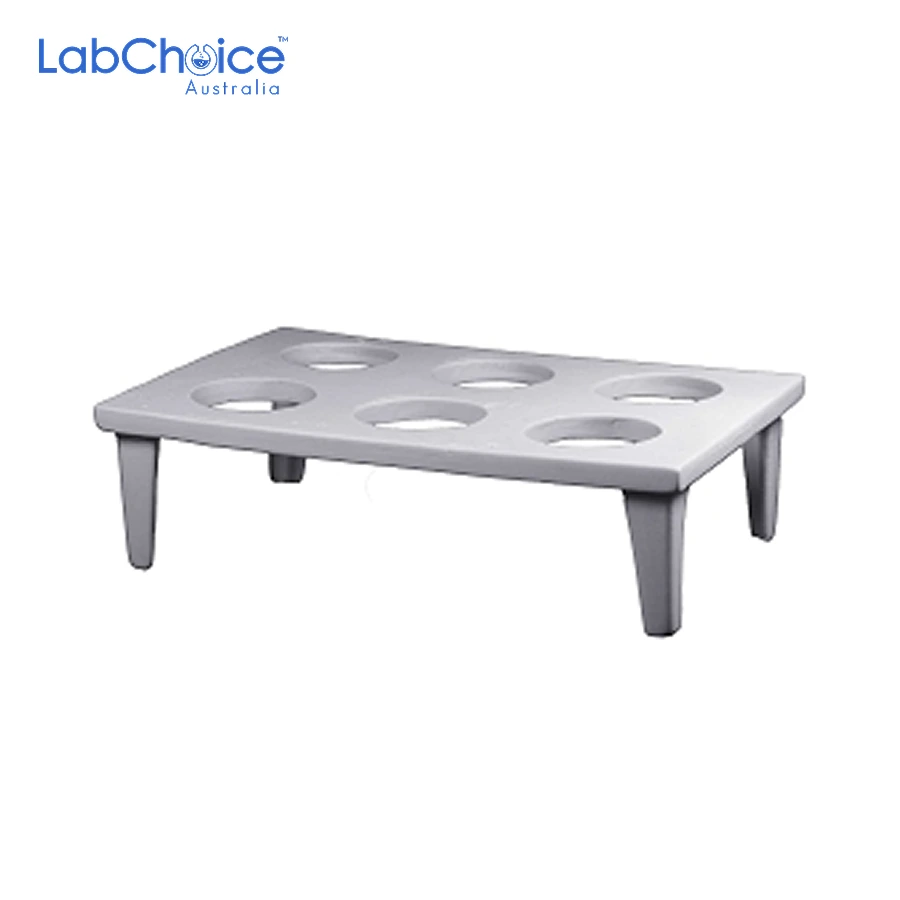
Porcelain Crucible Shelf Rack 160 × 100 mm
AUD 18.90(Ex GST)

Porcelain Evaporating Basins, Round Bottom with Spout, 15 mL to 1000 mL
From AUD 2.50 (Ex GST)

Porcelain Streak Plates, Unglazed Mineral Testing Tile Range, White & Black
From AUD 17.50 (Ex GST)

Rubberised Laboratory Apron, Latex Warning, Acid Resistant, Multiple Sizes
From AUD 22.50 (Ex GST)
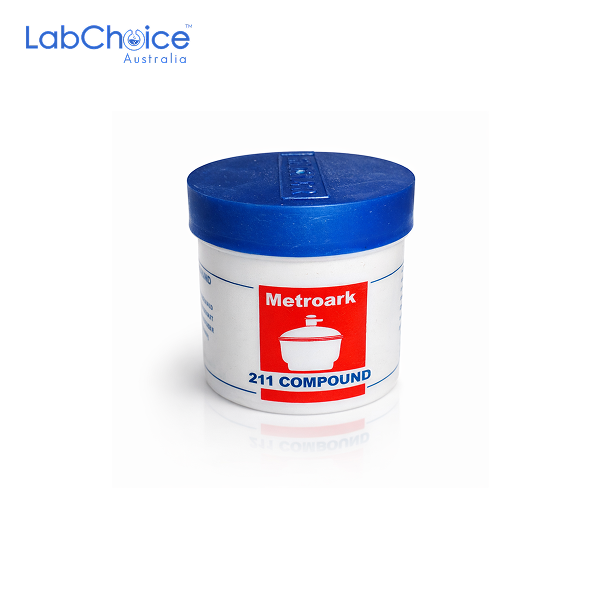
Silicone High Vacuum Grease, 211 Compound, 50 g Pack
AUD 22.90(Ex GST)

Stainless Steel Nuffield Laboratory Spatula, 140 mm, Each
AUD 4.90(Ex GST)
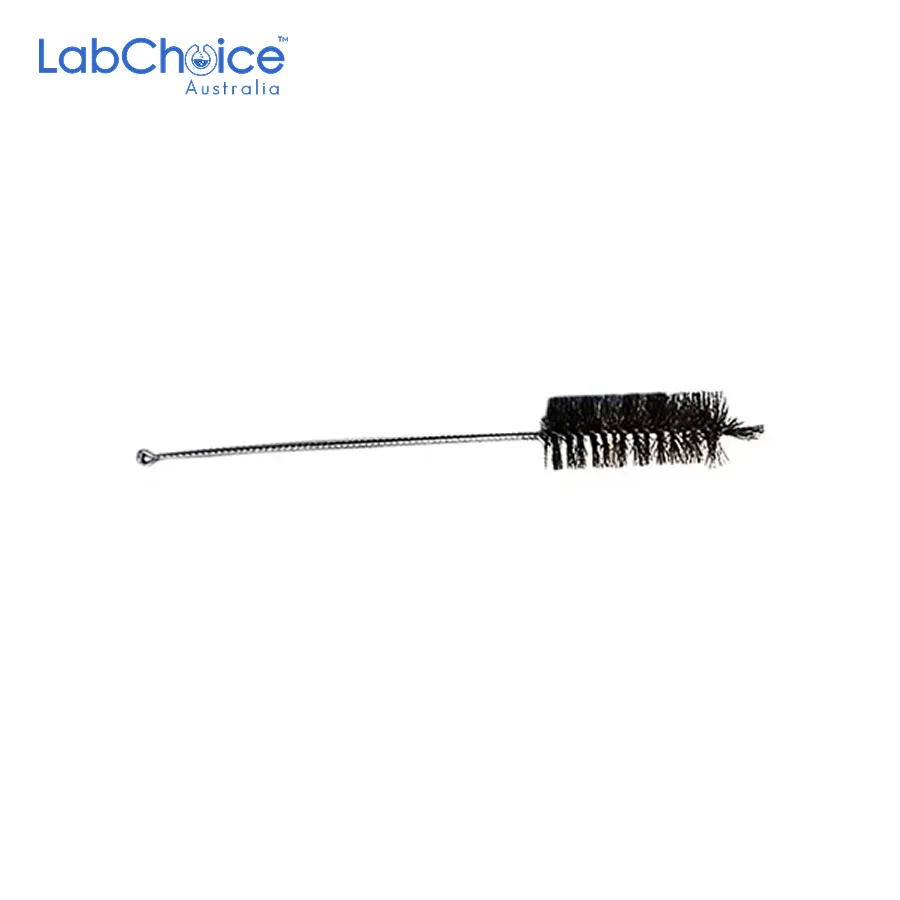
Test Tube Cleaning Brushes, Nylon Bristles
From AUD 2.50 (Ex GST)
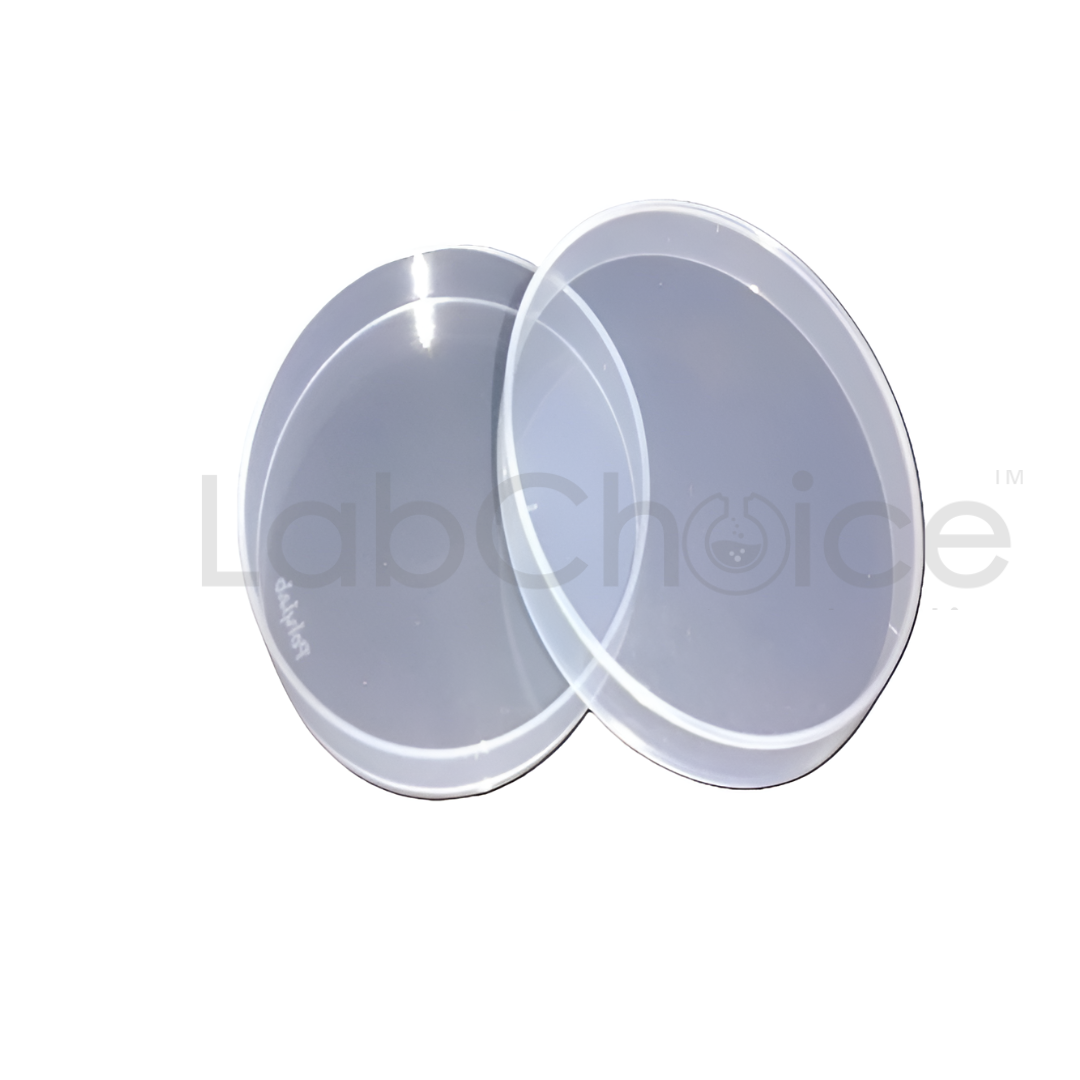
Petri Dishes, Polypropylene, Autoclavable & Reusable, High Quality
From AUD 1.20 (Ex GST)
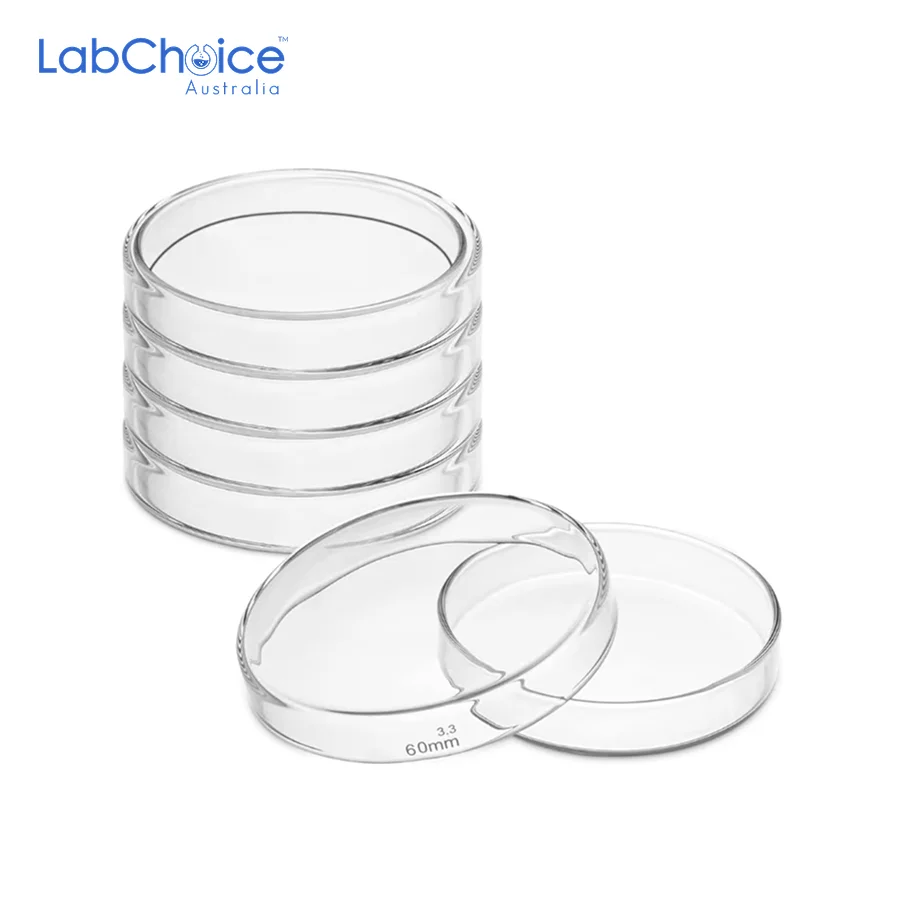

Glass Petri Dishes with Lid, Autoclavable, Borosilicate Glass (BORO 3.3)
From AUD 3.90 (Ex GST)

Stirring Rods, Rounded Ends, Laboratory Grade, Borosilicate Glass (BORO 3.3)
From AUD 0.95 (Ex GST)

⭐⭐⭐⭐⭐
We ordered a set of customised BORO 3.3 borosilicate glassware for our teaching labs, and LabChoice Australia exceeded every expectation. From the first consultation to final delivery, their team listened carefully, offered expert advice, and ensured every piece matched our specifications perfectly.
The clarity and precision of the glassware are exceptional, and the quick turnaround made setup effortless. It’s refreshing to work with an Australian supplier who genuinely understands laboratory needs and takes pride in quality craftsmanship. We’ll definitely be returning to LabChoice for future glassware requirements
⭐⭐⭐⭐⭐
Our lab required high-precision BORO 3.3 glassware for analytical testing, and LabChoice Australia delivered outstanding results. The ordering process was simple, communication was clear, and every beaker and flask arrived perfectly calibrated and ready for use.
The quality of the glass is exceptional — resistant to heat, easy to clean, and consistently accurate in measurement. It’s reassuring to know there’s an Australian supplier that combines scientific precision with genuine customer care. I’d recommend LabChoice to any research team looking for dependable labware
⭐⭐⭐⭐⭐
We needed a set of customised borosilicate glassware for a specialised project, and LabChoice Australia delivered exactly what we envisioned. The team worked closely with us from design to production, ensuring every detail met our specifications. The craftsmanship is exceptional, and the turnaround time was impressive. It’s reassuring to know we can rely on them for unique, made-to-order pieces
⭐⭐⭐⭐⭐
LabChoice Australia has completely changed the way we source our lab glassware. The quality is consistently top-notch, and every piece meets the precision we need for reliable results. Their team knows their stuff, answers our questions quickly, and always goes the extra mile to help — they’re more like partners than just a supplier.
⭐⭐⭐⭐⭐
We trust LabChoice Australia because they deliver every time. Their borosilicate glassware is durable, accurate, and perfect for the high-heat work we do. Everything arrives well-packed with clear specs, so there are never surprises. It’s reassuring to deal with a supplier who understands both compliance and the demands of a busy lab