Strengthening Pharma QA with Smarter Disposable Choices
Disposable labware for pharmaceuticals is more than plastic and glass in a box. It is the quiet backbone of your QA and QC work, from raw material checks to final batch release. Every tube, tip, and vial can help your team keep products safe, clean and on time.
When we choose the right consumables, we lower contamination risk, speed up workflows and help protect data integrity for TGA and GMP expectations. Poor choices slow things down and can create annoying repeat tests, question marks in the batch record and extra work right when you are already busy.
Seasonal pressure makes all of this feel sharper. End of financial year can bring audits and deep reviews. Flu season ramps up demand. Summer heat across Australia can press stability studies and transport conditions. It pays to sort out your disposable labware before those late winter and spring peaks hit and you are working at full stretch.
Core Disposable Labware in Pharma QA Workflows
Most pharmaceutical QA labs use a similar set of everyday disposables, even if methods and products are different. Key categories usually include:
- Sample containers and bottles
- Vials and microtubes
- Pipette tips and reservoirs
- Microplates and tubes
- Filtration units and syringe filters
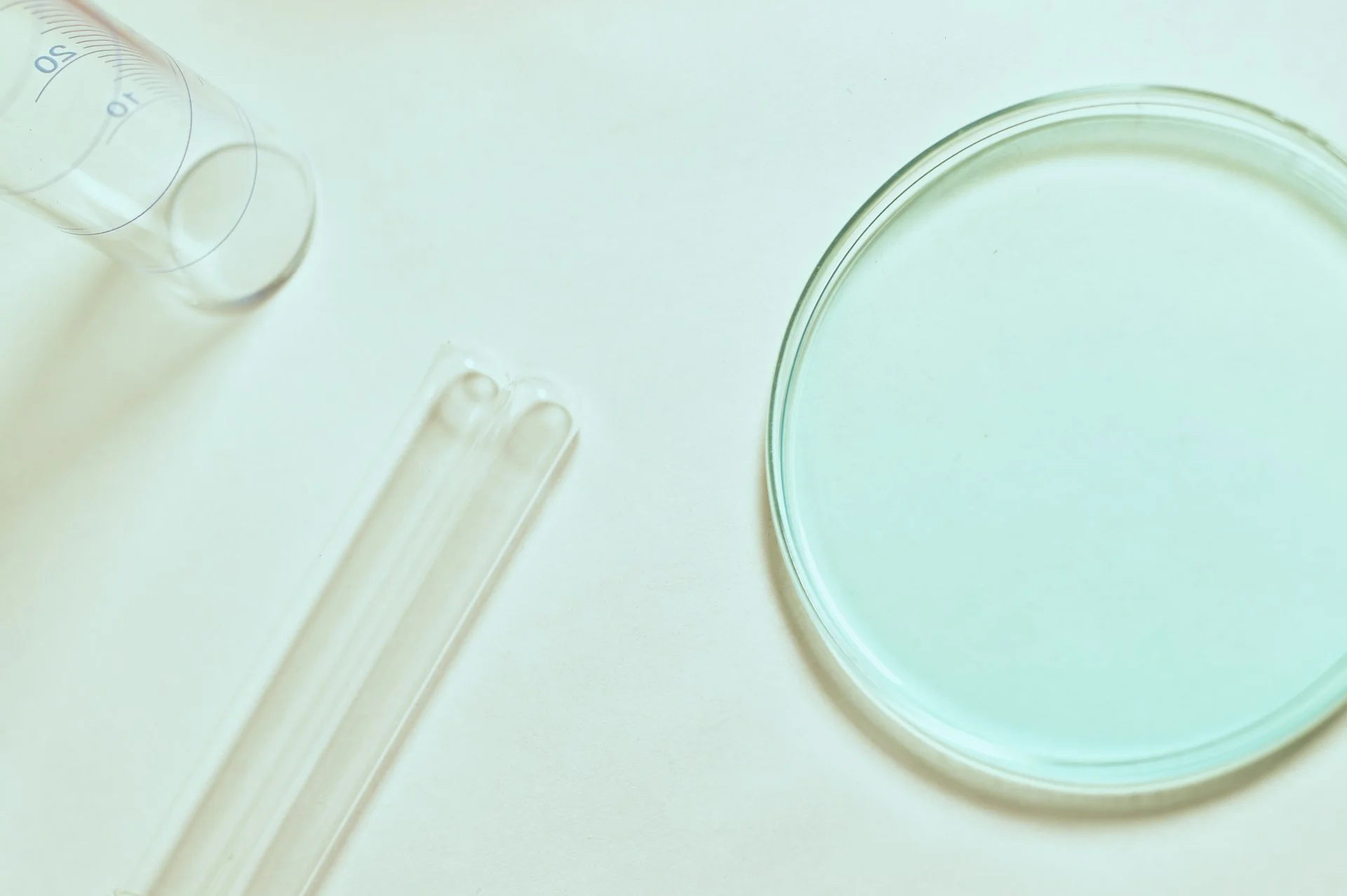
- Petri dishes and contact plates
- Single-use PPE like gloves, masks and sleeve covers
Small design details in these items matter a lot:
- Clear, accurate graduations help with quick visual checks
- Low-retention plastics support better sample recovery
- Leak-proof caps avoid evaporation and cross contamination
- Sterile vs. non-sterile options line up with method and risk level
In microbiological testing, Petri dishes, contact plates, filtration units and sterile pipette tips sit right at the front line. Any issue with sterility, clarity or fit can affect colony counts and environmental monitoring trends.
For stability samples and finished product release, vials, tubes and sample containers need tight sealing and chemical compatibility. You want caps that do not crack in the fridge or incubator, and plastics that do not interact with the product or mobile phase.
Environmental monitoring often leans on:
- Contact plates for surfaces
- Settle plates for air
- Swabs, tubes and transport media
In-process controls and raw material checks rely on a mix of tubes, tips, microplates and filtration. Here, low-retention plastics and well-fitting tips help keep precision in assays and reduce repeat work when results sit near a limit or trend line.
Quality, Compliance and Traceability Essentials
Not all disposable labware for pharmaceuticals suits a GMP setting. When you work under TGA expectations, quality and paperwork count just as much as the physical product.
Things to look for include:
- Documented sterility assurance levels for sterile products
- Options that are endotoxin-free and DNase- or RNase-free where needed
- Certificates of analysis or conformity for each lot you receive
These details support method validation, OOS reviews and audit questions. When you can show clear specs and matching paperwork for your consumables, you remove one more source of doubt during investigations.
Traceability is also key in a GMP lab. Lot numbers on packaging and, where possible, on inner packs let you:
- Record which lots were used in which tests or batches
- React quickly if you ever need to quarantine or review a lot
- Keep performance steady across time by monitoring any changes
Supplier reliability sits under all of this. You want a supplier that can give clear documentation, advise on product changes and support your own change control. That includes:
- Advance notice when a product design or material shifts
- Stable manufacturing processes
- Consistent lead times and packing formats
These points can make TGA inspections and internal audits a little less stressful, because you are not scrambling to explain where your labware came from or why it suddenly looks different.
Balancing Cost, Sustainability and Supply Security
Disposable does not have to mean careless. There is a balance between lab performance, sustainability goals and security of supply.
Instead of only looking at unit price, many pharma QA teams think about total cost of ownership, such as:
- Fewer repeats due to cleaner, more consistent products
- Less time spent chasing missing paperwork or out-of-stock items
- Reduced downtime when a key size or format is always on hand
Sustainability is growing in focus across Australian pharma labs. Without giving up on sterility or GMP needs, you can often:
- Choose recyclable materials where they suit the method
- Order smart quantities to cut rushed emergency deliveries
- Phase out unnecessary single-use items in low risk areas
- Standardise sizes and formats to keep waste down
Supply security is a big topic too. With an Australian-based supplier, you may find it easier to plan for spring and summer peaks, when transport can be tricky and ambient temperatures climb. Local stock, clearer ETAs and shorter freight paths can help keep your QA schedules on track even when global supply chains feel tight.
Practical Tips for Standardising Disposable Labware
Standardising consumables across teams and sites makes life easier for QA, QC and procurement. A few simple steps often help:
- Create approved labware lists tied to methods or product types
- Link those lists into standard operating procedures
- Set clear qualification criteria for any new product
When you bring in a new disposable, even a small one, it is worth running basic checks before full rollout, such as:
- Fit for purpose testing under real lab conditions
- Compatibility with instruments, racks and autosamplers
- Checks for leachables, background noise or interference in methods
It helps to keep the process cross-functional. QA can think about data integrity and compliance, QC about usability and method impact, procurement about supply stability, and EHS about waste and handling. When these groups talk early, you are less likely to pick a product that causes trouble later.
Next Steps to Optimise Your QA Consumables Strategy
A good way to start is with a simple audit of your current disposable usage. Look for items that often link to deviations, delays or extra checks. These might be leaky vials, tips that do not fit well, or plates that are hard to read. Mark them as higher risk and think about testing better options before your workload ramps up later in the year.
From there, you can build a phased plan for improvement. Many labs find it helpful to:
- Trial new labware with a small group of users
- Collect feedback on handling, clarity and performance
- Document any impact on methods or results
- Roll out successful products in a controlled, step-by-step way
As an online laboratory supplier based in Australia, we at LabChoice Australia support pharma QA teams with a range of glassware, plasticware, consumables and equipment suited to research, education and industrial settings. By pairing clear specifications with practical, local support, we aim to help you match your disposable labware choices to your specific pharmaceutical QA workflows and keep your quality systems steady through every season.
Secure Reliable Labware For Every Pharmaceutical Workflow
At LabChoice Australia, we make it simple to source high quality disposable labware for pharmaceuticals that supports consistent, compliant results. If you are ready to streamline ordering and keep your teams supplied, we can help you match the right consumables to each stage of your process. Speak with our team today via our contact page so we can recommend practical options tailored to your lab’s throughput, budget and regulatory requirements.