Protecting Pharmaceutical Samples From the First Touch
Sample integrity starts the moment a drug substance or product touches a surface. Before the HPLC run, before the LC-MS method, even before the batch record is signed, that first tube, vial, syringe, or pipette tip is already helping or hurting your data.
Across Australian pharmaceutical labs, from early R&D through to contract manufacturing and QC, quality expectations keep rising. Regulators want clear, defensible data and clean audit trails. That means the “first touch” items, the everyday disposable pieces we grab without thinking, need just as much attention as our instruments and methods.
In this article, we walk through how smart choices around disposable labware for pharmaceuticals help control contamination risk, support regulatory expectations, and keep projects moving. We will look at what to use, how to choose it, and how to handle it in real lab workflows, from pre-formulation experiments to stability studies.
Why Sample Integrity Matters More Than Ever
Stronger expectations from global regulators and the TGA make sample integrity a non-negotiable topic. If handling is sloppy or consumables are poorly chosen, even a well-validated method can end up giving data that is hard to defend.
When integrity is compromised, problems can include:
- Leachables from plastics or closures
- Drug adsorption to tube walls or stoppers
- Particulate contamination in liquids or injectables
- Mislabeling or unclear graduations on containers
Any one of these can slow down batch release, interrupt a stability program, or throw off timelines for clinical material. It is frustrating to repeat work just because a tube or tip was not fit for purpose.
Seasonal pressures do not help. Around August, as winter peaks across much of Australia, respiratory and vaccine pipelines often push QC labs harder. Throughput climbs, teams lean on ready-to-use sterile consumables, and small weaknesses in sample handling show up quickly. In this environment, disposable labware is not just a convenience. It is a primary control point against both chemical and microbiological threats to sample quality.
Key Types of Disposable Labware in Pharma Workflows
Most pharma labs rely on a familiar set of single-use items every day, but each category has its own job to do.
Common disposable labware includes:
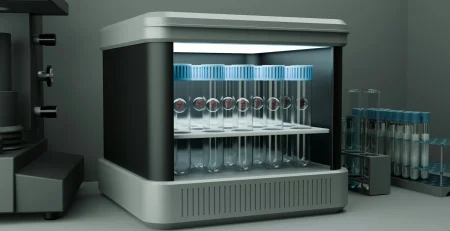
- Microtubes and cryovials for small-volume samples and frozen stocks
- Sample containers and bottles for bulk solutions and intermediates
- Pipette tips, including filtered and low-retention options
- Syringes and syringe filters for sample prep and sterile transfer
- Cell culture plastics such as flasks, dishes, and multiwell plates
- Sterile transfer accessories like serological pipettes and transfer pipettes
Materials matter just as much as format. You will see:
- Borosilicate glass, often for aggressive solvents or light-sensitive APIs
- Polypropylene (PP) and polyethylene (PE) for many aqueous and some organic systems
- PTFE for very reactive solvents and strong acids or bases
- Polystyrene and PET in areas like cell culture and general solution handling
Different dosage forms put different demands on these materials. A protein biologic needs low-binding plastics that do not grab onto the active. A high-organic mobile phase for LC-MS may call for glass or PTFE in the flow path. Single-use filtration units, sterile pipette tips, and certified low-binding plastics all help support accuracy in assays like HPLC, LC-MS, and other bioanalytical methods.
Here in Australia, many education, research, and industry labs work side by side or within the same precincts, often with mixed requirements across departments. Having one local source that can cover these different categories can make procurement much simpler and keep shelves ready for busy runs.
How Disposable Labware Safeguards Sample Integrity
Good disposable labware for pharmaceuticals protects samples on three main fronts: contamination control, chemical and physical stability, and traceability.
For contamination control:
- Sterile and pyrogen-free products for microbiology and aseptic processing
- DNase/RNase-free plastics for molecular biology and biologic therapeutics
- Filtered pipette tips to limit aerosol carryover between samples
On the chemical and physical side, small details can make a big difference. Low-extractables materials help keep unknown peaks out of chromatograms. Low-binding tube and tip surfaces can reduce drug loss, which is especially important for low-dose or high-value actives. Strong, well-fitted closures help prevent evaporation, oxidation, or microbial ingress during transport and storage, including when samples move between rooms or sites.
Traceability is just as important as cleanliness. Features such as:
- Lot-coded, pre-sterilised consumables
- Clear, accurate graduations
- Dedicated labelling surfaces or printed areas
all support data integrity and audit readiness. When each tube and tip used in a validated method is controlled and documented, it is easier to demonstrate consistency and reproducibility in regulated environments.
Choosing the Right Disposable Labware for Pharmaceuticals
Picking the right consumable is easier with a simple checklist. Before you add anything to your regular stock, ask:
- Does the material match the solvent system and pH range?
- Will it handle the planned temperature range, from cold storage or dry ice to incubators or water baths?
- Is the sample or API light sensitive, and if so, do we need amber or opaque containers?
Then move to documentation. In pharma settings, it pays to review:
- Any information that aligns with TGA and GMP expectations around manufacturing
- Stated sterility assurance levels for sterile products
- Available biocompatibility and extractables or leachables data
- Quality system details such as lot control and certificates of conformity or analysis
Operational realities also shape good choices. It helps to balance performance with reliable supply, set up stock levels ahead of peak testing seasons, and standardise SKUs across teams and sites where possible. That way, handling is easier to train and less prone to mix-ups.
A wide, well-curated range of compliant disposable labware for pharmaceuticals, available through quick online ordering and supported by local lead times, can make it much easier to keep shelves stocked without overcomplicating purchasing.
Best Practices for Handling and Storage in Busy Labs
Even the best labware will not protect a sample if it is stored or handled poorly. Simple habits across the lab can protect a lot of work.
For storage:
- Keep items in sealed packaging until use
- Protect cartons from dust, moisture, and direct sun
- Avoid temperature extremes in storage rooms
- Rotate stock using first-in, first-out so packaging does not age or become brittle
For handling:
- Open sterile packs only where and when needed, ideally close to the work zone
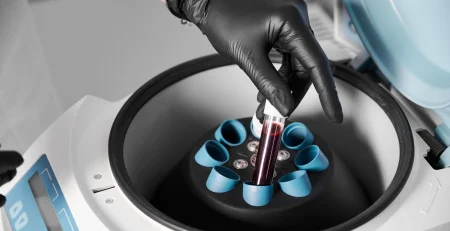
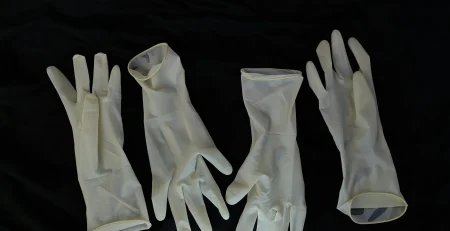
- Follow gloving and gowning rules, especially in clean or controlled areas
- Separate pre-use and post-use zones so waste does not mix with clean stock
Staff training is important, especially during winter illness peaks when absenteeism rises and casual staff may be filling gaps. Clear visual SOPs, quick reference charts near storage areas, and simple checklists make it easier for everyone to follow the same steps.
Waste management also matters. Labs should keep:
- Biohazardous waste separate from general waste
- Chemical-contaminated plastics separate from clean plastics
- Sharps in approved containers
Smarter selection can help reduce environmental impact as well, such as choosing formats that avoid unnecessary over-packaging or standardising sizes so that less stock goes unused, while still staying aligned with compliance needs.
Turning Disposable Choices Into Reliable Pharma Results
Thoughtful selection and consistent handling of disposable labware is not an afterthought. It is a quiet but powerful part of how pharma, biotech, and education labs protect sample integrity and keep projects on track.
Reviewing your current consumables portfolio, checking for material mismatches, non-certified items, or supply gaps, and tightening up internal handling practices can all help support more stable assays and smoother audits as workloads ramp up into spring. For teams across Australia who want steady, compliant supply and practical support on material compatibility or application needs, this is where LabChoice Australia focuses our effort, helping you turn everyday disposable choices into dependable results in the lab.
Streamline Pharmaceutical Workflows With Reliable Labware
Choosing the right consumables is essential for maintaining accuracy, compliance and efficiency in every batch you produce. At LabChoice Australia, we supply a curated range of disposable labware for pharmaceuticals that supports consistent results while simplifying day-to-day lab operations. If you would like guidance on selecting the most suitable products for your processes, simply contact us and we will work with you to match the right labware to your workflow.