Build Confidence in Every Heating Check
A dependable temperature check helps you keep testing conditions steady, protect samples and get more consistent performance from heated equipment. At LabChoice Australia, we know that water baths, dry baths, hot plates and magnetic stirrers all work best when their displayed setting is checked against the temperature your process is actually experiencing.
Regular checks of heating equipment give you a practical way to verify a display, spot variation early and make considered adjustments before results are affected. During Australia’s late-winter conditions in August, cooler rooms, air movement and changing ambient temperatures can also affect warm-up periods. That makes a simple temperature check especially useful before starting sensitive work.
Match Equipment to Your Testing Conditions
The right heating equipment is the one that suits your normal work, not necessarily the one with the widest possible range. We recommend choosing water baths, dry baths, hot plates and magnetic stirrers based on the expected temperature range, the accuracy your process needs, warm-up time and the type of samples being checked.
A water bath may operate within a fairly narrow range, so a unit that heats clearly and consistently within that range may be the practical choice. A hot plate used with a magnetic stirrer may need to safely support higher liquid temperatures. Matching the equipment to the task keeps checks simple and easier to repeat.
Before setting up heating equipment, consider:
- The normal operating temperatures of your water bath, dry bath or heated magnetic stirrer
- Whether you need to heat liquid, a tube position, a block or an equipment surface
- A clear display and controls that suit your workspace
- Vessel size, cleaning needs and safe placement around lids and stir bars
- Construction that can handle routine laboratory use and storage
Measurement location matters. A hot plate surface may be much hotter than the liquid in a vessel, while water in a bath can differ from the temperature near its base or sides. Similarly, the temperature at a dry bath block may not perfectly match every tube position. Use a checking process that helps you assess the point that matters to your test.
Position Samples for Meaningful Heating
Correct placement is just as important as equipment selection. The goal is to support the temperature experienced by the sample or process, rather than a spot affected by a heater, equipment wall or surrounding air.
For a water bath, place vessels in the water at a relevant working depth. Keep them clear of the base, sides and heater area where possible. This provides conditions that are more representative of the tubes or vessels sitting in the bath.
Dry baths need a slightly different approach. Check the tube block or a representative tube position so the heating conditions reflect where the samples are placed. If your workflow depends on several positions heating evenly, it is sensible to review more than one location as part of your usual checking routine.
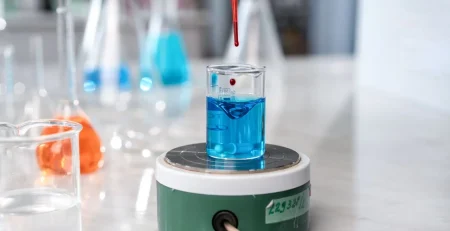
When working with a hot plate and magnetic stirrer, position the vessel securely on the heating surface without getting in the way of the stir bar. A surface setting alone may not show the true temperature of the liquid while it is mixing.
Keep these placement reminders in mind:
- Allow equipment and samples to stabilise before recording or changing a setting
- Avoid placing vessels directly over heating elements where possible
- Keep vessels clear of stirring action and equipment lids
- Use the sample location as the guide for where to assess conditions
- Never place vessels into rotating or vibrating equipment unless they are designed for that use
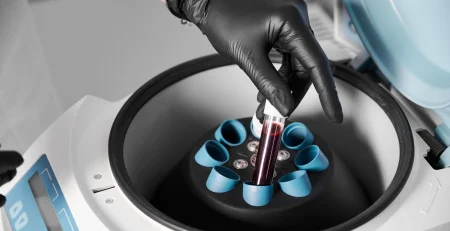
For tube mixers, vortex mixers, tube rollers, mini centrifuges and centrifuges, heating checks generally apply to pre-heated materials or the surrounding workflow, not moving components. Samples should never be placed into rotating or vibrating equipment simply to obtain a temperature check.
Protect Performance Through Routine Care
Heating equipment can only support dependable decisions when it is in good condition. Before use, we suggest a quick visual inspection. Look for worn surfaces, loose parts, faded markings, moisture around a digital display, visible damage or performance that appears slow or inconsistent.
Regular comparison checks are also worthwhile. Water baths, dry baths, hot plates and magnetic stirrers can be checked according to your laboratory’s established quality process. If you notice an unexpected difference, record it and investigate before relying on that equipment for temperature-sensitive work.
Cleaning should suit the equipment’s construction and your laboratory environment. Once cleaned, dry it properly and store it where it is protected from impact, excess heat and contamination. Careful handling around water baths, dry baths and hot plates can also extend working life. Spilling materials into a bath, exposing equipment to sudden temperature changes or leaving a vessel on a hot plate surface can affect performance.
A straightforward record can make routine care easier to manage. Include checking dates, observed differences, cleaning actions and replacement decisions. This gives your team a clear history and helps avoid delays when a water bath, dry bath or hot plate needs verification before use.
Support Winter Workflows with Smarter Checks
Late winter can bring cooler mornings and changing room conditions across Australian laboratories. Rather than assuming every process will respond in the same way, we recommend observing how your own water baths, dry baths, hot plates and magnetic stirrers behave in their usual workspace.
Allow heating equipment enough time to reach operating conditions before starting temperature-sensitive work. Confirm the actual working temperature where assurance is needed, particularly after changing a setting or moving equipment. More frequent checks can also be helpful when room conditions change, workload increases or a new testing method is introduced.
Planning temperature checks around the day can prevent interruptions later. Switch on relevant heating equipment early enough to stabilise, check a water bath or dry bath before placing samples inside, then recheck after adjustments. If a vacuum pump, lab balance, centrifuge or tube roller is part of the broader workflow, confirming conditions before the next stage can help work move along more smoothly.
Make Temperature Checks Part of Daily Laboratory Care
Reliable temperature control comes down to a few repeatable habits: select suitable equipment, position samples at the right point, allow conditions to stabilise and care for equipment between uses. We encourage teams to review where temperature verification matters most in their current workflows and assign clear responsibility for checking, cleaning, storage and replacement.
Small, regular checks can give you a clearer picture of how heating equipment performs from one task to the next. When conditions are meaningful and records are kept, your team can make better-informed adjustments and maintain greater confidence in water baths, dry baths, hot plates and magnetic stirrers.
Find The Right Temperature Measurement Tool
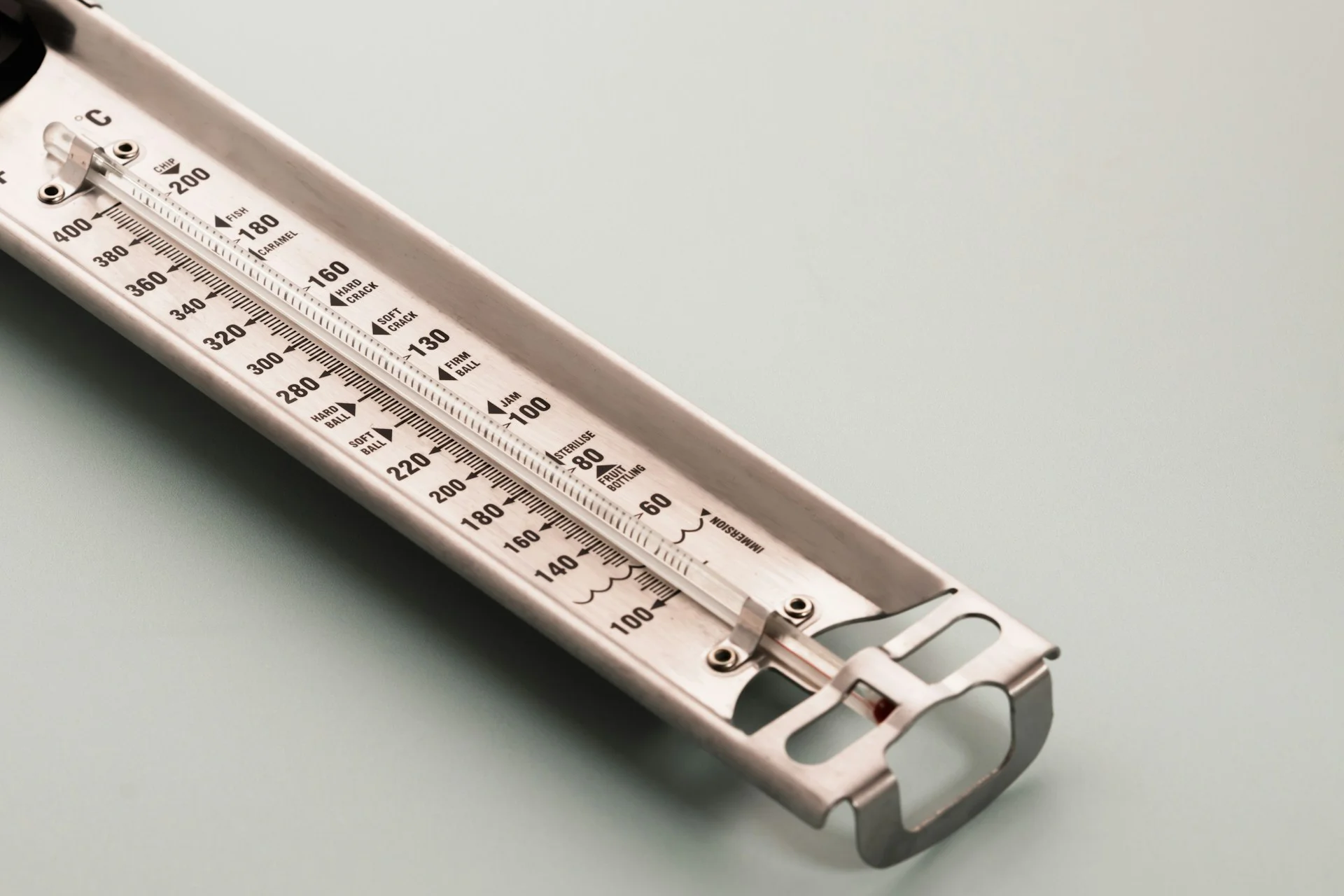
At LabChoice Australia, we offer a laboratory thermometer for testing suited to water baths, dry baths, hot plates and magnetic stirrers. Consider the temperature range, scale readability and immersion requirements for the equipment in your workflow. For assistance selecting a suitable option, contact us and our team can help.