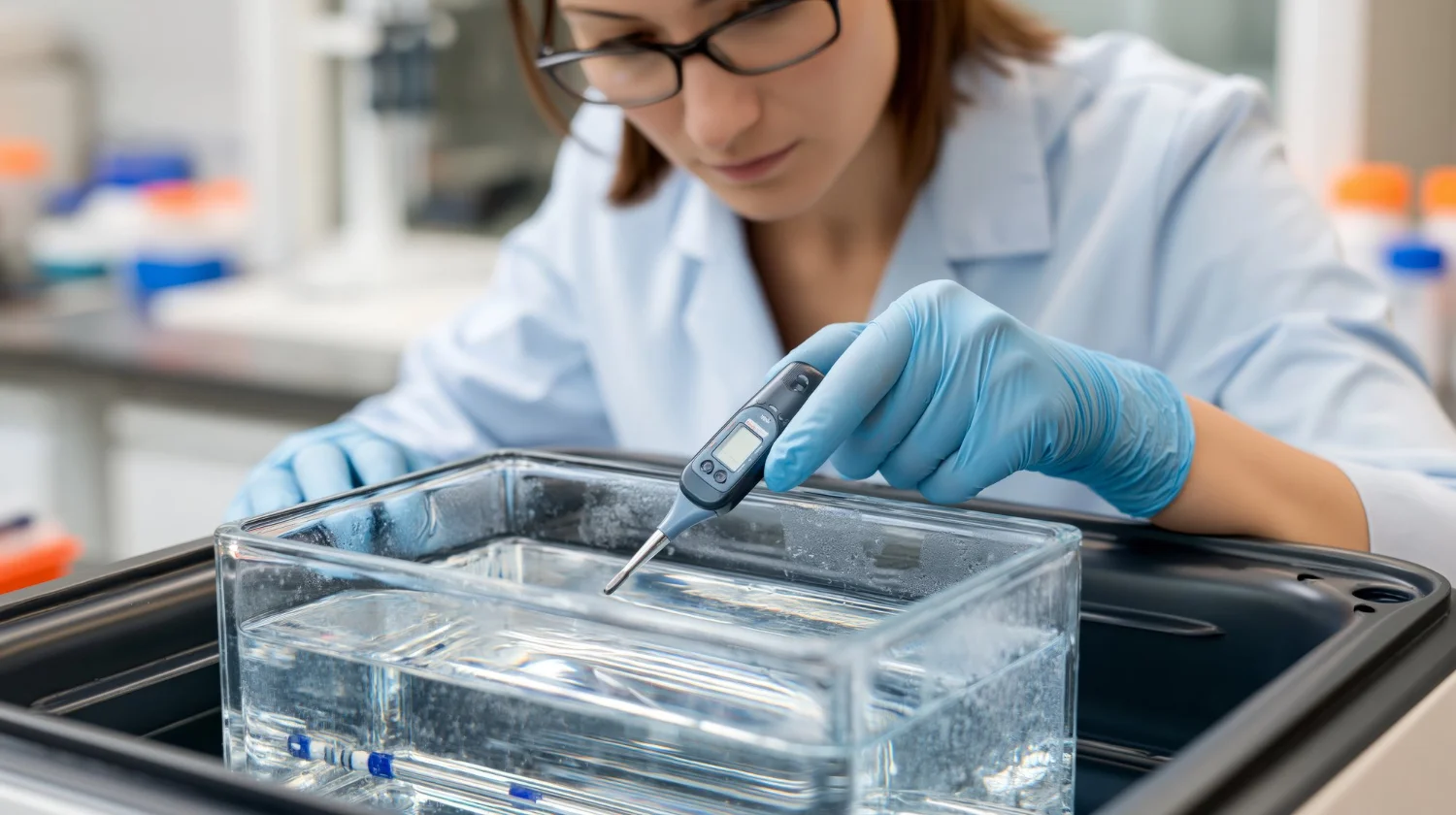
A digital laboratory water bath gives you a clearer way to manage one of the most common sources of method variation, temperature. When a procedure depends on holding samples at a defined temperature, small shifts can affect incubation, reagent warming, sample conditioning, viscosity work and other routine tasks.
Across education, research, testing and industrial laboratories, we see how quickly busy schedules can expose weak points in manual processes. Dependable temperature control does not guarantee valid results on its own, but it can remove a preventable variable and help you build more repeatable methods.
Consistent Temperatures Start with Digital Control
Older manual or analogue controls can require users to interpret a dial, wait, adjust and check again. That approach may work for simple warming tasks, but it leaves more room for differences between users and workdays.
A digital laboratory water bath provides a more direct reference point. Digital displays show the intended setpoint clearly, while electronic controls and temperature feedback help the unit work towards that target. Programmable settings can also make routine tasks easier to repeat when the same method is used often.
This matters during Australia’s spring period, when laboratories may be preparing for increased teaching practicals, active research schedules and year-end testing demands. When several people need the same equipment across a busy day, a stable and easy-to-read temperature setting helps everyone begin from the same baseline.
Hold Setpoints Steady Throughout the Method
Digital water baths use electronic thermostatic control to monitor and adjust heating as the water temperature changes. Rather than relying on a user to make frequent manual corrections, the bath responds to feedback and works to stay close to the selected operating range.
That steadiness is helpful when a method calls for a narrow temperature tolerance. A bath may show the correct number on its display, but the chamber still needs time to reach equilibrium before samples go in. Larger water volumes, several containers and cold samples can all change how quickly the bath settles and recovers.
When choosing a water bath, we recommend matching its specifications to the work you need it to do. Consider:
- The temperature range required by your method
- Chamber capacity for your usual sample load
- Display resolution and stated temperature performance
- The size and shape of containers, racks and holders
- How quickly the bath needs to recover after loading
Temperature stability and temperature uniformity are both worth considering. A displayed reading may be on target while different areas of the chamber react differently after a heavy load is added. Leaving room for water to circulate around containers can help support more even conditions.
Your documented procedures should also guide independent temperature checks, calibration and verification. The display is useful for daily monitoring, but quality systems may require an external reference thermometer or calibrated probe to confirm actual performance.
Reduce Operator Variation in Routine Methods
People naturally work in slightly different ways. One user may allow a long warm-up time, while another may start as soon as an analogue dial appears close enough. Someone else may rely on a visual estimate of water temperature. Over time, those small choices can make routine procedures less consistent.
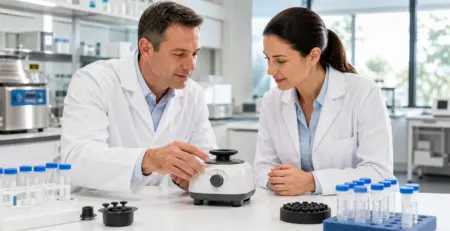
With a visible digital display, users can confirm the required setpoint before beginning. This gives staff, students and rotating team members a shared operating reference. It also makes the expected setting easier to include in training notes and laboratory records.
A well-written standard operating procedure can set out:
- The target temperature and acceptable tolerance
- Required equilibration time before samples are added
- Independent verification checks and their frequency
- Maximum sample loading for the chamber
- Steps to take if the temperature falls outside the defined range
Features such as timers, alarms and user-adjustable settings can provide added support where they are available. An over-temperature alarm, for example, may draw attention to a condition that needs checking before samples are affected.
Good loading practices still matter. Avoid overcrowding the bath, as too many samples can slow temperature recovery and limit water movement. Use containers that are suitable for water bath use, and position them so water can move around each one. These simple steps help when you are thawing samples, preparing cultures, warming reagents or carrying out quality control activities.
Digital Features Support Better Traceability
Clear temperature information can make recordkeeping less of a guessing game. When results do not meet expectations, a record of the bath conditions may help you investigate whether temperature handling played a part.
Depending on your quality system and the method involved, useful records may include the displayed setpoint, independent temperature check, date, operator and method reference. Regulated, accredited and quality-managed laboratories may have more detailed documentation requirements, so your own procedures should always lead the way.
Beyond the display itself, several practical features can influence day-to-day use:
- Timer functions for timed warming or incubation steps
- Alarms and over-temperature cut-outs for added protection
- Lids to reduce heat loss and evaporation
- Drain taps to simplify water replacement
- Smooth, accessible chambers that are easier to clean
Low-water protection can also be useful during extended operation, where fitted. Still, traceability depends on sound laboratory practice as much as equipment capability. Regular cleaning, water changes, calibration checks and maintenance records help keep the displayed temperature meaningful over time.
Plan Ahead During Spring
Spring is a sensible time to review whether your current water bath capacity and temperature range suit the work ahead. Waiting until a unit is unavailable during a busy teaching block, testing period or project deadline can create avoidable delays.
We suggest looking at the wider workflow, not only the water bath itself. Multiple teams using similar methods may need extra chamber capacity, or separate baths for different temperature ranges and applications. Keeping tasks apart can also reduce cross-contamination concerns and prevent one workflow from holding up another.
It is also worth checking the accessories and consumables that support safe use. Suitable racks, tube holders, reference thermometers, cleaning products and replacement components can make routine work smoother. Compatibility with your existing glassware, plasticware and sample containers should be part of the review.
Choose Equipment That Supports Repeatable Methods
Preventative maintenance belongs in the same spring planning process. Checking water levels, inspecting lids and seals, cleaning the chamber, confirming temperature performance and reviewing calibration dates can reduce unwelcome surprises later in the year.
Repeatable methods rely on controlled conditions, clear procedures and equipment that suits the task. By selecting the right temperature range, chamber size, safety features and verification approach, you can make temperature-sensitive work less dependent on individual judgement and more consistent from one run to the next.
Choose Equipment That Supports Reliable Results
At LabChoice Australia, we can help you select a digital laboratory water bath suited to your application and workflow. Our range supports laboratories seeking dependable temperature control for extraction, distillation and other precision tasks. For tailored product guidance, contact us and speak with our team.