Build Safer Setups From the Bench Up
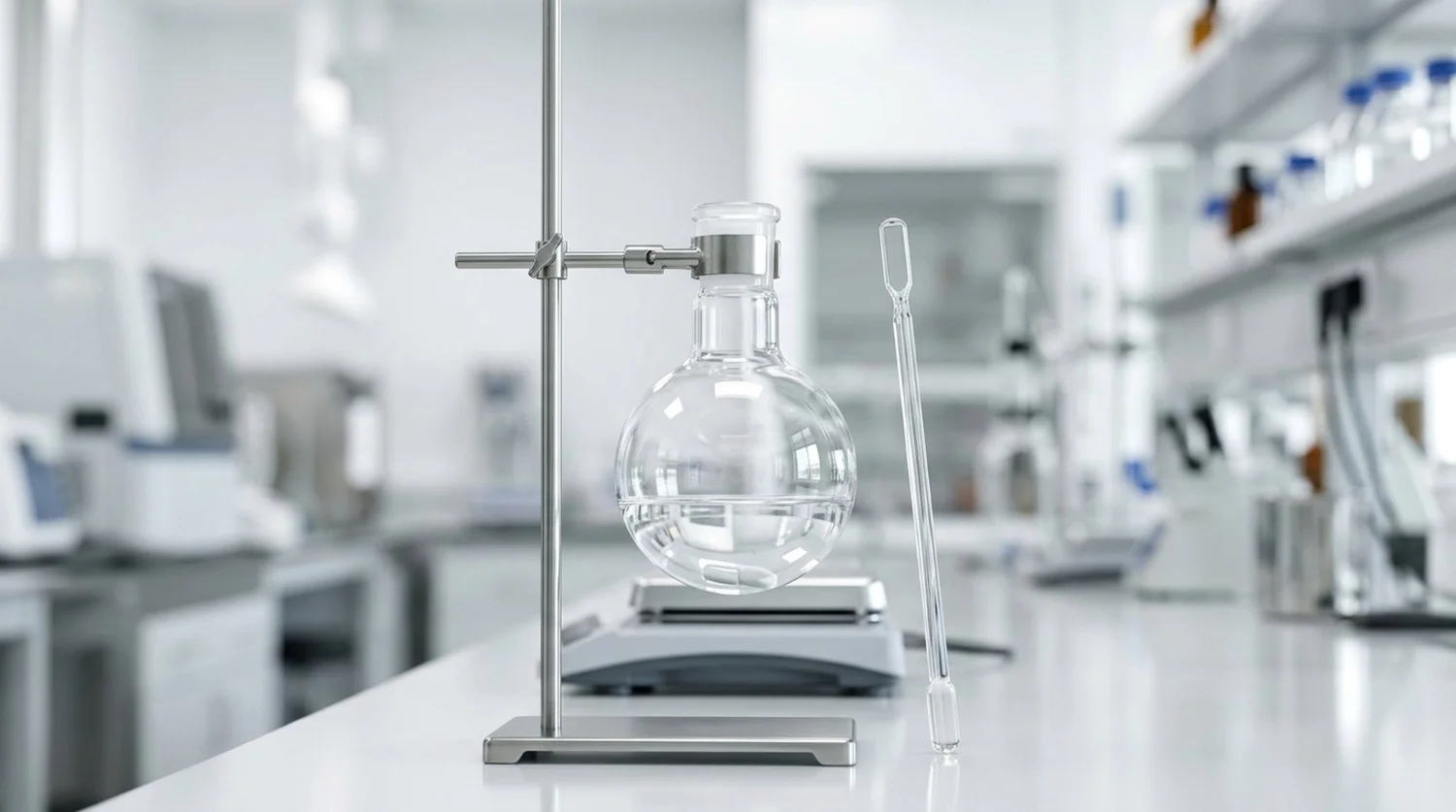
Stable stands and clamps help us create safer laboratory workspaces, protect glassware and keep procedures moving without unwanted interruptions. When apparatus is properly supported, you can focus on the task at hand rather than worrying about a flask slipping, a condenser swaying or a burette moving mid-titration.
Across Australian education, research, testing, food, medical and industrial laboratories, we see how much a secure setup matters. A dependable arrangement starts with the right base, support rod, bosshead and clamp, but it also relies on correct load balance. The best configuration for you will depend on the weight of the apparatus, exposure to heat, available bench space and the work being performed.
Choose a Stable Base for Every Laboratory Task
The base is where a safe setup begins. For taller or heavier assemblies, a heavy cast iron base is often a sensible choice. Its weight and broad footprint can help hold the stand in place while supporting apparatus such as condensers, burettes, separatory funnels and filled vessels.
A base that is too light for the load can shift or tip when equipment is adjusted. This can lead to broken glassware, spills, damaged instruments and avoidable delays. We recommend looking at the complete assembled height, not just the size of the item being clamped. A tall rod with a heavy item near its upper end places very different demands on a base than a small flask close to the bench.
Compact bases and tripod stands can suit lighter equipment, smaller vessels and selected heating tasks. They are also useful where bench space is limited or where a classroom demonstration needs a simple arrangement. Retort stands provide a flexible option when you need to hold apparatus at a set height.
Before selecting a base, consider:
- The total weight of the apparatus, including liquids and attached tubing
- The height of the support rod and how far the clamp will extend
- Whether heat, water, chemicals or frequent cleaning are involved
- The available room on the bench and around nearby equipment
When we help customers choose support equipment, we encourage them to match the stand to the work they do most often, rather than choosing solely by appearance or size.
Select Laboratory Stands and Clamps in Australia
A rigid support rod gives the rest of the assembly a firm upright structure. Height matters because the rod must allow enough room for your procedure without making the setup unnecessarily tall. Diameter also matters, as the rod needs to work securely with the bossheads and clamps used in your laboratory.
For routine work, corrosion-resistant materials can be easier to maintain, particularly in spaces where metal parts are cleaned regularly or exposed to moisture. A straight, firmly fitted rod reduces sway, which is especially helpful when handling long glassware or setting up equipment for heating, filtration, titration or distillation.
Different clamps are designed for different shapes and jobs. Choosing the right one helps you hold apparatus securely without tightening so much that glassware is placed under stress.
Common options include:
- Burette clamps for keeping burettes upright during titration
- Utility clamps for general vessels and equipment
- Three-prong clamps for round or irregularly shaped glassware
- Flask clamps for holding flasks in position
- Condenser clamps for supporting longer condenser assemblies
Bossheads and clamp holders deserve the same attention as the clamp itself. These components connect the rod and clamp, allowing you to set height, angle and position. A quality adjustment mechanism should tighten firmly, hold its setting and still allow staff to make controlled changes when needed. If the bosshead slips or the clamp holder does not grip evenly, even a strong stand can become unreliable.
Assemble and Balance Apparatus for Reliable Results
Careful assembly can prevent problems before the experiment starts. We recommend setting up the stand and clamp before adding fragile glassware, instruments or liquids. This makes it easier to check each connection and adjust the position without placing strain on equipment.
A practical assembly order is:
- Place the base on a clean, level and stable bench
- Secure the support rod firmly into the base
- Fit the bosshead at the required height
- Attach and adjust the clamp before loading the apparatus
- Add glassware or equipment, then recheck the balance
Keep heavier items as close to the support rod as practical. Long extensions can pull the centre of gravity away from the base and increase the chance of movement. For a long condenser, use suitable support points and avoid leaving one end unsupported. Filled funnels also need thoughtful placement, as their weight can change quickly during transfers.
Clamp jaws should support the apparatus, not crush it. Rubber-coated jaws can provide a gentler grip where appropriate, while helping to reduce direct contact between metal and glass. Before clamping, inspect glassware for cracks, chips or signs of damage. Leave clear space for hoses, cables, heating equipment and access to controls. A setup may look steady at first, but a stretched hose or crowded bench can pull it out of position during use.
Maintain Clamps Through Australia’s Spring Workload
Spring can bring busier teaching schedules, increased research activity and preparation for end-of-year laboratory projects. Before workloads build, we suggest inspecting the stands and clamps that are used most frequently. Small issues, such as worn rubber sleeves or stiff screw threads, are easier to address before they affect a practical class or a time-sensitive procedure.
Regular care also helps equipment remain easier to adjust and clean. Chemical residue can build up on clamps, rods and bossheads, making them harder to grip or move accurately. After use, follow your laboratory’s cleaning process and make sure components are dry before storing or reassembling them.
A useful maintenance routine includes wiping metal parts, checking screw threads, inspecting clamp jaws and looking for corrosion, loose fittings or damaged sleeves. Replace parts that no longer hold firmly or show clear wear. We also recommend keeping spare clamps, bossheads and support rods available for busy periods, particularly in laboratories where several benches may be used at once.
Standardising core support equipment across benches or classrooms can make training simpler. When staff and students see familiar clamp styles and adjustment methods, they can set up workstations more consistently and recognise when something is missing or unsuitable.
Set up Your Next Stable Workstation Today
Before ordering laboratory stands and clamps in Australia, create a simple checklist covering apparatus weight, clamp type, stand height, heat exposure and bench conditions. Reviewing each part of the setup together helps you avoid mismatched components and gives every item a clear purpose.
A stable workstation protects people, glassware and experimental outcomes. Start with a level bench, use appropriately matched support equipment, keep loads balanced over the base and inspect clamps before each demanding task.
Equip Your Lab With Confidence
At LabChoice Australia, we help teams source dependable laboratory stands and clamps in Australia for everyday laboratory applications. Our range makes it easier to select compatible components for secure, adaptable setups. For assistance choosing equipment for your requirements, contact us today.