Faster, Smarter Benchtop Mixing for Busy Winter Labs
Mini vortex mixers are changing how we handle tiny tubes and small vials. When most of your work sits in that 0.2 to 2 millilitre range, the way you mix can make the difference between smooth days and frustrating repeats.
As winter hits across Australia, many teaching, research, and diagnostic labs hit a mid-year rush. There are term-two practicals to run, respiratory samples to process, and project deadlines on the horizon, even while staff juggle colds and roster gaps. Small-volume prep ramps up, not down.
Traditional mixing methods often slow things down. Manual flicking of microtubes, repeated pipetting up and down, or shaking racks by hand is:
- Hard to keep consistent
- Tough on wrists and shoulders
- Surprisingly time-consuming when you add it up over a day
A mini vortex mixer steps in as a compact helper for all those high-frequency, low-volume jobs. It gives quick, repeatable mixing for microtubes and vials, without taking over half the bench. For Australian labs, it can be an easy way to keep workflows moving during the colder months, while staff focus on the work that really needs their attention.
How Mini Vortex Mixers Boost Small-Volume Precision
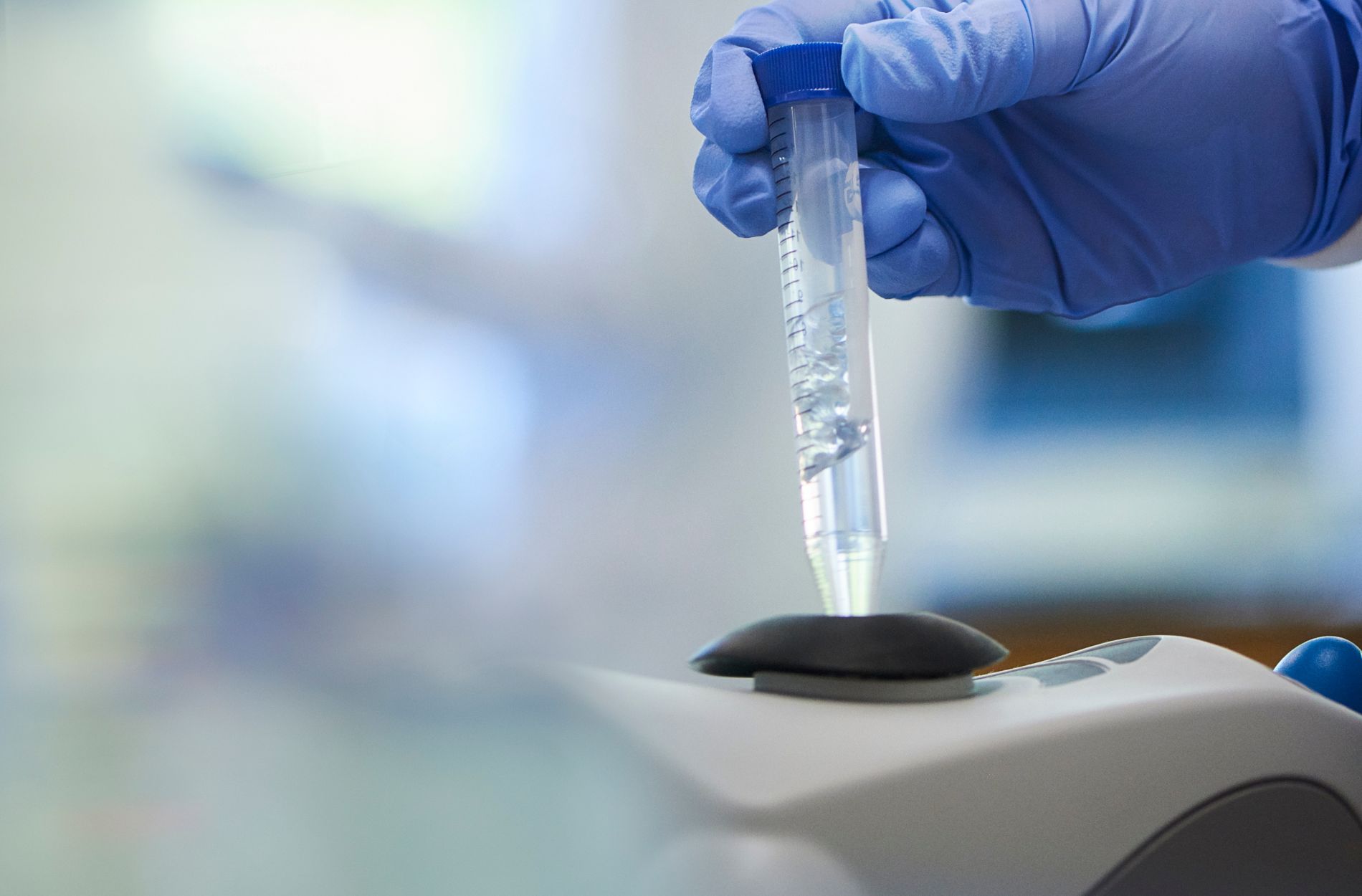
A mini vortex mixer might look simple, but it is very good at one thing: giving consistent, controlled agitation to small containers. Set a tube on the mixing head, press down if you are using touch mode, and the circular motion pulls liquid up and down the tube for even mixing.
This works especially well for:
- Microcentrifuge tubes
- PCR tubes and strips
- Small glass or plastic vials
In winter-heavy workflows like term-two teaching classes or flu-season diagnostic runs, that kind of repeatable mixing helps keep results on track. You are not relying on how hard someone flicks a tube or how patient they feel that day.
Better mixing brings clear benefits:
- More even sample homogeneity in DNA extractions and protein assays
- More reliable reagent reconstitution from powders or concentrates
- Less risk of pellets sticking to tube walls before you want them to
Because the movement is controlled and localised, you usually see less sample loss than with very vigorous manual shaking. Caps stay on, and you are less likely to get splashes up into the lid. Many mini vortex mixers also offer hands-free or touch-activated operation, so you can hold a tube in place for a set time and repeat that same action across a whole batch. That makes it easier to write simple, clear steps into your SOPs and get consistent results across different users.
Compact Design That Frees up Crowded Benches
Bench space is always under pressure, especially in teaching labs and shared research spaces. During winter, when staff want to stay close to incubators, microfuges, and thermal cyclers instead of walking back and forth, layout matters even more.
A mini vortex mixer earns its spot by being small but very handy. The footprint is usually not much more than the size of a hand, which means you can tuck it in right where you need it most. Common spots include:
- Next to pipette racks and tip boxes at each prep station
- Beside the microcentrifuge for quick resuspension before and after spins
- Close to thermal cyclers or qPCR instruments to mix master mixes and samples
Most units sit on a non-slip base that holds still, even at higher speeds. Simple plug-and-play power keeps setup easy, and the housings are designed to cope with day-to-day lab life. In high-traffic student labs or multi-user research spaces, this matters. People can move quickly without worrying about knocking over a tall, fragile unit.
For mobile setups, temporary teaching labs, or small regional facilities, the small size and easy placement of a mini vortex mixer help keep things flexible. You can shift it where you need it that day without reworking the whole bench.
Choosing the Right Mini Vortex Mixer for Your Lab
Not all mini vortex mixers are the same, so it helps to match the unit to the way your lab actually works. Key points to think about include:
- Speed range and how finely you can control it
- Mixing mode: continuous, touch, or both
- Compatibility with tube sizes and, if needed, small plates or strips
- Noise levels, especially in open teaching spaces
Different lab types often have different priorities:
- Education labs: Durable units that are simple to use, with clear on/off or touch modes and sturdy housings that can handle constant student use.
- Research labs: Finer speed control, gentle starting options, and compatibility with delicate assays or temperature-sensitive work.
- Industry and diagnostic labs: A strong focus on reliability, easy-cleaning surfaces, and mixing behaviour that slots neatly into validated methods.
For Australian labs, it also helps to think about local support. A unit with support inside the country, access to spare parts, and a local warranty can make life easier if something needs attention later. When mixers, glassware, plasticware, and other consumables can come from the same supplier, ordering and stock management often feel a lot simpler, especially across busy winter terms.
Integrating Mini Vortex Mixers Into Winter Term Workflows
Once a mini vortex mixer is on the bench, the big win is weaving it into everyday routines. A few small changes can save a lot of time.
Some practical ideas:
- Place one mixer at each prep station so staff and students are not lining up to mix tubes
- Standardise mixing times in your SOPs, for example, 3 seconds per tube on touch mode
- Use the mixer during cold-room or ice-bucket work to speed up resuspension of cold reagents
Winter often means heavier loads in a few key areas. Mini vortex mixers can help with:
- Higher-throughput teaching practicals, where many small tubes need quick, even mixing
- Respiratory or other seasonal diagnostic panels, where reliable prep supports clear results
- Project pushes before internal reporting periods, when repeat runs are the last thing anyone wants
Training is usually straightforward. A short induction can cover:
- How to seat tubes properly on the mixing head
- Not to overfill tubes, to reduce the chance of leaks or cap issues
- Safe operation, including keeping fingers clear of moving parts
- Regular wipe-downs with suitable cleaning agents to keep hygiene up during peak illness seasons
Clear, simple guidance helps students and new staff feel confident while also protecting your equipment and your samples.
Upgrade Your Benchtop and Streamline Your Next Experiment
A mini vortex mixer might be small, but it can tidy up a surprising number of little pain points in small-volume work. Faster turnaround, more even mixing, and less strain on staff all add up. When benches are crowded and winter workloads are high, having compact, reliable mixing right where you need it can make daily lab life feel smoother.
At LabChoice Australia, we focus on supporting education, research, and industry labs across the country with practical tools that fit real workflows, including mini vortex mixers and the consumables that go with them. By looking closely at where microtube or vial prep slows you down, you can decide where a compact mixer will help most, then build it into your routines so it keeps paying off through the next teaching block and research cycle.
Choose Reliable Mixing For Your Next Experiment
If you need fast, consistent sample preparation, our mini vortex mixer range is ready to support your lab work. At LabChoice Australia, we carefully select equipment that suits Australian research and testing environments, from teaching labs to busy diagnostics. Reach out to our team to discuss your specific protocols or volume requirements, or contact us to request a tailored recommendation.