Cut Contamination Risk Before It Starts
Reducing contamination is one of the simplest ways to protect your results and your sanity in the lab. When samples stay clean, data is clearer, turnarounds are smoother, and you spend less time troubleshooting mystery spikes and failed controls.
Across Australian education, research, medical, food, and industrial labs, pressure ramps up as spring hits. Workloads climb, staff are stretched, and accreditation standards do not loosen just because plates and tubes are piling up. In that mix, even small, preventable contamination events can snowball into wasted days and blown-out schedules.
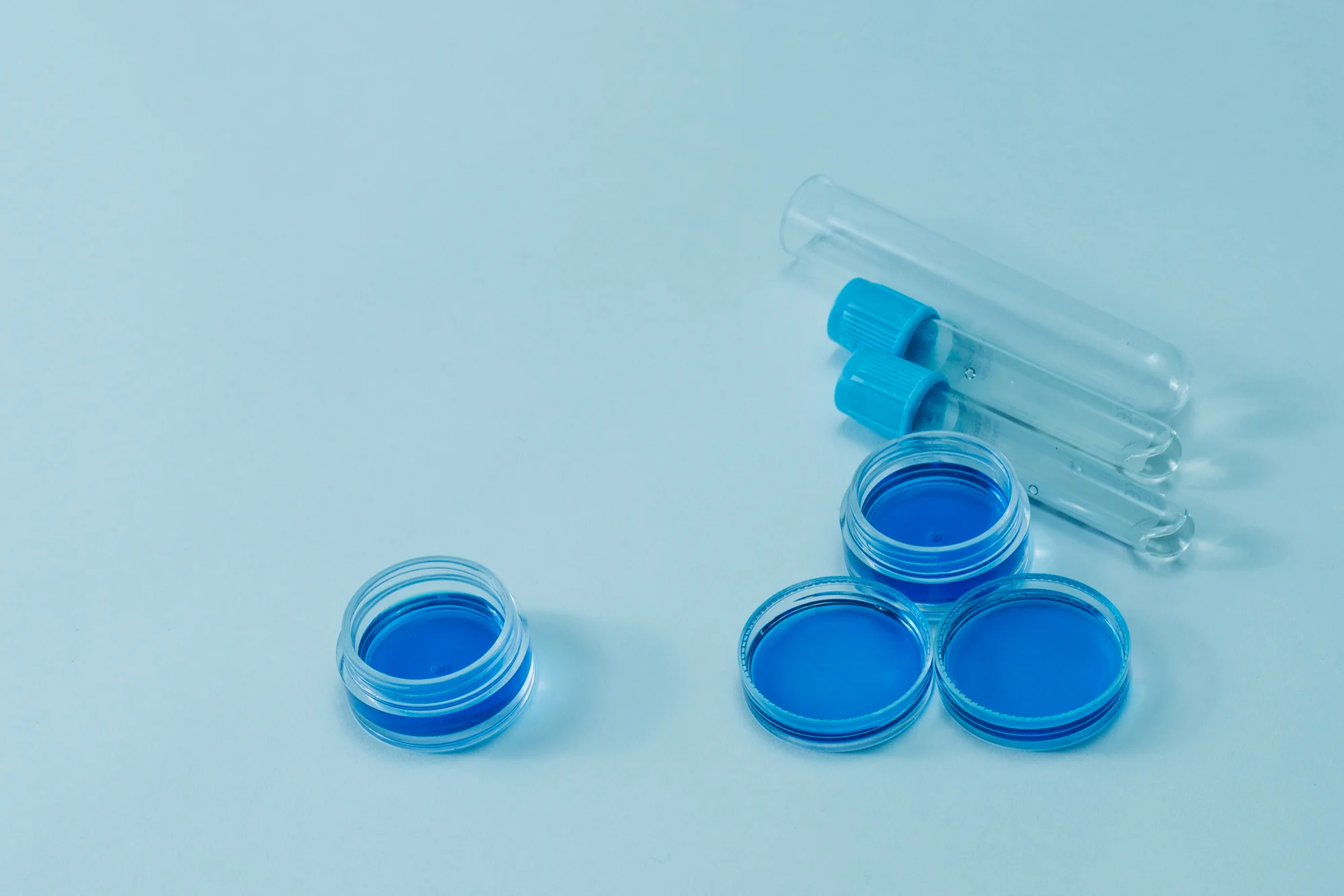
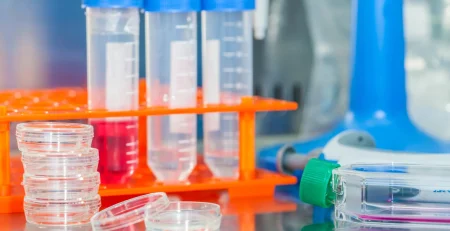
Contamination often sneaks in through everyday tools, especially plastic consumables. When lab plasticware is chosen, stored, and handled with care, it can support strong contamination control from sample collection right through to storage and disposal. When it is not, it quietly adds risk at every step.
Here, we look at why plasticware choice matters, how to build a low-contamination workflow, the habits that protect sterility, and what to think about when sourcing plasticware for Australian conditions.
Why Plasticware Choices Matter More Than You Think
All lab plasticware is not the same. Different polymers and additives behave differently when they meet acids, solvents, proteins, or nucleic acids. That behaviour can either protect your sample or quietly damage it.
Common plastics include:
- PP (polypropylene) for tubes, tips, vials
- PE (polyethylene) for bottles, wash bottles
- PS (polystyrene) for culture plates, some tubes
- PET (polyethylene terephthalate) for bottles and sample containers
- PTFE (polytetrafluoroethylene) for high chemical resistance needs
Each material has its own story. Some are more flexible, some handle heat better, some are more resistant to aggressive chemicals. Additives, like plasticisers or colourants, and the way items are manufactured can also affect leachables, surface binding, and sterility.
Wrong choices can create avoidable problems, for example:
- Adsorbing or binding analytes to the plastic wall
- Reacting with organic solvents or strong acids
- Protein binding that affects cell culture or enzyme activity
- Shedding microplastics or particles into sensitive assays
Glass still has an important role for certain solvents and high-temperature work, and it is reusable. Plasticware adds value with single-use sterility, lower breakage risk, and safer handling in busy labs. The trick is knowing which to use where.
It is also worth paying attention to certification. For many workflows, you will want plasticware that is clearly labelled as:
- DNase/RNase-free for molecular biology
- Pyrogen-free for sensitive biological samples
- PCR-compatible for nucleic acid work
- Cell-grade or tissue culture treated for culture work
These details help protect result integrity before you even pick up a pipette.
Building a Low-Contamination Workflow with Plasticware
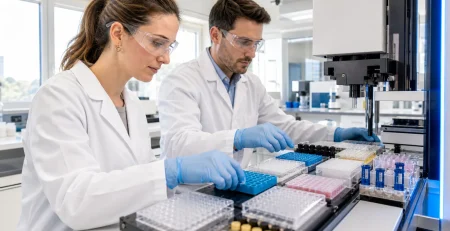
Contamination control is easier when you look at the whole workflow and decide where plasticware can lower risk. Think in stages: collection, preparation, analysis, and storage.
During sample collection and receipt:
- Use sterile, sealed containers that match the sample type
- Keep separate lines of containers for clinical, food, and industrial samples
- Apply clear, smudge-resistant labels as early as possible
In preparation, using single-use sterile tubes, pipette tips, reservoirs, and filter tips can cut bioburden and trace carryover. This is especially helpful in busy spring testing seasons for food safety, pathology, or environmental work, when throughput is high and the chance of slips rises.
Colour-coding can help too. For example:
- One colour of tubes for clinical samples
- Another for food or beverage samples
- A third for industrial or environmental materials
Dedicated plasticware lines reduce mix-ups and make it easier to train new staff and students.
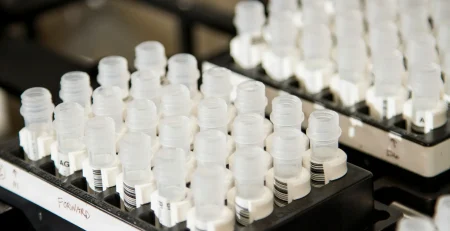
For storage, focus on sealing and labelling. Cryovials, microtubes, and bottles should:
- Close firmly without stressing the plastic
- Be compatible with your storage temperature
- Have labels that stay on in freezers or liquid nitrogen
Good sealing reduces environmental ingress, evaporation, and the dreaded unlabelled tube that no one wants to touch.
Best Practice Handling to Maximise Sterility Gains
Even the best plasticware will not save you if handling is sloppy. Simple, consistent habits make a big difference.
When opening sterile packs:
- Only open what you need for that session
- Avoid touching the inside of lids, tubes, or tips
- Keep packs away from splashes and aerosols
Work from clean to dirty. Set up your bench so that fresh plasticware and prepared media sit on one side, and used tips, tubes, and waste are on the other. Try not to pass used items over clean areas.
Common misuse to avoid:
- Reusing single-use plasticware, even if it looks clean
- Autoclaving items that are not rated as autoclavable
- Using scratched, warped, or discoloured plastics
- Storing consumables in areas that are dusty, humid, or in direct sun
Bench layout matters too. Where possible, separate:
- Clean preparation zones for media and reagents
- Sample processing areas where opening tubes and plates is common
- Waste and decontamination areas with bins and discard jars
Staff and student training is just as important as the physical setup. At the start of academic terms or seasonal staff onboarding, build in short refreshers on:
- Correct pack opening and pipette tip handling
- When to change tips or tubes
- How to handle spills and suspected contamination events
Small reminders, like posters or laminated quick guides near workstations, help keep good habits front of mind.
Choosing Reliable Plasticware for Australian Conditions
Australian conditions can be tough on plastics. Heat during transport or storage, long distances for regional deliveries, and changing humidity can all affect plastic integrity and packaging.
When choosing lab plasticware and suppliers, it helps to think about:
- How products are packed to protect against dust, moisture, and heat
- Batch traceability, so you can track any issues
- Documented sterility assurance levels where relevant
- Clear product data sheets that outline material, compatibility, and performance
Having dependable local stock also reduces the urge to accept last-minute substitutes that may not be appropriate for your assays. This is even more important as spring workloads rise in education, research projects, food production, and clinics.
As an online supplier based here in Australia, we see how seasonal peaks catch teams off guard. Aligning your ordering cycles with those busy patches helps you standardise on the right plasticware and avoid rushed changes that increase contamination risk.
Turn Better Plasticware Habits Into Everyday Practice
Contamination control is rarely about one big fix. It comes from many small, steady choices, repeated every day. Strategic selection of lab plasticware, paired with careful handling, can tidy up your data, cut reruns, and reduce stress across your team.
A simple checklist for this month could include:
- Audit where and how plasticware is used in your workflows
- Flag high-risk steps like sample transfer, aliquoting, and long-term storage
- Standardise product choices for key tasks, including colour-coding where helpful
- Refresh staff and student training on sterile technique and plasticware handling
At LabChoice Australia, we focus on lab glassware, plasticware, consumables, and equipment for education, research, medical, food, and industrial labs across the country. By paying attention to the plastics that touch your samples every day, you can turn contamination control from a scramble into a quiet, reliable habit that supports the quality of your work all year round.
Equip Your Lab With Reliable Plastics That Perform
Choose LabChoice Australia for dependable lab plasticware that supports accurate results and everyday efficiency. We source quality products so your team can focus on the science, not the consumables. If you need help selecting the right items for your workflow, simply contact us and we will walk you through the best options for your lab.