A laboratory desiccator in Australia plays a simple but important role: it helps keep air moisture away from things that shouldn’t get damp. In many labs, moisture doesn’t show up in obvious ways. But over time, it has a quiet effect. It can slowly change the quality of powders, spoil chemicals, or damage things with electrical parts.
Using a desiccator is one small step that helps us prevent those issues. Whether we’re storing an old sample or prepping a surface for testing, moisture control keeps things steady and consistent when we need it to.
What Does a Desiccator Actually Do?
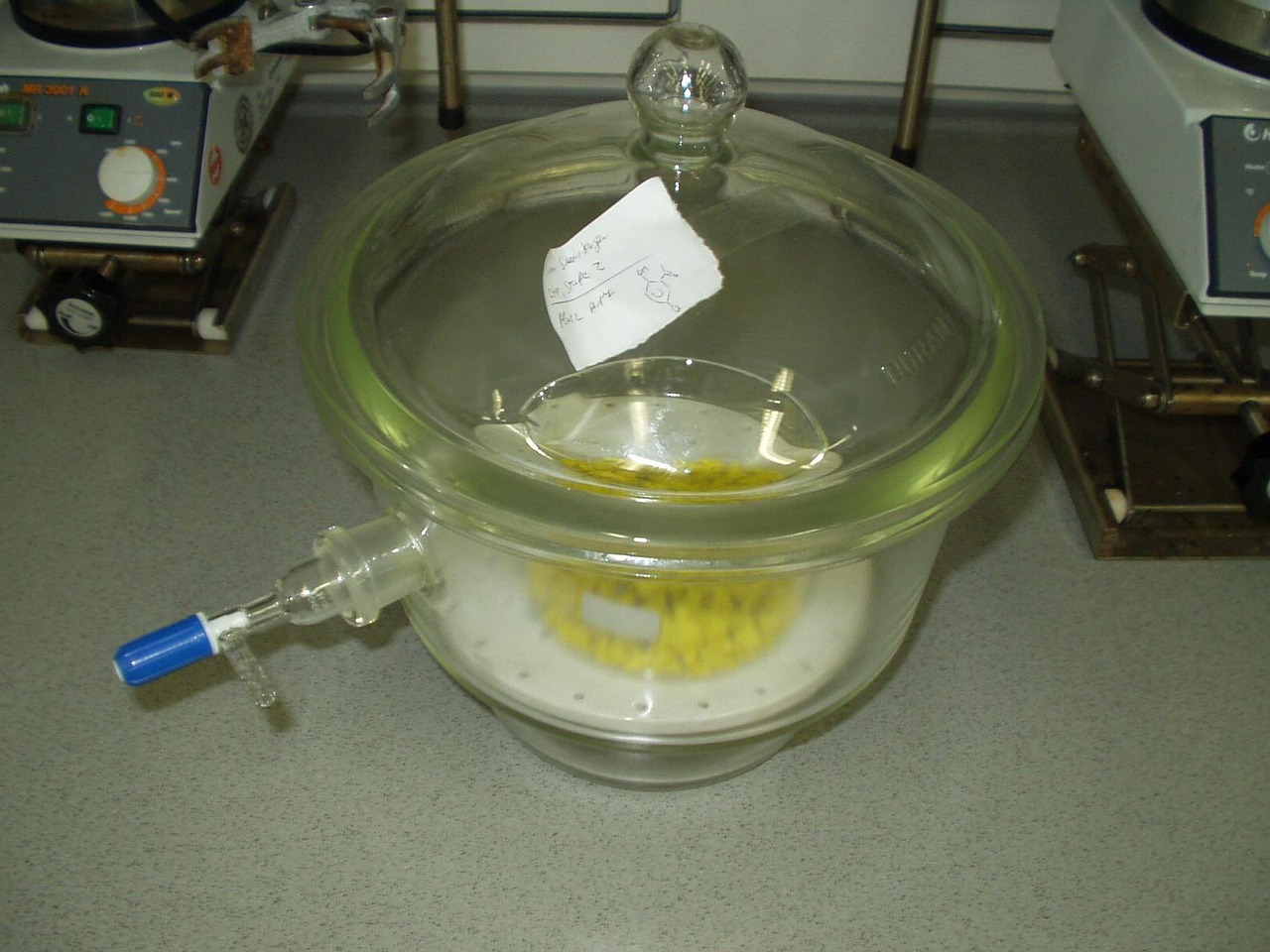
A desiccator is like a storage container that keeps moisture away from the things placed inside it. We use them to protect dry samples or delicate objects from the dampness in the air. It’s especially useful for powders, chemical reagents, and even some small electronics.
Each desiccator has three main parts:
- Lid, usually thick and airtight to trap dry air inside
- Base, where the items are placed
- Drying agent, usually a dish filled with silica gel or another drying material
When sealed, the drying agent slowly pulls moisture out of the air trapped inside. That lets us store things in a low-humidity spot without needing extra equipment. As long as the seal and the drying agent do their job, the inside air stays much drier than the room outside.
At LabChoice Australia, our range includes both glass and polypropylene laboratory desiccators for general and vacuum use, along with spare sealing rings and silica gel refills. Our products are chosen to withstand regular handling and meet the needs of busy labs, whether in schools or research facilities.
Common Types of Desiccators and When to Use Them
We don’t use the same desiccator for every job. Different types work better for different routines, space layouts, or sample needs.
1. Standard desiccators. These are often made of glass or plastic and use passive drying agents. They’re fine for general use in most conditions. We use these for powders, basic sample storage, or keeping things dry overnight.
2. Vacuum desiccators. These allow us to pull air out to create a vacuum. They remove more air moisture, faster. These are better when storing very sensitive samples or during chemical work where even a tiny bit of air could change the result.
3. Gas purge desiccators. These replace humid air with dry gas, like nitrogen. They keep a steady, dry environment over time. These are helpful for electronics, light-sensitive materials, or anything needing long-term, low-humidity storage.
Glass desiccators tend to seal tightly and are easier to clean, which makes them better for precise chemical or lab work. Plastic ones are lighter and harder to break, so we’re more likely to use them around student labs or anywhere we move gear often.
Where Moisture Control Matters Most in the Lab
Some jobs can handle a bit of air moisture without trouble, but others go off track quickly. We pay attention to moisture control in a few main areas:
- Sample storage, powders or dry chemicals can clump or break down if left in damp air
- At weighing stations, moisture can change how much a sample appears to weigh
- Chemical prep, reactions can go differently if there’s more water than planned in the air
- Electronics, circuit damage can start from slow damp buildup in the air
The setup of the lab also matters. For labs near beaches or in coastal regions of Australia, outside air can carry more water. That means our desiccators work a bit harder, and we check drying agents more often to keep storage safe and dry.
Keeping a Desiccator Working as It Should
Like anything we use often, a desiccator needs a bit of care to work properly. The seal, lid, and drying agent wear down little by little. If we don’t check them regularly, moisture might start creeping in without us realising.
Here’s what we look for:
- Check the drying agent. If the silica gel has changed colour or clumped up, it’s often a sign it’s full and needs replacing or drying out
- Inspect the lid and seal. A cracked or warped lid might not close fully, letting in humid air
- Watch for fog or wet marks. If we notice fog on the inside or damp samples, that usually means something’s leaking
- Smudged or softened labels. Label ink or stickers reacting to dampness is another quiet warning sign
To keep each laboratory desiccator in Australia working well, we make a habit of checking those signs weekly. It’s a small step that avoids bigger problems down the track.
Is Autumn a Good Time to Rethink Moisture Control?
Late March into April brings its own mix of weather changes. Some labs might notice cooler mornings and shifts in humidity, especially across the southern states. Even small changes in air moisture can start affecting what we’ve got stored away.
Autumn is one of the better times for checking how well we’re keeping things dry. We like to go over our shelves and storage areas and ask:
- Are moisture-sensitive powders or chemicals still sealed properly?
- Should we refill or replace drying agents before larger shifts in weather?
- Is there any gear that’s been left sitting out too long?
By making small checks now, we help prevent spoilage, clumping, or surface corrosion before the wetter winter months arrive. This time of year, we think of it like freshening up the lab’s storage areas while the weather’s still in between seasons.
Staying Prepared for the Unexpected
We’ve seen how moisture can quietly change results or damage materials over time. Timing might feel like it’s on our side one week, then damp air sets in and throws everything off.
That’s why having the right desiccator setup matters. It’s not about waiting until a problem shows up. It’s about keeping things steady and simple, day after day. Moisture control doesn’t need to be complicated. With the right habits, we can avoid the stress of spoiled stock, thrown-out samples, or broken equipment.
Staying ahead means checking what we’re storing, keeping gear sealed properly, and using desiccators where it really helps. That way, the lab stays dry, steady, and ready for whatever the season brings.
Ensure your lab is always prepared for any season with effective moisture control solutions. Investing in the right laboratory desiccator in Australia can protect your samples and equipment from unwanted dampness and ensure consistent results.
LabChoice Australia offers a variety of desiccators that fit your specific needs, whether you’re safeguarding delicate electronics or preserving chemical reagents. Let us help you keep your lab in perfect condition year-round. Reach out to our team for expert guidance today.