Cut Costly Errors with the Right Pipette Tips
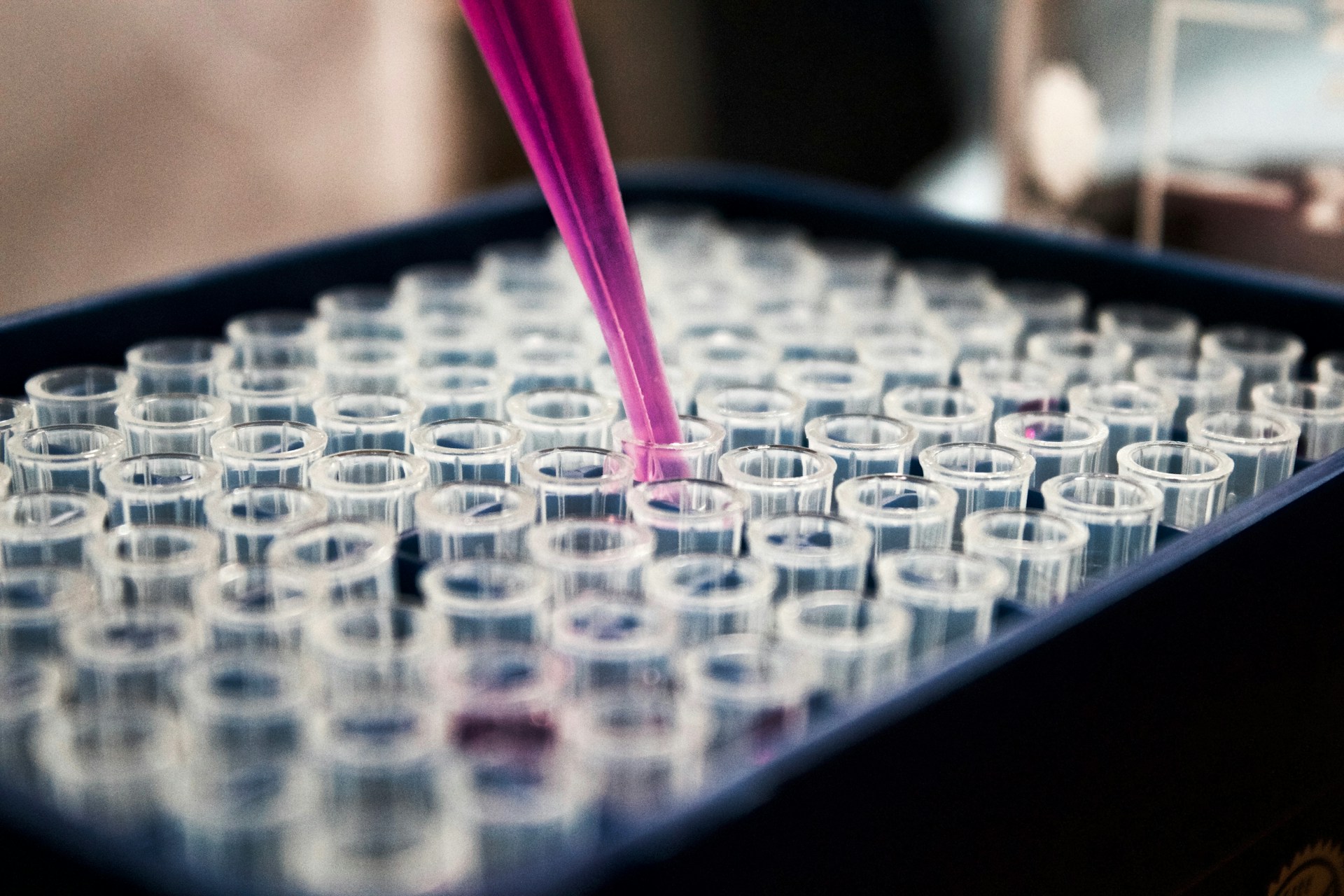
Accurate pipetting sits behind almost every good lab result. If your volumes are off or your samples are dirty, even the best method will struggle. That is why the humble pipette tip deserves more attention, especially when work ramps up in winter and every run counts.
The wrong tip can bend, leak or not seal well. It can grab your sample, splash aerosols into the pipette body or shed tiny contaminants into your tubes. That can mean failed controls, strange peaks, dirty blanks and, in the worst case, a full batch repeat.
Choosing laboratory-grade pipette tips is a fast, simple way to lift reproducibility and support compliance, from teaching labs to high-stakes pharma and food testing. When June rolls around and workloads grow with winter respiratory checks and extra food microbiology work, good tips help keep things calm at the bench.
At LabChoice Australia, we see this across education, research, food, pharmaceutical and industrial labs around the country. Reliable, consistent tips give everyone a better shot at clean, repeatable data, even on the busiest days.
What Makes a Pipette Tip Laboratory-Grade
Laboratory-grade pipette tips are made for reliable, everyday lab use. They are not the same as generic or non-certified tips that you might find mixed in a parts box or on a general supplies shelf.
Key quality features usually include:
- Virgin polypropylene, not recycled plastic
- Low extractables that are less likely to leach into your samples
- Smooth internal surfaces that reduce droplet hang-up
- Tight mould tolerances so volumes are consistent tip to tip
- A snug fit with common pipette brands used in local labs
Purity is just as important as plastic quality. For sensitive work, you generally want tips that are certified free from DNase, RNase, human DNA, endotoxin and PCR inhibitors. Good tips come with batch-specific certificates so you know exactly what level of cleanliness you are working with.
These factors matter all year, but they matter more when the stakes are higher. In winter, food labs run more microbiology checks as storage conditions change. Research and clinical labs often see more respiratory work, from basic virology to molecular panels. In those settings, one tiny contaminant can throw out a full run, and one bad batch of tips can cause a string of confusing results.
Matching Pipette Tips to Your Application
Not every lab needs the same level of protection, so it helps to match tip type to what you are doing at the bench.
For routine teaching labs, standard tips are often fine. Students mainly need reliable fit, clear volume ranges and tough tips that can handle a bit of rough handling. In analytical chemistry labs, you may care more about low extractables and precise geometry so standards and controls stay tight.
For molecular biology and microbiology, the priority shifts again. Here, many labs prefer:
- Filter tips for PCR set-up and aerosol-prone tasks
- Sterile tips for culture work and plating
- Low-retention tips for enzymes, nucleic acids and proteins
Pharmaceutical QC and industrial labs often run a mix of these tasks, plus stability and content tests. They might use standard tips for buffers and diluents, and reserve sterile filter tips for high-risk or regulatory assays.
It also helps to think about volume and format:
- Small volume tips for microlitre DNA and RNA work
- Medium volume tips for everyday buffers and reagents
- Large volume tips for culture media, stock solutions and cleaning steps
- Single-channel tips for flexible, one-off work
- Multichannel-compatible tips for plates and routine screening
- Tips suited to electronic pipettes when higher throughput is needed
June workloads give some clear examples. Flu and respiratory panels normally benefit from sterile filter tips, especially during plate set-up and master mix prep. Winter food safety testing often uses sterile tips for enrichment and plating steps. Stability studies in pharma may lean on standard or low-retention tips, depending on whether the formulations are viscous or contain sticky components.
Design Features That Protect Your Results
Good design starts at the orifice and runs through the whole tip. The shape, taper and length all affect accuracy and ease of use.
A narrow orifice can reduce dripping and improve delivery of small volumes. A smooth, even taper helps liquids flow consistently, which is important when you are matching pipette readings to gravimetric checks. Longer tips can reach into deep-well plates, 15 mL or 50 mL tubes and awkward sample containers without bumping the sides.
Filter technology is another key layer of protection. Barrier tips sit between the sample and the pipette body. They:
- Reduce aerosol carryover from one sample to the next
- Help protect the pipette internals from contamination
- Cut the risk of false positives in PCR and other sensitive assays
Ergonomics might not sound like a big deal until you are on your tenth plate of the morning. A good tip should:
- Seal firmly without needing to slam the pipette down
- Sit straight on the cone with minimal wobble
- Eject smoothly with low force to reduce strain
During high-throughput winter testing, when staff are often pipetting for long stretches, that difference can matter for comfort and consistency.
Packaging formats also play a role. Racked tips are easy to handle and reduce direct contact. Reload systems keep plastic use down while still giving tidy racks. Bulk tips may suit some teaching or industrial settings, as long as they are handled in a clean way. The right format helps you keep tips protected from open-air contamination and speeds up daily workflows.
Ensuring Tip Quality From Carton to Bench
Even the best tips on paper need checks when they arrive in the lab. Before you add a new tip line into your main workflow, it helps to confirm what you are getting.
Useful details to look for in supplier documents include:
- Batch numbers and clear labelling
- Certificates of analysis
- Statements on sterility and what methods were used
- References to any relevant ISO standards
A quick in-lab check can catch problems early. Many teams will:
- Inspect tips under normal lab light for flashing, cracks or warping
- Test fit on the main pipette brands in the lab
- Run basic gravimetric checks where possible for key volume ranges
Storage and handling matter too, especially in cooler, drier winter months in many parts of Australia. Keep tips closed when not in use so dust does not settle on them. Avoid leaving racks right next to heaters or in direct sun. Try to store them away from sources of condensation or large swings in temperature.
Using one consistent supplier for laboratory-grade pipette tips across multiple sites or campuses can also make life simpler. It helps standardise training, QC checks and documentation, which is handy for audits and internal quality reviews.
How to Choose Reliable Tips From LabChoice Australia
When you are ready to tighten up tip selection, a simple decision path can help. Start by thinking about risk level. Is the work low risk, like basic teaching or simple buffer prep, or high risk, like clinical PCR or pharma batch release?
Then work through these choices:
- Sterile vs non-sterile, based on contamination sensitivity
- Filter vs non-filter, based on aerosol risk
- Standard vs low-retention, based on sample stickiness and value
Some starter combinations many Australian labs find useful include:
- Secondary and tertiary education labs, standard non-sterile tips in common volume ranges, plus a smaller stock of sterile tips for microbiology classes
- Food and beverage testing labs, sterile standard tips for plating and enrichment, with sterile filter tips for molecular screens
- Research institutes, a mix of low-retention and filter tips for molecular and cell work, and standard tips for buffers and general prep
- Pharma and industrial QC labs, certified sterile filter tips for regulated assays, along with standard tips for routine measurements and cleaning steps
A mid-year stock review in June can be a good habit. It is a chance to retire mixed, ageing or unlabelled tip stocks and bring in consistent, laboratory-grade pipette tips that match your current workloads. As an online laboratory supplier based in Australia, we support education, research, food, pharmaceutical and industrial labs with reliable pipette tips and other everyday lab essentials that help keep results steady when it matters most.
Upgrade Your Lab Accuracy With Reliable Pipette Tips Today
Choose precision and consistency for your next experiment with our laboratory-grade pipette tips, carefully selected to meet demanding Australian lab standards. At LabChoice Australia, we help you match the right consumables to your workflows so you can minimise error and reduce wastage. If you would like tailored product advice or volume pricing, simply contact us and we will help you find the best fit for your lab.