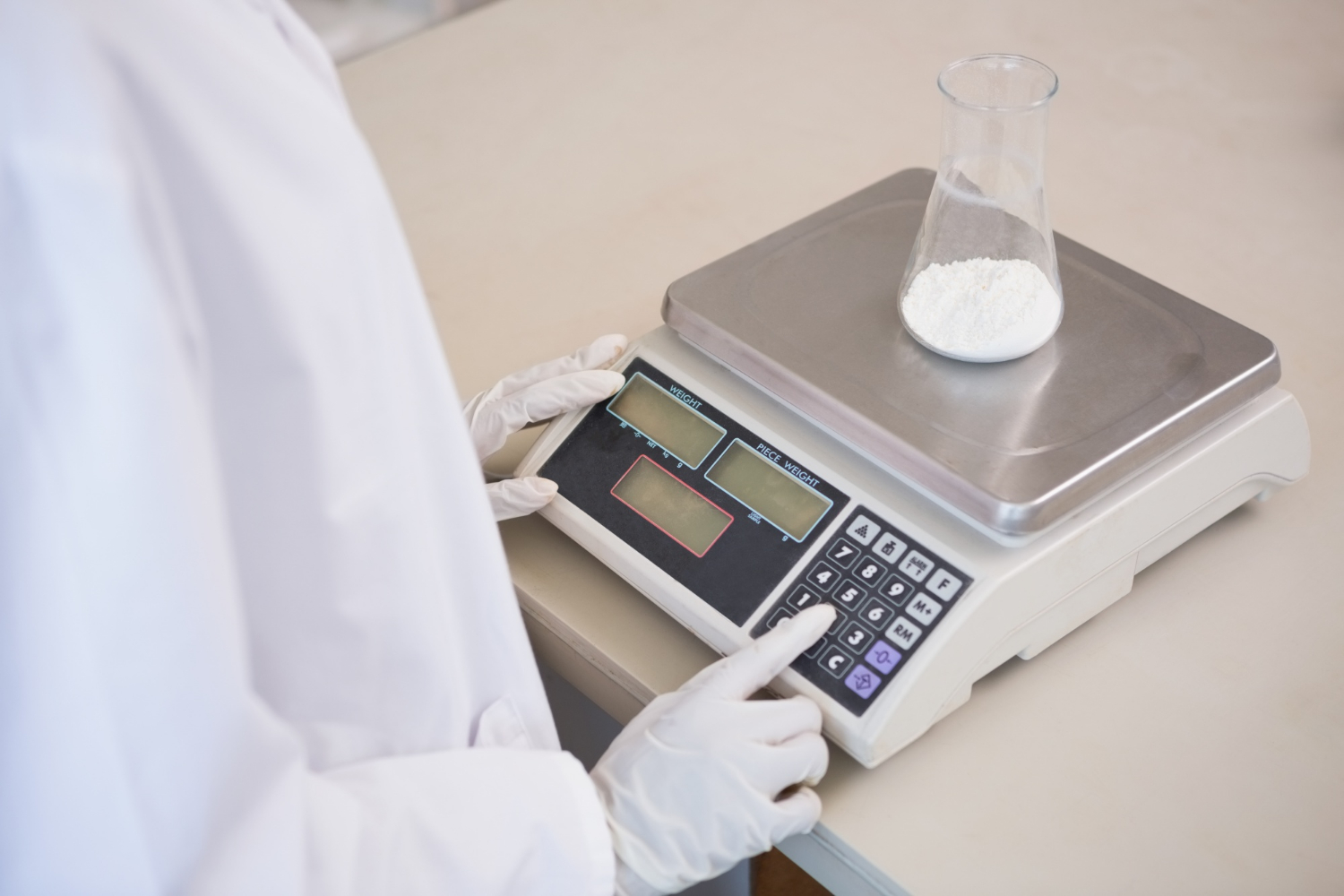
Audit season puts a lot of weight on every single result. When June rolls around and financial and compliance reviews kick off, labs in education, food testing, pharma and research all feel the same pressure: can we prove our data is correct? A precision laboratory weighing balance is one of the first places auditors look, because so many test results start with a simple mass measurement.
In this guide, we walk through what makes a balance truly audit-ready, how to set it up, how to use it day to day, and how to keep your weighing process clean, traceable and ready for questions. Our goal is to help you move from “we hope it is fine” to “we can show you exactly how we got that number”.
Building Audit Confidence with Every Weighing Result
During mid-year reviews, auditors are not only checking numbers in a report. They want to see how those numbers were made in the lab. If your weighing process looks messy or hard to follow, it can raise red flags fast.
A precision laboratory weighing balance helps you demonstrate that your data is accurate (so results are close to the true value), repeatable (so the same sample gives the same reading), traceable (so you can follow each result back to a person, a method and a check) and in line with Australian and international expectations for quality systems.
When balances are chosen well and cared for, they support clean records, clear audit trails and confident sign-offs across teaching labs, food and beverage testing, pharmaceutical work and research projects.
What Makes a Balance Truly Audit Ready
Audit-ready is not just a nice label. In practice it means your weighing results can be traced, checked and explained without stress. A balance that supports this will sit neatly inside your lab’s SOPs and quality systems such as NATA aligned methods, ISO/IEC 17025 systems or GLP style documentation.
Key performance points to match to your work include:
- Readability that fits your methods, for example 0.001 g or finer when needed
- Capacity that covers your heaviest routine samples plus containers
- Linearity, so readings are correct across the full range
- Repeatability and stability in real lab conditions, not just in a brochure
To support compliance and reduce manual errors, many labs look for balances with:
- Internal calibration or clear prompts for external calibration
- Audit trails that log changes, calibrations and settings
- User access control so only trained staff can change key parameters
- Date and time stamps on results
- Output that can connect to LIMS, printers or data capture tools
Together, these capabilities make it much easier to answer the classic audit question: “How do you know this result is right?”
Practical Setup Strategies for Reliable Weighing Data
Even the best precision laboratory weighing balance will give poor results if it is sitting in the wrong spot. Good setup is simple, but it does take some planning. When you choose a location and build a routine around it, you reduce the everyday sources of drift and inconsistency that auditors often spot.
When choosing a site, aim for:
- A stable, level bench or anti-vibration table
- Distance from doors, windows, air conditioners and centrifuges
- Shade from direct sun and away from heaters
- Low foot traffic to avoid bumps and drafts
Draft shields are helpful for lighter samples, especially in open-plan labs or teaching spaces. Once the balance is in place, day-to-day best practices also matter because they prevent small errors from becoming a pattern over weeks or months.
Follow these day-to-day habits:
- Allow warm-up time after switching on or after power cuts
- Check the level bubble and adjust the feet if needed
- Zero or tare before weighing
- Use clean, dry containers that do not flex
- Let samples reach room temperature when possible
Routine checks with certified test weights give you quick feedback on performance, but auditors also care about how you document what you do. In other words, it’s not only about doing the right checks, it’s about being able to show them quickly and clearly.
Auditors like to see:
- Daily balance check logs with initials and dates
- Clear notes for any deviations or out-of-tolerance results
- Labels on balances showing ID, last calibration date and next due
- SOPs that match real practice, not a dusty folder nobody follows
Calibration, Verification and Traceability Made Easy
There is often confusion between calibration, adjustment and verification. Keeping them straight helps your records make sense during a review, because each term describes a different activity and a different type of evidence.
- Calibration compares the balance readings to reference weights and reports the difference
- Adjustment is the act of changing the balance so it reads closer to the reference
- Routine verification is your ongoing check that the balance still behaves as expected in daily use
A sensible schedule depends on how critical the results are, how often the balance is used and how stable the room conditions are. High impact tests may need more frequent checks, plus extra verification in the lead-up to mid-year audits.
Traceability rests on good reference weights and records. If you can show that your reference standards are appropriate and current, then your mass results are much easier to defend.
Make sure:
- Test weights are suitable for the class of balance
- Weights have current calibration certificates traceable to recognised standards
- Certificates, service reports and check logs are stored in a place where staff can find them quickly
When an auditor asks for proof, having this paperwork ready shows that your mass measurements are not guesswork.
Preventing Common Weighing Errors Before Auditors Find Them
Most weighing problems are simple, human and avoidable. The trick is to spot them before someone from outside does, especially during busy periods when shortcuts and small lapses are more likely.
Common issues include:
- Users who skip steps because they are rushed or not trained
- Dirty pans, spilled powders and sticky residues
- Wrong taring, such as forgetting to re-tare after changing containers
- Static from plastic containers or dry winter air
- Temperature effects when cold or warm samples sit on the pan
These issues are usually best addressed with a combination of training, housekeeping, and clear “what happens next” rules when something goes wrong. That way, staff do not have to improvise under pressure and your records stay consistent.
Practical steps to reduce trouble:
- Run quick training refreshers before busy audit periods
- Set simple cleaning routines at the end of each day
- Use anti-static tools or glass containers where static is a risk
- Keep a clear rule about what to do if a check fails, such as quarantining results after the last good check and alerting QA
A short self-audit of your weighing process can be powerful. Watch how people actually work at the balance and compare that to the SOP. Gaps here are often where nonconformances start.
Choosing the Right Balance Partner for Your Laboratory
Different sectors have different needs. A school lab might need durable, easy to use balances for students. A food testing lab may focus on moisture loss or formulation checks. Pharmaceutical and research labs often need finer readability, stronger documentation support and closer alignment with formal quality systems.
When picking new balances, it helps to think beyond the basic specs. The goal is to choose equipment that not only meets method requirements, but is also easy to support, maintain and defend during audits.
It helps to look at:
- Durability in real lab use, including spills and frequent cleaning
- Local service and warranty support in Australia so downtime is reduced
- Availability of accessories like draft shields, printers and calibration weights
- Clear, practical documentation that supports audits and staff training
Having a specialist supplier who understands common lab workflows across education, food testing, pharma and research means you do not have to work it all out alone. They can help match balance features, labware and consumables with the level of control and traceability your audits expect.
Equip Your Lab With Reliable Precision Today
If you are ready to improve accuracy and consistency in your measurements, we can help you choose the right precision laboratory weighing balance for your workflow. At LabChoice Australia, we focus on practical, robust solutions that support repeatable results in real lab environments. Talk to our team about your specific application and compliance needs, and we will recommend options that fit your budget and standards. If you would like tailored advice before you buy, simply contact us and we will respond promptly.