Smarter Heating Choices for Busy Australian Labs
Choosing a digital laboratory hotplate for a mixed-use lab can feel harder than it should be. Teaching classes, food testing, research projects and QC work often share the same benches, and people expect the same hotplate to handle all of it safely. When the unit is not quite right, you get uneven heating, slow practicals, frustrated users and extra safety worries.
A digital laboratory hotplate gives us precise, repeatable heating with clear controls instead of guesswork. That matters for safety, for meeting procedures, and for keeping results consistent across different users and different sites. Around July and August, when uni workloads spike, winter air cools lab rooms and planning starts for spring research, it is a smart time to check if our hotplates are still up to the task. In this article, we walk through key features, how they link to real lab workflows and what to think about when choosing a small standard set of hotplates that can work across education, research, industry, food and medical labs in Australia.
Understanding Digital Laboratory Hotplate Essentials
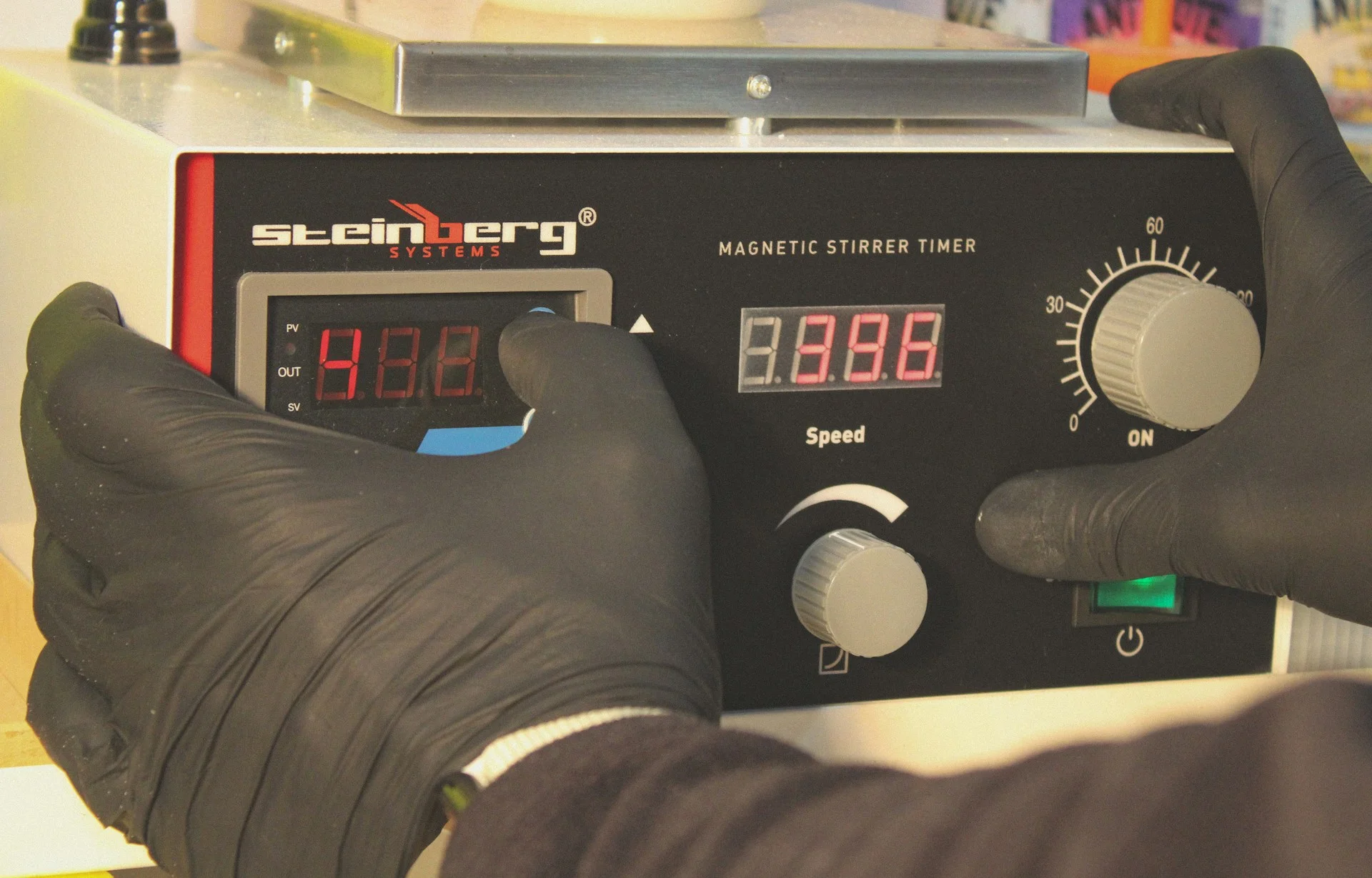
A digital laboratory hotplate is simply a hotplate where temperature is set and shown on a digital screen, often controlled by PID logic. Compared with old analogue knobs, the digital approach helps keep the plate temperature steady, even when room conditions shift or the load on the plate changes. Some models let us store programs, like fixed heat steps or time-based ramps, which is handy in shared spaces.
Key metrics to pay attention to include:
- Surface temperature vs solution temperature
- Temperature range and stability
- Ramp rates, or how quickly the unit heats up
- Readability of the digital display
The temperature the plate surface reaches is not always the same as the temperature inside the liquid. A digital readout reduces guesswork, but for more sensitive work we may also use external probes and set-point control. Clear displays help when different users are moving between benches or when students are learning to match set temperatures to protocol steps.
Plate material is another big choice. Common options include:
- Ceramic plates, which are very chemically resistant and easy to wipe clean
- Aluminium plates, which spread heat quickly and evenly across the surface
- Coated steel plates, which offer strength and can suit heavier loads
In busy teaching or QC labs, easy cleaning after spills and splashes is a real benefit. Chemical resistance matters when acids, bases or solvents are used all day. Capacity is not just plate size, it is also maximum load and how the plate handles big flasks, beakers or metal baths. Mixed-use labs often rely on sizes that work well for common glassware from 250 mL to 2 L flasks, as well as selected plasticware that can safely handle the temperatures involved.
Matching Hotplate Features to Mixed-Use Lab Workflows
Australian mixed-use labs often use the same digital laboratory hotplate for a string of jobs in a single day. Typical tasks include:
- Sample prep for food, water and soil testing
- Media preparation and buffer warming
- Dissolving reagents and powders
- Gentle evaporation or concentration
- Teaching demonstrations in large classes
Matching specs to tasks starts with maximum temperature and control accuracy. For gentle warming and media prep, a moderate temperature range with tight stability is usually enough. For more demanding chemical work or evaporation, higher top temperatures and faster ramp rates can save bench time. When we need uniform solutions, or when solids tend to settle, a hotplate with integrated stirring becomes very useful.
Shared labs bring extra wrinkles. Users have different skill levels, people move between labs and protocols change each semester. That is where intuitive controls, simple buttons and clear icons matter. A bright, easy-to-read digital display helps someone walking past quickly confirm if a plate is on, what temperature is set and whether the unit is still hot.
Winter conditions in many Australian labs add another layer. Cooler ambient air and draughty rooms can slow heating and make it harder to keep stable temperatures. When choosing units for winter-heavy workloads, we should look for:
- Enough power to reach and hold set-points in cooler rooms
- Reliable control even when the bench is near open doors or vents
- Optional external probes when solution temperature matters more than plate temperature
Safety, Compliance and User Training Considerations
In a mixed-use space, safety features are just as important as performance. Good digital laboratory hotplates for shared labs will usually include:
- Over-temperature protection that cuts heating if limits are passed
- Safety cut-outs if the unit senses a fault
- Residual heat indicators that stay on while the plate surface is hot
- Lockable controls or key combinations that prevent accidental changes
These features support broader WHS policies, including chemical safety, electrical checks and spill management. Plate materials and seals should handle the common reagents on site, and designs that channel spills away from controls reduce risk during busy sessions.
Shared equipment comes with well-known risks. People can leave samples unattended, choose the wrong vessel, overheat viscous mixtures or place flammable solvents in unsafe setups. Digital control can help reduce these risks through:
- Set temperature limits for particular tasks
- Timers or auto-off functions where suitable
- Clear alarms when temperatures stray from the set-point
Even with smart devices, training and simple SOPs make the biggest difference. It helps to set:
- Standard temperature ranges for common jobs, like media warming or gentle evaporation
- Labelling on or near the hotplate showing safe vessel types and maximum flask sizes
- Cleaning routines so spills are handled promptly and surfaces stay in good condition
- Sign-off or brief induction for new students and staff before they use shared hotplates on their own
Budget, Durability and Standardising Across Sites
Digital laboratory hotplates come with different feature sets. At the simpler end, models offer basic digital control, stable heating and clear displays. As we move to more advanced units, we might gain integrated stirring, programmable steps or interfaces for external probes and sensors. The right choice depends on how much programming flexibility the lab really uses versus how much value there is in a simple, repeatable setup.
Durability is key for Australian conditions, especially in high-use teaching and industrial labs. Helpful features include:
- Tough outer casings that handle knocks and frequent moves
- Chemically resistant plates and seals for daily splash exposure
- Good access for servicing and maintenance
- Readily available replacement parts and accessories
Standardising models across teaching labs or across multiple sites makes life easier. When everyone uses the same type of digital laboratory hotplate, we get:
- Simpler training and handover between staff and students
- Fewer user errors caused by different button layouts
- Consistent performance for shared protocols
- Streamlined purchasing for accessories like probes and stands
Total cost of ownership is not just the purchase price. Good temperature control means less rework from poorly heated samples, which saves time and materials. Energy-efficient units can reduce power use during long heat holds. Reliable hotplates also cut downtime during busy semesters and peak testing runs, when a failed unit can cause serious scheduling headaches.
How LabChoice Australia Supports Confident Hotplate Selection
Before the end-of-year rush and exam season arrive, it is worth taking stock of the heating gear already on the benches. Many labs find a mix of older analogue plates and newer digital models, with very different behaviour between rooms. Spotting ageing units, slow warm-up times and inconsistent performance helps shape a plan to standardise and modernise.
At LabChoice Australia, we focus on helping education, research, industry, food, pharma and medical labs choose digital laboratory hotplates that fit how they actually work, not just what looks good on paper. By thinking through application needs, user experience, safety requirements and local conditions, we can build a small, sensible set of hotplate types that cover mixed-use needs, support easier training and keep heating reliable through winter workloads and into the busy spring research period.
Upgrade Your Lab Workflow With Reliable Heating Control
If you are ready to improve accuracy and safety in your experiments, our digital laboratory hotplate range is designed to support consistent, repeatable results. At LabChoice Australia, we help you match the right model to your applications so you can focus on the science, not the equipment. For tailored advice on specifications, compliance or bulk orders, simply contact us and we will help you choose with confidence.