Smarter Plastic Choices for Faster, Safer Lab Work
Lab plasticware is not just background clutter on the bench. The tubes, tips, plates, and bottles we grab all day quietly shape safety, speed and data quality. When teaching blocks ramp up and research projects kick into high gear, small choices about plastic can make the whole lab feel either smooth or chaotic.
As spring hits across Australia, many education, research, medical, food and industrial labs see fresh cohorts, new methods and longer sample lists. This is the perfect moment to step back and ask: are our plasticware choices helping, or getting in the way? Rethinking a few standard items now can reduce spills, cut pipetting errors and protect samples when the workload spikes.
For a long time, glass had pride of place. Glass is still great for certain tasks, but modern labs now mix glass and plastics on purpose. The right plastics can improve safety, support reproducible methods and speed up routine work. In this guide, we will walk through how to choose and standardise lab plasticware so it fits your methods, quality rules and real-world workflows across Australian labs.
Matching Plastic Materials to Your Methods
Not all plastic is the same. Each type has strengths and limits that matter once you start adding heat, solvents or biological samples. A quick material check before you order can save a lot of cracked tubes and failed runs.
Here are some common plastics you see in lab plasticware:
- PP (polypropylene): Good chemical resistance, handles many buffers, acids and bases, often suitable for autoclaving, and flexible enough for snap caps and microtubes.
- PE (polyethylene): Often used for wash bottles and containers, good with many solutions but usually lower temperature resistance than PP.
- PS (polystyrene): Very clear, handy for visual checks and many cell culture plates, but more brittle and not suited to strong solvents or high heat.
- PTFE: Very high chemical resistance, great for aggressive solvents and strong acids, often used in stir bars, seals and fittings.
- PC (polycarbonate): Tough and clear, often used for reusable bottles and some centrifuge ware, but can be sensitive to certain solvents.
Method-first thinking helps you match plasticware to what you actually run at the bench:
- Strong organic solvents can swell or crack the wrong plastic, so check compatibility before pairing solvent-heavy work with tubes, vials or filters.
- Concentrated acids and bases need plastics that will not leach or weaken under extended contact.
- Biological samples, like serum or cell lysates, may bind to some surfaces, so low-binding plastics can protect yields.
For medical, food and industrial labs, it is not just about what “seems fine”. Quality and regulatory systems often expect:
- Clear material information and documentation
- Batch traceability
- Consistent behaviour across lots, to support NATA accreditation or internal QA checks
Product filters and technical datasheets are your friends here. Matching plastic type, sterility and certification to your SOPs before the end-of-year rush means less scrambling mid-semester when something does not behave as expected. At LabChoice Australia, we focus on giving enough detail so you can line up plasticware with methods instead of guessing at the bench.
Optimising Daily Workflows with the Right Plasticware
Smart plasticware choices can quietly shave minutes off common tasks. When you repeat those tasks hundreds of times a week, those minutes add up.
Think about small upgrades like:
- Low-retention pipette tips that help liquids slide out cleanly, cutting pipetting errors and re-dos
- Tubes with crisp, easy-to-read graduations so you can check volumes at a glance
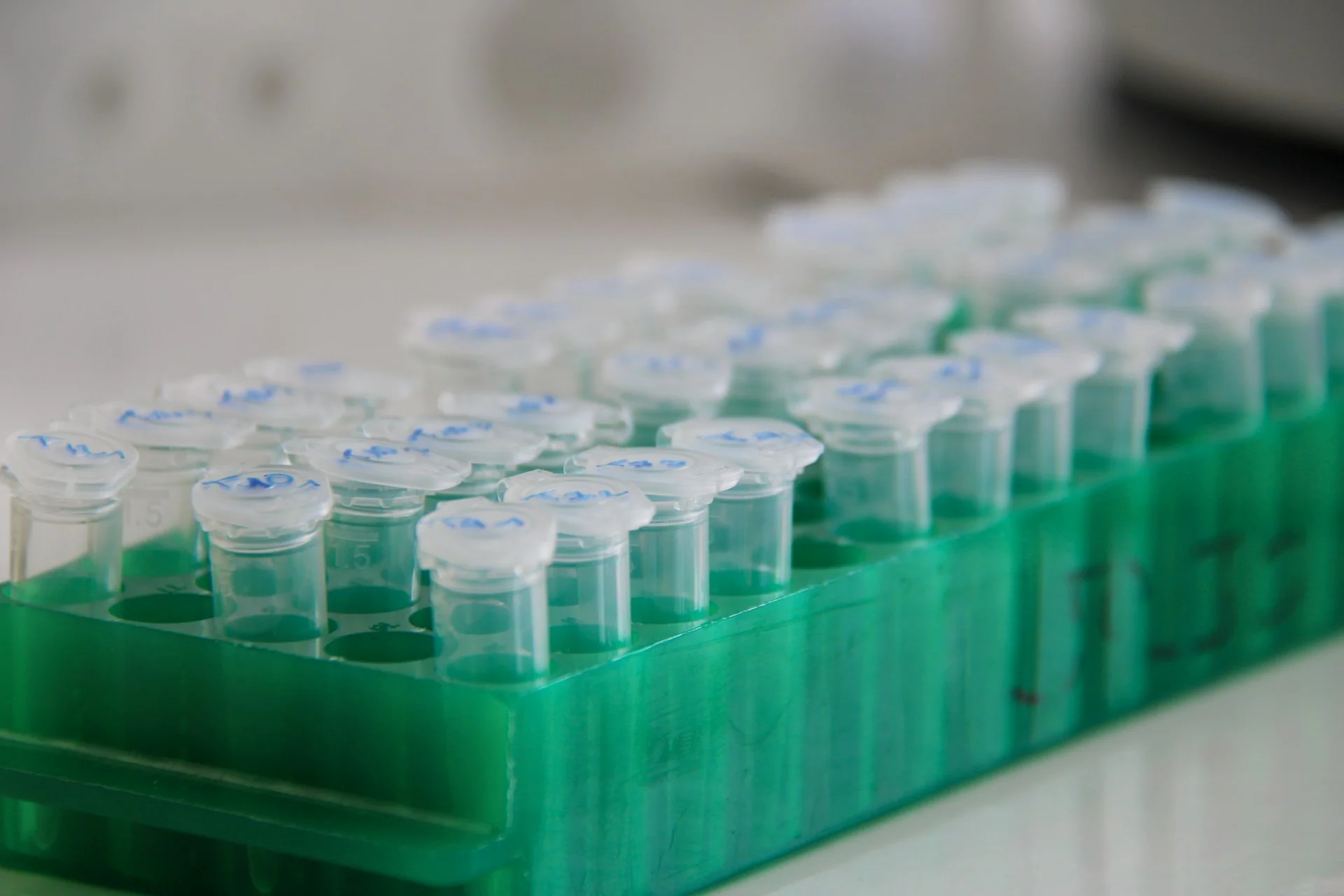
- Leak-proof closures that stay shut in centrifuges, freezers and transport, so you do not need to remake samples after spills
Ergonomics also matters, especially in teaching labs or high-throughput work:
- Racked tips make it faster for students and new staff to see what they are doing and keep tips clean
- Bulk tips can work well where you have trained staff and tight storage, but may slow things during busy practicals
- Stackable boxes and containers help reclaim space in crowded cold rooms and incubators
- Colour-coded caps, racks or strips make it easier to track different classes, runs or sample types at speed
Compatibility with your equipment is another big piece. Before projects ramp up, it is worth confirming:
- Plate formats match your readers, washers or robots
- Tube volumes and shapes fit your centrifuge rotors and adapters
- Connectors and fittings line up with filtration or chromatography systems
When teams across different rooms or campuses all use the same set of SKUs, life gets simpler. Ordering is cleaner, you are less likely to run out of a key tip or tube, and training new students or staff becomes easier because everyone is using the same gear in the same way.
Sterility, Contamination Control, and Sample Integrity
Sterile vs non-sterile plasticware is not just a price or packaging choice; it is a method choice.
Sterile plasticware is typically needed for:
- Cell culture work
- Molecular biology, including PCR and sequencing prep
- Clinical testing and other diagnostic workflows
Non-sterile items are often fine for:
- General teaching labs
- Routine QC tests where sterility is not a method requirement
- Many industrial and food tests once items are cleaned or treated according to SOPs
Plasticware can be a hidden source of contamination if it is not chosen or handled well. Common concerns include:
- DNase and RNase for nucleic acid work
- Endotoxin and bioburden for cell and clinical samples
- PCR inhibitors that can lurk in some plastics or additives
- Particulates that can affect microscopy, flow or filtration
Reusing single-use items beyond their design limits can lead to warping, microcracks and trapped residues. That can slowly feed noise into sensitive assays. Best practice usually means:
- Certified sterile plasticware for critical assays
- Low-binding plastics for protein, antibody and DNA work to reduce loss on tube walls
- Clear labelling with solvent, sample type, date and operator
- Storage systems that keep tubes upright, sealed and easy to find
As the weather warms up, contamination risk can rise in incubators, fridges and storage rooms. This is a good time to refresh plasticware stocks, review handling steps and standardise which items are used for which assays.
Sustainability and Cost Control in Plastic-Heavy Labs
Many labs feel pulled between the need for clean, single-use plasticware and growing sustainability goals. While we cannot remove plastics from lab life, we can make smarter choices about how we use them.
Helpful strategies include:
- Choosing durable, reusable plastics where validated by your methods and QA rules
- Matching tube size to aliquot volume, so you are not throwing out half-empty tubes
- Using multiwell plates rather than many single tubes when it suits the assay
- Consolidating orders to reduce packaging waste and delivery frequency
Thoughtful standardisation also helps with both waste and budget control. When the lab agrees on a core set of tips, tubes, plates and containers:
- You buy fewer odd items that sit unused on shelves
- There are fewer emergency orders caused by everyone using different consumables
- Less stock expires at the back of drawers
- Training and method development waste drop, because you are not testing many different plastics for the same job
At LabChoice Australia, we pay attention to options like bulk packs, refill systems and product formats that balance performance with lower overall waste. That way, labs can keep strict standards while also supporting environmental policies coming through universities, hospitals and industry sites across the country.
Turn Lab Plasticware Into a Strategic Advantage
The plastics on your shelves are not an afterthought. They shape how safe your team feels, how quickly they move, how clean your data looks and how predictable your supply chain is. A few careful decisions before the spring and summer workload ramps up can have effects across the whole lab.
A simple checklist can help:
- Audit current plasticware: what are you actually using week to week?
- Note recurring issues: leaks, cracked tubes, hazy plastic, poor graduations, backorders
- Prioritise critical workflows: think cell culture, diagnostics, food safety tests, long runs
- Map needs to materials and formats: match PP, PS, PTFE and others to solvents, temperatures and sterility needs
- Standardise where you can: agree on core SKUs for tips, tubes, plates and containers across teams
At LabChoice Australia, based here in Australia and focused on education, research, medical, food and industrial labs, we see every day how better plasticware choices can calm busy teaching blocks and smooth out intense project periods. Spring is an ideal time to refresh your plasticware strategy so your team walks into the new year with clear methods, consistent gear and less clutter on both benches and purchase orders.
Equip Your Lab With Reliable Plasticware That Performs
Choose LabChoice Australia for consistent quality, clear specifications and fast supply of the lab plasticware you rely on every day. We work closely with you to match the right products to your applications so you can focus on your research, not your consumables. If you would like tailored recommendations or bulk pricing, simply contact us and our team will help you get what you need.