4 Sep

Volumetric Flasks vs Measuring Cylinders: When Precision Matters Most

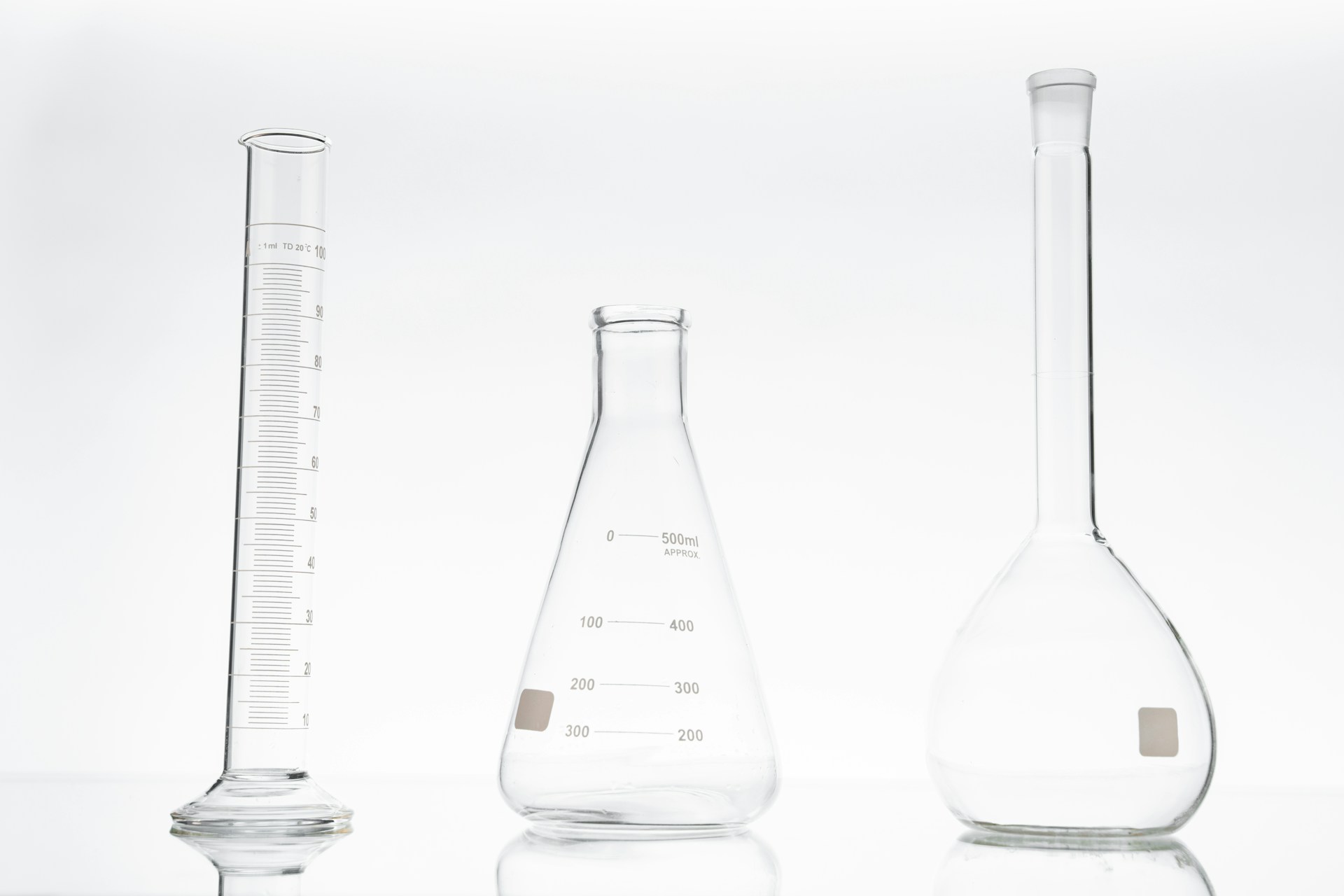
In every laboratory, accurate measurement of liquids is fundamental. While both volumetric flasks and measuring cylinders are made...
No Comments
4 Sep

Separatory Funnels in Organic Chemistry: Choosing PTFE vs Glass Stopcocks

Separatory funnels are indispensable in organic chemistry, enabling liquidโ€“liquid extractions with accuracy and safety. They are commonly made...
No Comments
4 Sep

Borosilicate Measuring Cylinders: Accuracy, Class Standards, and Lab Applications

Measuring cylinders are fundamental glassware in every laboratory, ensuring accurate measurement of liquids across education, research, and industry....
No Comments
1 Sep

Circular Economy in Science: Designing Labs for Reuse and Recycling

The concept of a circular economy is reshaping industries worldwide, and laboratories are no exception. Instead of relying...
No Comments
1 Sep

Reducing Plastic Waste in Laboratories: Strategies for Sustainable Science

Laboratories worldwide are major contributors to plastic waste, with research showing they generate up to ten times more...
No Comments
1 Sep

Green Lab Certification: What Australian Laboratories Need to Know

As sustainability becomes a global priority, laboratories are being recognised not just for their research but also for...
No Comments
1 Sep

Carbon Neutral Labs: How Universities Are Building Net-Zero Science Facilities

As Australia pushes towards net-zero emissions by 2050, universities and research institutions are leading the way with carbon...
No Comments
1 Sep

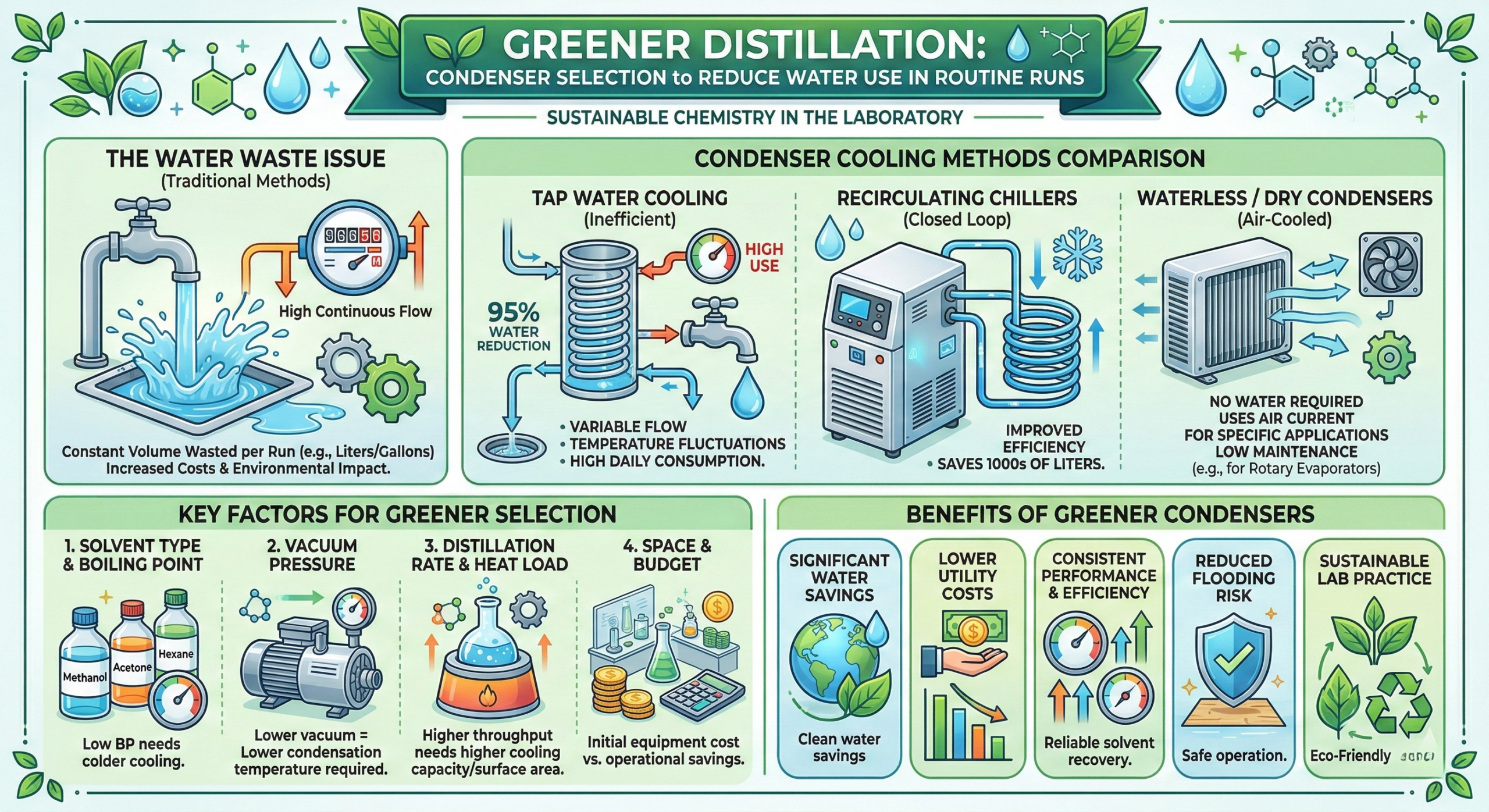
Water Conservation in Labs: Reducing Waste in Cooling and Washing

Water is one of the most overused resources in laboratories. From cooling condensers in chemistry experiments to washing...
No Comments
1 Sep

Green Chemistry in Education: Teaching Sustainability in Australian Schools

Science education is no longer just about teaching reactions and formulas โ€” itโ€™s also about instilling sustainable practices....
No Comments
1 Sep

Waste Segregation in Laboratories: Building a Recycling-Friendly Workflow

Waste management is one of the most overlooked sustainability practices in laboratories. From plastics and glass to solvents...
No Comments

Boiling Flasks: Flat Bottom vs Round Bottom โ€“ Which One Should You Choose?

Boiling flasks are a staple in laboratories, used for heating, mixing, and distillation. But the choice between flat bottom and...

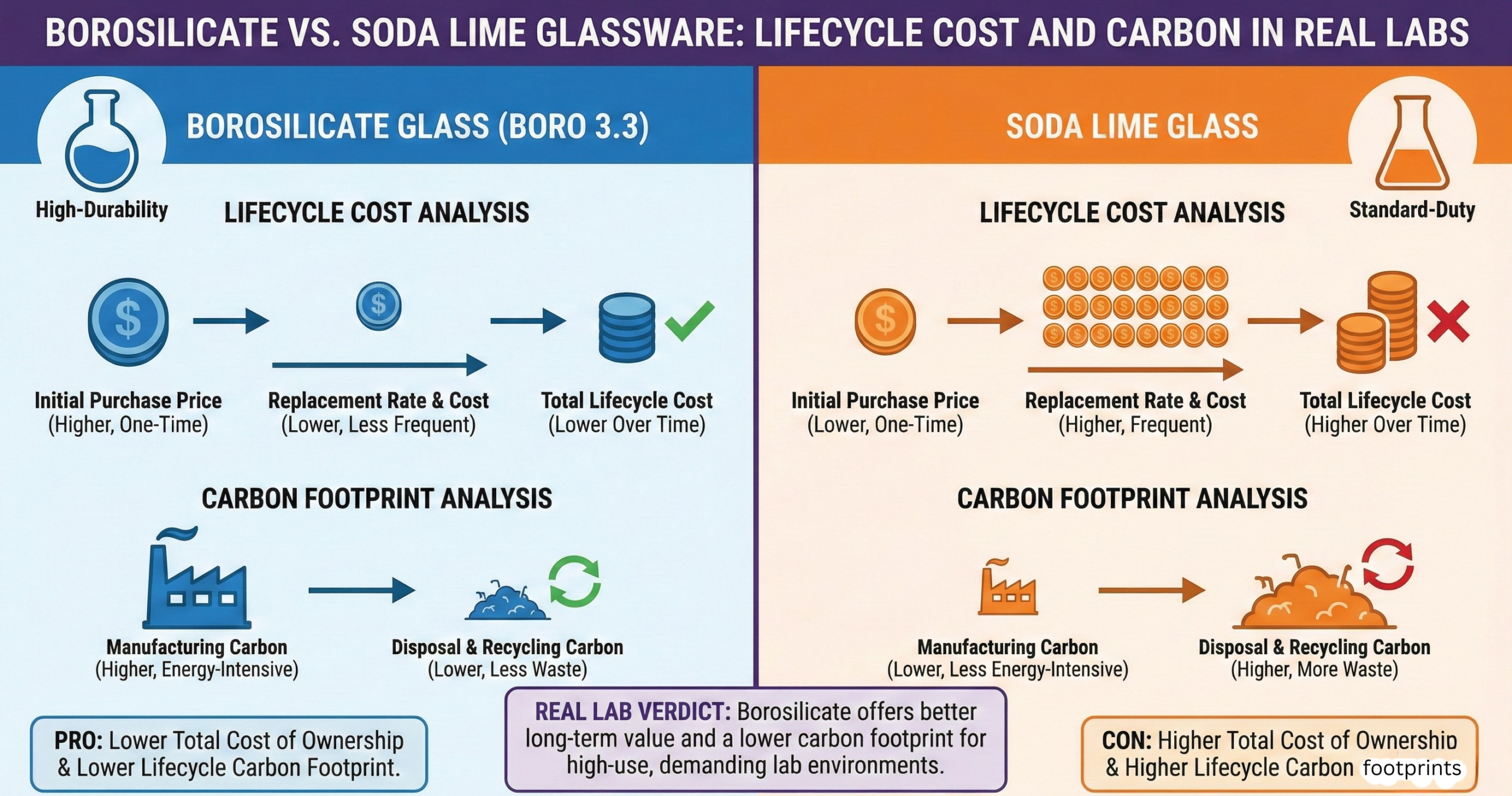
Sustainable Labware: Glass vs Plastic for Eco-Friendly Science

Sustainability is becoming a top priority for laboratories across Australia. With growing awareness of plastic waste and carbon impact, many...

Autoclaving Laboratory Glassware: What Can and Canโ€™t Be Sterilised

Autoclaving remains the gold standard for sterilisation in laboratories across Australia. By applying pressurised steam at 121โ€“134 ยฐC, it ensures...

Round Bottom vs Flat Bottom Flasks: Choosing the Right Boiling Flask

Separatory funnels are indispensable for liquidโ€“liquid extractions, a technique widely used in organic chemistry, pharmaceuticals, and educational labs. Choosing the...

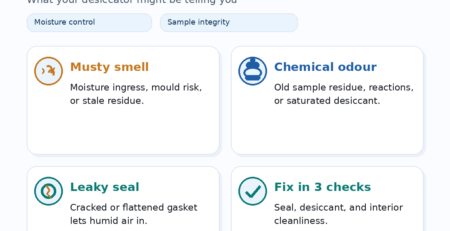
Desiccators in the Lab: Glass vs Plastic, Vacuum vs Plain

Moisture control is critical in laboratories, especially when working with hygroscopic materials, weighing samples, or storing sensitive reagents. Desiccators โ€”...

Vacuum Filtration Setup: Buchner Flasks, Funnels, and Safety Tips

Vacuum filtration is a cornerstone technique in laboratories, used to separate solids from liquids efficiently. From chemistry classrooms to pharmaceutical...

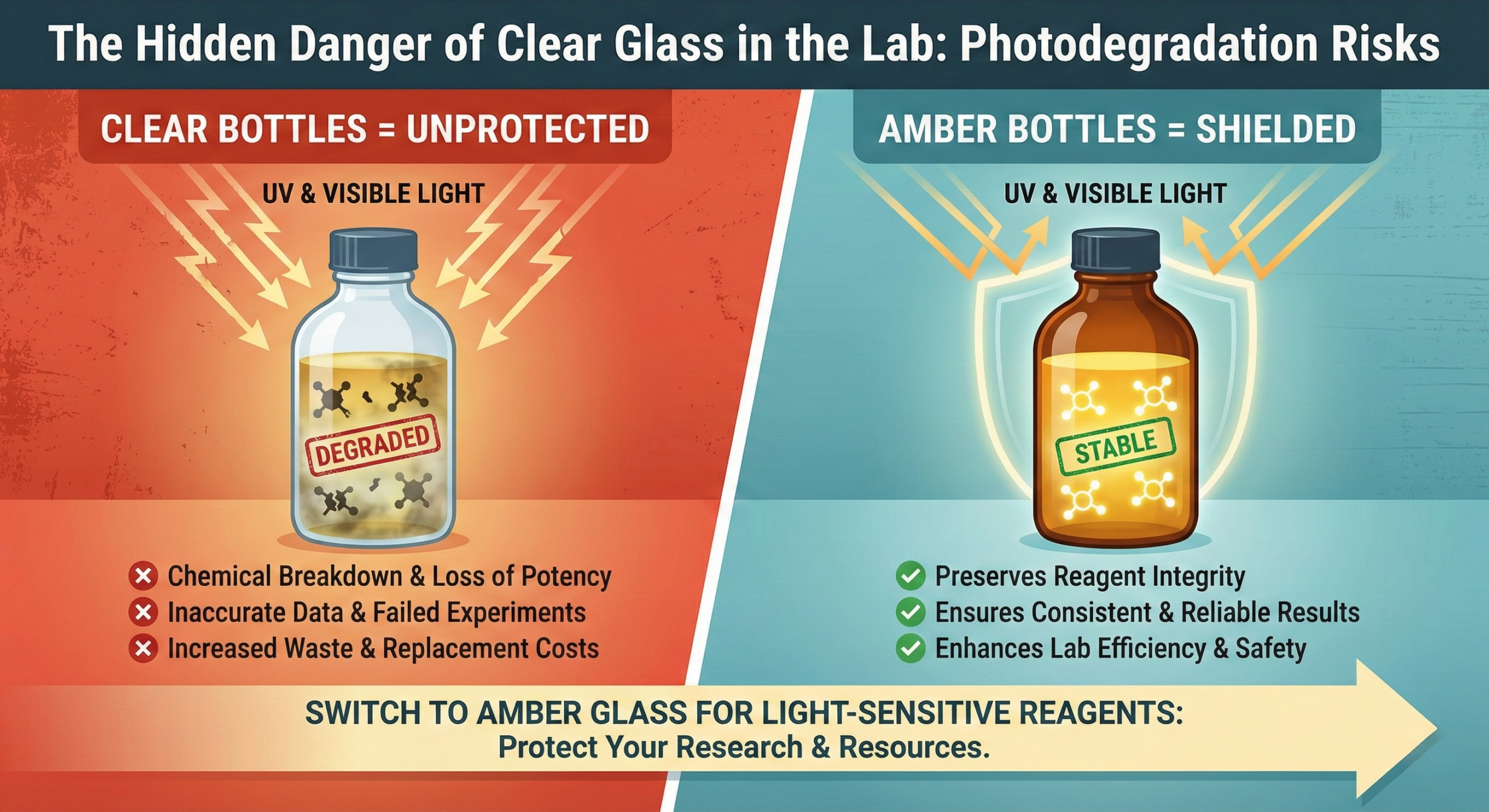
Amber Glass vs Clear Glass: When to Use Each in the Laboratory

Laboratory storage is more than convenience โ€” the choice between amber glass and clear glass can determine whether your samples...

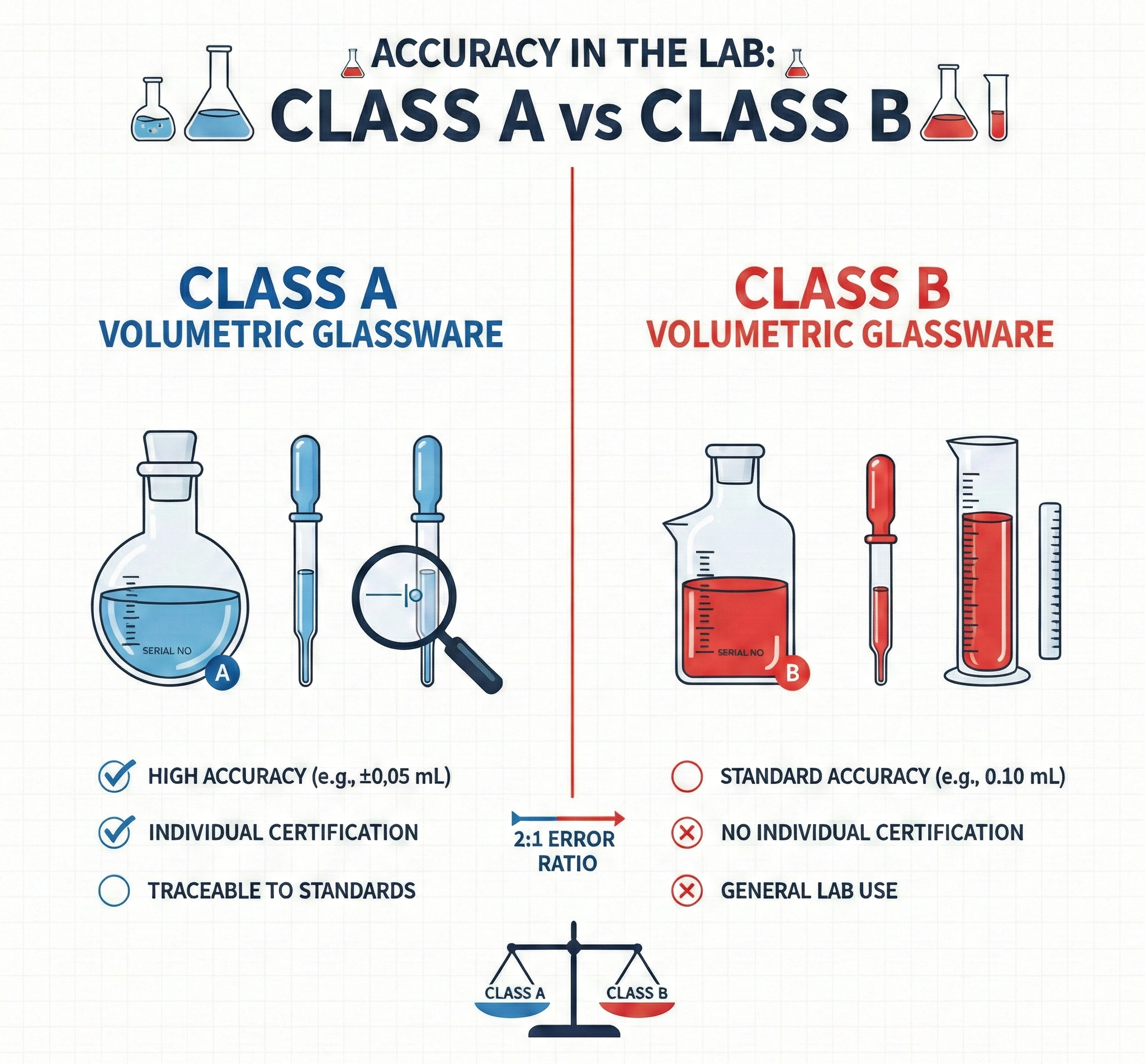
Class A vs Class B Glassware: Accuracy Standards Explained

Accuracy is the foundation of reliable laboratory results. Whether in schools, research institutes, or Australian quality control labs, choosing between...

Wire Gauze in the Laboratory: Why Every Lab Needs It for Safe Heating

Wire gauze is a simple but vital piece of laboratory equipment used to support glassware during heating. By diffusing heat...

Parafilm in the Laboratory: Sealing, Storage, and Best Practices

Parafilm is a flexible, stretchable sealing film used in laboratories worldwide. Known for its ability to create airtight and moisture-resistant...

Mortar and Pestle in the Lab: Uses in Chemistry, Biology, and Material Science

The mortar and pestle is one of the oldest laboratory tools, yet it remains indispensable in modern science. Used for...

Filter Paper in the Lab: Grades, Applications, and Selection Guide

Filter paper is one of the simplest yet most widely used consumables in laboratories. From separating solids from liquids to...