Thermal Accuracy Starts with the Right Glassware
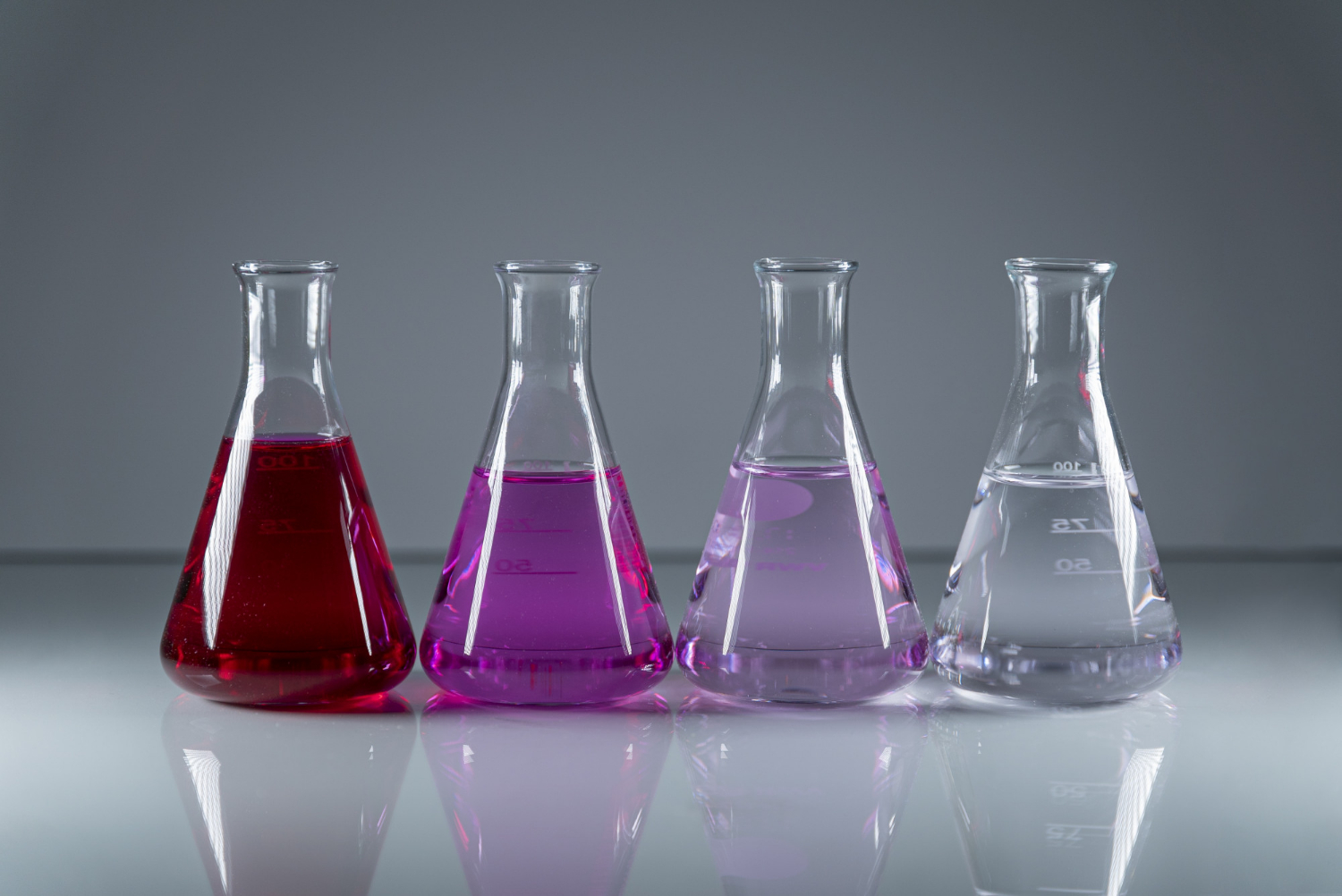
Accurate temperature control in the lab is not just about the hotplate setting or the water bath dial. If the laboratory glassware is wrong for the job, your temperatures, volumes and even your safety can all drift off target. From titrations and distillations to incubation work and QC testing, the glass around your samples quietly determines how reliable your results really are.
Not all glass behaves the same when heated. Different compositions expand at different rates, build up different internal stresses and respond very differently to rapid temperature changes. When that goes wrong, you can see mis‑measured volumes at working temperature, tiny microfractures that later fail without warning, and calibration curves that no longer line up with reality. Australian labs, from school classrooms to NATA‑accredited facilities and industrial QC labs, need glassware that keeps its shape and integrity as conditions change.
At LabChoice Australia, we work every day with research‑grade BORO 3.3 glassware and heavy‑duty labware chosen to handle these thermal demands. Our sourcing is focused on premium manufacturers whose processes align with relevant ISO and ASTM test methods for thermal shock, capacity accuracy and chemical durability. Laboratories that cannot afford thermal drift, sudden breakage or contamination rely on glass that behaves predictably under heat, not just when it is new, but after many cycles of real‑world use.
How Glass Composition Controls Thermal Behaviour
The heart of thermal performance is the glass formula itself. BORO 3.3, or borosilicate glass with a coefficient of thermal expansion around 3.3 × 10⁻⁶ K⁻¹, is the global benchmark for research‑grade laboratory glassware. That low expansion rate means the glass changes size only slightly as temperature shifts, so shapes and volumes stay consistent over a wide range.
Compared with common soda‑lime glass or low‑grade borosilicate, premium BORO 3.3 typically offers:
- Higher resistance to thermal shock
- More stable dimensions over repeated heating and cooling cycles
- Lower tendency to crack if heated or cooled unevenly
BORO 3.3 behaves particularly well when it is correctly annealed. During annealing, internal stresses from manufacturing are slowly relaxed. Even wall thickness and good uniformity across the piece help spread any thermal stress, rather than concentrating it in one weak spot. This makes high‑quality BORO 3.3 well suited to:
- Hotplates and stirring hotplates
- Oil and sand baths
- Autoclaves and laboratory dishwashers
- Distillation assemblies and reflux set-ups
International standards such as ISO and ASTM test methods specify performance for thermal shock resistance, softening point and hydrolytic resistance for borosilicate glassware used in laboratories. Research labs, environmental testing facilities, food and beverage QC labs, mining and materials labs and pharmaceutical manufacturers rely on glassware that is built and tested to these expectations, so that every flask, condenser and volumetric piece behaves consistently under heat, month after month.
Matching Glassware to Temperature‑Critical Applications
Different lab tasks stress glass in different ways. Choosing the right laboratory glassware for each application keeps methods stable, reproducible and safe.
For distillation and reflux, BORO 3.3 condensers, flasks and adapters need to handle a gradient from room‑temperature cooling water through to organic solvent boiling points. Good glass holds its shape across that range, so joints seal correctly and do not start to leak as the system heats and cools. Poorly matched glass can warp slightly or lose joint accuracy, which can affect recovery, analytical precision and operator safety.
In volumetric and analytical work, accuracy depends on volume at a set reference temperature, commonly 20 °C. Volumetric flasks, pipettes and burettes made from low‑expansion glass are far more likely to keep their stated capacity as room temperature shifts across Australian seasons. When the glass itself expands less, the calibration on the mark remains meaningful in everyday lab conditions, supporting reliable titrations, assay work and routine QC testing.
For high‑temperature and thermal cycling tasks, such as muffle furnace prep, drying, oil baths or autoclaving, the strain on the glass is even higher. Inferior glass can craze, cloud or finally crack after repeated cycles. Research‑grade BORO 3.3 is designed to handle repeated heat‑up and cool‑down, so everyday workflows in teaching labs, industrial testing labs and research institutes do not slowly destroy basic lab kit.
In STEM and teaching labs, glass is often heated directly over Bunsen burners or used for simple distillation, calorimetry and introductory organic chemistry. Here, thicker‑walled, high‑quality glassware reduces breakage and helps avoid accidents. When students handle hot tubes and flasks, you want glass that is forgiving of minor knocks, while still coping well with flame and hot water.
Key Features to Look for in Research‑Grade Glassware
Even before you check a catalogue description, good glass often looks and feels right in your hand. A few quick visual cues say a lot about thermal performance.
Quality signs include:
- Even wall thickness with no obvious thin spots
- Clean, fire‑polished rims and spouts
- Precise, well‑ground joints that fit smoothly
- Clear capacity markings that stay legible after washing and autoclaving
For volumetric glassware, calibration marks should be sharp and easy to read. Look for statements of compliance with relevant ISO or ASTM methods for volumetric accuracy and glass quality, and where possible, batch traceability. This helps QA managers and researchers document exactly which glassware was used for a given method, batch of product or regulatory submission.
Thermal performance information is also important. Reliable suppliers will state typical working temperature ranges, thermal shock resistance and whether items are suitable for autoclaves, dishwashers, heating blocks or open flames. For many Australian labs, this information guides decisions about what goes into the hot work area and what belongs only in ambient roles.
Chemical resistance ties closely into long‑term thermal behaviour. High‑quality borosilicate resists common acids, bases, solvents and cleaning agents, so the surface does not slowly etch or roughen. Once a surface starts to degrade, heat transfer and wetting can change, and fine cracks can take hold more easily, raising the chance of thermal failure or contamination.
Practical Selection Tips for Australian Labs
The right choice starts with how you heat and cool things in your own lab. Each heating environment loads glass in a different way.
- Open flames concentrate heat and call for flame‑tolerant, thicker‑walled BORO 3.3
- Hotplates and heating mantles give more even heat, but still demand low‑expansion glass
- Oil and sand baths need glass with good thermal shock resistance as vessels are raised in and out
- Autoclaves and dishwashers supply steam and pressure, which stress weak points in low‑grade glass
Scale and safety also matter. Teaching labs often benefit from heavier glass that can handle knocks, yet still behaves predictably on a burner or hotplate. Analytical and industrial labs may prioritise calibrated volumetric glassware and jointed glass that fits into existing distillation and reflux systems without leaks or mismatches.
Australia’s climate adds its own twist. On a hot summer day, a flask fresh from an air‑conditioned storeroom can be much cooler than the reagent or hotplate. Good practice includes gradual heating, pre‑warming with water baths and using stands, clamps and wire gauze to spread the load, even when working with strong BORO 3.3. This is particularly relevant for environmental testing labs, water treatment plants and mining operations where samples move between field, cold storage and hot lab conditions.
There are times when plasticware is the better option, such as:
- Cold storage and low‑temperature sample handling
- Routine buffer prep at room temperature
- Tasks where impact resistance matters more than heat resistance
But once you bring in real heat, need tight dimensional stability or are working with aggressive solvents, glass is usually the safer long‑term choice.
Why Australian Labs Trust LabChoice for Thermal Reliability
LabChoice Australia focuses on supplying premium, research‑grade BORO 3.3 and strong laboratory glassware that stands up to real conditions in Australian research, education and industry. Our range is built around glass that handles thermal stress predictably, supports reliable calibration and lasts through repeated use without hidden surprises.
We pay close attention to the manufacturers we work with, choosing those whose products align with ISO and ASTM expectations for thermal shock resistance, capacity accuracy and long‑term durability. Our team reviews technical data, quality certificates and batch information so that the glassware you receive behaves consistently from one order to the next.
For Australian buyers, this means:
- Consistent performance across batches and product lines
- Smooth compatibility with standard Australian lab set-ups and teaching curricula
- Access to local support from people who understand chemistry, biology, analytical testing, industrial QC and STEM teaching in practice
- Confidence that critical volumetric and thermal glassware is sourced to research‑grade standards, not just general‑purpose classroom use
Upgrading critical pieces of glassware to high‑quality BORO 3.3 is one of the most direct ways to lift safety, thermal accuracy and equipment life in your lab. When the glass behaves as specified, your methods are easier to validate, your results are more defensible, and your lab operates with fewer interruptions from breakages and rework.
Equip Your Lab With Reliable Glassware Today
Choose from our carefully curated range of laboratory glassware to support accurate, repeatable results in your daily work. At LabChoice Australia, we source quality products that stand up to Australian lab conditions and real-world use. If you are unsure which items best suit your application, reach out via contact us and we will help you select the right solution.