Protecting Your Results with Accurate Volumetric Glassware
Accurate volumetric glassware sits right at the heart of good science. A tiny volume error in a flask or pipette can quietly twist your chemistry, biology, analytical, or industrial results and you may not notice until a batch fails QC, a calibration curve looks odd or a class experiment simply does not work.
In research labs, distillation work, NATA-accredited environments, STEM classrooms and routine QC labs, trusted volume is not a luxury. It is basic infrastructure, just like a good balance or pH meter. When your glassware is wrong, every step built on that volume is also wrong.
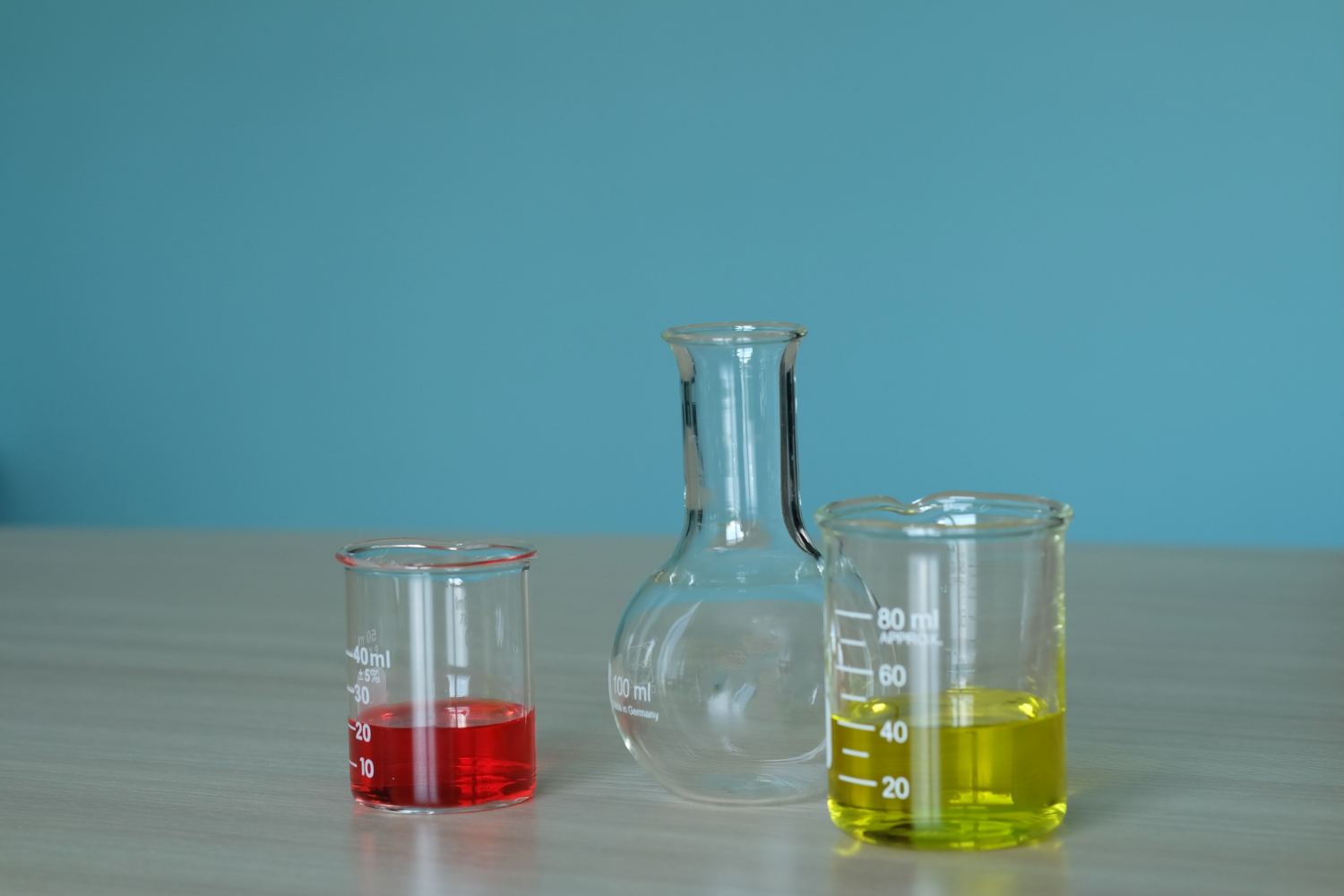
At LabChoice Australia, we supply BORO 3.3 volumetric flasks, pipettes, burettes and cylinders designed for research-grade accuracy and long-term dimensional stability. In this guide, we walk through Class A vs Class B, simple in-house calibration checks, cleaning and handling, how to spot damage or etching and clear triggers for when to replace glassware.
Understanding Class A vs Class B Volumetric Glassware
Class A and Class B are tolerance grades defined by standards such as ISO 1042 for volumetric flasks, ISO 4788 for measuring cylinders and ISO 648 for single-volume pipettes. They tell you how close the marked volume should be to the true volume at the reference temperature, usually 20 °C.
In simple terms, Class A has tighter tolerances than Class B. For common sizes, you will often see something like:
- 10 mL: Class A tighter than Class B by a noticeable margin
- 100 mL: Class A suited to analytical work, Class B more for general tasks
- 1000 mL: Small percentage differences now become significant absolute errors
The exact numbers depend on the standard and manufacturer, but the pattern is clear. Class A is what you reach for when accuracy really matters. That includes:
- Preparing standards for calibration curves
- Assay work and quantitative analytical chemistry
- Industrial test methods that quote ISO or ASTM glassware
- Calibration solutions for instruments such as spectrophotometers
Class B can be perfectly fine where the risk is lower, for example:
- General teaching labs where students are learning technique
- Screening work or rough pre-dilutions
- Non-critical sample preparation where later steps dominate the error
Both grades benefit from BORO 3.3 glass. This borosilicate type has low thermal expansion, high chemical resistance and forms a clear, stable meniscus. In Australian summers, where room temperatures can drift, low expansion glass helps your volumes stay closer to the mark when your temperature control is not perfect.
Our volumetric glassware is sourced to match international standards, with clear Class A or Class B marks and durable graduations, so technicians and students can see at a glance what level of accuracy they are working with.
Simple in-House Calibration Checks That Actually Work
You do not need a full calibration lab to check your volumetric glassware. A simple gravimetric check with water and a calibrated balance can tell you a lot.
A typical procedure looks like this:
- Use distilled or deionised water only
- Ensure your balance is within its own calibration period
- Aim for 20 °C water and room temperature, or at least measure the temperature
Then follow these steps:
1. Clean and dry the glassware, then weigh it empty.
2. Fill to the calibration mark, taking care with the meniscus at eye level.
3. Wipe any droplets from the outside, then weigh again.
4. Subtract the empty weight to get the mass of water.
5. Use a water density table at the measured temperature to convert mass to volume.
Now compare this calculated volume to the nominal volume and see if it falls within your internal tolerance or the stated Class A or Class B limit.
How often should you do this? It depends on use:
- High-throughput analytical labs: often quarterly or as defined in the quality system
- Education labs: at the start of each term or before large practical blocks
- Industrial QC labs: aligned with audit, validation or method review cycles
Watch the main variables that can disturb your check: water purity, temperature drift, balance status and parallax when setting the meniscus. A small reference set of high-quality BORO 3.3 Class A glassware works well as an internal standard. You can use that set as your anchor for verification and method validation records.
Cleaning and Handling to Preserve Volumetric Accuracy
Even perfect glassware will give poor results if it is dirty or scratched. Films, grease and surfactants change how liquid wets the surface. That changes the shape of the meniscus and the volume you deliver.
Good cleaning practice for volumetric glassware usually includes:
- Lab-grade detergents at the right concentration
- Non-abrasive brushes, especially near calibration marks
- Plenty of tap water rinses followed by distilled or deionised rinses
Stubborn residues from biological media, sticky organics or industrial samples may need specific detergents or soaking solutions. If a film will not shift after proper treatment, that item may no longer be suitable for accurate volumetric work.
Drying also matters. Air-drying in a dust-free rack is often best for volumetrics used for aqueous work. Drying ovens can be used for BORO 3.3 glassware, but temperatures must stay within the manufacturer’s advice. Flame drying around calibrated marks is risky, as local overheating can distort the glass and shift the volume.
For handling and storage:
- Avoid stacking flasks and cylinders inside each other
- Use racks or baskets, especially in busy teaching labs
- Prevent sudden temperature changes, for example moving hot glass into cold rinse water
- Keep critical Class A items in a separate, clearly labelled area
Polylab plasticware has an important role here too. For field work, student-heavy classes, corrosive solutions or high-impact tasks, plastic can be safer and more practical. It complements precision glassware by taking the knocks, while Class A glass stays reserved for high-accuracy steps.
Spotting Damage, Etching and When to Replace Glassware
Regular inspection helps you catch trouble before it shows up in your data. When checking glassware, look closely for:
- Star cracks in the base or near the neck
- Microchips on rims, spouts or ground joints
- Worn, faded or partially missing graduations
- White etching or clouding from strong alkali
- Strange stress marks from repeated heating and cooling
Sometimes the only clue is performance. Warning signs include:
- Titration endpoints that wander more than expected
- Calibration curves that start drifting between batches
- Poor reproducibility between technicians using the same method
- Consistent failure to meet tolerance during gravimetric checks
Clear replacement triggers help avoid arguments at the bench. Common triggers include:
- Any chip near the mouth, spout or calibration mark
- Volume markings that are hard to read from normal working distance
- Persistent staining or contamination that will not clear with proper cleaning
- Repeat failure to meet internal tolerance after rechecking the method
Keeping “maybe OK” glassware in circulation can be a quiet drain on an industrial plant, analytical lab or distillation line. The time spent on rework, investigations, failed audits or repeat batches often exceeds the value of replacing a suspect flask or burette. This is why we focus on BORO 3.3 glass and Polylab plasticware chosen for durability, chemical resistance and stable markings, to cut down unplanned change-outs and support consistent methods over time.
Building a Reliable Volumetric Glassware Program with LabChoice
The most reliable labs treat volumetric glassware as a managed asset, not a loose collection of flasks and cylinders. A simple program can include:
- A documented inventory of volumetric items
- Clear tagging for critical vs non-critical use
- A schedule for verification checks and inspection
- Written cleaning and replacement procedures
For the start of a new academic term or financial planning cycle, it helps to:
- Audit current stock and retire obviously damaged items
- Flag heavily used volumetrics that should move to backup roles
- Prioritise upgrades to Class A BORO 3.3 glassware where accuracy drives decisions
At LabChoice Australia, we focus on research-grade laboratory glassware and Polylab plasticware suited to Australian conditions and requirements. From chemistry and biology through to school STEM labs, distillation setups and industrial analytical or QC work, reliable volumes support better science, safer teaching and cleaner audit trails.
Equip Your Lab With Reliable Glassware That Performs
Choose from our curated range of laboratory glassware to match the accuracy, safety and durability your work demands. At LabChoice Australia, we help you compare options so you can select the right pieces for teaching labs, research or routine testing. If you need guidance on product suitability or bulk orders, simply contact us and we will work with you to find the best fit for your lab.