Common Laboratory Apparatus Failures That Distort Your Results
Small faults in laboratory apparatus can quietly bend your data without anyone noticing. A cracked joint here, a tired seal there, and suddenly your numbers do not match last month’s work, even though you swear you followed the same SOP.
In Australian universities, analytical labs and STEM teaching spaces, this does more than annoy people. It hits reproducibility, pushes back project deadlines, and can raise questions in audits and accreditation checks. At LabChoice Australia, we see these patterns across teaching, research and industrial labs. In this article, we walk through the hidden failures we see most often and how choosing research‑grade glassware, plasticware and equipment from LabChoice Australia can cut out a lot of that silent drift.
Hidden Equipment Faults That Quietly Ruin Your Data
The hardest errors to spot are the slow, creeping ones. Nothing explodes, nothing breaks in half, but something is just a little off every day.
Common quiet faults include:
- Hairline cracks in glassware that slightly change volume or invite contamination
- Worn PTFE or rubber seals that no longer hold pressure or vacuum properly
- Scratched plasticware that traps residues or detergents
- Cloudy surfaces that make meniscus reading guesswork instead of measurement
These issues often appear first in busy teaching labs and high‑throughput testing labs, where gear gets heavy use and is not always handled by the same person. Over time, they:
- Reduce reproducibility between runs and between operators
- Make it harder to defend the data in accreditation and QA reviews
- Stretch timelines as staff repeat work to chase unclear results
Starting with research‑grade apparatus from LabChoice Australia reduces this background noise. Our glassware, plasticware and bench equipment are selected for tight manufacturing tolerances and reproducible performance, so you begin with a stable, calibrated base. Good technique is still essential, but the apparatus itself is not quietly working against you.
Glassware Failures That Skew Volumes and Reactions
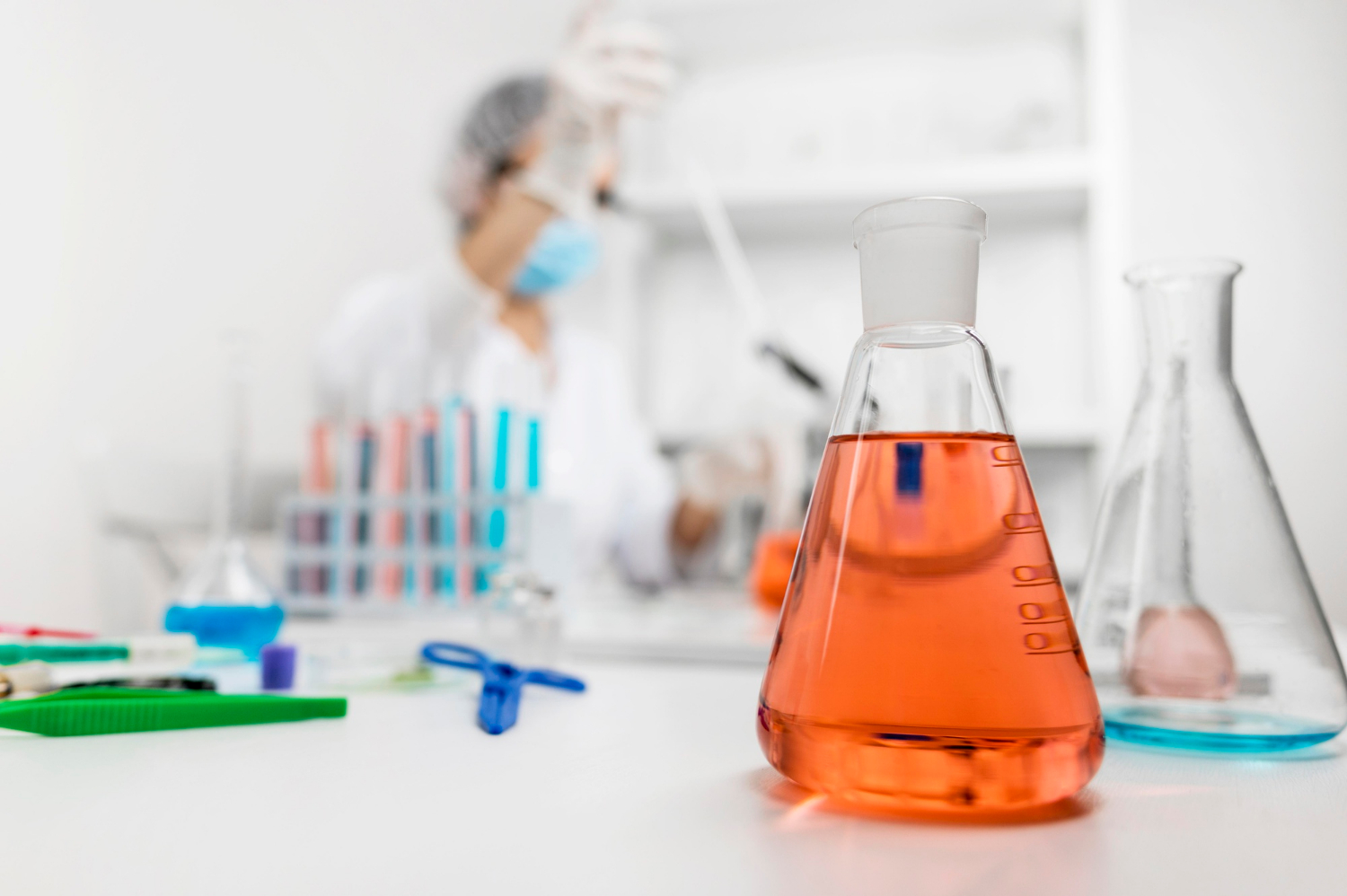
Glassware looks simple, but small faults can change your chemistry in big ways.
Typical problems we see include:
- Calibration drift in volumetric flasks, pipettes and burettes
- Chipped or badly fire‑polished rims that change how you read the meniscus
- Scratched or etched interiors that hold onto reagents, dyes or surfactants
- Non‑standard wall thickness that affects how glass handles heating and cooling
In titrations and quantitative analysis, a few drops wrong every time can shift calculated molarities, standard curves and assay limits. Over a teaching term, that can mean one class gets different “truth” values from the next.
In synthetic chemistry, poor glassware can:
- Alter reflux and distillation behaviour when wall thickness and joint fit are inconsistent
- Increase the risk of thermal shock when hot glass meets cool air or water
- Change actual dilution volumes when volumetric ware is not to ISO or ASTM class
Seasonal heat is another twist. At the start of the academic year, many teaching labs in warmer parts of Australia run in rooms that are not perfectly temperature controlled. If you are already near the edge with uncertified volumetrics, extra expansion effects and inconsistent cooling make things worse.
LabChoice Australia supplies research‑grade, Class A volumetric glassware and borosilicate assemblies manufactured to recognised ISO and ASTM standards. Consistent wall thickness and joint dimensions improve thermal performance and reduce stress cracking in distillation and reflux work. Tight calibration tolerances help ensure that a 250 mL volumetric flask in one lab behaves like the 250 mL flask in another, supporting method transfer and long‑term comparability of data. Because batches are manufactured to defined standards, replacements can be dropped straight into existing methods without quietly shifting your results.
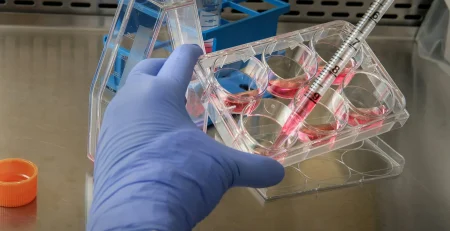
Plasticware Problems in Cell Culture and Molecular Work
Plasticware looks cheap and cheerful, but in cell and molecular work it can be one of the biggest sources of hidden trouble.
Common plasticware failures include:
- Warped microplates after repeated cycling in incubators and plate readers
- Non‑uniform tube wall thickness affecting centrifuge balance and g‑force
- Lower grade plastics that leach plasticisers and other additives
- Poorly moulded graduations on tubes, reservoirs and pipette tips
In real lab terms, that can show up as:
- Reduced cell viability because leachables or rough surfaces stress the cells
- Inconsistent PCR due to evaporation in thin‑walled strips or lids that do not seal well
- Lost or biased nucleic acid recovery when plastics bind DNA or RNA
- Contamination risk in microbiology teaching when closures and seals are not tight
For Australian biology and molecular labs, plasticware with tight manufacturing tolerances, good clarity, documented sterility and low‑binding surfaces helps protect those fragile systems. LabChoice Australia focuses on research‑grade tubes, plates, reservoirs and tips with controlled resin composition and validated sterility, including options with low DNA, RNase and pyrogen levels. This supports steady baselines in qPCR, sequencing prep, ELISA and cell‑based assays so you can trust that any change you see comes from your sample, not from the tube or plate.
Instrumentation Drift and Wear That Corrupt Measurements
Even the best method falls over if the instruments behind it have wandered off their set values.
Common failure modes include:
- Balances that have not been calibrated or levelled properly for months
- pH meters running on old, sluggish electrodes or contaminated standards
- Hotplates, ovens and incubators with thermostats that read one thing and deliver another
- Magnetic stirrers that slip, stall or stir unevenly, leaving gradients in flasks or beakers
These issues can hit:
- Gravimetric analysis, where small mass errors stack up in standards and controls
- Buffer prep, where pH offsets change protein stability, enzyme rates or chromatographic behaviour
- Microbiological incubation, where growth curves and colony counts change with temperature drift
- Industrial QA work, especially when labs ramp up for reporting deadlines and gear is running hard
LabChoice Australia supplies research‑grade balances, pH meters, temperature‑controlled equipment and compatible consumables such as electrodes, probes and stir bars. Many of these instruments are designed for routine calibration against certified reference materials and offer documentation suitable for NATA‑accredited and ISO 17025 environments. When combined with simple in‑house checks and scheduled servicing, this keeps measurements traceable, audit‑ready and aligned with method validation data, whether you work in analytical chemistry, food testing or environmental monitoring.
Leaks, Seals, Joints and Maintenance Routines
Many of the most frustrating errors come from leaks that no one can see.
In distillation, filtration and vacuum or pressure systems, small gaps in:
- Ground‑glass joints
- O‑rings and gaskets
- Stopcocks and valves
- Hose tails, tubing and clamps
can lead to:
- Unstable vacuum that changes boiling points and distillation cut points
- Loss of volatile analytes during concentration or solvent removal
- Backflow and contamination in environmental and trace work
- Messy outcomes in school vacuum filtration or gas demos, including safety concerns
Matching jointware correctly, using tubing sized for the job and replacing tired O‑rings and stopcocks at set intervals keeps those systems stable. LabChoice Australia stocks compatible joints, seals, vacuum components and custom glass options so you can rationalise complex rigs into robust, repeatable setups. Custom condensers, adapters or multi‑neck flasks can also simplify assemblies so there are fewer joints to fail and less variability between runs.
All of this hangs on basic maintenance habits. High‑impact routines include:
- Regular calibration checks on balances, pH meters and temperature devices
- Visual inspection for stress marks, frosting, chips and etching on glass and plastic
- Proper cleaning and full drying, especially of the volumetric ware and cell culture plastics
- Logged replacement intervals for pipette tips, O‑rings, pH electrodes and other high‑wear items
Australian heat and humidity, plus the rush at the start of each semester, speed up wear. It pays to schedule inspections at the start of teaching terms and before big testing periods so problems are found before they hit your data.
A standardised equipment checklist, paired with a clear plan for replacing worn or non‑compliant items with research‑grade options from LabChoice Australia, keeps your core apparatus steady from year to year. That steadiness is what turns daily lab work in chemistry, biology, STEM education and industrial testing into data you can rely on. With LabChoice Australia as your research‑grade supplier, you gain consistent quality, practical local support and confidence that your apparatus is fit for purpose and aligned with recognised standards.
Equip Your Lab With Reliable Tools That Match Your Standards
Choose from our carefully selected range of laboratory apparatus to support accurate results and dependable workflows. At LabChoice Australia, we focus on quality, consistency and practical usability so your team can work with confidence. If you have specific requirements or need help selecting the right setup, simply contact us and we will work with you to find a solution that suits your lab.