Building Consistent Shaker Workflows From Day One
Reliable shaking is one of those small things that quietly decides whether a lab day goes smoothly or falls apart. When your orbital shaker is consistent, cultures grow as expected, extractions mix properly, and teaching practicals stay on time. When it is not, you get odd results, stressed staff, and confused students.
Across Australian education labs, research groups, biotech, food testing, and environmental labs, that gentle circular movement does a lot of heavy lifting. Small changes in speed, orbit size, or temperature can change oxygen transfer, shear stress, or mixing. That can affect cell growth, enzyme activity, extraction yields, and the way assays read out.
So instead of thinking about “the shaker” as a single piece of gear on a bench, it helps to think in terms of a full workflow. That includes the type of orbital shaker you choose, how it is placed, which consumables sit on the platform, and how you care for it over time.
Around August in Australia, the shift from winter to spring can add some extra wrinkles. Many labs see big swings in room temperature and humidity between cold mornings and warmer afternoons. Incubated orbital shaker applications, like microbiology or cell culture, can be more sensitive at this time, because the unit has to work harder to keep a stable environment while the room changes around it.
Choosing the Right Orbital Shaker for Your Lab’s Needs
Picking the right orbital shaker is the first step in building a setup that works day after day. Different labs need different tools, even if the basic motion is the same.
Common use cases include:
- General-purpose orbital shakers in classrooms for simple mixing
- Compact benchtop units in molecular biology spaces for tubes and microplates
- Heavy-duty models in industrial or QA labs handling large flasks and bottles
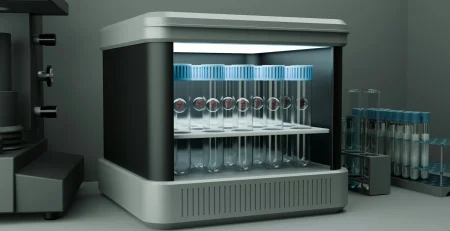
- Incubated orbital shakers for microbiology and cell culture work
Key things to look at when you compare models:
- Speed range and how finely you can set it
- Orbit diameter and how that suits your vessel types
- Load capacity and platform size for current and future needs
- Programmable features like timed runs or multi-step profiles
- Noise levels, especially for teaching labs or shared offices
- Compatibility with Australian power and safety expectations
Australian facilities also bring their own quirks. Some teaching labs have very tight bench space, so shaker footprint and height matter. Regional labs may work with shallower benches or mixed-use rooms. Not every room has strong AC, so heat output from a shaker or incubated unit can affect comfort and temperature stability.
A clear idea of your lab workflow, plus a trusted online lab supplier that offers different brands, accessories, and spares, helps you choose a shaker that will not box you in later.
Designing a Robust Orbital Shaker Workflow
Once you have the right orbital shaker, you can build a workflow around it so people can repeat protocols with confidence across teams, terms, and projects.
Start by standardising how you run common methods:
- Set clear RPM ranges for each task
- Record typical run times and ramp-up or ramp-down steps
- Note orbit size and platform setup for each protocol
- For incubated units, document set temperatures and warm-up times
Think about the shaker as one link in a chain. Where do samples come from, and where do they go next? It often helps to place the shaker near:
- Sample prep areas like balances, pipettes, and vortex mixers
- Incubators, fridges, or freezers used before or after shaking
- Plate readers or spectrophotometers in assay workflows
Consumables are a big part of this too. Choose flasks, culture bottles, microplates, test tube racks, clamps, sticky mats, and lids that:
- Fit your platform safely and do not wobble
- Match local curriculum needs in teaching labs
- Align with regulatory expectations in food, clinical, or environmental testing
Add simple quality checks to your routine. Regularly confirm speed and, if relevant, temperature with independent tools. Check that the platform is balanced, clamps are tight, and sticky mats are still gripping. A basic log sheet for runs, users, and any odd behaviour goes a long way when you need to trace an issue later.
Everyday Best Practices to Protect Samples and Equipment
Day-to-day habits are what keep your orbital shaker, and your samples, out of trouble.
To reduce spills and contamination:
- Use suitable sealing films or breathable covers for plates and flasks
- Match caps and closures to your solvents or culture types
- Balance loads across the platform before you start the run
- Avoid filling vessels so high that they slosh or leak on the move
Safety and efficiency go together. Place the shaker on a stable, level bench, well back from the edge. Train staff and students on how to:
- Load and unload without leaning on the moving platform
- Check that clamps and racks are secure before pressing start
- Handle hazardous liquids with clear rules about when containers can be open
Seasonal shifts around August can affect evaporation and condensation. On cold mornings, incubated orbital shaker chambers may overshoot or take longer to settle, especially in rooms that warm up quickly once people arrive. It helps to:
- Allow time for the unit to reach and stabilise at set temperature
- Keep an eye out for uneven heating or “hot spots” with sensitive work
Good maintenance habits extend shaker life. Regular wipe-downs, watching for new rattles or vibrations, and tightening loose platform hardware all make a difference. Follow manufacturer service advice and plan periodic checks through your trusted supplier before problems become urgent.
Troubleshooting Common Orbital Shaker Issues
Even with a solid workflow, things can occasionally go off track. A simple, step-by-step approach to troubleshooting keeps stress levels down.
If results are inconsistent between runs, look at:
- RPM settings and whether they match the written method
- Load balance and whether the platform is lopsided
- Condition of clamps, mats, and racks that may have loosened with use
- Any recent changes in consumables, such as different flask brands
Test one variable at a time so you know what actually fixed the issue.
Mechanical problems often give you early warnings, like:
- New grinding or knocking sounds at certain speeds
- Platform wobbling, especially with heavier loads
- Belts slipping or stalling when you increase speed
- In incubated units, fans not moving air properly or slower warm-up
Some things you can check in-house, like tightening fasteners or removing obvious obstructions. For deeper issues, it is usually better to stop using the unit and move to professional repair or replacement so you do not risk samples or safety.
Sample-specific problems are also common. For example:
- Protein work may foam at high speeds, so you might reduce RPM or change vessels
- Sensitive cells can shear if orbit or speed is too aggressive
- Microplates may show edge effects if they dry out or get uneven mixing
Adjusting speed, orbit, vessel type, and fill volume can often protect sample integrity without changing the whole method.
To keep everything running, it helps to hold a small stock of critical spares. Extra clamps, platforms, sticky mats, flasks, and sealing films mean you do not lose days of work, or teaching time, while waiting for replacements through LabChoice Australia.
Elevate Your Shaker Setup with a Future-Ready Plan
Orbital shaker workflows should not be a set-and-forget thing. As curriculum changes, research projects shift, and lab occupancy or HVAC patterns move with the seasons, it makes sense to review how your shaker fits into everyday work.
Many labs benefit from a simple “shaker playbook” that includes:
- Standard operating procedures for common methods
- Maintenance and cleaning calendars
- Short training notes for new staff, students, or rotating researchers
- A list of preferred consumables, compatible clamps, and accessories
Here at LabChoice Australia, we see how much smoother things run when labs treat the orbital shaker as a central, shared tool with clear rules and reliable support. With the right choice of shaker, thoughtful layout, good consumables, and steady maintenance, Australian labs can build orbital shaker workflows that stay reliable across semesters, seasons, and project cycles.
Equip Your Lab With Reliable Mixing Performance
If you are ready to improve consistency and throughput in your workflows, we can help you choose the right orbital shaker for your specific protocols. At LabChoice Australia, we work with labs of all sizes to match equipment to budgets, sample volumes and compliance requirements. Talk with our team about your current setup and future plans so we can recommend options that fit. For tailored advice or a detailed quote, simply contact us today.