Shrink Your Bench, Not Your Workflow
Tight bench space is a daily headache in a lot of Australian labs. Winter makes it even busier, with EOFY reporting, semester two prep, and flu season work all landing at once. Every square centimetre is suddenly full of racks, laptops, incubators, and that one bulky mixer nobody wants to give up.
A mini vortex mixer gives you the mixing power you need without eating your whole bench. It is small, quick to use, and easy to slide into the gaps between other gear. You keep your throughput high, keep your samples moving, and you do not need to redesign the whole lab layout.
At LabChoice Australia, we see this challenge across education, research, medical and industrial labs. That is why mini vortex mixers are a common request from teams that want more capacity, not more clutter, especially when the winter workload hits hard.
What a Mini Vortex Mixer Actually Does for You
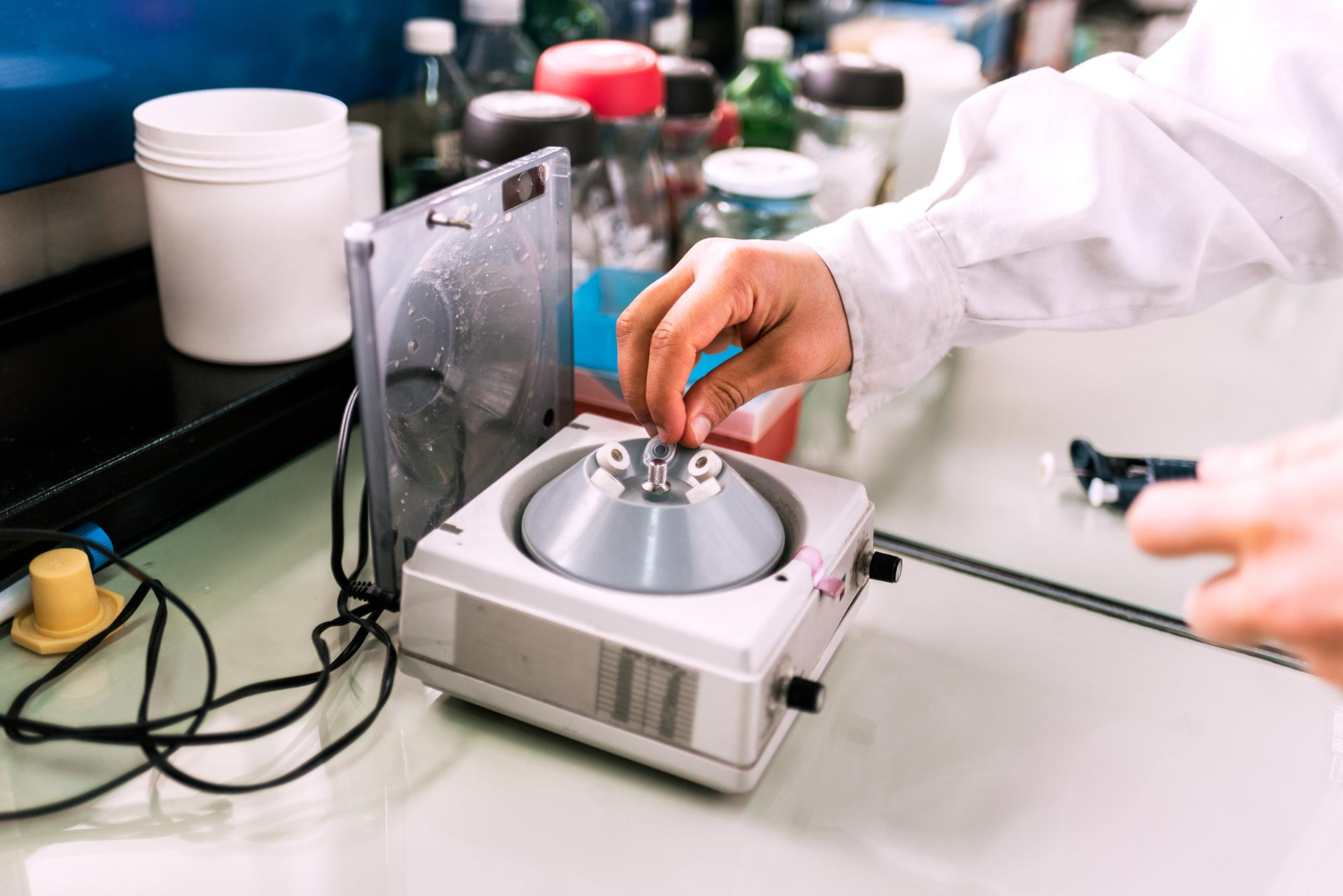
A mini vortex mixer is simple on the outside, but it does a lot for your samples. The unit has a small platform or cup that moves in a tight circular path. When you press a tube or small flask onto it, the liquid inside is pulled into a spinning funnel. This rapid motion pulls all parts of the sample together so it becomes nice and even.
Good vortex mixing helps with:
- Reagents that need quick, even mixing before use
- Cell suspensions that settle fast on the bench
- Pellets that need to be fully resuspended
- Buffers and dyes that streak or separate if only swirled by hand
Across Australian labs, mini vortex mixers show up in:
- School labs, where students are mixing small volumes in test tubes or microtubes
- University teaching and research labs, working with DNA, protein, and cell samples
- Pathology labs, doing repeatable mixing for routine tests
- Industrial QA labs, blending small batches or checking sample homogeneity
So when is a mini vortex mixer the right pick? It usually suits when:
- You mostly handle microtubes, PCR strips, small bottles, or tubes up to about 50 mL
- You need fast, repeatable mixing for single tubes, not big tube blocks
- Bench space is tight, and a full-size multi-tube mixer would be overkill
Manual shaking can work for the odd sample. But once mixing becomes part of your daily run, a mini vortex mixer gives far better consistency and saves you effort.
Key Features That Matter on a Tight Bench
When space is short, every feature of your mini vortex mixer needs to earn its place.
First, footprint and form factor. Many mini units are about the size of a large coffee mug or a small lunch box. Low-profile designs sit neatly:
- Beside a microcentrifuge or PCR machine
- In a corner between a balance and a laptop
- On a shared teaching bench where gear moves around a lot
Power and control matter just as much. Things to think about:
- Speed range: Some mixers have a fixed speed, others have a dial for variable speed. Variable speed helps when you swap between gentle mixing and hard vortexing.
- Mode: Touch mode runs only while you press the tube down, which keeps benchtop noise and wear down. Continuous mode runs without holding the tube, handy for repeated batches.
Stability and safety keep everyone comfortable in busy labs. Helpful details include:
- Non-slip feet to stop the unit walking across the bench
- Solid weight distribution so it does not tip when you press a larger tube down
- Spill-resistant housings that cope with drips and splashes
- Simple, clear controls that suit crowded teaching rooms or shared research spaces
These small design choices add up to smooth daily use, especially when benches are crowded and people are moving quickly.
Choosing the Right Mini Vortex Mixer for Your Lab
Picking a mini vortex mixer starts with your workflow, not just the brochure.
Think about the tubes and vessels you use most:
- Single microtubes: A standard cup head is usually enough.
- PCR strips and plates: You may want special adapters or flat platforms.
- 15 mL and 50 mL tubes: Check that the mixer supports the right adapters and has enough power.
- Small flasks or bottles: Look for platforms or foam inserts made for their shape.
Then look at your environment and usage pattern:
- High-throughput diagnostics or industrial labs may run mixers for long stretches, so they need units designed for frequent or extended use.
- Secondary school labs might only use the mixer for classes and demonstrations, so a simple, sturdy model can be fine.
- Research labs often need variable speed and both touch and continuous modes to suit different protocols.
Procurement and compliance also play a part. Many labs need equipment that:
- Meets local electrical safety standards
- Comes with clear product specs for internal approvals
- Has warranty support that fits lab expectations
At LabChoice Australia, we focus on making it easy to compare models, check key features, and choose something that suits your lab type, from small school spaces to busy medical labs.
Getting the Most From Your Mini Vortex Mixer
Once you have a mixer on the bench, good daily habits help it perform well and last longer.
For everyday use:
- Place tubes straight and centred on the mixing head
- Do not overfill tubes; leave space so the liquid can move
- Make sure lids, caps, or seals are properly closed to avoid leaks and aerosols
- Start at a lower speed if you can, then increase as needed
Winter in much of Australia can be cooler and a bit more humid indoors, especially in older buildings. A few simple care steps help keep your unit happy:
- Keep the mixer dry, and wipe up any spills right away
- Wipe the surface and mixing head with a damp cloth and mild cleaner, then dry
- Avoid parking the unit right under dripping racks or near sinks
- Check the power cord and plug from time to time for wear
To extend service life:
- Avoid pressing large or heavy tubes harder than needed
- Respect any suggested duty cycles, giving the unit short rests if recommended
- Inspect rubber feet and mixing heads, and replace them if they crack or lose grip
These are small steps, but they help your mini vortex mixer stay steady and reliable during the busy winter run.
How LabChoice Australia Supports Space-Smart Labs
Labs across Australia are under pressure to do more work in the same footprint. Mini vortex mixers are one of those quiet pieces of gear that make a big difference to how tidy and efficient a bench can feel.
At LabChoice Australia, we offer a curated range of mini vortex mixers suited to education, research, medical, and industrial settings. Along with mixers, we stock compatible tubes, racks, and other consumables that help keep workflows compact and organised. Clear product details, local support, and Australia-wide online ordering make it easier for lab managers to plan upgrades around winter peaks and teaching calendars.
When you are ready to refresh your bench layout, it can help to step back, look at how your team actually moves through mixing tasks, and choose a mini vortex mixer that fits into the gaps you already have. With the right unit in the right spot, you can keep mixing fast and consistent, even when every inch of bench space is spoken for.
Upgrade Your Lab Workflow With Reliable Mixing Power
If you are ready to streamline sample preparation, our mini vortex mixer range is built for dependable, everyday use in Australian labs. At LabChoice Australia, we carefully select equipment that delivers consistent performance and suits local laboratory standards. Speak with our team about your applications and we will help match you with the right model for your bench. For personalised advice or a tailored quote, simply contact us.