Getting More From Your Benchtop Centrifuge Investment
A benchtop centrifuge in Australia works hardest when the weather turns cold. Winter brings bigger sample loads in clinical labs, heavier runs in research, and busy teaching schedules at schools and universities. When that happens, the small unit in the corner suddenly becomes one of the most important pieces of equipment in the room.
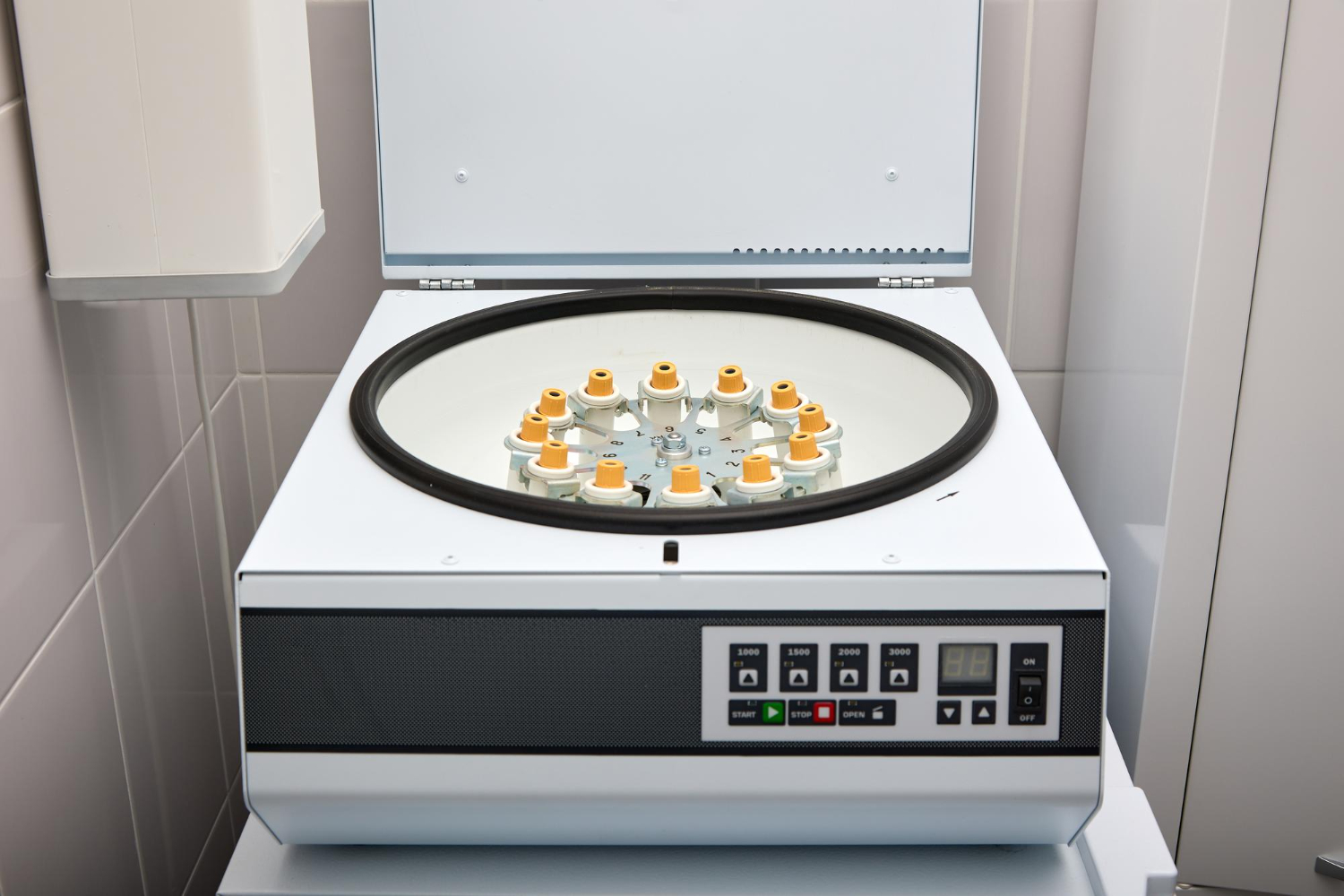
Modern benchtop centrifuges now give us high-speed, steady performance, and flexible rotor options in a compact size. For many workflows, they can stand in for a larger floor model, especially when space and budget are tight. That means if we choose and use them well, we can get a lot more value than we might expect.
Value is not just about the price tag. It is about how well the centrifuge fits our samples, how safe it is for staff and students, how often it is ready to run, and how easy it is to keep running year after year. Good local support, reliable consumables, and clear advice all add to that long-term value, especially for labs spread across Australia.
Choosing the Right Benchtop Centrifuge in Australia
When we pick a benchtop centrifuge in Australia, the first step is to match the unit to the work. Two numbers matter most: maximum speed in RPM and relative centrifugal force, or RCF. RCF is what actually acts on the sample, so we need to check that our chosen rotor and speed can reach the g-force our protocols call for.
It also helps to think about rotor style and tube sizes. Key questions include:
- Do we need a fixed angle rotor for quick pelleting or high-speed spins?
- Would a swing-out rotor help for good layer separation in blood or urine?
- What tube volumes do we use most, such as microtubes, 15 mL, 50 mL, or larger bottles?
- Do we need adapters to swap between sizes during a teaching lab?
Space is another big factor. Many Australian labs are working in tight rooms with shared benches. It can help to:
- Measure bench depth and height under shelves before choosing a model
- Plan for airflow around the unit to manage heat build-up in cooler months
- Check noise levels if the centrifuge will sit near desks or teaching spaces
Electrical setup matters too. We need to know:
- Local voltage and plug type for our building
- How many outlets share the same circuit
- How heat from several units will affect room comfort in winter when windows may be closed
Buying from a supplier based in Australia supports local safety standards, warranty support, and access to parts and consumables. If a rotor, lid seal, or adapter is delayed, sample backlogs can build up fast, so local supply can make a real difference.
Everyday Workflows That Maximise Centrifuge Value
The best way to get value from a benchtop centrifuge in Australia is to make it a smooth part of daily workflows. Many common lab tasks can run faster and with fewer errors if we set the centrifuge up thoughtfully.
Typical workflows include:
- Blood separation for serum or plasma
- Cell pelleting from culture or environmental samples
- Nucleic acid prep steps that need quick spins
- Food or water testing where sediments or fats must be spun down
To cut turnaround times, we can:
- Group similar samples so we are not changing rotors all day
- Keep standard tube types where possible
- Use clear, shared protocols pinned near the centrifuge
For teaching labs and busy clinical settings, presets are a big help. Many benchtop models let us store common time and speed settings. We can label these by task, such as:
- Serum prep
- Cell pellet
- Nucleic acid clean-up
This makes it easier for students, new staff, or casuals to run the correct spin without guessing, which supports both training and quality control.
With the right rotor and setup, one benchtop unit can also help handle winter testing spikes, from respiratory panels to veterinary samples. Instead of moving straight to a large floor model, some labs find that adding one more matching benchtop unit and sharing presets is enough to keep work flowing.
Safe, Efficient Operation That Extends Equipment Life
Safe use protects both people and samples, and it also helps the centrifuge last longer. A few simple habits go a long way.
Core safety practices include:
- Always balancing tubes by weight, not just by eye
- Using tubes and adapters rated for the RCF we plan to run
- Inspecting rotors for cracks or corrosion before use
- Checking that the lid lock engages and that staff never bypass it
Routine care is just as important. A basic maintenance checklist might cover:
- Wiping down the chamber and rotor with suitable cleaner
- Removing spilled samples quickly before they dry or corrode parts
- Checking lid seals for wear or cracks
- Recording runtime hours or cycles so we know when service is due
Regular preventive service helps avoid sudden breakdowns right in the middle of winter sample peaks. Following the manufacturer’s guidelines can give us:
- Fewer unexpected repairs
- More consistent spin performance
- Longer rotor and motor life
Over time, those gains add up to real savings, especially for education and research labs that depend on steady results rather than constant replacement.
Smart Consumables and Accessories That Boost Performance
A benchtop centrifuge in Australia only performs as well as the tubes, caps, and adapters inside it. High quality consumables matched to the rotor and RCF reduce the risk of broken tubes, leaking caps, or lost samples.
When choosing consumables, it helps to check:
- Tube material and rating for the g-forces we need
- Cap style, especially for samples that may foam or leak
- Compatibility with tube adapters for small volume work
Accessories can also open new options without buying a new centrifuge. Common add-ons include:
- PCR strip or plate adapters for molecular biology
- Microplate rotors for ELISA or screening assays
- Biosafety lids to contain aerosols for infectious samples
Standardising consumables across teaching, research, and routine labs keeps things simple. If most teams use the same main tube sizes and adapters:
- Ordering is easier
- Waste is reduced when stocks are shared
- Winter budgets stretch further because items are used more efficiently
Getting Ongoing Support From LabChoice Australia
Before winter workloads ramp up, it helps to pause and review how our centrifuges are used. We can look at:
- Current capacity and where bottlenecks appear
- Rotor types on hand, and which are used most
- Stocks of tubes, caps, and adapters for busy periods
From there, it is easier to see the gaps. Maybe a teaching lab needs more presets and matching tube sets, or a clinical lab needs a spare rotor ready to swap in. Industry sites might need sturdier consumables or extra biosafety accessories for seasonal projects.
At LabChoice Australia, we focus on helping education, research, and industry labs across the country match their benchtop centrifuge setups to real workloads. By choosing suitable models, rotors, and compatible consumables, we can help keep those winter sample peaks under control while supporting long, reliable service life.
Equip Your Lab With Reliable Centrifuge Solutions Today
If you are looking for a high quality benchtop centrifuge in Australia, we can help you choose the right model for your workflows and budget. At LabChoice Australia, we work closely with labs of all sizes to recommend equipment that delivers consistent performance and long term value. Talk to our team about your sample volumes, applications and compliance needs so we can match you with a practical solution. If you are ready to discuss options or request a quote, simply contact us today.