Understanding High Speed Centrifuges in Modern Labs
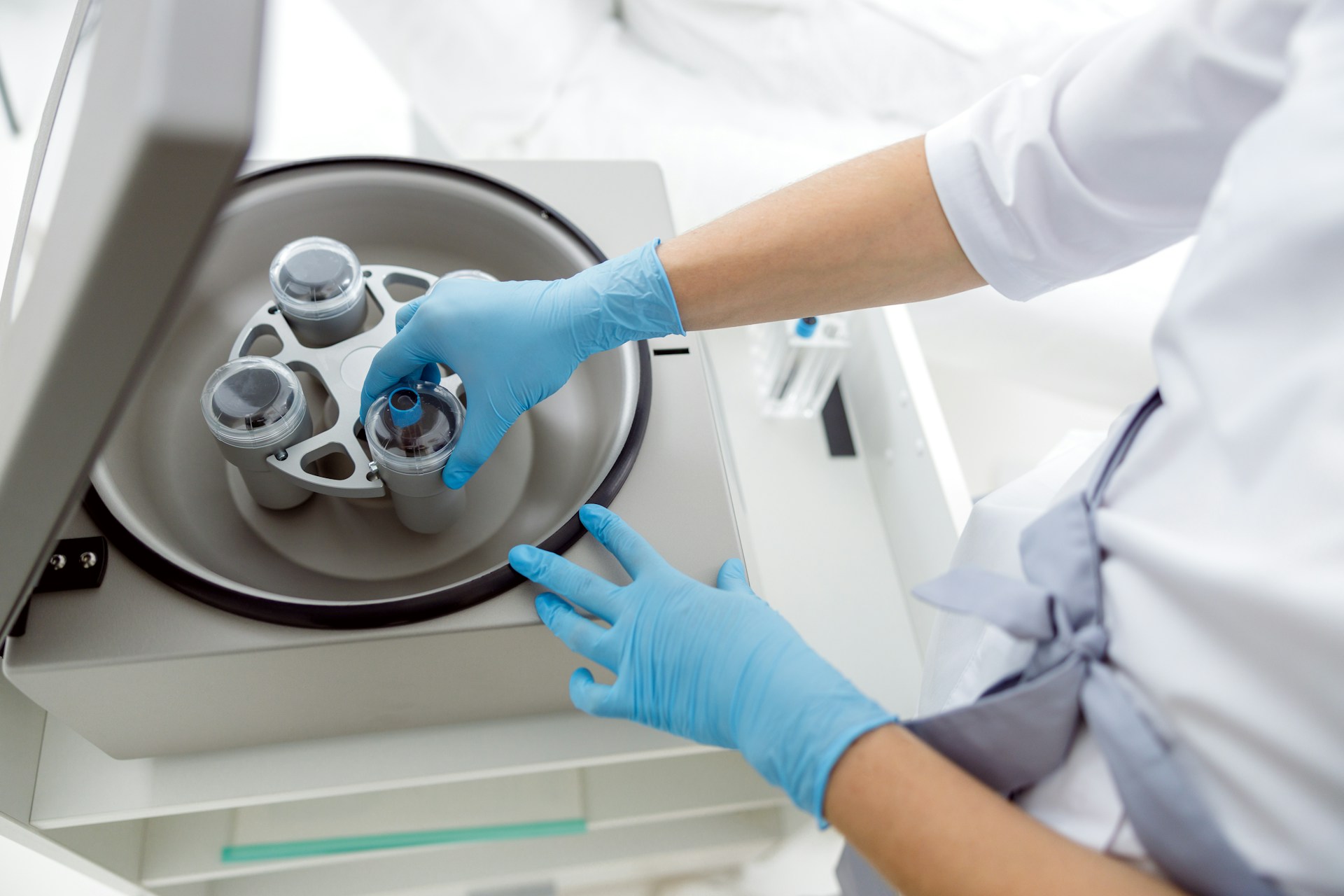
A high speed centrifuge is one of the first big pieces of gear most new labs need to get right. It has a huge impact on how fast you can prep samples, how smooth your workflows feel, and how happy your team is on a busy day. When you are choosing a centrifuge machine for a laboratory, it helps to know what “high speed” really means and where it fits in with your other equipment.
A standard bench unit will often handle basic spin-downs and low g-force work. A high-speed centrifuge runs at much higher revolutions per minute and higher relative centrifugal force, or RCF. It is built for smaller to medium volumes and for things like pelleting cells, spinning down DNA or RNA, working with proteins, microbiology work, or quality control tasks. Before choosing a centrifuge machine for a laboratory workflow, it is worth checking if your methods need these higher speeds or not.
For a new lab, the right high-speed centrifuge machine for laboratory protocols can reduce turnaround time, support more complex techniques, and keep teaching or research sessions running on schedule. In many cases, a high-speed model will cover most daily separation needs, so you only look at an ultracentrifuge later if you move into very specialised work that needs extreme g-forces.
Defining Your Laboratory Requirements Upfront
Before anyone starts shopping around, it helps to step back and ask what you are actually trying to spin. Your choice of centrifuge machine for laboratory work should be driven by your most frequent sample types and volumes, not by the flashiest spec sheet.
Think about:
- Sample type, for example blood, cell culture pellets, environmental samples, clinical specimens
- Typical tube formats, such as microcentrifuge tubes, 15 mL and 50 mL conical tubes, or bottles
- Batch size, like how many samples you want to run at once without constant rotor changes
If you are mostly running microtubes, you will want a rotor that holds plenty of them at the right radius. If you are often spinning conical tubes, you need a rotor that fits those safely and at the speeds your protocols ask for.
Next, look at speed and throughput. RCF is a better guide than RPM, because different rotors can reach the same RPM but give different g-forces. Check the protocols you plan to run and make sure the high-speed centrifuge machine for laboratory use can hit the g-forces you need with the rotors you plan to use. Also think about how many runs you expect per day and how long each run will take. A unit that can handle long days of repeated runs without overheating or slowing down will save a lot of frustration.
Finally, who will use the instrument? In teaching labs, a user-friendly centrifuge machine for laboratory classes can cut down on training time and reduce mistakes. Where students are involved, clear controls, strong safety interlocks, and simple rotor changes really help. In research or clinical spaces, more advanced programming options might matter more, since staff may run many different protocols.
Key Technical Features to Compare Before Buying
Once your needs are clear, it is time to compare technical details. These are the areas we suggest you focus on.
Speed range and capacity are a good starting point. Check:
- Maximum RCF at the rotor radius you care about
- Total tube or bottle capacity per run
- The types of rotors available, for example fixed-angle, swing-out, or microplate rotors
A fixed-angle rotor is common for pelleting, while swing-out rotors are useful when you need horizontal separation lines or when spinning plates. Check that your chosen high-speed centrifuge machine for laboratory applications supports the rotor types you need now and that there are options to add new rotors later.
Refrigeration is another big decision. A refrigerated centrifuge machine for laboratory use is important if you are working with temperature-sensitive samples, such as proteins or live cells. Look at:
- Temperature range, often from well below room temperature up to at least room temperature
- How quickly the chamber can pre-cool before a run
- How stable the set temperature is during long runs
Controls and programming will shape daily use. Digital panels with clear displays are usually easier to train on than older style dials. For some labs, it is helpful to have:
- Stored programs for common protocols
- Run logs, including speed, time, and temperature history
- USB or network options if you work under GLP or other regulated systems
For regulated workflows, choose a centrifuge machine for laboratory documentation that can store or export data so you can match runs to methods and reports later.
Safety, Compliance, and Ergonomics in New Australian Labs
High speed spinning always needs careful attention to safety. A safe centrifuge machine for laboratory environments should include basic features like a secure lid lock so the rotor cannot spin with the lid open, imbalance detection so the unit can stop if the load is uneven, and overspeed protection to prevent running beyond rated limits. Good practice also includes correct balancing of tubes and regular checks of rotors and buckets for wear.
Noise and footprint are easy to overlook but matter a lot in real life. Think about where your centrifuge machine for laboratory staff will sit and how it will feel in that room. In a quiet teaching lab, a very loud model can be distracting. In a busy research space, you might care more about bench space and access to power and ventilation. Leave enough room to open the lid fully and to remove rotors safely, and make sure service access will not block walkways.
For compliance, check that the unit meets common safety and electrical standards and that it fits with your own workplace health and safety policies and risk assessments. Choosing a compliant centrifuge machine for laboratory WHS requirements can make internal approvals simpler and help your safety team feel more comfortable with the new setup.
Budgeting, Accessories, and Working with Local Support
When planning for a high speed centrifuge, it helps to think beyond the instrument itself. Every centrifuge machine for a laboratory needs compatible tubes, bottles, caps, adapters, and sometimes extra rotors. It is smart to confirm which consumables match the rotor shapes and speed ratings so you are not stuck with gear you cannot safely spin.
Many labs like to start with one main rotor that covers everyday work, then add more specialised options as methods grow. A flexible high-speed centrifuge machine for laboratory growth should let you add different rotors over time instead of locking you into a single format. Universal or multi-purpose rotors can be a good fit for new labs with mixed sample types, as long as they still meet the speed and RCF requirements of your key assays.
Working with suppliers who hold stock and support in Australia helps with lead times and service. If something goes wrong or if you need an extra rotor in a hurry, local backing can make it easier to keep your workflows on track, especially when your samples or teaching schedule cannot wait.
How LabChoice Australia Supports New Laboratories
At LabChoice Australia, we work with new and growing labs across research, education, and industry, helping them set up practical, reliable workspaces. That includes glassware, plasticware, equipment like high speed centrifuges, and the consumables that go with them. When a lab is just getting started, we can help plan equipment lists so the key pieces, like a high-speed centrifuge machine for laboratory start-ups, fit together sensibly instead of being chosen in isolation.
We also spend a lot of time on product selection and technical advice. That might mean talking through whether you really need refrigeration, which rotor formats match your main assays, or how to line up a centrifuge with the tubes and bottles you already prefer. With a clear picture of your workflows, we can suggest which centrifuge machine for laboratory assays such as cell pelleting or DNA extraction is likely to suit your team and your space.
As labs grow, needs change. Extra rotors, more tube adapters, or even a second high speed unit may be needed to keep up with new methods or larger cohorts. LabChoice can support those changes with compatible consumables and accessories, so your existing centrifuge machine for laboratory operations can do more without forcing a complete reset of your setup.
Get Reliable Centrifuge Performance For Your Lab
If you are upgrading your lab or setting up new workflows, we can help you choose the right centrifuge machine for a laboratory that fits your applications and budget. At LabChoice Australia, we work with you to match capacity, speed and safety features to your specific requirements. If you would like tailored recommendations or a quote, simply contact us and our team will respond promptly.