Vortex Mixer Basics for Busy Labs
A vortex mixer looks small on the bench, but it does a lot of heavy lifting in day-to-day lab work. When we use it well, it saves time, protects our samples, and keeps our people safe.
In this guide, we walk through what a vortex mixer does, how to use it safely, how to look after it, and what to think about when choosing a new one. At LabChoice Australia, we see vortex mixers working hard in research labs, teaching spaces, and industry sites across the country, so we know how important good practice is.
Understanding Vortex Mixers as Everyday Laboratory Apparatus
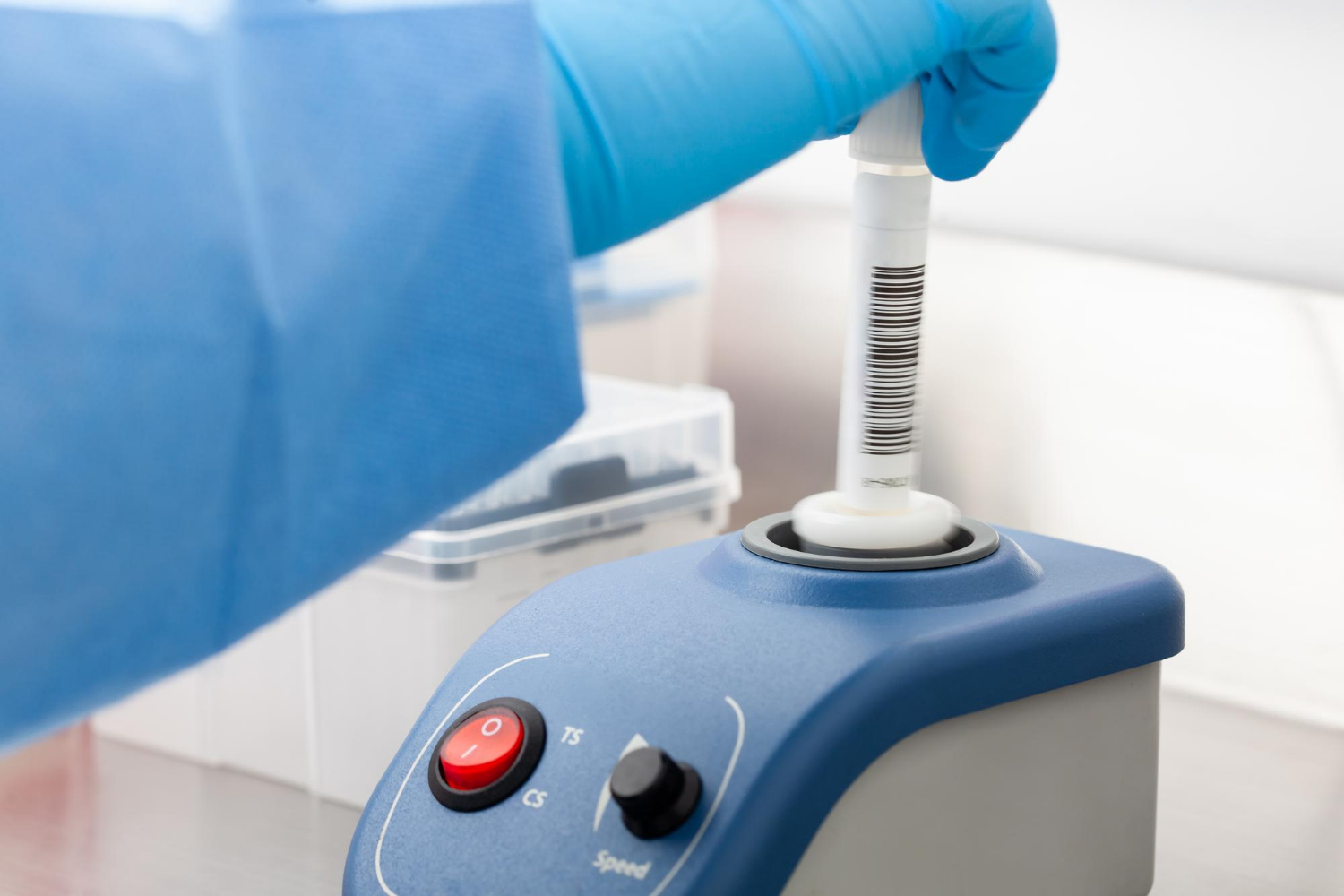
A vortex mixer is a small piece of laboratory apparatus that creates a rapid, circular motion in liquids. When a tube touches the mixing head, the motor turns this movement into a spinning vortex inside the container. This makes it handy for:
- Resuspending pellets after centrifugation
- Mixing reagents before a reaction
- Dissolving powders or tablets in solution
- Quick sample prep before moving to the next step
Inside the housing, you will usually find a motor, an eccentric drive, a rubber mixing head or cup, and speed controls. Some models have touch mode, where the vortex starts only when you press a tube down, and others offer continuous mode for hands-free use. This compact piece of laboratory apparatus converts rotational motion into a strong vortex inside your sample container.
In the wider lab workflow, a vortex mixer sits alongside shakers, stirrers, and rollers. We tend to reach for it when we want fast, intense mixing of small volumes, rather than slow, gentle movement. In teaching labs, the vortex mixer is often the first motorised laboratory apparatus students learn to operate safely, so good habits here carry through to other equipment.
Safe Use and Common Hazards to Avoid
Like any powered laboratory apparatus, a vortex mixer should be checked for visible damage before each use. Before switching it on, we suggest a quick look at:
- Power cord and plug for cuts or loose parts
- Housing and controls for cracks or chemical residue
- Mixing head for worn rubber, sticky spots, or spills
Make sure the unit sits level on a stable, non-slip bench, away from the edge and clear of puddles. If the feet are missing or uneven, the mixer can walk across the bench when running at higher speeds.
When using this laboratory apparatus, keep safety in mind with every tube. Good technique includes:
- Start at a low speed, then slowly increase if needed
- Hold the tube at a slight angle, cap pointing away from you and others
- Keep a firm grip and match tube size to the head or adapter
Keep your eyes level with the label on the tube, not the open end, so you are not staring straight at any splash zone.
Personal protective equipment matters too. At a minimum, a lab coat and safety glasses are good practice, and gloves when the sample or reagent calls for it. Vortexing biological samples requires the same precautions you would apply to any aerosol-generating laboratory apparatus, so consider sealed tubes, secondary containers, or working inside a biosafety cabinet when needed.
Compared to many types of laboratory apparatus, a vortex mixer is simple, but incorrect tube selection is a major source of accidents. Overfilled tubes, loose caps, and cracked glass can all lead to spills or flying fragments. Never overload multi-tube platforms with more tubes than they are designed for, and always match adapters to the tube type.
To cut down aerosols and cross-contamination, it helps to:
- Keep speeds only as high as needed for good mixing
- Use secure caps or filter caps where suitable
- Wipe the mixing head between different assays or sample types
Treat the mixing head like any shared laboratory apparatus surface, and clean it between runs that involve incompatible or sensitive reagents.
Electrical and mechanical safety is just as important. Unplug the unit before cleaning, swapping heads, or moving it to a new bench. If you notice unusual noise, strong vibration, or a burning smell, stop the mixer at once. Faulty laboratory apparatus should be tagged out and reported, and internal repairs left to trained service technicians.
Care, Cleaning and Routine Maintenance
Regular cleaning keeps this high-contact laboratory apparatus safe for multiple users throughout the day. A quick daily wipe can make a big difference:
- Clean the outer housing with a mild detergent or suitable disinfectant
- Wipe the mixing head or cup after runs with sticky or hazardous samples
- Deal with spills straight away so they do not dry on the rubber
Avoid strong solvents on the rubber head unless the manufacturer specifically allows it, as some chemicals can cause cracking or swelling over time.
From time to time, it helps to give the mixer a closer inspection. As with any long-lived laboratory apparatus, small consumable parts on a vortex mixer are designed to be replaced over time. Check:
- Rubber cups, tube platforms, and adapters for wear or damage
- The stability of the feet under the base
- The power cord and plug for visible faults
- That speed controls and switches move smoothly
For speed-critical work, such as certain assays or validated methods, you may need to confirm that the set speed matches the actual mixing speed. Facilities that audit their laboratory apparatus performance may include vortex mixers in their equipment qualification program, especially in regulated environments like GLP or GMP labs.
Choosing the Right Vortex Mixer for Your Space
When selecting this piece of laboratory apparatus, pay close attention to speed range and control type to match your protocols. Key points to compare include:
- Fixed vs variable speed
- Analogue dial vs digital control
- Touch mode only vs touch and continuous operation
- Timer options and simple programs if needed
The type of samples and vessels in your lab will guide the capacity and attachments you need. Look for a vortex mixer that ships with, or can accept, accessories matching your existing laboratory apparatus such as microplates and conical tubes. Common choices are:
- Single-tube cup heads
- Inserts for multiple small tubes
- Adapters for microplates or small flasks
Bench space is always tight, especially in busy Australian labs where many instruments share the same surface. In space-limited labs, a compact vortex mixer can be one of the easiest laboratory apparatus to fit into an already crowded bench. Think about:
- Build quality and chemical resistance
- Noise level in open-plan areas
- Suitability for cold room or cleanroom use
- Weight, if you move equipment between rooms or classes
Matching Mixers to Australian Lab Settings
Across Australia, different lab settings lean on different features. Research groups may want a digital vortex mixer with precise speed control, while teaching labs may prioritise rugged laboratory apparatus that students cannot easily damage. Industry and quality control labs often look for models that are easy to document and include clear operating ranges.
Compliance and support matter too. Working with an Australian supplier simplifies service and replacement of critical laboratory apparatus such as vortex mixers, especially when you need local advice on suitable models, spares, and documentation for audits.
At LabChoice Australia, we focus on helping labs match their mixing needs with practical, well-chosen equipment. We provide a wide range of vortex mixers and complementary laboratory apparatus to support research, education, and industry across Australia, from small teaching benches to busy production labs.
To keep daily work smooth, it can help to add your vortex mixer to your standard start-up checks. Include your vortex mixer alongside other critical laboratory apparatus on your lab’s start-up safety checklist so that issues are picked up early.
Good care will keep your mixer running well. Proper storage extends the life of all laboratory apparatus, and vortex mixers are no exception. If the unit is not used often, store it unplugged, clean, and covered to protect it from dust and chemical fumes.
As your lab grows, reviewing core laboratory apparatus, including vortex mixers, helps maintain productivity and safety. More samples, new tube formats, or updated methods may all be signs that it is time to adjust your vortex mixer setup so your bench stays safe, tidy, and ready for the next run.
Equip Your Lab With Reliable Tools Today
If you are ready to upgrade or expand your setup, we have carefully selected laboratory apparatus to suit Australian labs of all sizes. At LabChoice Australia, we focus on reliable gear so you can focus on accurate results. Explore our range today and find the right fit for your workflow. If you have any questions or need guidance, just reach out and we will help you choose with confidence.