Build Reliable Stability Studies From Day One
Good disposable labware planning can make or break a pharmaceutical stability program. When we know exactly which tubes, vials, and filters we need from the start, we protect the data, calm the auditors and make life easier for the whole team.
For stability studies heading toward a summer release in Australia, that planning matters even more. Heat, humidity and tight project timelines put extra pressure on people and on materials. If labware choices are vague or last-minute, the risk of surprises grows.
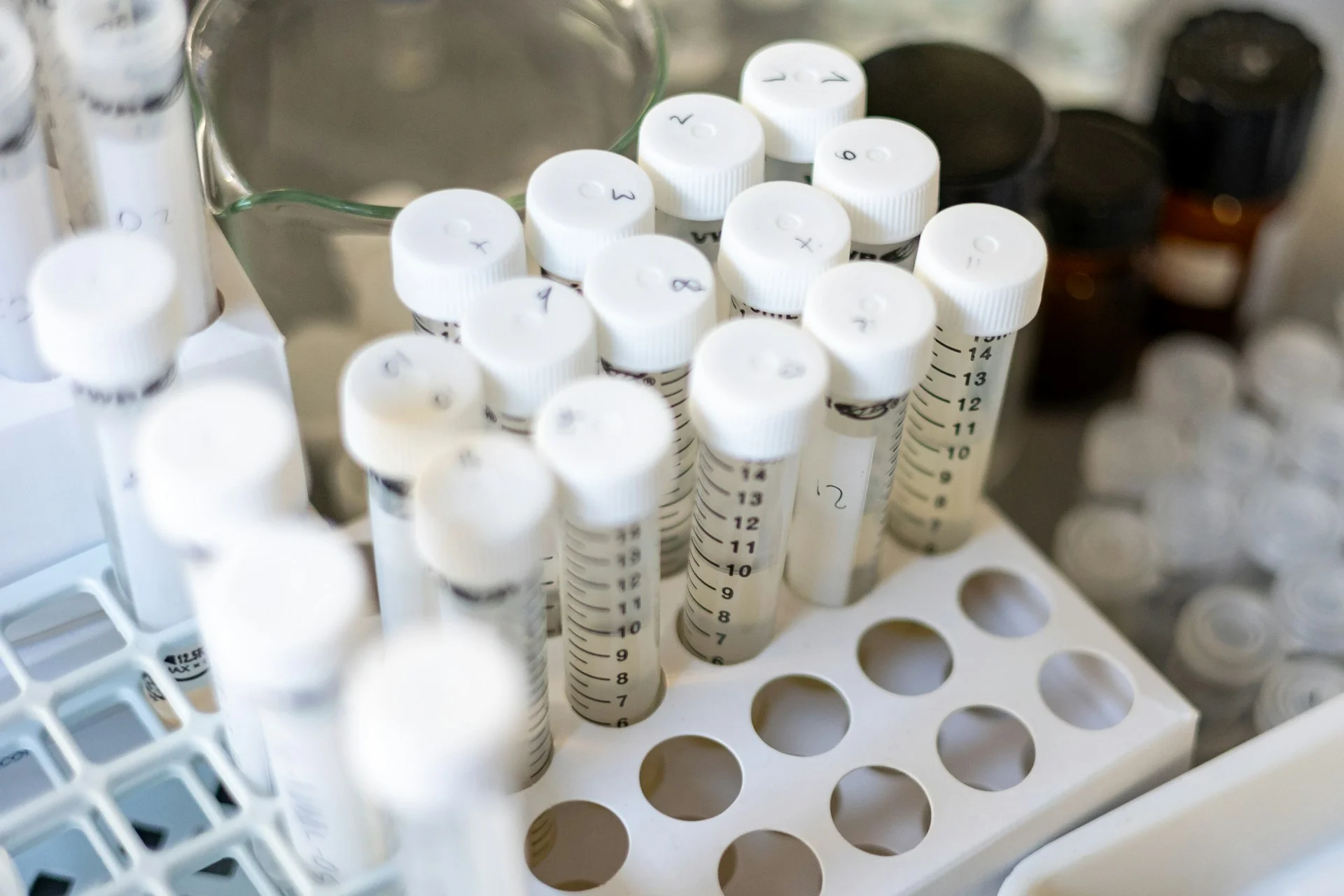
When we talk about disposable labware for pharmaceuticals, we are usually thinking about items like:
- Tubes and vials
- Pipette tips and syringes
- Filtration units and syringe filters
- Sample containers and cryovials
- Culture flasks and cell culture plastics
With a clear plan, we see big gains: lower contamination risk, smoother audits, more predictable costs and an easier jump from small R&D studies to full commercial stability programs.
Matching Disposable Labware to Stability Protocols
A good plan starts with the protocol. Long-term, accelerated and stress studies will all place different demands on disposable labware for pharmaceuticals. We want the labware to fit the study, not the other way around.
Key protocol details to map to labware include:
- Sample type and volume for each timepoint
- Number of repeats and backup samples
- Storage conditions, like fridge, freezer or high heat chambers
- Any light, humidity or agitation requirements
Material choice is a big one. In simple terms:
- Borosilicate glass is usually favoured for many drug products, especially with organic solvents, due to its stability and low interaction.
- Polypropylene tubes can suit many aqueous samples and are common in routine work.
- Polyethylene and other plastics can be handy for some buffers but may not like high heat or certain solvents.
Each drug product and excipient mix can behave differently, so matching material to formulation early avoids mid-study switching. If we change from one tube type or vial coating to another halfway through, we may create extra method checks, extra questions and extra paperwork during an audit.
When we design the study around the right labware from the start, we:
- Keep methods consistent from first sample to last
- Reduce the need to revalidate simple handling steps
- Make it easier to answer questions from QA and regulators
Minimising Contamination and Interaction Risks
Stability work looks calm from the outside, but contamination is always waiting for a gap. It does not take much to shift a trend line or add noise to already tight data.
Common risks include:
- Leachables from plastic containers moving into the sample
- Adsorption of the active or preservative onto tube or vial walls
- Cross-contamination from shared tools or reused containers
For biologics and highly potent compounds, labware choice can be even more sensitive. In these areas we often:
- Certified low-bind tubes to keep proteins or peptides in solution
- Low-leach plastics or glass vials rated for the solvents in use
- Sterile single-use items for sample prep, filtration and transfer
Good handling practices help as much as good products. Helpful habits include:
- Single-use workflows, where any item that touches a sample does not come back to the bench
- Colour coding or barcoding of vials and tubes so each sample has a clear identity path
- Physical separation between stability chambers and sample preparation spaces, reducing mix-ups and condensation issues
With a clear plan, staff are not guessing which tube is safe or which tip is allowed for a specific method. That calm, repeatable routine is where clean data comes from.
Cost Control and Stock Security in a Tight Supply Market
Even the best protocol will stall if the right tube or filter is missing on the day of testing. Planning disposable labware for pharmaceuticals is also about keeping the cupboard ready for what is coming.
For a 6- to 12-month stability program, it helps to:
- Map every timepoint across every condition and product
- Add expected repeats, investigations and method tweaks
- Include extra for training new staff or bringing methods in-house
Supply chains can tighten as Australian spring turns into a hot summer. Freight delays, heat-sensitive plastics and higher global demand can stretch delivery times. Some items do not like sitting in a hot truck or warehouse, so we need to think about timing and storage at our end as well.
Working with a single reliable online source can:
- Reduce the number of approvals and purchase orders
- Make stock levels more visible across projects
- Help line up orders with expected study peaks and holiday slowdowns
With fewer surprise outages and a small buffer on key items, we protect study timelines and keep the team focused on science instead of chasing boxes.
Sustainability and Waste Management in Regulated Labs
Many labs are trying to balance strict stability rules with corporate sustainability goals. Single-use plastics can feel at odds with green targets, especially as studies scale up.
While we cannot cut corners on contamination control, we can make smarter choices, like:
- Right-sizing containers so we are not half-filling large tubes or vials
- Choosing multi-purpose items that suit several methods and products
- Planning batch sizes to match labware packs and avoid half-used sleeves
Waste handling also matters. Practical steps include:
- Clear segregation of general waste, recyclables, sharps and clinical waste
- Using approved sharps containers for broken glass and needles
- Looking into specialist recycling or recovery options where rules allow
Regulators mainly care that stability data is safe, traceable and reliable. Within that framework, careful planning lets us cut waste without touching data integrity.
Turning Your Labware Plan Into a Ready-to-Order Checklist
The easiest way to lock all of this in is to turn the protocol into a simple, living checklist. Work product by product, timepoint by timepoint, chamber by chamber.
Many labs find it helpful to build a template that covers:
- Sample containers and closures for each product and strength
- Filtration, tips and syringes for preparation and dilution
- Labels, barcodes and secondary containers for transport to chambers
- Extra items for investigations, repeats and transfer studies
Once the template is set, it can link to project milestones. Seasonal review points are handy too, especially ahead of the hotter months across Australia when freight and storage can be harder.
At LabChoice Australia, we see how much smoother stability work runs when disposable labware for pharmaceuticals is thought through early. With the right plan, your team can focus on the science, your QA group can see a clear, auditable path and procurement can stay ahead of the next round of stability studies.
Streamline Your Pharmaceutical Workflows With Reliable Labware Choices
If you are ready to improve consistency and traceability in your lab, explore our carefully selected range of disposable labware for pharmaceuticals tailored to Australian pharmaceutical workflows. At LabChoice Australia, we focus on quality, availability and compliance so your team can concentrate on accurate results. If you would like help matching products to your specific protocols, simply contact us and we will work through the options with you.