Pharmaceutical QA work lives or dies on the small details. One cracked tip, one poorly made tube, or one leaky cap can undo hours of careful work and raise questions about your data. That is why specifying the right disposable labware for pharmaceuticals is not just a purchasing task, it is a quality decision.
In QA, every plate count, every chromatogram, and every sterility result needs to stand up to audit and support patient safety. Good disposable consumables help keep contamination out, keep workflows repeatable, and keep cleaning validation under control. In this article, we will walk through how to match your disposable labware to your QA workflows, what specs to look for, and how smart choices can support both compliance and day-to-day lab life.
Building QA Confidence with the Right Disposable Labware
When you work under tight regulatory expectations, you cannot afford mystery variables. Reusable items have their place, but they bring cleaning, carryover, and validation load. Well-specified disposables help remove a big chunk of that risk.
Choosing the right consumables can help you:
- Cut the chance of cross-contamination between batches
- Reduce cleaning validation scope and documentation
- Support more consistent data across stability, sterility, and release testing
Instead of worrying if a flask was cleaned to the right level, you start with a fresh, known state. That can be a real relief when auditors ask hard questions about how you control contamination and variability.
Our focus at LabChoice Australia is on supplying durable, precise disposable labware that fits straight into these high-trust workflows, so QA teams can keep their attention on the science, not on the plastic.
Core QA Workflows That Depend on Disposable Labware
Pharmaceutical QA touches many types of tests, and each leans heavily on disposables in different ways.
Common areas include:
- Microbiology testing, including bioburden and plate counts
- Sterility and endotoxin testing in controlled areas
- Sample prep for assays and identification tests
- Dissolution testing for oral products
- Analytical QC such as HPLC, UV-Vis, GC, and other chromatography
Micro labs often need sterile, single-use loops, spreaders, pipette tips, and media containers that can be taken straight into biosafety cabinets. For endotoxin testing, consumables must be certified pyrogen-free so they do not contribute to false positives.
Analytical labs have different needs. Here, low extractables and low leachables matter, because plastics should not shed compounds into mobile phases or samples. Autosampler vials and caps must seal reliably and not shed particulates that block needles or columns.
As you get closer to spring and summer in Australia, testing volumes often rise for seasonal lines and vaccine runs. Higher sample loads put pressure on staff and equipment. Ready-to-use disposable labware keeps throughput up when there is less time to wash, inspect, and re-qualify reusable items, and it helps keep audit readiness steady across busy release windows.
Key Specifications When Choosing Disposable Labware
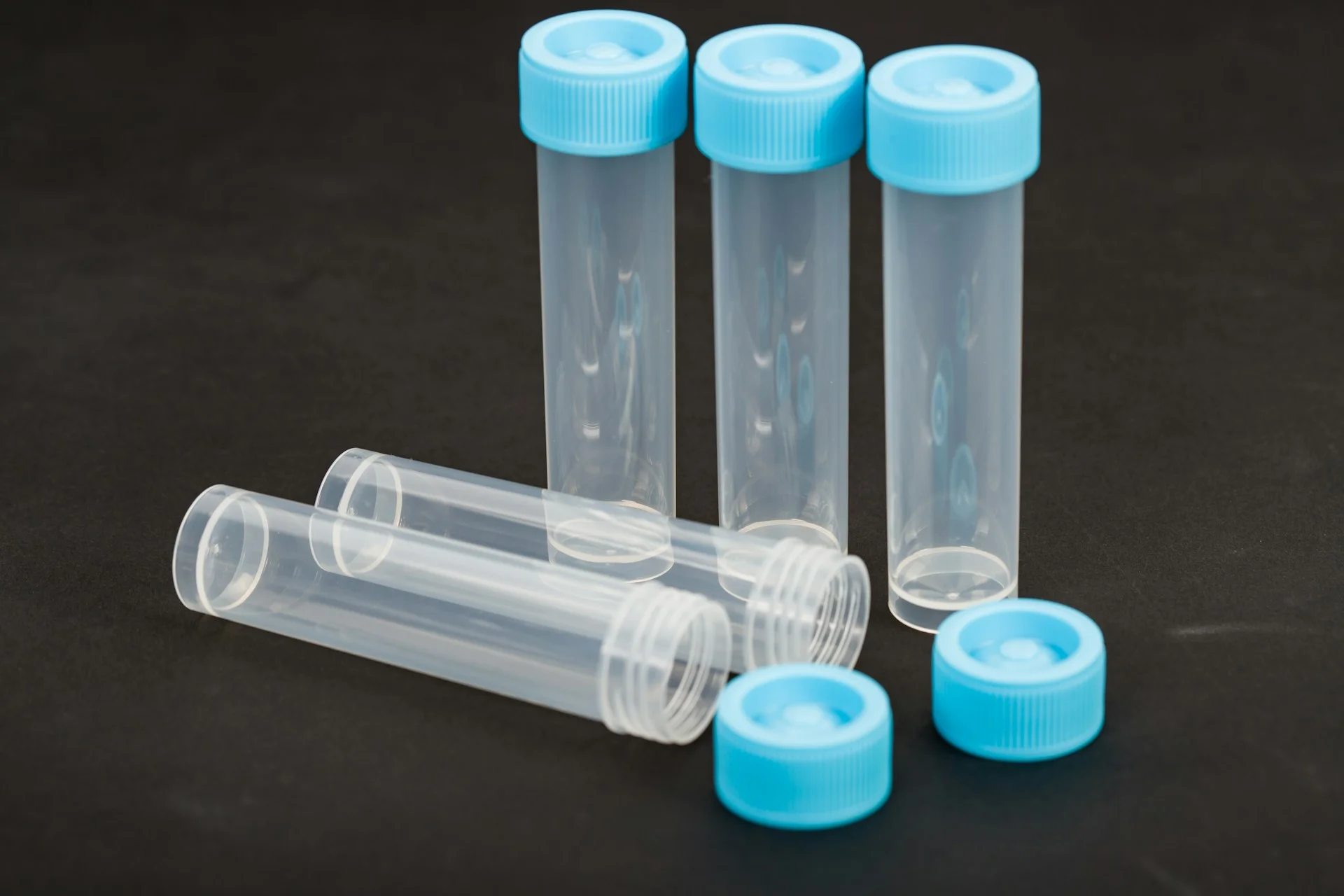
When you choose disposable labware for pharmaceuticals, material choice is usually the first step. Common polymers each bring trade-offs:
- PP (polypropylene) for many tubes and tips, good chemical resistance and temperature range
- PE (polyethylene) for flexible bottles and wash containers
- PS (polystyrene) for clear plates and some cultureware, but less chemical resistance
- PTFE for high chemical resistance where aggressive solvents are used
You need to match these to your usual acids, bases, solvents, and detergents, as well as to any low binding needs for proteins or nucleic acids. Temperature limits also matter for items that move between incubators, fridges, and freezers.
Dimensional accuracy is another quiet but big factor:
- Tight volume tolerances and clear, legible graduations
- Good fit with common pipettes, dispensers, and autosamplers
- Secure closures to avoid leaks during shaking or transport
- Ergonomic shapes that help operators avoid slips, spills, and misreads
Then there is paperwork. QA teams often need:
- Batch and lot numbers on every pack for traceability
- Certificates of Analysis and Certificates of Conformity
- Clear statements on sterility type and sterility assurance level where relevant
- Information on compliance with key pharmacopeial and ISO standards
Without this documentation, it is much harder to defend your consumable choices during an inspection.
Mitigating Contamination and Variability Risks
Contamination in QA labs can sneak in from many paths. Microbial contamination may come from air, surfaces, or staff. Particulates can come from poor quality plastics, damaged packaging, or even flaky caps. Chemical leachables and extractables can arise when plastics meet harsh solvents or long contact times.
If disposable labware is not well specified, these factors can blur your data. Out-of-spec results then trigger long investigations where you have to ask if the issue was the product or the test system.
Certified sterile, pyrogen-free, DNase- or RNase-free, and low-particulate consumables help protect sensitive methods, especially in microbiology and biologics QA. When you know that the consumables have been tested and packed to the right level, you remove one more uncertainty from root-cause reviews.
Practical steps that help reduce risk include:
- Segregating disposables by cleanroom grade and application
- Using colour-coding and labelling to avoid mix-ups between similar items
- Setting up incoming-goods checks that match your QA standards
- Storing plastics away from direct sun and heat, and adjusting storage for humid Australian summers to keep packaging intact
Taken together, these habits support cleaner data and fewer repeat tests.
Balancing Cost, Compliance and Sustainability
It is easy to look only at unit price when buying consumables. For QA labs, the real cost sits with failed batches, repeat analysis, extended deviations, and tough regulatory findings. Poor quality labware can quietly feed all of these.
A more balanced view takes into account:
- Consistency of results over time
- Reliability of supply so methods are not re-validated for new items too often
- Waste levels from leaks, breakages, or blocked instruments
Sustainability expectations are also growing in Australia. Labs are exploring more recyclable materials where they suit the application, better waste segregation streams for plastics, and careful selection of higher quality disposables that reduce reruns, which in turn lowers total waste.
Standardising on a carefully vetted labware range across sites and teams can support both compliance and planning. With fewer variants in play, training is simpler, methods are easier to align, and stock control becomes more predictable through the financial year.
Practical Supplier Checklist for Pharmaceutical QA Teams
When QA managers review suppliers of disposable labware for pharmaceuticals, a clear checklist can help. Key points often include:
- Coverage of the full QA workflow, from microbiology to analytical
- Availability of validation and quality documents for review
- Local stock on shore in Australia to reduce lead time risks
- Consistent lead times and clear back-order communication
Technical support also matters. Good suppliers can help with material compatibility questions, suggest product matches when you change brands, and support method transfers or seasonal scale-ups with sensible product options.
At LabChoice Australia, we aim to be that kind of partner, helping QA teams specify, test, and roll out disposable labware lines that sit neatly within existing SOPs and support upcoming inspections.
Next Steps to Strengthen Your QA Labware Strategy
A simple first step is to map your current disposable labware list against your main QA workflows. Look for items that cause regular issues, come without clear documentation, or vary between sites. These are often the quiet sources of data risk.
From there, many teams build or refresh internal specification sheets for critical consumables. Using the material, design, and documentation points we have covered helps bring everyone onto the same page before the next busy testing period hits.
When you are ready to review options, we at LabChoice Australia are here to help with tailored suggestions, sample evaluations, and practical support so your disposable labware choices keep supporting strong, reliable pharmaceutical quality assurance all year round.
Secure Reliable Lab Outcomes With The Right Disposable Labware
At LabChoice Australia, we help pharmaceutical teams protect sample integrity and maintain compliance with a trusted range of disposable labware for pharmaceuticals. Our specialists can guide you to the most suitable options for your workflows, from R&D through to quality control. If you would like tailored recommendations or pricing, simply contact us and we will work with you to get exactly what your lab needs.