Smarter Plastic Choices for High-Stakes Lab Workflows
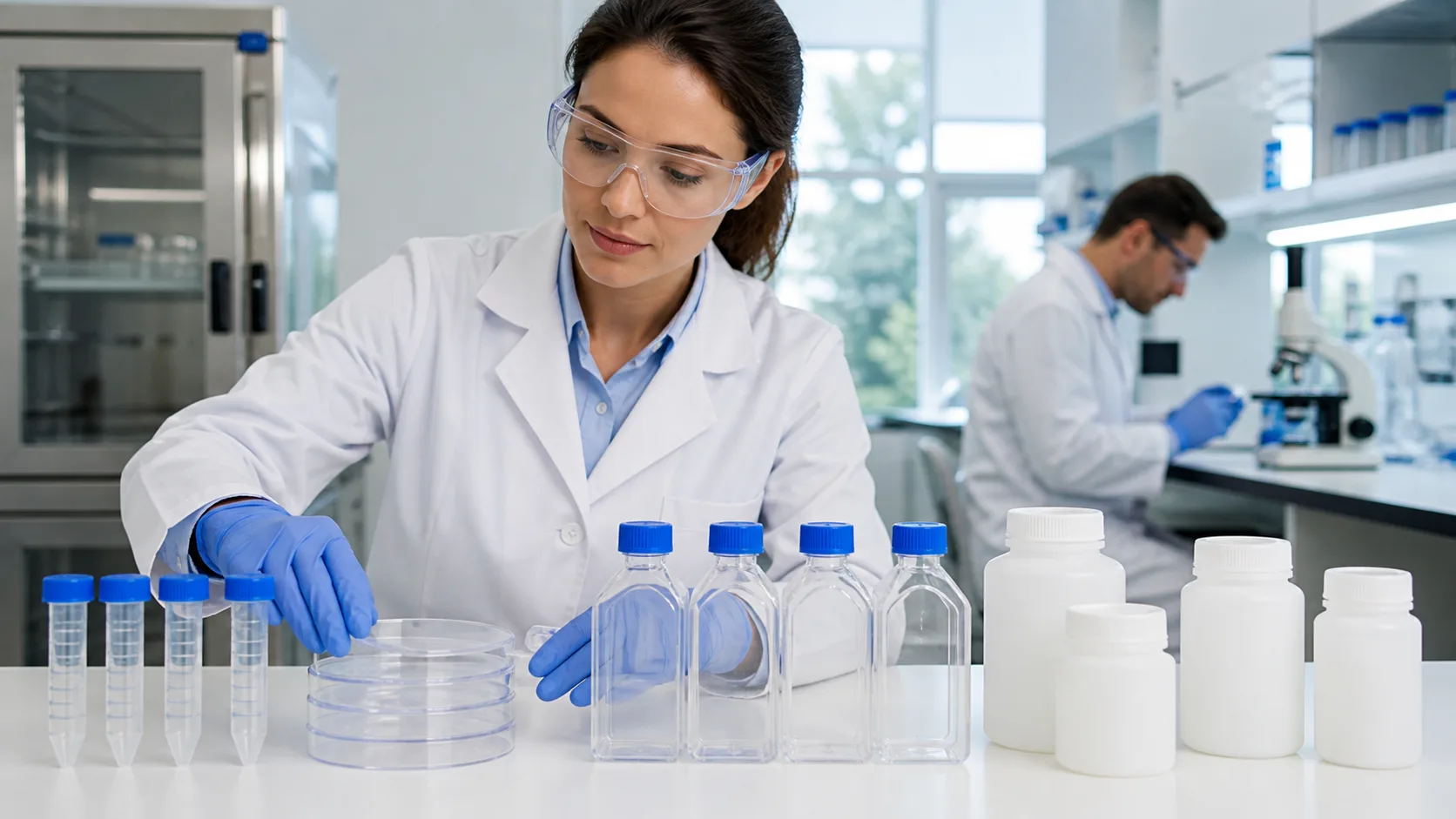
Picking lab plasticware is not just about what is on the shelf or what was used last term. The plastic itself can decide whether your assay holds up, your culture survives, or your audit goes smoothly. When workflows are heavy and contamination risk is high, material science stops being a nice extra and becomes part of good lab practice.
Modern Australian labs are running more complex chemistries, more biologics, and more high-throughput platforms. With that comes greater exposure to solvent attack, stress cracking, and sterilisation damage. If we get the plastic wrong, we can see warped bottles, fogged tubes, drifting results, and raised eyebrows from quality or accreditation teams.
Spring and summer add a twist here. Higher ambient temperatures, busy teaching terms, and tighter audit cycles all push plasticware harder. Things sit longer in solvents, bleach and UV are used more often, and consumables may be reused at the edge of their rating. This is when smart choices around polypropylene, polystyrene, PETG, and fluoropolymers really pay off.
At heart, performance comes from polymer structure. Two simple ideas help:
- Amorphous vs semi-crystalline
Semi-crystalline plastics have ordered regions that bring higher chemical resistance and better high-temperature behaviour, but they are often cloudy. Amorphous plastics are clearer and easier to mould with sharp detail, but they can be more open to solvent attack and deformation.
Non-polar materials tend to shrug off many organics but can stress crack in the wrong solvent mix. More polar materials can give better gas barrier properties and clarity but might not like strong alkalis or some disinfectants.
In day-to-day lab plasticware, that plays out like this:
- Polypropylene: semi-crystalline, tough, slightly cloudy to translucent, great for tubes, bottles, racks, and general consumables
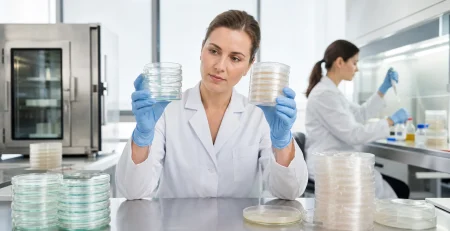
- Polystyrene: amorphous and glass-clear, rigid, common in Petri dishes, culture plates, and serological pipettes
- PETG: clear and tough with good impact resistance, found in flasks, bottles, and single-use bioprocess assemblies
- Fluoropolymers like PTFE, FEP, PFA: usually opaque or translucent, very inert, used for aggressive solvents, tubing, and critical sample contact parts
The trade-offs sit between optical performance and chemical grit, between sterilisation tolerance and risk of warping, and of course between upfront spend and reliability across repeated harsh cycles.
Polypropylene and Polystyrene in Everyday and Harsh Use
Polypropylene (PP) is a quiet workhorse. Its semi-crystalline structure gives:
- Broad chemical resistance to many acids, bases, and organics
- Good compatibility with aqueous buffers and dilute bleach
- Autoclavability when designed for it
- Decent toughness and fatigue resistance
That said, PP does not love strong oxidisers, some chlorinated solvents, or long exposure to high concentrations of peroxides. Repeated gamma cycles can make PP brittle and increase the chance of extractables creeping into sensitive assays.
Polystyrene (PS) is the optical star. Being amorphous, it is very clear and quite rigid, which is perfect when we want:
- Easy visual checks of turbidity or cell growth
- Flat bottoms for microscopy and plate readers
- Smooth surfaces for cell attachment in treated grades
The catch is that PS is easily attacked by many organic solvents, especially aromatics and some alcohol mixes. It is also not happy at high heat, so autoclaves and long dry heat cycles are usually out. Under stress and solvent contact, PS can craze and crack, which can release small molecules into media over time.
For Australian education labs, PP is usually safer where students may overfill tubes, push bleach concentrations, or heat things a bit more than planned. PS plates and dishes are great for teaching and basic cell work, but we should keep them away from aggressive cleaning solvents and heavy sterilisation routines.
Clinical and research labs with high-contamination workflows can lean on PP for sample tubes, waste handling, and bleach-rich areas. PS belongs where clarity and optics matter most, and contact times or solvents are well controlled.
PETG and Fluoropolymers for Solvents and Sterilisation
PETG sits in a neat middle ground. It offers:
- High clarity, similar to PS
- Better impact resistance than standard PET
- Good performance under gamma sterilisation
- Low particulate shedding in well-made products
PETG does not like high heat, so autoclaving is usually not suitable. Certain solvents, especially some ketones and aromatics, can cloud or crack PETG with enough time and stress. It shines in single-use bioprocess setups, sterile transport containers, and fluid handling where gamma sterilisation is part of the supply chain.
Fluoropolymers such as PTFE, FEP, and PFA are the heavy hitters when we care about chemical resistance and low extractables. They bring:
- Exceptional resistance to strong acids, bases, and most organics
- Very low surface energy, which reduces adsorption of analytes
- Very low extractables, crucial for trace analysis and regulated methods
- Good performance under aggressive cleaning agents
When it comes to bleach, UV, and gamma:
- PETG: handles gamma well, but UV and heat need careful control, and strong bleach at high temperature can age it faster
- Fluoropolymers: generally handle bleach and many sterilisation methods well, though some grades can show surface changes with intense UV or repeated high-energy radiation
In food, pharma, and industrial workflows across Australia, PETG fits where we want ready-to-use, gamma-sterilised systems with good clarity and impact strength. Fluoropolymers fit where solvents are harsh, cleaning is extreme, and sample integrity is non-negotiable.
Solvent, Bleach, and Sterilisation Compatibility in Practice
To make this real, it helps to group typical lab chemicals.
Common solvents and disinfectants:
- Alcohols like ethanol and isopropanol
- Ketones like acetone and MEK
- Aromatics and chlorinated solvents
- Sodium hypochlorite bleach and peracetic acid
General patterns:
- PP: good with alcohols and many aqueous systems, often OK with short exposure to diluted ketones, but not for strong aromatics or chlorinated solvents
- PS: dislikes many organics, especially strong alcohols, ketones, and aromatics, best with aqueous media and gentle cleaning
- PETG: usually OK with alcohols and many buffers, watch out for strong ketones and long solvent soaks
- Fluoropolymers: usually safe across almost all of the above, including strong oxidisers, within rated conditions
Sterilisation brings its own set of issues: embrittlement, discolouration, and small fragments forming as chains break. UV can yellow PS and PETG, and repeated gamma cycles can age PP. Fluoropolymers tend to cope well but should still be used within the supplier’s stated exposure limits.
Practical tips that help during busy spring and summer periods:
- Set maximum numbers of sterilisation cycles per item type
- Rotate plasticware so the same racks and bottles do not always take the harshest conditions
- Keep a simple record of material type against solvent and sterilisation exposure in your SOPs
Managing Extractables and Leachables Risk
Extractables are compounds that can be pulled out of a material under forced lab conditions. Leachables are what actually move into your sample under normal use. They can come from additives, monomer traces, oligomers, or breakdown products, and they can interfere with:
- Sensitive biologic formulations
- Regulatory submissions in GMP or GLP settings
Typical patterns:
- PP: usually low to moderate extractables, often a good choice for many analytical workflows when using suitable grades
- PS: can release styrene-related species, especially with long contact times and certain solvents
- PETG: generally low extractables for aqueous systems, but history of gamma and storage conditions matter
- Fluoropolymers: typically very low extractables, which is why they are trusted for high-purity and trace analysis
Risk goes up with hotter temperatures, longer contact, harsher solvents, and more aggressive sterilisation histories.
Ways to keep risk down include:
- Selecting low-extractable grades for critical steps
- Validating new lots before dropping them into validated methods
- Doing targeted worst-case extraction studies for key workflows
- Aligning with relevant pharmacopeial or ISO guidance where it applies
Building a Material-Savvy Lab Plasticware Strategy
A simple way to get more material-savvy is to map your actual conditions, then match materials to them. List out:
- Solvents and disinfectants used
- Temperature ranges, including hot days in the lab
- Sterilisation methods and cycle counts
- Contamination risk and assay sensitivity
From there, build a lab-specific compatibility matrix instead of relying on habit. Update SOPs ahead of peak teaching and production seasons so staff know which plastic goes where, and what to avoid with strong bleach, UV, or long solvent holds.
As an Australian supplier of lab plasticware, glassware, consumables, and equipment, we see every kind of workflow, from education labs to food, pharma, and industrial sites. That broad view helps match polypropylene, polystyrene, PETG, and fluoropolymers to the right jobs, so your high-contamination workflows stay steady, your audits stay calmer, and your results stay believable.
Equip Your Lab With Reliable Plasticware Today
Explore our full range of quality lab plasticware designed to support accurate, consistent results in every experiment. At LabChoice Australia, we work closely with you to match the right consumables to your specific protocols and budget. If you would like tailored product recommendations or a quote, simply contact us and we will be in touch promptly.