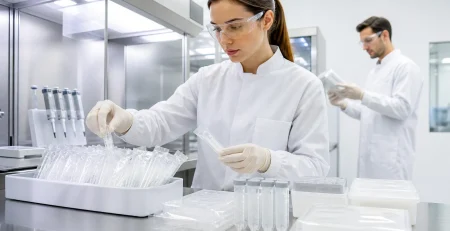
Designing Lab Plasticware Workflows for Faster Sample Turnaround
Fast sample turnaround is not just about big instruments and software. A lot of time is won or lost in the simple items we touch all day, like tubes, racks, and plates. When we plan our lab plasticware around how work really flows, we protect sample quality and move from bench to data much quicker.
As labs across Australia head into warmer months, sample loads often grow and temperatures climb. Heat-sensitive work, like certain assays and diagnostic tests, feels that pressure first. In this article, we walk through how to set up lab plasticware workflows that keep samples moving smoothly, even when the summer rush hits.
Streamlining Workflows Before the Summer Rush
As the days heat up, many teaching, research, and diagnostic labs see more samples, more classes, and more projects firing up at once. Higher volume and higher temps make every delay feel bigger, especially when you are working with plastics that do not like extended time on the bench.
Small slowdowns add up quickly, for example:
- Extra minutes hunting for the right tube size
- Shifting samples between mismatched racks
Each tiny pause can push back results and raise the risk of losing sample integrity. Instead of trying to fix everything with new instruments or extra staff, we can often get faster wins by tuning the plasticware side of the workflow. That means picking items that suit the work and setting them up in a smart, consistent way.
Mapping the Sample Journey From Bench to Data
Before changing products, it helps to map how a sample actually moves through the lab. A simple sketch on a whiteboard is often enough. Start from the first touch and follow it all the way through.
Look at each step:
- Collection and initial labeling
- Transport between rooms or sites
- Aliquoting into tubes or plates
- Short- and long-term storage
- Analysis, repeats, and controls
- Disposal of plastics and biological waste
Note every plastic item in the chain and where people slow down or make mistakes. Common friction points include racks on the wrong bench, tubes that do not match centrifuge rotors, lids that are hard to open with gloves on, and label spots that are hidden once a tube sits in a rack.
It also helps to ask both scientists and technicians what actually happens during a busy day. A quick group chat can reveal simple fixes, like switching to a different cap style or moving a waste bin closer to an aliquoting area.
Choosing Lab Plasticware That Reduces Handling Time
Once you know where time is lost, you can choose lab plasticware that supports faster, cleaner handling. Standardisation is a big help, especially when you bring in new team members or summer casual staff who need to learn quickly.
Try to standardise on:
- A small set of tube volumes, such as one microtube size and one common conical tube size
- One or two cap types, for example only screw caps or only snap caps in a workflow
- Plate formats that match your main instruments and readers
Time-saving features are worth paying attention to. Easy-open caps that still seal well, low-retention surfaces that keep sample loss down, clear volume markings, and colour options that separate assays at a glance can all cut seconds per sample. That might not sound like much, but it adds up across racks and plates.
When systems are built to work together, you also avoid extra handling. Tubes that fit firmly into matching racks and storage boxes, plates that match your sealers and readers, and tips that suit your pipettes all help keep samples moving without constant adjusting or re-racking.
Designing Bench Layouts and Storage for Speed
Even the best plasticware can feel slow if the bench layout fights the workflow. Instead of storing items by product type, try grouping them by step. For example, everything needed for preparation sits in one zone, aliquoting in another, and analysis in a third.
A fast layout often includes:
- Pre-racked tubes near the main pipettes
- Pre-labeled plates stacked close to readers or incubators
- Clearly marked waste containers for different plastics
Visual cues help a lot in busy teaching spaces and shared labs. Colour-coded racks, consistent label positions on tubes and plates, and simple signs above shelves cut the time spent turning tubes around, reading handwriting, or guessing which rack belongs to which project.
Cold storage and transport also deserve attention, especially across hot Australian summers. Matching cryovials, storage boxes, and freezer racks reduces gaps that cause tipping and spills. It also stops people from digging through stacks of mixed boxes to find one plate.
For transport between buildings or sites, choose leak-resistant, temperature-rated plastics that handle cool packs or dry ice without cracking. Pair that with a clear labeling and barcoding scheme on compatible plasticware so staff can grab the right batch from a fridge or freezer in seconds.
Cutting Errors with Smarter Plasticware Choices
Every mix up or contamination event eats into turnaround time. Smarter plasticware choices can make those errors less likely in the first place.
Useful strategies include:
- Assigning one tube style per assay type or sample class
- Using different cap colours for controls and test samples
- Keeping a clear rule for label placement on each item
Some designs naturally lower contamination risk, like filter tips for sensitive work, low-bind microtubes for precious samples, and sealed plates for high-throughput runs. When the plasticware suits the assay volume and sensitivity, you spend less time on repeats, background checks, and troubleshooting strange results.
Over time, labs that align their plasticware with their methods often find that data come out cleaner and staff feel less stressed during peak times.
Working with Suppliers to Keep Workflows Moving
Good planning is easier when you have a supplier that understands lab workflows. Ahead of hotter weather and higher demand, it is worth talking through expected sample loads and any new methods that might change your plasticware needs.
Some handy steps include:
- Forecasting key items like tubes, tips, plates, and cryovials
- Consolidating product lines to reduce last-minute swaps
- Asking for suggestions on alternative products that suit new equipment
At LabChoice Australia, we focus on laboratory glassware, plasticware, equipment, and consumables for education, research, and industry across the country. Because we work closely with many different lab types, we see a wide range of setups and can share ideas on product combinations that support smoother, faster sample handling.
By mapping your sample path, choosing plasticware that fits the work, and fine-tuning your layout before the busy season hits, your lab can move into the warmer months ready to handle higher volumes with confidence and consistency.
Choose high quality lab plasticware that helps your team work efficiently and consistently. At LabChoice Australia, we carefully source products to support accurate results across everyday workflows and specialist applications. If you would like guidance on selecting the right plastics for your methods or compliance needs, reach out via our contact page and we will be happy to help.